
Auto Insurance in Iowa: Rates, Requirements & How to Save
You want clear answers on auto insurance in Iowa — what the state requires, what people actually pay, and how to cut your costs without gutting your coverage. Here’s what actually matters when choosing auto insurance in Iowa, with plain-English explanations and real examples.
Iowa auto insurance requirements and minimum coverage
Iowa is an at-fault state, which means the driver who causes a crash is generally responsible for the other party’s injuries and property damage. To drive legally, you must be able to prove “financial responsibility,” and the most common way is by carrying liability insurance that meets the state minimums.
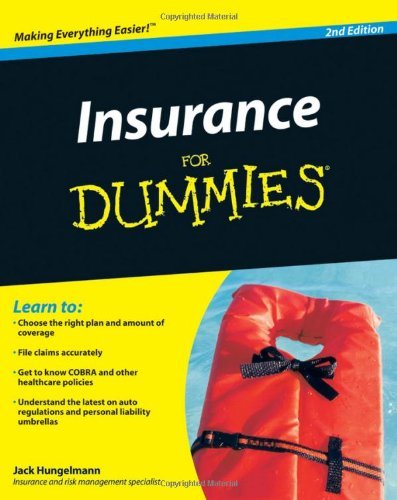
Insurance For Dummies?: Hungelmann, Jack
Whether you’re a homeowner or ... need on: ... Author Jack Hungelmann <strong>uses his twenty-five years of experience in the insurance industry to make buying insurance as simple as possible</strong>
Check Price on AmazonMinimum liability limits in Iowa are typically:
- $20,000 bodily injury liability per person (covers injuries you cause to one person)
- $40,000 bodily injury liability per accident (covers injuries you cause to multiple people)
- $15,000 property damage liability per accident (covers damage you cause to vehicles or property)
Liability coverage pays others when you’re at fault — not you. If you want coverage for your own car, you’ll need:
- Collision coverage: pays to repair/replace your car after a crash, regardless of fault (after your deductible — the amount you pay out of pocket before insurance kicks in)
- Comprehensive coverage: pays for non-crash damage like theft, hail, fire, flood, or hitting a deer (after your deductible)
Other optional coverages in Iowa:
- Uninsured/Underinsured Motorist (UM/UIM): pays you and your passengers if you’re hit by a driver with no insurance or not enough insurance. Insurers must offer UM/UIM in Iowa, but you can reject it in writing. Keeping it is usually smart.
- Medical Payments (MedPay): helps with medical bills for you and your passengers, regardless of fault. This is optional and can be helpful even if you have health insurance, thanks to low deductibles and first-dollar coverage.
- Gap coverage: if you finance or lease, this pays the “gap” between your loan/lease balance and your car’s actual cash value after a total loss.
Proof of insurance: Iowa accepts electronic proof of insurance (like an app or PDF on your phone). Driving without proof can lead to fines, and if you cause a crash without insurance, you face license/registration suspension under Iowa’s Financial and Safety-Responsibility laws.
When minimum coverage isn’t enough: The state minimums (sometimes called 20/40/15) can run out fast. A newer SUV or a multi-vehicle crash can exceed $15,000 in property damage easily. For many drivers, stepping up to at least 50/100/50 — or better, 100/300/100 — offers much stronger protection for a modest premium bump.
Average car insurance rates in Iowa by age, vehicle, and driving record
Rates vary by driver, vehicle, insurer, and even by ZIP code. That said, Iowa is typically one of the more affordable states for car insurance.
To give you a ballpark, here are illustrative ranges seen in Iowa. Your actual rate will vary based on your profile and insurer underwriting:
By coverage level (clean record, good credit):
- Minimum liability only: about $25–$50 per month ($300–$600 per year)
- Full coverage (liability + comprehensive + collision with $500–$1,000 deductibles): about $90–$140 per month ($1,100–$1,700 per year)
By age (full coverage, clean record, good credit):
- 20-year-old: roughly $180–$320 per month
- 30- to 40-year-old: roughly $95–$150 per month
- 60-year-old: roughly $85–$140 per month
By vehicle type (30-year-old, clean record, full coverage):
- 2015 Toyota Camry: about $95–$135 per month
- 2018 Ford F-150: about $100–$145 per month
- 2021 Subaru Outback: about $105–$150 per month
- 2020 Dodge Charger (sportier model): about $140–$220 per month
By driving record (30-year-old, same car/coverage):
- One speeding ticket (10–15 mph over): often 15%–25% higher than a clean record
- At-fault accident with $10,000 property damage: often 35%–50% higher
- DUI/OWI: often 50%–80% higher and may require an SR-22 (a certificate of financial responsibility your insurer files with the state to prove you carry at least the minimum required coverage)
Real-world example:
- Say you’re a 35-year-old driver in Des Moines with a clean record, good credit, and a 2018 Honda CR‑V you drive 12,000 miles a year. Full coverage with $500 deductibles might land somewhere between $1,200 and $1,600 per year with a mainstream insurer — sometimes less with strong discounts.
These numbers are directional, not promises. The fastest way to see what you would actually pay is to compare quotes from 3–5 carriers for the same coverage.
Factors that affect Iowa auto insurance premiums
Insurers in Iowa weigh many factors when setting your rate:
- Location: Urban areas like Des Moines or Cedar Rapids typically see higher rates than rural counties due to more traffic and higher claim frequency.
- Driving record: Tickets, at-fault accidents, and DUIs/OWIs raise rates. Most surcharges fade over 3–5 years if you keep a clean record.
- Mileage and use: More miles, rideshare work, or business use generally mean higher risk.
- Vehicle: Repair costs, safety features, theft rates, and horsepower all matter. Newer vehicles with advanced safety tech can sometimes earn discounts.
- Coverage and deductibles: More coverage and lower deductibles cost more. Raising your comprehensive/collision deductible from $500 to $1,000 can meaningfully lower premiums, but only if you could comfortably pay the higher out-of-pocket.
- Credit-based insurance score: Iowa allows use of credit information in rating. In most cases, poor credit can increase rates significantly; improving credit can help over time.
- Age and household: Young drivers are riskier and cost more. Bundling multiple vehicles and adding a homeowner’s policy can lower the household’s overall cost.
- Claims history: Frequent small claims can raise rates. Consider paying out of pocket for very minor damage to preserve claims-free discounts — but not if it risks safety or legal obligations.
- SR-22 requirement: If required after serious violations, expect a surcharge. The SR-22 itself is inexpensive to file, but the underlying violation drives the higher rate.
How to compare and get the cheapest auto insurance in Iowa
You can absolutely find cheap auto insurance in Iowa without sacrificing key protections. Here’s a step-by-step way to compare apples-to-apples and avoid common traps.
What to gather before you quote:
- Driver details: full names, dates of birth, license numbers, and driving history
- Vehicle info: VINs, trim levels, current mileage, and safety features
- Usage: annual miles, commute distance, garaging address
- Current coverage: limits, deductibles, and expiration date
Set the same coverage on every quote:
- Liability: Consider at least 100/300/100 for many households. It typically doesn’t cost as much as you think versus minimum limits.
- UM/UIM: Match your liability limits when possible to protect your family from uninsured drivers.
- Comprehensive/Collision: Keep consistent deductibles across quotes ($500 or $1,000 are common)
- Add-ons: Decide upfront on roadside assistance, rental reimbursement, and gap coverage so you can compare like-for-like.
How to evaluate quotes beyond price:
- Financial strength: Look for strong insurer financial ratings (e.g., from independent rating agencies) so claims can be paid in tough years.
- Claims service: Check consumer complaint patterns through your state department of insurance or national complaint indexes.
- Repair flexibility: Ask about choice of body shop, OEM parts policies, and glass repair options — it varies a lot.
- Telematics: Consider “usage-based” programs that track driving via an app or device. Safe drivers in Iowa can often save 10%–30%, but aggressive braking or nighttime driving can limit savings.
- Fees and penalties: Watch for policy fees, high installment fees, cancellation fees, and big surcharges for lapses.
Smart ways to lower your Iowa premium:
- Raise deductibles thoughtfully: Moving collision/comprehensive deductibles from $500 to $1,000 often saves 10%–20% on those coverages.
- Bundle home or renters: Multi-policy discounts in Iowa often run 10%–25% combined.
- Keep continuous coverage: Lapses can trigger steep surcharges for 6–12 months.
- Clean up old tickets: If a surcharge is older than three years, ask your insurer to re-rate at renewal.
- Improve credit over time: It won’t change overnight, but better credit typically lowers rates in Iowa where permitted.
- Shop at life events: New address, new car, teen driver, or marriage/divorce — rating factors shift, so re-shop.
Helpful next step: The fastest way to see your real price is to compare quotes from 3–5 carriers, all with the same limits and deductibles. Getting personalized quotes typically reveals $300–$700 per year differences for the same coverage in Iowa.
Iowa-specific discounts and savings opportunities
Most insurers offer a similar menu of discounts in Iowa, but the details and amounts vary. Ask about:
- Good driver: Claims- and ticket-free for 3–5 years
- Telematics/usage-based: Savings for smooth braking, modest miles, and daytime driving
- Multi-policy and multi-car: Bundle auto with home/renters; insure more than one vehicle
- Pay-in-full and auto-pay: Avoids installment fees and can trim 3%–10%
- Good student: Typically for full-time students with a B average or better
- Driver training: Defensive driving or driver’s ed for young drivers
- Vehicle safety: Airbags, anti-lock brakes, anti-theft, and advanced driver assistance systems
- Affinity/membership: Certain employers, alumni groups, or credit unions sometimes qualify
- Low-mileage: If you drive under about 7,500–10,000 miles per year, ask for a discount or verify your annual mileage is accurate
Iowa tip: Rural drivers often log fewer congested miles and may benefit more from low-mileage or telematics programs. If your farm truck is primarily personal use, clarify the usage category — it can affect rating.
Filing a claim in Iowa: what to expect
After a crash, safety first. Move to a safe spot, call 911 if anyone is hurt, and exchange info. Photograph damage, road conditions, and insurance cards.
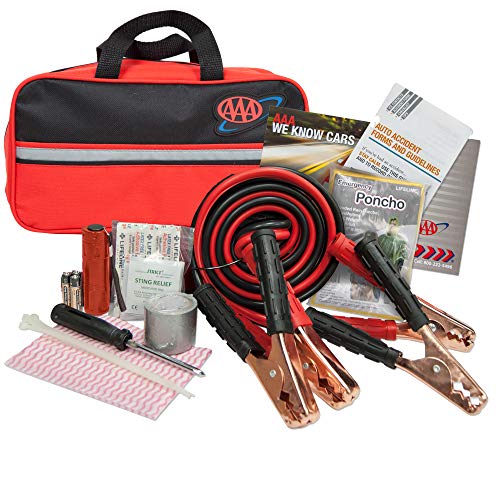
Lifeline AAA Premium Road Kit, 42 Piece Emergency Car Kit with Jumper Cables, Flashlight and First Aid Kit,4330AAA,Black : Everything Else
View on Amazon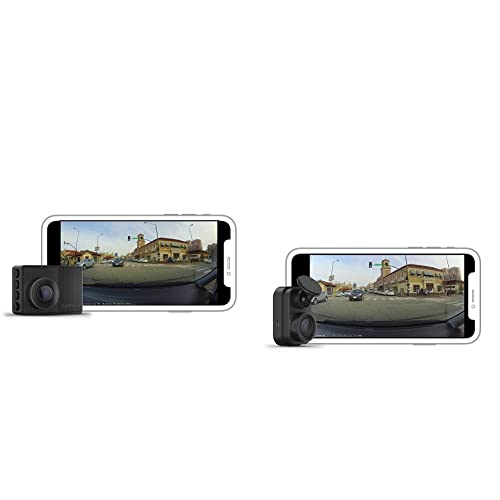
Garmin Dash Cam Mini 2, Tiny Size, 1080p and 140-degree FOV, Monitor Your Vehicle While Away w/ New Connected Features, Voice Control (Renewed) : Electronics
View on AmazonBecause Iowa is an at-fault state, you generally have two paths:
- First-party claim: File with your insurer if you have collision coverage. They pay for repairs (minus your deductible) and subrogate — pursue the at-fault driver’s insurer for reimbursement.
- Third-party claim: File directly with the at-fault driver’s insurer for your property damage and injuries. You won’t owe a deductible, but the process can be slower and fault may be disputed.
Comparative fault in Iowa: Iowa follows a modified comparative fault rule. If you’re 50% or less at fault, your recovery is typically reduced by your percentage of fault. If you’re more than 50% at fault, you usually can’t recover from the other driver. This can influence how claims are negotiated.
Typical claim timeline:
- Report the claim promptly — ideally within 24 hours.
- A claims adjuster contacts you, gathers statements, reviews photos, and may inspect the vehicle.
- For repairs, you’ll get an estimate and choose a repair shop. Ask about OEM vs. aftermarket parts and any lifetime repair guarantees.
- For injuries, keep medical records and bills. Don’t sign broad releases or accept a quick check if you’re still being treated.
Statutes of limitations: In Iowa, the filing deadline is typically two years for bodily injury and up to five years for property damage. This is general information — talk to an attorney for legal advice about your specific situation.
SR-22 after violations: If you’re required to carry an SR-22 in Iowa (often after a DUI/OWI or driving without insurance), your insurer files it with the state for a set period (often three years). Maintain continuous coverage — a lapse can restart the clock.
FAQ: common questions about Iowa car insurance
Is Iowa a no-fault state?
- No. Iowa is an at-fault (tort) state. The at-fault driver’s liability coverage pays for others’ injuries and damages up to the policy limits.
Do I have to buy Uninsured/Underinsured Motorist coverage?
- Insurers must offer UM/UIM in Iowa, but you can reject it in writing. Keeping it is typically wise because not everyone carries enough liability insurance.
What liability limits should I choose?
- Many Iowa households opt for 100/300/100 or higher. Consider your assets, income, and risk tolerance. State minimums (20/40/15) can be exhausted quickly in a serious crash.
Will my credit affect my rate in Iowa?
- In most cases, yes. Iowa allows credit-based insurance scoring. Good credit can lower premiums, while poor credit can raise them. Insurers must follow state rules on how it’s used.
Can I show digital proof of insurance?
- Yes. Electronic proof (like a mobile app) is generally accepted in Iowa.
How much does a speeding ticket raise rates in Iowa?
- Often 15%–25% for a first minor ticket, depending on the insurer. Shopping around after the first renewal post-ticket can help.
What if I drive without insurance and cause a crash?
- You could face fines, license/registration suspension, and be personally on the hook for damages. The state may require an SR-22 to reinstate driving privileges.
Do I need collision and comprehensive on an older car?
- If the car’s value is low and you could afford to repair or replace it yourself, you might skip them. But hail and deer strikes are common in Iowa — comprehensive can be inexpensive relative to the risk.
When should I call a licensed agent?
- If you’re unsure about coverage limits, adding a teen driver, considering an umbrella policy, or dealing with a complicated claim, a licensed agent can give personalized guidance.
Your next steps
- Price-check your policy: The fastest way to see what you would actually pay is to compare quotes from 3–5 carriers using the same limits and deductibles. Expect meaningful differences for the exact same coverage in Iowa.
- Upgrade protection smartly: If you’re at state minimums, price out 50/100/50 and 100/300/100. The jump in protection is big; the jump in premium is often modest.
- Turn on savings: Ask about telematics, bundling, and pay-in-full discounts. Verify your annual mileage and garaging address are accurate.
Note: This guide is general education, not legal or financial advice. For personalized recommendations about auto insurance in Iowa, consider speaking with a licensed agent who can evaluate your situation and local market options.
Recommended Resources
Insurance For Dummies?: Hungelmann, Jack
Whether you’re a homeowner or ... need on: ... Author Jack Hungelmann <strong>uses his twenty-five years of experience in the insurance industry to make buying insurance as simple as possible</strong>
Garmin Dash Cam Mini 2, Tiny Size, 1080p and 140-degree FOV, Monitor Your Vehicle While Away w/ New Connected Features, Voice Control (Renewed) : Electronics
Amazon.com: Garmin Dash Cam Mini 2, <strong>Tiny Size, 1080p and 140-degree FOV, Monitor Your Vehicle While Away w/ New Connected Features, Voice Control</strong> (Renewed) : Electronics
Lifeline AAA Premium Road Kit, 42 Piece Emergency Car Kit with Jumper Cables, Flashlight and First Aid Kit,4330AAA,Black : Everything Else
Amazon.com: <strong>Lifeline AAA Premium Road Kit</strong>, 42 Piece Emergency Car Kit with Jumper Cables, Flashlight and First Aid Kit,4330AAA,Black : Everything Else
Related Articles
- Life Insurance in Iowa: What Residents Should Know Before Buying
- Health Insurance in Iowa: Plans, Costs & How to Enroll
- Auto Insurance in Illinois: Rates, Requirements & How to Save
- Auto Insurance in Idaho: Rates, Requirements & How to Save
- Auto Insurance in Indiana: Rates, Requirements & How to Save
- Auto Insurance in Missouri: Rates, Requirements & How to Save
- Auto Insurance in Vermont: Rates, Requirements & How to Save
- Auto Insurance in Wisconsin: Rates, Requirements & How to Save