
Auto Insurance in Alabama: Rates, Requirements & How to Save
You’re shopping for auto insurance in Alabama and the numbers feel all over the place. What coverage do you actually need, what do people really pay here, and how do you lock in a fair price without getting underinsured? Here’s what actually matters when choosing car insurance in Alabama—plus smart ways to compare quotes and save.
Auto insurance in Alabama: minimum requirements and coverage
Alabama is an at-fault (tort) state. That means the driver who causes a crash is responsible for the other party’s losses. Alabama also follows a strict contributory negligence rule—if you’re even slightly at fault in an accident, you may be barred from collecting from the other driver’s insurer. Translation: carrying solid coverage matters.
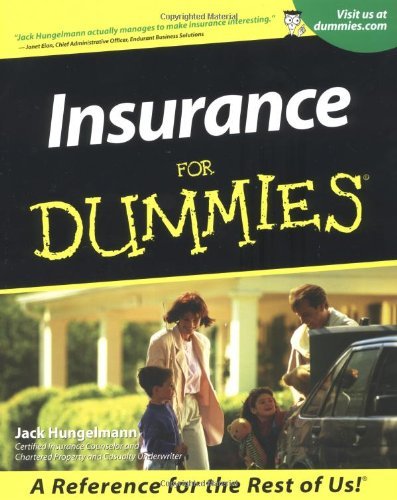
Insurance for Dummies: Hungelmann, Jack
<strong>Manage life, health, and disability risks</strong> ― explore individual and group policies, understand Medicare basics, and evaluate long-term disability and long-term-care insurance ...
Check Price on AmazonMinimum liability limits you must carry to drive legally in Alabama:
- Bodily injury liability: $25,000 per person and $50,000 per accident (25/50). This pays for the other party’s medical bills when you’re at fault.
- Property damage liability: $25,000 per accident (25). This pays to repair the other party’s vehicle or damaged property.
What these do not cover: your own vehicle’s damage or your own medical bills. For that, consider:
- Collision coverage: Pays to repair or replace your car after a crash with another vehicle or object (minus your deductible—the amount you pay out of pocket before insurance kicks in).
- Comprehensive coverage: Covers non-crash events like theft, hail, tornado damage, vandalism, falling objects, and animal collisions (again, minus your deductible). In Alabama, hail and severe-storm claims are common; comprehensive is typically worth a look.
- Medical payments (MedPay): Optional coverage that helps with your and your passengers’ medical costs regardless of fault. Alabama does not have PIP (personal injury protection), so MedPay is the common add-on.
- Uninsured/underinsured motorist (UM/UIM): Not required to buy, but insurers must offer it and you have to reject it in writing if you don’t want it. UM/UIM can cover your injuries—and in many policies, your vehicle—if the at-fault driver has too little or no insurance.
- Gap insurance: If your car is financed or leased, gap can cover the “gap” between what you owe and the car’s actual cash value if it’s totaled.
If your car is financed or leased, your lender typically requires collision and comprehensive. Even if it’s paid off, most drivers choose liability limits above the minimums—think 100/300/100—because medical bills and vehicle replacements often exceed 25/50/25.
Proof of insurance and verification: Alabama uses an electronic verification system to confirm active policies. If your coverage lapses, you could face fines, registration suspension, or the need to file an SR‑22 (a certificate of financial responsibility filed by your insurer) after certain violations.
Average car insurance rates in Alabama by age, vehicle, and driving record
Let’s set expectations. Rates vary by driver, vehicle, ZIP code, credit-based insurance score, and your chosen coverages and deductibles. The ranges below are directional—use them to gut-check quotes, not as guaranteed prices.
- Minimum liability only: Many Alabama drivers see ranges from roughly $45–$90 per month. Rural ZIPs can land on the lower end; urban areas like Birmingham or Mobile may be higher.
- Full coverage (liability higher than state minimums, plus comprehensive and collision): Typical ranges can be $110–$190 per month for a clean-driving adult with good credit. Newer vehicles and lower deductibles push this higher.
By age (clean driving record, typical good-credit profile, average vehicle):
- Age 18–20: $180–$400/month for full coverage. Teen and young adult rates are steep due to limited driving history.
- Age 25–35: $120–$200/month for full coverage, depending on ZIP and vehicle.
- Age 40–55: $110–$180/month for full coverage.
- Age 65+: $120–$200/month for full coverage, with wider ranges based on driving habits and annual mileage.
By vehicle type (adult driver, clean record):
- Midsize sedan (e.g., Toyota Camry): Full coverage often clusters toward the lower-middle of the ranges.
- Full-size pickup (e.g., Ford F‑150): Often moderate; repair costs and theft rates influence pricing.
- Compact SUV (e.g., Honda CR‑V): Similar to midsize sedans, sometimes slightly lower due to safety ratings.
- Sports car or luxury model: Higher premiums due to performance, repair costs, and claim frequency.
By driving record (adult driver):
- One speeding ticket: Often 10%–25% higher for 3 years.
- At‑fault accident: Commonly 20%–50% higher depending on severity and claim cost.
- DUI: Frequently 50%–80% higher, plus potential SR‑22 filing for license reinstatement.
Location example (same 35‑year‑old driver, clean record, $500 deductibles, higher-than-minimum liability):
- Birmingham: Tends to be higher due to traffic density and claim frequency.
- Huntsville/Madison: Often moderate.
- Montgomery/Tuscaloosa: Middle of the pack.
- Mobile/Baldwin County: Storm exposure and theft patterns may nudge rates higher.
- Rural ZIPs: Frequently the most affordable.
Again, these are ballpark ranges. The fastest way to see what you would actually pay is to compare quotes from 3–5 carriers side-by-side.
Factors that affect Alabama auto insurance premiums
What pushes your price up or down in Alabama:
- Where you live and park: Urban density, crash frequency, theft rates, and storm exposure (coastal and tornado risks) all affect rates by ZIP code.
- Your coverage choices: Higher liability limits and lower deductibles cost more—but they protect your assets better. Minimum coverage is cheaper upfront but can be very costly after a serious crash.
- Driving record and claims: Tickets, at‑fault accidents, and DUIs hit your premium. Many violations affect pricing for 3–5 years.
- Credit-based insurance score: Alabama allows insurers to use this in pricing. Paying bills on time and keeping credit usage low can help over time.
- Vehicle type, age, and safety features: Newer cars with advanced safety tech may qualify for discounts, but can cost more to repair. Anti-theft devices can help, especially in higher-theft areas.
- Annual mileage and commute: Long commutes usually mean higher risk. If you drive less, ask about low‑mileage or usage-based options.
- Insurance history: Lapses in coverage often lead to surcharges. Continuous coverage is rewarded.
- Household drivers: Teen drivers and certain household members can impact your rate, even if they don’t drive your car often.
How to compare and get the cheapest auto insurance in Alabama
Here’s a simple, effective way to shop without missing anything important:
- Decide on coverage targets before you get quotes
- Liability: Consider at least 50/100/50 or 100/300/100 to better protect savings and income.
- Comprehensive and collision: If your car is worth more than a few thousand dollars—or you’d be stressed paying out of pocket—price these with $500–$1,000 deductibles.
- UM/UIM and MedPay: In a state with contributory negligence and plenty of uninsured drivers, these are worth pricing.
- Gather your details
- VIN (or year/make/model), current odometer and annual miles
- Driver’s license numbers for all drivers in the household
- Any tickets/claims in the last 3–5 years
- Your current policy declarations page (to compare apples to apples)
- Compare at least 3–5 carriers at the same time
- Quote the same limits and deductibles with each company so the price comparison is meaningful.
- Include a mix of national brands and regional carriers that write heavily in Alabama. Smaller carriers can be surprisingly competitive in certain ZIPs.
- Consider telematics (usage-based insurance) trials if you’re a safe, low‑mileage driver.
- Dial in savings without gutting coverage
- Raise your deductibles from $250 to $500 or $1,000 to see the tradeoff.
- Bundle home/renters and auto when it makes overall sense.
- Ask about pay‑in‑full, autopay, paperless, and continuous‑coverage discounts.
- If you have a teen, compare separate policy vs. adding to your policy both ways—what’s cheaper varies by insurer.
Helpful resources while you shop:
- Learn how each coverage works so you know what you’re trimming or keeping: Understanding Auto Insurance Coverage Types
- Start comparing prices in a few minutes: Car Insurance Quotes: Compare Rates & Get Personalized Quotes Fast
- Want a quick side‑by‑side? Try: Compare Car Insurance: Best Coverage and Price Today
CTA: The fastest way to find your best price for auto insurance in Alabama is to compare quotes from 3–5 carriers using identical limits and deductibles. It typically takes 10–15 minutes and can save you hundreds per year if you’ve had the same policy for a while.
Alabama-specific discounts and savings opportunities
Most discounts are available everywhere, but here’s what to look for in Alabama specifically:
- Defensive driving course: Some insurers offer a discount if you complete an approved safe‑driving course—helpful for mature drivers and sometimes for ticket mitigation.
- Good student and driver training: Teens and young adults can often earn discounts for a “B” average or better and completing driver education.
- Telematics/usage‑based: If you drive fewer miles or mostly outside rush hour, these can pay off. Alabama commuters with flexible schedules should price these.
- Anti‑theft and VIN etching: Particularly relevant if you live or park in higher‑theft ZIPs.
- Multi‑policy and multi‑car: Bundling home or renters in Alabama—especially if you own a home—can materially reduce your auto rate.
- Homeowner discount: Even if you don’t bundle, simply being a homeowner may help.
- Affinity groups: Some employers, professional associations, or alumni groups offer negotiated savings. It’s worth asking.
- Continuous coverage: Avoid lapses. Gaps in insurance can spike your premium at your next renewal.
For more ways to trim costs without sacrificing protection, check out: Cheap Auto Insurance: How to Lower Your Premiums & Get Quotes
Filing a claim in Alabama: what to expect
After a crash or damage event:
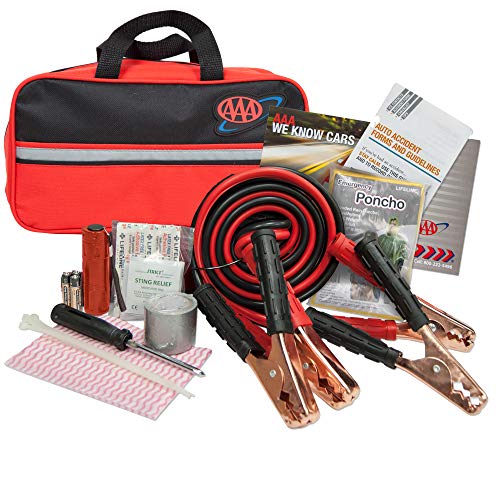
Lifeline AAA Premium Road Kit, 42 Piece Emergency Car Kit with Jumper Cables, Flashlight and First Aid Kit,4330AAA,Black : Everything Else
View on Amazon
Garmin Dash Cam 57, 1440p and 140-degree FOV, Monitor Your Vehicle While Away w/New Connected Features, Voice Control, Compact and Discreet, Includes Memory Card : Electronics
View on Amazon- Safety first and documentation
- Check for injuries and call 911 when needed. For accidents with injuries or significant damage, request a police report—it helps establish facts later.
- Take photos of all vehicles, the scene, and any road conditions or relevant signs.
- Notify your insurer promptly
- Report what happened, share the other driver’s info, and provide the police report number once available. Your insurer will explain your coverages and next steps.
- At‑fault vs. not‑at‑fault claims
- Alabama is an at‑fault state. If the other driver is 100% at fault, you can file a third-party claim with their insurer; you can also use your own collision coverage for faster repairs and let your insurer subrogate (seek reimbursement) later.
- Because of Alabama’s contributory negligence rule, if you’re found even partially at fault, you may be unable to collect from the other party. This is one reason many drivers choose higher liability limits and carry UM/UIM.
- Repairs and total losses
- You typically choose your repair shop. Insurers may suggest preferred shops, but it’s your call.
- If your car is declared a total loss, you’re generally paid its actual cash value (what it was worth right before the loss), minus your deductible if it’s a first‑party claim. If you owe more than the car is worth, gap insurance can cover that difference if you have it.
- Hail and storm damage
- Comprehensive covers hail, tornado debris, falling trees, and flood from rising water. Your comprehensive deductible applies, and filing a comp claim often has a smaller impact on rates than an at‑fault collision—though any claim can affect your premium.
- Timelines and legal windows
- Insurers usually must acknowledge and investigate claims promptly. If injuries are involved, consider consulting a local attorney.
- Alabama’s statute of limitations for injury and property damage claims is commonly around two years from the date of the accident, but specifics can vary by claim type. Don’t delay—if you need legal advice, talk to a professional.
Tip: Keep a claims diary—dates, who you spoke with, and what was said. It helps if anything goes sideways.
FAQ: common questions about Alabama car insurance
Is car insurance required in Alabama? Yes. You must carry at least 25/50/25 in liability coverage. Driving without insurance can lead to fines, registration issues, and even an SR‑22 requirement after certain violations.
Do I need UM/UIM in Alabama? It’s not required, but insurers must offer it and you must reject it in writing if you don’t want it. With uninsured drivers on the road, many Alabamians choose UM/UIM for extra protection.
Does Alabama have PIP (personal injury protection)? No. Alabama is not a no‑fault state. MedPay is the optional coverage that helps with medical bills regardless of fault.
How much does auto insurance in Alabama cost per month? It varies widely. Many drivers pay somewhere between $45 and $90 per month for minimum coverage and $110 to $190 for full coverage—depending on age, ZIP code, vehicle, driving record, and credit. The only way to know your price is to get quotes.
Will a hail or tornado claim raise my rates? Any claim can affect your premium, but comprehensive claims like hail typically have a smaller impact than at‑fault collision claims. Results vary by insurer and your overall claim history.
Are digital insurance ID cards accepted in Alabama? Yes. Electronic proof of insurance is accepted during traffic stops and after accidents.
What is an SR‑22 and when is it required? An SR‑22 is a certificate your insurer files with the state to verify you carry at least the minimum liability coverage. In Alabama, it’s commonly required after certain serious violations (like DUI) or reinstating a suspended license.
I’m moving to Alabama. Will my rates change? Probably. Rates are based on local factors like crash frequency, theft, weather, and repair costs by ZIP. Shop new quotes once you have your Alabama address.
A quick note on advice
Insurance is personal. Your budget, assets, health insurance, vehicle value, and tolerance for risk all matter. If you want help weighing tradeoffs, speak with a licensed Alabama agent who can walk you through options based on your situation.
Your next step
Ready to see your actual price for auto insurance in Alabama? Compare at least three quotes with the same limits and deductibles:
- Start here: Car Insurance Quotes: Compare Rates & Get Personalized Quotes Fast
- Or jump to a side‑by‑side view: Compare Car Insurance: Best Coverage and Price Today
It typically takes 10–15 minutes and can confirm whether your current price is competitive—or if you can save by switching without sacrificing coverage.
Recommended Resources
Insurance for Dummies: Hungelmann, Jack
<strong>Manage life, health, and disability risks</strong> ― explore individual and group policies, understand Medicare basics, and evaluate long-term disability and long-term-care insurance ...
Garmin Dash Cam 57, 1440p and 140-degree FOV, Monitor Your Vehicle While Away w/New Connected Features, Voice Control, Compact and Discreet, Includes Memory Card : Electronics
Buy Garmin Dash Cam 57, 1440p and 140-degree FOV, Monitor Your Vehicle While Away w/New Connected Features, Voice Control, Compact and Discreet, Includes Memory Card: On-Dash Cameras - Amazon.com ✓ FR
Lifeline AAA Premium Road Kit, 42 Piece Emergency Car Kit with Jumper Cables, Flashlight and First Aid Kit,4330AAA,Black : Everything Else
Amazon.com: <strong>Lifeline AAA Premium Road Kit</strong>, 42 Piece Emergency Car Kit with Jumper Cables, Flashlight and First Aid Kit,4330AAA,Black : Everything Else
Related Articles
- Life Insurance in Alabama: What Residents Need to Know
- Home Insurance in Alabama: Coverage, Costs & Best Companies
- Auto Insurance in Arkansas: Rates, Requirements & How to Save
- Auto Insurance in Alaska: Rates, Requirements & How to Save
- Health Insurance in Alabama: Plans, Costs & How to Enroll
- Auto Insurance in Oklahoma: Rates, Requirements & How to Save
- Auto Insurance in Nebraska: Rates, Requirements & How to Save
- Auto Insurance in Illinois: Rates, Requirements & How to Save