
Health Insurance in Nebraska: Plans, Costs & How to Enroll
You’re trying to make sense of health insurance in Nebraska: what plans are available, what you might actually pay, and how to enroll without missing deadlines. Here’s a clear, Nebraska‑specific guide that covers your options, typical costs, Medicaid, the marketplace, and smart ways to compare plans.
Note: Actual plan availability and prices change each year. The fastest way to see your real options is to compare quotes from multiple carriers and check your subsidy eligibility on HealthCare.gov or through a licensed agent.
Your health insurance options in Nebraska
Nebraska residents typically get coverage through one of these paths:
Employer coverage (ESI): Group insurance offered by your job. Premiums (what you pay each month) are often partially paid by the employer, which can make this route affordable. You’ll still have a deductible (the amount you pay out of pocket before insurance pays) and cost sharing.
Individual/family plans on the marketplace: Plans you buy yourself on HealthCare.gov (Nebraska uses the federal marketplace). Many Nebraskans qualify for premium tax credits (a federal subsidy that lowers your monthly premium) and cost‑sharing reductions, or CSRs (extra help that lowers your deductible and copays if you qualify and choose a Silver plan).
Individual/family plans off‑marketplace (direct from insurers): Similar coverage but bought directly from an insurer or broker. No premium subsidies apply off‑marketplace, so this is typically best for people who know they won’t qualify for financial help.
Medicaid (called Heritage Health/Heritage Health Adult): Free or very low‑cost coverage for people who qualify based on income, household size, and other factors. Nebraska has expanded Medicaid, so many low‑income adults can qualify.
Medicare (age 65+ or certain disabilities): Not covered in depth here, but it’s a separate federal program with its own enrollment windows.
Short‑term health insurance: Limited, temporary coverage meant to bridge a gap. These plans can exclude pre‑existing conditions (health issues you had before the policy starts), cap benefits, and skip key protections. In most cases, short‑term policies aren’t a good long‑term substitute for ACA‑compliant coverage.
If you’re unsure which bucket you fit in, a licensed, Nebraska‑based broker or navigator can quickly tell you where you qualify and whether you’re likely to receive subsidies.
Average health insurance premiums in Nebraska by plan type and age
Unsubsidized premiums vary by county, age, tobacco status, and plan metal tier. Age rating (how insurers adjust price based on age) allows premiums for a 60‑year‑old to be roughly 2–3x the price for a 21‑year‑old, which is why looking at your own age band matters.
Here are ballpark, unsubsidized ranges we typically see in Nebraska for ACA‑compliant marketplace plans. These are examples, not quotes, and rates vary by insurer and county:
21‑year‑old single adult:
- Bronze (lower premiums, higher deductible): about $250–$380/month
- Silver (mid‑level, eligible for CSRs if you qualify): about $320–$460/month
- Gold (higher premiums, lower out‑of‑pocket costs): about $400–$580/month
40‑year‑old single adult:
- Bronze: about $350–$500/month
- Silver: about $430–$650/month
- Gold: about $520–$800/month
60‑year‑old single adult:
- Bronze: about $700–$1,100/month
- Silver: about $850–$1,300/month
- Gold: about $1,000–$1,600/month
Family of four (two 40‑year‑old adults + two children):
- Bronze: about $900–$1,400/month
- Silver: about $1,100–$1,700/month
- Gold: about $1,300–$2,100/month
How subsidies change your price: If you qualify for a premium tax credit (based on your estimated annual household income), your net monthly premium can be much lower than these ranges. For example, a 35‑year‑old in Omaha earning a moderate income might see Silver plan options drop by several hundred dollars per month after the tax credit is applied. If your income is lower and you enroll in a Silver plan, cost‑sharing reductions can also cut your deductible and copays substantially. Always check your personalized, after‑subsidy prices.
Real‑world examples (illustrative only):
- 35‑year‑old non‑smoker in Lincoln looking for a Silver plan: before subsidies, $450–$600/month is common; with a moderate income, net premium might fall into the low‑to‑mid‑$200s. Your number depends on household size and income.
- Family of four in Grand Island at a moderate income: a subsidized Silver plan that originally lists around $1,400/month might net under $700/month. Some families with lower incomes may see near‑zero premiums for specific Silver plans.
- 60‑year‑old in Scottsbluff just pre‑Medicare: baseline Silver might list around $1,100/month; with a qualifying income, the net could be several hundred dollars less. If income is too high for subsidies, compare Bronze vs. HSA‑eligible Silver to balance premium and out‑of‑pocket risk.
Important: These are examples to show how pricing typically behaves; they are not offers. Always verify current-year premiums and subsidies.
Nebraska Medicaid eligibility and enrollment
Nebraska has expanded Medicaid, which means more low‑income adults are eligible under the Heritage Health Adult program. Eligibility is primarily based on your modified adjusted gross income (MAGI), household size, and state‑specific rules.
Who may qualify in Nebraska (overview, thresholds adjust annually):
- Adults (19–64) with incomes up to about 138% of the federal poverty level (FPL) may qualify under expansion. The 5% “income disregard” typically applies, making the effective limit around 138% FPL.
- Children often qualify at higher income levels through Medicaid or CHIP (Children’s Health Insurance Program), called Kids Connection in Nebraska.
- Pregnant Nebraskans may qualify at higher FPL thresholds than non‑pregnant adults, with low or no premiums and reduced cost sharing.
- People with disabilities and seniors may qualify under separate pathways with different rules.
How to enroll: You can apply for Nebraska Medicaid year‑round through ACCESSNebraska online, by phone, or with help from a community assister. If you’re approved, coverage can often be effective retroactively to cover recent medical bills, depending on your situation and state rules.
Tip: If your income is close to the line, don’t self‑exclude. Apply or speak with a navigator—some types of income don’t count, and certain deductions may help you qualify.
Nebraska health insurance marketplace: open enrollment and special periods
Nebraska uses HealthCare.gov for individual and family coverage.
Open Enrollment Period (OEP): Typically November 1 through January 15. Enroll by December 15 for coverage starting January 1; enroll December 16–January 15 for coverage starting February 1. Dates can shift slightly each year—always confirm the current year’s deadlines.
Special Enrollment Period (SEP): A window outside OEP when you can enroll due to a qualifying life event (QLE). Common QLEs include losing other coverage, moving to Nebraska or to a new Nebraska county, marriage, having a baby, adopting, certain changes in immigration status, or a significant change in income that affects subsidy eligibility. You generally have 60 days from the event to enroll.
Year‑round enrollment for Native Americans/Alaska Natives: Members of federally recognized tribes can enroll in marketplace coverage or change plans once a month, and many qualify for zero cost sharing at certain income levels.
If you miss OEP and don’t have a QLE, your main options are Medicaid (if eligible) or a short‑term plan (limited coverage). Many Nebraskans who thought they “made too much” for help are surprised to find they now qualify for a tax credit—check before assuming you’re locked out.
How to compare and choose the best health plan in Nebraska
Here’s what actually matters when comparing plans:
- Monthly premium vs. total yearly cost
- Premium is what you pay every month. But a lower premium Bronze plan may have a high deductible (the amount you pay before insurance starts sharing costs) and higher out‑of‑pocket costs.
- Look at the out‑of‑pocket maximum (the most you would pay for covered, in‑network services in a year). This protects you from catastrophic bills.
- Metal tier and CSRs
- Bronze: Lower premiums, higher deductibles. Suited for people who rarely use care and can handle bigger bills if something happens.
- Silver: Middle ground. If your income qualifies, Silver unlocks cost‑sharing reductions (lower deductibles and copays). If you qualify for CSRs, Silver often gives the best deal.
- Gold/Platinum: Higher monthly cost, lower out‑of‑pocket costs. Good for people who use care frequently.
- Provider network
- Network is the list of doctors/hospitals that contract with the plan. In Nebraska, pay close attention to whether key systems like Nebraska Medicine, CHI Health, Bryan Health, and regional clinics are in‑network for your plan.
- HMO/EPO vs. PPO: HMOs and EPOs generally require you to use in‑network providers (except emergencies). PPOs may cover some out‑of‑network care but typically cost more. Many Nebraska marketplace plans are HMO/EPO.
- Prescription coverage
- Check the formulary (the plan’s drug list) to confirm your meds are covered and at what tier (the level that determines your copay or coinsurance).
- See if prior authorization (insurer approval before a service or drug is covered) is required for your medications.
- Deductible, copays, and coinsurance
- Copay: A flat fee (for example, $30) you pay for a service like a doctor visit.
- Coinsurance: A percentage you pay after meeting your deductible (for example, 20% of a hospital bill). High coinsurance on imaging or specialty drugs can be costly—check these details.
- Out‑of‑pocket maximum (OOPM)
- This caps your total in‑network spending for the year for covered services. If you hit the OOPM, the plan pays 100% of covered, in‑network costs for the rest of the plan year.
- HSA eligibility
- HSA stands for Health Savings Account, a tax‑advantaged account you can use for qualified medical expenses. Only HSA‑eligible High Deductible Health Plans (HDHPs) allow HSA contributions. This can be smart for higher‑income Nebraskans who want tax savings and can afford the higher deductible risk.
- Extras and management tools
- Telehealth visits, care management programs for chronic conditions, and 24/7 nurse lines can improve your experience and reduce costs.
What this looks like in practice
- Young, healthy in Kearney: A Bronze HSA plan with a lower premium might make sense if you can fund the HSA and handle a high deductible.
- Family in Omaha with regular prescriptions and pediatric visits: A Silver plan (especially with CSRs) can reduce your deductible and copays enough to beat a lower‑premium Bronze plan over the year.
- Near‑retiree in North Platte with specialist needs: A Gold plan’s higher premium could be worth it if it includes your doctors and lowers specialty visit and imaging costs.
Helpful next step: The fastest way to see what you’d actually pay is to compare quotes from 3–5 carriers side by side and check your subsidy in real time. A licensed agent can do this at no cost to you.
Nebraska‑specific subsidies and financial assistance
Most Nebraska marketplace shoppers qualify for some level of federal help:
Premium tax credits (APTC): Lower your monthly premium. Eligibility is based on your estimated household income and household size. There’s no penalty for estimating, but you’ll reconcile the credit with your actual income at tax time. If you under‑estimate, you may repay some of the credit; if you over‑estimate, you may receive more back.
Cost‑sharing reductions (CSR): Extra savings that reduce deductibles, copays, and out‑of‑pocket maximums—only if you choose a Silver plan and your income falls within specific FPL ranges. If you qualify for CSR, a Silver plan often provides the best value even if a Bronze plan’s premium looks lower.
American Indian/Alaska Native benefits: If you’re a member of a federally recognized tribe and qualify based on income, you may have zero cost sharing on certain plans.
Medicaid/CHIP: Free or low‑cost coverage if you meet Nebraska’s income and eligibility rules. Enrollment is year‑round.
Important: Enhanced federal subsidies have changed in recent years and may change again. Always check the current year’s rules on HealthCare.gov or with a licensed agent to understand how the subsidy formula applies to your household in Nebraska.
How to enroll in a Nebraska health plan (step by step)
- Gather info: Social Security numbers, immigration documents (if applicable), employer and income details, current plan information, and a list of your doctors and medications.
- Estimate your annual household income: This determines subsidy eligibility. Use last year’s tax return plus expected changes (raises, job changes, side income).
- Shop on HealthCare.gov or with a licensed agent: Compare premiums, deductibles, networks, and total estimated yearly costs—not just the monthly premium.
- Confirm your doctors and drugs: Call your provider’s office and check the insurer’s directory and formulary to avoid surprises.
- Choose your plan and submit your application: Pay your first premium by the plan’s deadline for coverage to start.
- Set up account access and ID cards: Create your insurer portal login, add your payment method, and download ID cards so you’re ready for appointments.
Medical Records Organizer Binder
View on AmazonWhat to watch out for (Nebraska pitfalls we see a lot)
- Narrow networks: A plan may exclude your preferred hospital system in Omaha or Lincoln. Double‑check provider lists and ask your doctor’s billing office to confirm.
- Out‑of‑network costs: Many EPO/HMO plans don’t cover out‑of‑network care except emergencies. If you split time across state lines (for example, Omaha/Council Bluffs), verify cross‑border access.
- Prescription tiers and prior authorization: A drug might be covered but at a high tier or with special approval required. Look it up before you enroll.
- Deductible surprises on imaging and labs: CT scans, MRIs, and specialty labs often hit the deductible first. Compare coinsurance and OOPM.
- Short‑term plan limitations: Pre‑existing conditions can be excluded, and benefits capped. Read the fine print if you’re considering this as a stopgap.
Never Pay the First Bill: And Other Ways to Fight the Health Care System and Win: Allen, Marshall
Drawing on 15 years of investigating the health care industry, reporter Marshall Allen <strong>shows how companies and individuals have managed to force medical providers to play fair, and shows how y
Check Price on AmazonNew to Nebraska? Moving from another state
If you recently moved to Nebraska, that’s a qualifying life event for a Special Enrollment Period. You’ll typically need to show you had qualifying coverage before the move and now have lost access to it. For folks moving from the Omaha–Council Bluffs area, rule differences between states matter—if you’re comparing, this primer on neighboring state rules can help: Health Insurance in Iowa: Plans, Costs & How to Enroll.
Planning your household insurance budget in Nebraska
Many families review all their insurance lines at once to balance the budget for the year. If you’re comparing costs across coverages, these Nebraska‑specific guides can help:
- Auto Insurance in Nebraska: Rates, Requirements & How to Save
- Home Insurance in Nebraska: Coverage, Costs & Best Companies
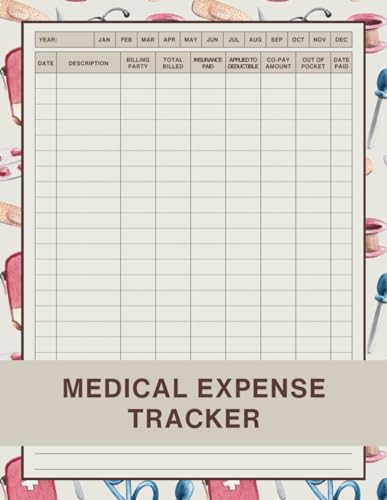
Medical Expense Tracker: A Record Logbook for Keeping Track Your Medical Spending, Bills, and Payment All in One Place | Health Expense Organizer: Media, Tylissa A.: Amazon.com
View on AmazonQuick CTA: See your real price in minutes
Education is great, but seeing your numbers is better. The fastest way to find what you’d actually pay for health insurance in Nebraska is to compare quotes from 3–5 carriers and check your subsidy on the same screen. A licensed agent or navigator can help at no cost.
FAQ: Common questions about health insurance in Nebraska
Does Nebraska have Medicaid expansion? Yes. Nebraska expanded Medicaid, and many adults ages 19–64 qualify based on income. Apply year‑round if you think you might be eligible.
When is open enrollment for Nebraska marketplace plans? Typically November 1 to January 15 via HealthCare.gov. Enroll by December 15 for January 1 coverage. Dates can shift slightly each year—confirm the current year.
What if I miss open enrollment? You may qualify for a Special Enrollment Period if you’ve had a qualifying life event—such as losing coverage, moving to Nebraska, marriage, or a new baby. Otherwise, check Medicaid or consider a short‑term plan as a temporary option (with limitations).
Are dental and vision included? Pediatric dental and vision are included in ACA plans for children. Adult dental/vision are usually separate add‑ons. You can buy stand‑alone plans on or off the marketplace.
Can I use an HSA in Nebraska? Yes—if you enroll in a qualified High Deductible Health Plan (HDHP). HSAs (Health Savings Accounts) let you set aside pre‑tax money for eligible medical expenses. Verify that the plan is HSA‑eligible before enrolling.
How do premiums in Nebraska compare to other states? Nebraska premiums can be higher than the national average in some counties, especially for older enrollees without subsidies. Your net cost depends heavily on income‑based tax credits.
Will I pay more if I smoke? Yes. Tobacco surcharges are allowed and can significantly increase your premium. Quitting can help your health and your budget.
Is COBRA available if I leave my job in Nebraska? Yes. COBRA allows you to keep your employer plan for a limited time, but you’ll typically pay the full premium plus a small administrative fee. Many people switch to a subsidized marketplace plan instead due to cost.
How do I know if my doctor is in network? Check the insurer’s online directory, then call your doctor’s office to confirm the specific plan name and network. Networks can vary even within the same insurer.
Are pre‑existing conditions covered? ACA‑compliant marketplace and employer plans cover pre‑existing conditions. Short‑term plans do not have this protection and can exclude pre‑existing issues.
A quick note on personalized advice
Health insurance is personal. If you take prescriptions, have preferred doctors, or anticipate a procedure this year, plan choice matters even more. A licensed Nebraska agent or navigator can help you compare networks and out‑of‑pocket costs and confirm your subsidy—at no cost to you.
Your next step
- Make a quick list of your doctors, prescriptions, and expected care.
- Check your estimated annual household income.
- Compare 3–5 Nebraska plans side by side (especially Silver if you might qualify for CSRs).
- Get a personalized quote and enrollment help from a licensed agent or navigator.
Do this, and you’ll go from guesswork to a plan that fits your Nebraska life—and your budget.
Recommended Resources
Never Pay the First Bill: And Other Ways to Fight the Health Care System and Win: Allen, Marshall
Drawing on 15 years of investigating the health care industry, reporter Marshall Allen <strong>shows how companies and individuals have managed to force medical providers to play fair, and shows how y
Medical Expense Tracker: A Record Logbook for Keeping Track Your Medical Spending, Bills, and Payment All in One Place | Health Expense Organizer: Media, Tylissa A.: Amazon.com
<strong>Medical Spending Record</strong>: A Logbook for Keeping Track Your Medical Expenses, Bills, and Payment All in One Place | Health Expense Organizer
Medical Records Organizer Binder
Amazon.com: medical records organizer binder
Related Articles
- Health Insurance in North Dakota: Plans, Costs & How to Enroll
- Health Insurance in Minnesota: Plans, Costs & How to Enroll
- Health Insurance in Indiana: Plans, Costs & How to Enroll
- Health Insurance in Iowa: Plans, Costs & How to Enroll
- Health Insurance in New Mexico: Plans, Costs & How to Enroll
- Health Insurance in New Jersey: Plans, Costs & How to Enroll
- Health Insurance in Montana: Plans, Costs & How to Enroll
- Health Insurance in Kansas: Plans, Costs & How to Enroll