
Home Insurance in Nebraska: Coverage, Costs & Best Companies
You’re shopping for home insurance in Nebraska and the numbers you’re seeing feel all over the place. Is your quote normal? Do you really need that wind/hail deductible? And what’s the smart way to compare options without missing something important? Here’s what actually matters for Nebraska homeowners.
Nebraska homeowners insurance requirements and typical coverage
First, a quick reality check: home insurance isn’t required by Nebraska law, but your mortgage lender almost certainly requires it. Even if your home is paid off, a solid policy is what keeps a hailstorm or a burst pipe from turning into a financial crisis.
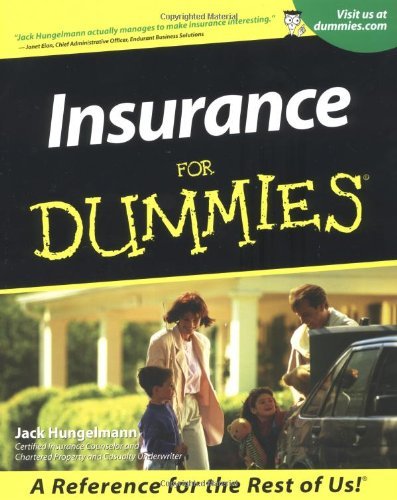
Insurance for Dummies: Hungelmann, Jack
<strong>Manage life, health, and disability risks</strong> ― explore individual and group policies, understand Medicare basics, and evaluate long-term disability and long-term-care insurance ...
Check Price on AmazonMost Nebraska homeowners buy an HO-3 policy (the common, broad coverage form). Here’s what it typically includes, plus what the jargon means:
- Dwelling coverage (Coverage A): Pays to repair or rebuild the structure of your home after a covered loss. Aim for replacement cost value (what it costs to rebuild today), not market value. Insurers use a replacement cost estimate tool based on your home’s square footage, age, materials, and features.
- Other structures (Coverage B): Covers things not attached to the house, like a detached garage, fence, or shed. Typically 10% of Coverage A by default.
- Personal property (Coverage C): Covers your belongings—furniture, clothing, electronics. Ask for replacement cost coverage (RCV), which pays to replace items new, instead of actual cash value (ACV), which deducts for depreciation (wear and tear). Sublimits (smaller caps within your policy) often apply to jewelry, firearms, and collectibles.
- Loss of use (Coverage D): Also called additional living expenses. Pays for temporary housing and extra costs if you can’t live in your home after a covered loss.
- Personal liability (Coverage E): Covers you if you’re legally responsible for injuries or property damage to others—think a visitor slipping on your icy steps. Many homeowners choose $300,000–$500,000 in liability; umbrella insurance (extra liability protection in $1M increments) can extend this.
- Medical payments (Coverage F): Small no-fault coverage for minor injuries to guests in your home.
- Deductible: The amount you pay out of pocket before insurance pays. In Nebraska, it’s common to see a separate wind/hail deductible. This can be a flat amount (like $2,500) or a percentage (1%–2% of your Coverage A limit). Percentage deductibles can be thousands of dollars—know which type you’re accepting.
What’s not automatically covered:
- Flood: Rising water from rivers or heavy rain isn’t covered by standard home insurance. You can buy flood insurance through the National Flood Insurance Program (NFIP) or private flood insurers.
- Earthquake: Not common in Nebraska but can be added via endorsement (an add-on) with some carriers.
- Sewer or sump pump backup: Often excluded unless you add a water backup endorsement—highly recommended in areas with heavy spring rains.
Want a refresher on what each section covers? See our explainer: What Does Home Insurance Cover?
Average home insurance costs in Nebraska by home value and location
Rates vary—by a lot. Recent market data shows Nebraska premiums typically run higher than the national average due to hail and severe wind. Your price depends on your home’s rebuild cost, roof age and material, your claims history, credit-based insurance score (used by many insurers in Nebraska), and your location.
Here are ballpark annual ranges we commonly see for well-maintained, site-built homes with a $1,000–$2,500 deductible and $300,000–$500,000 liability. These are examples, not quotes:
- $200,000–$250,000 replacement cost: roughly $1,500–$3,000 per year in many Nebraska ZIP codes
- $300,000–$350,000 replacement cost: roughly $2,000–$4,000 per year; higher where hail claims are more frequent
- $450,000–$550,000 replacement cost: roughly $3,000–$6,500 per year; high-value roofs and custom finishes can push higher
Location matters:
- Omaha and Lincoln: Competitive markets with many carriers, but roof age is a big driver. A 15-year-old 3-tab shingle roof can lift your rate compared to a newer impact-resistant roof.
- Central and eastern Nebraska (Grand Island, Kearney, Norfolk): In the heart of hail and tornado activity, expect higher wind/hail deductibles and pricing sensitive to roof condition.
- Western and Panhandle areas (Scottsbluff, Alliance): Typically fewer carriers and more wildfire/brush exposure in dry years; distance to fire protection can influence rates.
- River-adjacent communities (along the Missouri and Platte): Standard home insurance excludes flood; adding separate flood insurance increases total annual protection costs.
Two real-world style examples to set expectations (illustrative only—your rate will vary):
- Omaha, 2,000 sq. ft. home built 2005, architectural shingles replaced in 2019, $300,000 dwelling, $2,000 wind/hail deductible: many quotes land in the $2,000–$3,200 range.
- Grand Island, 1,700 sq. ft. home built 1998, original roof, $250,000 dwelling, 1% wind/hail deductible: it’s common to see $2,400–$3,800, with some carriers declining until the roof is updated.
Nebraska-specific risks: natural disasters, weather, and regional factors
Nebraska sits squarely in “Hail Alley.” Severe convective storms—hail, straight-line winds, and tornadoes—drive most claims. Winter brings blizzards and ice dams (ice buildup along roof edges that forces water under shingles), and spring runoff can trigger river and overland flooding.
What this means for your policy:
- Wind/hail deductibles: Many carriers require a separate wind/hail deductible, often higher than your all-other-perils deductible. Ask if it’s a flat amount or a percentage of Coverage A.
- Roof coverage terms: Some policies apply actual cash value (ACV) to older roofs for wind/hail—meaning depreciation is deducted from your claim payout. Replacement cost value (RCV) roof coverage typically costs more but can save thousands after a hailstorm.
- Impact-resistant shingles: Class 3 or Class 4 shingles can reduce hail damage and may earn you a discount. Ask your insurer what documentation they require (invoice, photos, UL classification).
- Water backup and sump overflow: Spring storms can overwhelm systems; adding this endorsement can cover damage from water that backs up through sewers, drains, or sump pumps.
- Ordinance or law coverage: Pays for code upgrades during repairs—useful for older homes. Standard policies may include 10%; consider raising to 25% or 50% for bigger safety nets.
- Wildfire/brush exposure (western counties): Clear defensible space, maintain roofs and gutters, and verify your insurer’s brush and distance-to-fire-station requirements.
Flood risk reminder: Flood is a separate policy. Even outside high-risk FEMA zones, snowmelt or stalled thunderstorms can flood basements. NFIP policies have a 30-day waiting period in most cases unless required by a loan—plan ahead.
How to compare home insurance quotes in Nebraska
When you compare home insurance in Nebraska, match coverage apples-to-apples. Here’s a practical checklist to use with every quote.
Coverage and limits
- Dwelling limit: Is it set to true replacement cost? Share accurate details (roof age, finishes, square footage) so the estimator isn’t off.
- Personal property: Is it replacement cost or ACV? Replacement cost usually adds modest premium but pays much better after a loss.
- Liability: $300,000 is a common starting point; consider $500,000 if you have significant assets. Ask about umbrella pricing.
- Loss of use: Aim for at least 12 months of additional living expense coverage; more is better if rebuilds take longer in your area.
Nebraska-specific fine print
- Wind/hail deductible: Flat or percentage? 1% of a $350,000 home is $3,500 out of pocket per claim. Choose a number you can truly afford.
- Roof settlement: RCV or ACV for wind/hail? Is there a roof age schedule that reduces payout as the roof ages? Get this in writing.
- Matching siding/roof: If only part of your roof or siding is damaged, will the insurer pay to match materials? Some policies are better than others—ask how your policy handles “matching.”
- Water backup: How much coverage is available (e.g., $10,000, $25,000)? Does it include sump pump overflow?
- Ordinance or law: What percentage is included, and can you increase it?
Add-ons Nebraskans often consider
- Equipment breakdown: Covers mechanical/electrical failures of systems like HVAC and appliances.
- Service line coverage: Pays to repair underground lines (water, sewer, electric) from the street to your home.
- Scheduled property: Extra coverage for jewelry, firearms, or collectibles beyond standard sublimits.
- Identity theft or cyber: Modest add-on for assistance if your identity is compromised.
Price levers
- Deductible choice: Raising your all-perils deductible from $1,000 to $2,500 can lower premiums, but make sure you have the cash set aside.
- Roof upgrades: Class 4 impact-resistant shingles can lower your premium with many carriers.
- Claims history: Staying claim-free typically earns a discount. Small cosmetic hail dings that don’t affect function may be cheaper to pay out of pocket—ask your agent how a claim could affect your rate before filing.
How to get accurate quotes
- Provide specifics: Year roof was replaced, shingle type, square footage, updates to plumbing/electrical/HVAC, and presence of a sump pump or french drain system.
- Share photos: Some insurers offer faster, more accurate underwriting when you upload exterior photos and roof documentation.
- Compare 3–5 carriers: The fastest way to see what you would actually pay is to compare quotes from 3–5 carriers side by side.
Call to action: Want personalized numbers? Use our quick quote intake to compare multiple Nebraska carriers in minutes—no pushy sales, just clear options.
Best companies for Nebraska homeowners: what to look for
Rather than chasing a logo, focus on fit. The “best” company for you is the one that:
- Prices roof risk fairly: Reasonable wind/hail deductibles and RCV on roofs when possible.
- Offers strong hail-friendly discounts: Credits for impact-resistant shingles or FORTIFIED Roof standards.
- Has local contractor networks: Faster claim response after spring storms.
- Provides flexible endorsements: Water backup, ordinance or law, and service line at meaningful limits.
- Is financially stable and responsive: Look for solid financial strength ratings and good claims satisfaction in the region.
Discounts and bundling opportunities for Nebraska homeowners
Common discounts you can ask about:
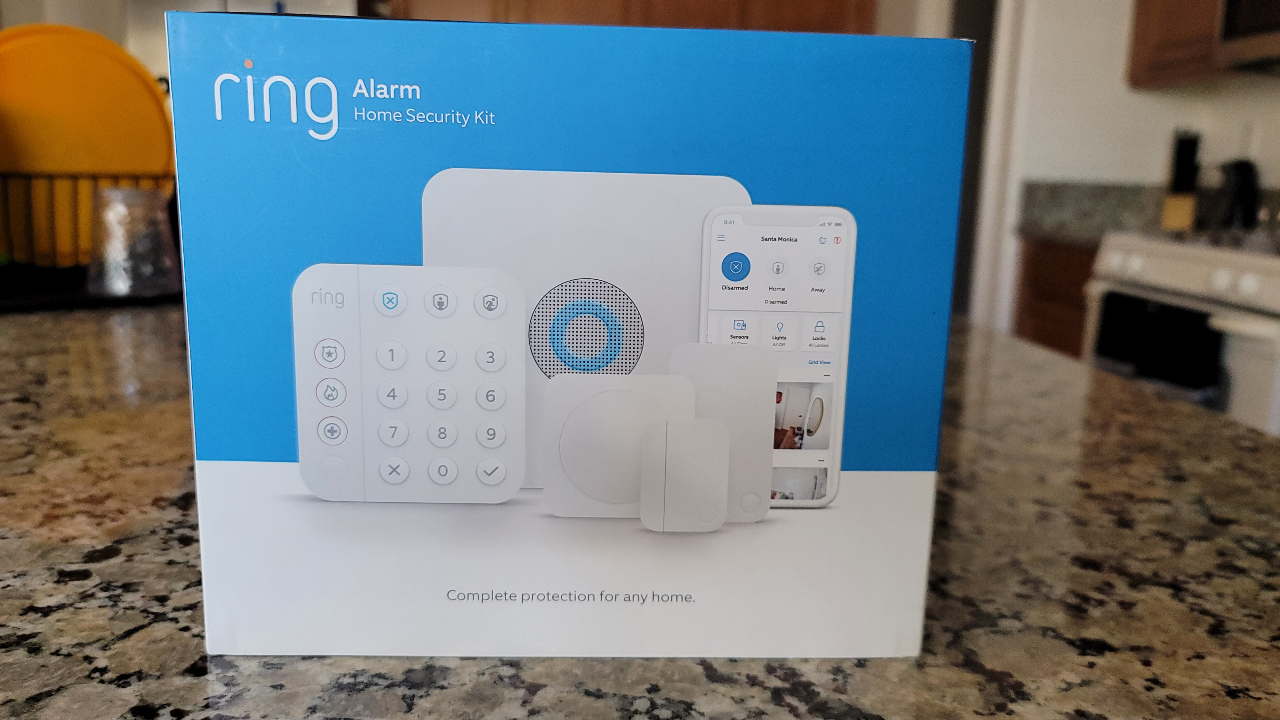
Ring Alarm 8-piece kit (2nd Gen) – home security system
View on Amazon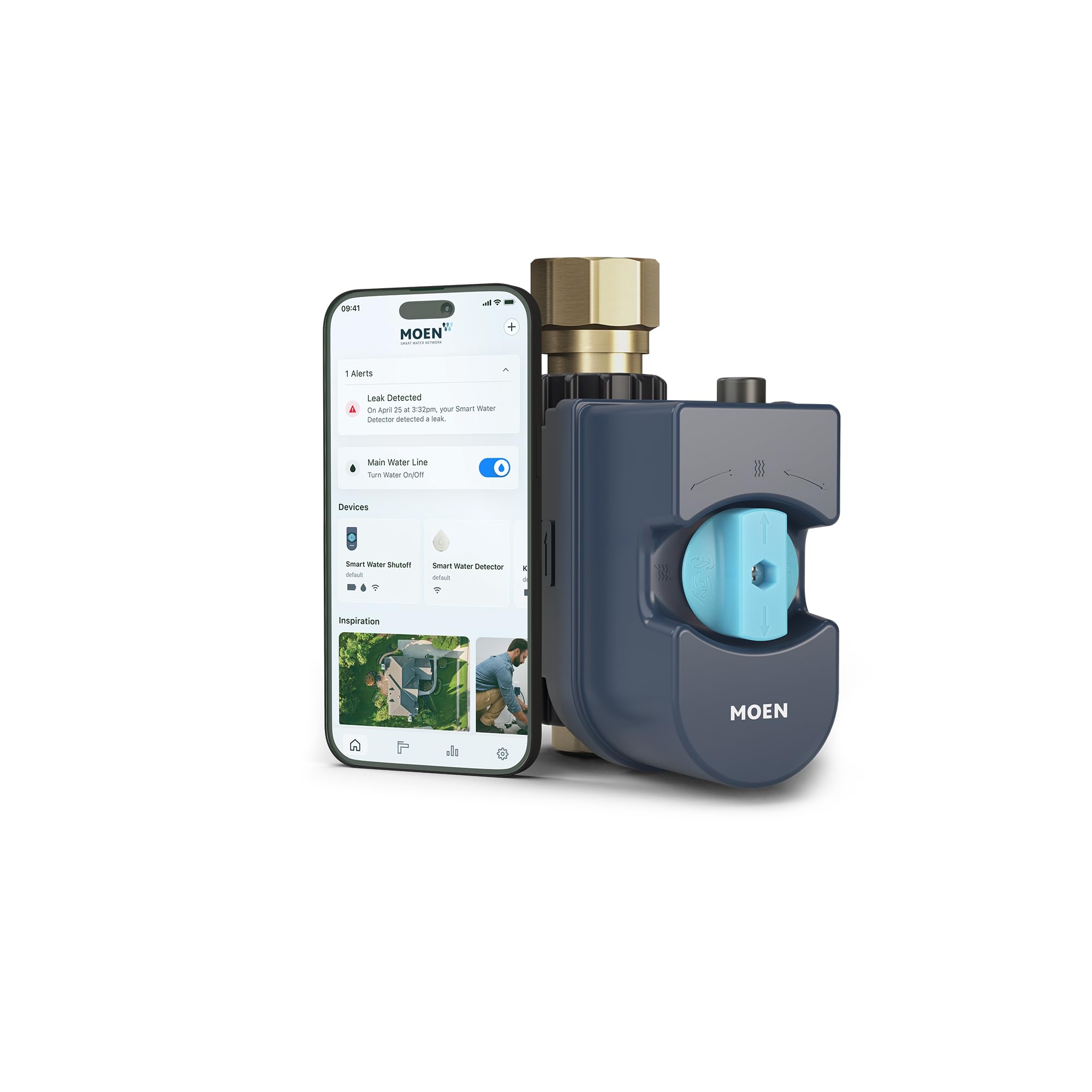
Moen Flo Smart Water Monitor and Automatic Shutoff Sensor, Wi-Fi Water Leak Detector for 3/4-Inch Diameter Pipe, 900-001 - Tub And Shower Faucets - Amazon.com
View on Amazon- Multi-policy (home + auto): Often 10%–25% off the home premium depending on the carrier. If you’re exploring auto options too, see our guide to rates and requirements: Auto Insurance in Nebraska: Rates, Requirements & How to Save
- Impact-resistant roof: Savings can be meaningful when you install Class 3 or Class 4 shingles—ask how your carrier verifies the upgrade.
- New roof or roof age: Many insurers tier rates by roof age; a newer roof almost always helps.
- Protective devices: Monitored alarm systems, smoke detectors, smart water shutoff valves.
- New home or renovated systems: Discounts for newer construction or recent updates to roof, plumbing, electrical, or HVAC.
- Claim-free and loyalty: Pricing often improves after multiple years without claims.
- Pay-in-full, paperless, and auto-pay: Small but easy savings that add up.
Pro tip: If your quote seems surprisingly low, look for trade-offs like an ACV roof endorsement, a 2% wind/hail deductible, or reduced water backup coverage. Cheaper isn’t better if the policy won’t perform when Nebraska weather gets rowdy.
Filing a home insurance claim in Nebraska
Storm just hit? Here’s a calm, step-by-step path.
- Ensure safety and prevent further damage
- Turn off utilities if needed. Cover openings with tarps or boards to prevent more water intrusion. Keep receipts—your policy typically reimburses reasonable temporary repairs.
- Document everything
- Take clear photos and videos of damage before cleanup. List damaged items with approximate ages and values.
- Contact your insurer promptly
- Most policies require prompt notice—typically within days. Ask about your deductible(s), whether an inspection is needed, and how to proceed with emergency repairs.
- Meet the adjuster
- Walk the adjuster through all damage, including hidden areas like attic insulation after hail or ice dams.
- Review your estimate
- If you carry replacement cost on your dwelling, you’ll often see two payments: an initial ACV payment (depreciation deducted), then recoverable depreciation after you complete repairs and submit invoices.
- Choose reputable contractors
- Get multiple bids. Be cautious with door-to-door storm chasers. Avoid signing an “assignment of benefits” that hands over your policy rights without understanding the implications. Verify contractors are licensed and insured.
- Ask about local backlog
- After widespread Nebraska storms, roofing crews book up quickly. Your additional living expense coverage can help if the home is uninhabitable—keep receipts and coordinate with your adjuster.
If something doesn’t seem right—like a large match/mismatch issue on siding or roofing materials—escalate politely, ask for the relevant policy language, and consider a licensed public adjuster or attorney if needed. Always check fees and credentials first.
FAQ: common questions about Nebraska homeowners insurance
- Is home insurance required in Nebraska? Not by state law. Lenders typically require it if you have a mortgage. It’s still a smart purchase for paid-off homes.
- Does home insurance cover tornadoes and hail? Yes, wind and hail are typically covered perils (covered causes of loss), subject to your wind/hail deductible and roof coverage terms. Flood from storm surge or rising rivers is not covered without separate flood insurance.
- What’s a wind/hail deductible? It’s a specific deductible for wind and hail damage—often higher than your standard deductible. It can be a flat dollar amount or a percentage of your dwelling coverage. Ask which you have.
- Do I need flood insurance in Nebraska? If you live near the Missouri or Platte Rivers or a flood-prone area, strongly consider it. Lenders may require flood insurance if your property is in a high-risk FEMA flood zone.
- Why did my rate go up even without a claim? In Nebraska, severe weather losses and rising construction costs impact premiums statewide. Individual factors like roof age and credit-based insurance scores also affect pricing.
- How can I lower my Nebraska home insurance premium? Increase your deductible to a level you can afford, install a monitored alarm or smart water shutoff, upgrade to impact-resistant shingles, bundle with auto, and keep a claim-free record when possible.
- Does my policy cover my home business or farm outbuildings? Most policies provide limited coverage for business property at home. Farms, acreages, or hobby livestock may need endorsements or a farm/ranch policy—talk to a licensed agent.
- Are short-term rentals (Airbnb/VRBO) covered? Standard policies often limit or exclude short-term rental activity. Ask about a home-sharing endorsement or a landlord policy if you rent your home.
Your next smart step
The fastest way to see what you would actually pay for home insurance in Nebraska is to compare quotes from 3–5 carriers with the same coverage settings. We can help you do that in minutes. Share a few details about your home, and we’ll bring back side-by-side options—with a human ready to walk through the trade-offs.
If your situation is complex (older roof, acreage, prior claims), it’s worth talking with a licensed Nebraska agent for tailored advice. A quick conversation can save you from choosing a policy that looks cheap but cuts corners where it hurts most.
Ready to compare? Start your personalized quote now and see how your roof, deductibles, and add-ons change the price in real time.
Recommended Resources
Insurance for Dummies: Hungelmann, Jack
<strong>Manage life, health, and disability risks</strong> ― explore individual and group policies, understand Medicare basics, and evaluate long-term disability and long-term-care insurance ...
Moen Flo Smart Water Monitor and Automatic Shutoff Sensor, Wi-Fi Water Leak Detector for 3/4-Inch Diameter Pipe, 900-001 - Tub And Shower Faucets - Amazon.com
Moen Flo Smart Water Monitor and Automatic Shutoff Sensor, <strong>Wi-Fi Water Leak Detector for 3/4-Inch Diameter Pipe</strong>, 900-001 - Tub And Shower Faucets - Amazon.com
Ring Alarm 8-piece kit (2nd Gen) – home security system
<strong>24/7 Professional Monitoring</strong> If a break-in or emergency is detected, we’ll request emergency response.² <strong>24/7 Professional Monitoring</strong> · If a break-in or emergency is d
Related Articles
- Auto Insurance in Nebraska: Rates, Requirements & How to Save
- Home Insurance in Wyoming: Coverage, Costs & Best Companies
- Home Insurance in Illinois: Coverage, Costs & Best Companies
- Renters Insurance in Nebraska: What It Covers, Costs, and How to Choose the Right Policy
- Home Insurance in New Mexico: Coverage, Costs & Best Companies
- Home Insurance in South Dakota: Coverage, Costs & Best Companies
- Home Insurance in Indiana: Coverage, Costs & Best Companies
- Home Insurance in New Hampshire: Coverage, Costs & Best Companies