
Renters Insurance in Nebraska: What It Covers, Costs, and How to Choose the Right Policy
You just signed a lease in Omaha or Lincoln and your landlord is asking for proof of renters insurance. You’re wondering: Do I really need renters insurance in Nebraska? What does it actually cover, and what should I expect to pay? Here’s the plain-English guide to help you choose the right policy without overpaying.
What renters insurance in Nebraska covers
Renters insurance is designed to protect your stuff and your liability (your financial responsibility if you accidentally cause harm). While the building itself is your landlord’s responsibility, your policy typically includes three core protections:
Personal property coverage
- What it is: Coverage for your belongings—furniture, electronics, clothes, kitchenware—if they’re damaged or stolen because of a covered peril (a cause of loss your policy lists as covered).
- Covered perils usually include: Fire and smoke, theft, vandalism, windstorms and hail, weight of ice/snow, damage from burst pipes, and certain types of accidental water discharge. Tornado-related wind damage generally falls under windstorm coverage in most policies.
- Actual cash value (ACV) vs. replacement cost (RCV): ACV pays what your items are worth today after depreciation (wear and tear). RCV pays what it costs to buy new, similar items today. Choosing the replacement cost endorsement (an add-on that changes how a loss is settled) usually costs a bit more but often pays out more fairly after a loss.
- Off-premises coverage: Your stuff is often covered away from home too—for example, if your laptop is stolen from your car—up to certain limits and after your deductible (the amount you pay out of pocket before insurance kicks in).
For more detail on what’s included and common limits, see our explainer: What Does Renters Insurance Cover? Coverage, Limits, Exclusions & Add‑Ons Explained.
Liability coverage
- What it is: Protection if you’re legally responsible for injuries to others or damage to someone else’s property.
- Typical limits: Many Nebraska renters choose $100,000 to $300,000; $300,000 or even $500,000 is common if you regularly host guests or have a dog.
- Legal defense: Your policy generally covers attorney fees and settlements/judgments up to your limit if you’re sued over a covered incident.
- Medical payments to others: A smaller no-fault benefit (often $1,000–$5,000) that can help with minor injuries to guests, regardless of fault.
Note: Some insurers exclude or limit liability for certain dog breeds or animals with a bite history. Always disclose pets when quoting.
Additional living expenses (ALE), also called “loss of use”
- What it is: Pays for extra costs if a covered loss makes your rental temporarily uninhabitable—think hotel bills, short-term rentals, extra food costs, pet boarding, and laundry.
- Example: A kitchen fire in your Lincoln apartment forces you out for three weeks. ALE can cover hotel costs and increased meal expenses up to your policy’s limit.
Why Nebraska renters often need coverage
Nebraska’s weather can be rough on buildings—and what happens to the building often affects your belongings.

Ready America 70280 72 Hour Emergency Kit, 2-Person, 3-Day Backpack, Includes First Aid Kit, Survival Blanket, Portable Preparedness Go-Bag for Camping, Car, Earthquake, Travel, Hiking, and Hunting, Red
View on Amazon- Severe wind and hail: Spring and summer thunderstorms can bring strong winds and hail statewide. If a hailstorm breaks windows or a tornado rips off part of a roof, your personal property could be damaged by wind-driven rain and debris.
- Tornadoes: Nebraska sits in a region where tornadoes are not uncommon. Renters insurance typically covers wind-related damage from tornadoes.
- Winter freeze: Prolonged cold snaps can lead to burst pipes and water damage in older buildings or poorly insulated rentals.
- Fire and smoke: Cooking fires and electrical issues are frequent claim drivers everywhere, Nebraska included.
- Theft: Urban areas like Omaha and Lincoln can see higher theft rates than rural areas, though it varies by neighborhood.
Landlords insure the structure, not your stuff. If a storm or fire damages your unit, your landlord’s policy generally won’t pay to replace your couch or cover your hotel stay—your renters insurance is what fills that gap.
How much does renters insurance cost in Nebraska?
Most Nebraska renters can expect to pay somewhere around $10–$25 per month for a standard policy, depending on your situation. For a typical setup—$25,000 in personal property coverage, $300,000 liability, and a $500 deductible—many renters in Nebraska see quotes in the $12–$20 per month range. Your actual price can be lower or higher based on your ZIP code, coverage choices, and personal rating factors.
What can make your premium higher or lower
- Location and building factors: ZIP codes with higher theft or weather-related claims, building age, construction type, and even what floor you live on can influence rates.
- Coverage limits and deductible: More coverage costs more; a higher deductible (the amount you pay out of pocket on a claim) generally lowers your premium. Many renters pick $500 or $1,000 deductibles.
- Replacement cost vs. ACV: Choosing replacement cost coverage for belongings usually raises the premium but pays more at claim time.
- Claims history: Prior claims can increase your rate and may affect your eligibility for certain discounts.
- Credit-based insurance score: In Nebraska, many insurers use a credit-based insurance score; stronger credit typically leads to better rates.
- Security and safety features: Deadbolts, monitored alarms, sprinkler systems, and smoke detectors often earn discounts.
- Pets: Certain dogs or a history of animal-related claims may impact liability pricing or eligibility.
- Bundling: Combining your renters policy with auto insurance can yield significant discounts with many carriers.
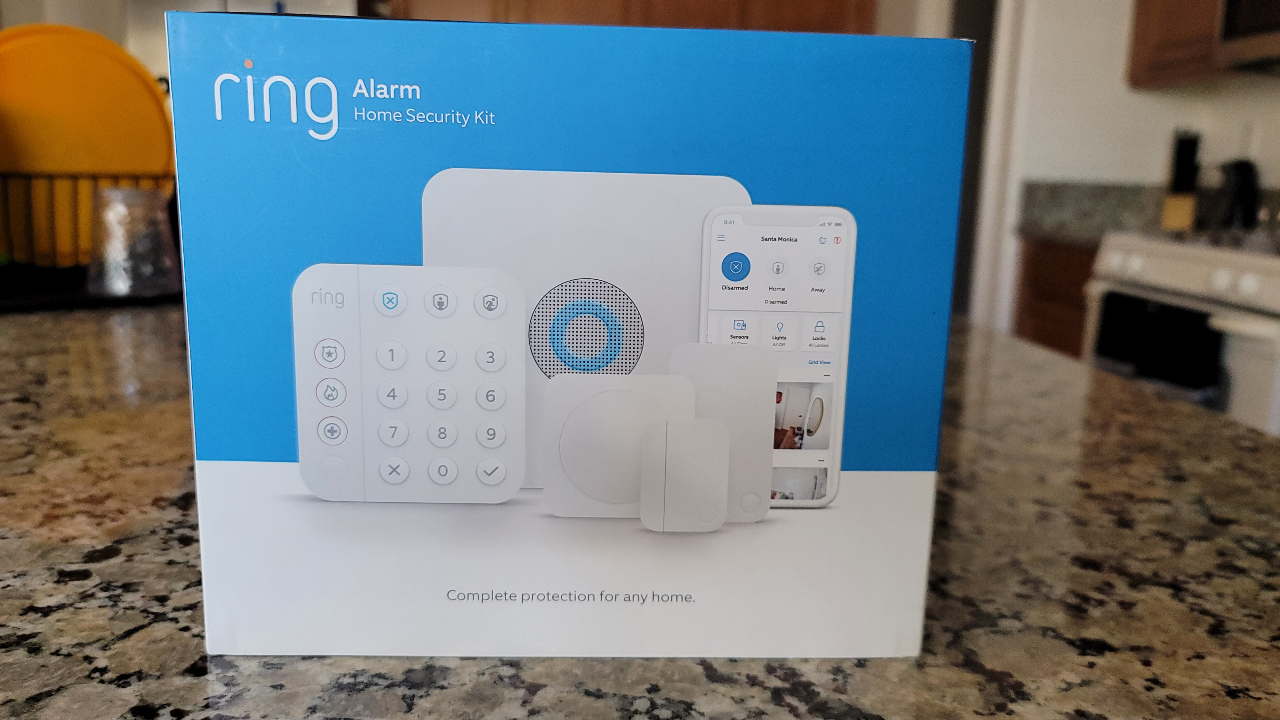
Ring Alarm 8-piece kit (2nd Gen) – home security system
<strong>24/7 Professional Monitoring</strong> If a break-in or emergency is detected, we’ll request emergency response.² <strong>24/7 Professional Monitoring</strong> · If a break-in or emergency is d
Check Price on AmazonRealistic Nebraska pricing examples (not quotes)
- Omaha apartment (midtown), second-floor unit in a secured building: $25,000 personal property, $300,000 liability, $500 deductible, replacement cost. With monitored alarm and no prior claims, you might see quotes around $13–$18/month from several mainstream carriers.
- Lincoln grad student in an older fourplex near campus: $20,000 personal property, $100,000 liability, $1,000 deductible, ACV. Without safety discounts, expect something like $12–$16/month.
- Panhandle renter in a single-family rental home: $40,000 personal property, $300,000 liability, $500 deductible, replacement cost. Exposure to wind/hail can nudge rates up; some carriers may land around $16–$24/month.
These are illustrative ranges. Actual premiums vary by insurer and your individual profile.
How to choose the right renters insurance in Nebraska
You want enough coverage to bounce back after a bad day—but not so much that you’re overpaying. Here’s a practical way to dial in your policy.
Insurance for Dummies: Hungelmann, Jack
<strong>Manage life, health, and disability risks</strong> ― explore individual and group policies, understand Medicare basics, and evaluate long-term disability and long-term-care insurance ...
Check Price on Amazon1) Estimate how much personal property coverage you need
- Do a quick inventory: Walk room-to-room and list big-ticket items—TV, laptop, couch, bed, bicycle, wardrobe, small appliances, cookware. Snap photos and videos, and save receipts if you have them.
- Ballpark benchmarks:
- Studio/one-bedroom with modest furnishings: Often $15,000–$25,000.
- Two-bedroom or a renter with higher-end electronics/furniture: Often $30,000–$50,000.
- Roommates should each carry their own policies unless your insurer allows and you both agree to share limits (not typical).
- Strongly consider replacement cost coverage: It typically pays more fairly at claim time, especially for electronics and furniture.
2) Pick a deductible that fits your savings
- Deductible = what you pay before insurance pays. Common choices are $500 or $1,000.
- If a $1,000 surprise bill would really sting, a $500 deductible may be worth a few extra dollars a month. If you rarely file claims and want to keep premiums down, $1,000 is a common choice.
3) Set a liability limit you can live with
- Many renters choose $300,000. If you host often, have a dog, or want extra cushion, consider $500,000.
- Umbrella insurance (a separate policy that adds liability protection above your renters and auto limits) can be an option for renters with higher risk exposure.
4) Understand exclusions—and add endorsements where it makes sense
Common exclusions and how to handle them:
- Flood (rising water from rivers, heavy rain runoff): Not covered by standard renters policies. If you live near the Platte, Elkhorn, or Missouri River, ask about a separate contents flood policy through the National Flood Insurance Program or a private flood insurer.
- Earth movement (earthquake, sinkhole): Usually excluded. Some carriers offer endorsements.
- Sewer or drain backup: Typically excluded unless you add a water/sewer backup endorsement. If your unit is garden-level or in an older building, this add-on can be a smart buy.
- Power surge or utility interruption: Coverage varies; electronics may be covered only if the surge is caused by a covered peril (like lightning). Check your policy.
- High-value items: Jewelry, watches, firearms, cameras, collectibles, and bicycles often have low “sublimits” (smaller maximums within your overall property limit). Schedule these items (list them specifically with appraisals/receipts) to get full coverage.
- Business property: Work laptops or tools used for income often have very limited coverage. Ask about higher business-property limits or a separate policy if you freelance or run a side business.
- Short-term rentals: Renting your place on Airbnb or similar platforms is often excluded or restricted. Your landlord may also prohibit it—check both your lease and your policy.
5) Document your belongings now
- Create a digital inventory with photos/videos and serial numbers.
- Save receipts and warranties in the cloud.
- Update your list after big purchases or life changes.
6) Claims savvy: when and how to file
- After a loss, prevent further damage (turn off water, board up a broken window if safe) and call your insurer’s claims line.
- Keep damaged items until your adjuster sees them or you’re told it’s okay to discard.
- Be mindful that frequent small claims can affect your future rates and eligibility. In some cases, paying out of pocket for a small loss may make sense; always weigh the numbers and your deductible.
How to compare renters insurance quotes in Nebraska
The fastest way to see what you would actually pay is to compare quotes from 3–5 carriers. Get apples-to-apples quotes with the same:
- Personal property limit and deductible
- Liability limit (at least $300,000 is common)
- Replacement cost vs. ACV for belongings
- Endorsements you care about (water backup, scheduled jewelry/bike, higher electronics limits)
What to look for beyond price:
- Wind/hail coverage details and deductibles: In some states, insurers use separate wind/hail deductibles. It’s less common on renters policies, but always check.
- ALE (loss of use) limits: Is it a percentage of your property coverage or a set dollar amount? Is there a time limit?
- Dog liability rules: Any breed restrictions or prior-incident exclusions that affect you?
- Claims reputation and responsiveness after major storms: Look for carriers with strong claims reviews and solid financial strength.
- Discounts you can actually get:
- Bundle with auto
- Monitored alarm or smart sensors
- Claims-free history
- Autopay or pay-in-full
- Protective devices (smoke detectors, sprinkler systems)
Ready to price it out? Start here to compare multiple options side by side: Renters Insurance: Compare Quotes & Get the Right Coverage Today.
Nebraska-specific scenarios to make it real
- Tornado damages your complex in Sarpy County: Shattered windows and rain ruin your living room furniture and TV. Your personal property coverage helps replace your items (replacement cost pays to buy new ones), and ALE can cover your hotel while repairs are made.
- Kitchen fire in a Lincoln duplex: A grease fire spreads smoke through the unit. Your policy helps replace smoke-damaged clothing and electronics. If a guest is injured trying to help, medical payments to others can contribute toward their urgent care bill.
- Hailstorm in Grand Island breaks skylights: Rain leaks in and soaks your bedroom set and mattress. Your property coverage responds after you pay your deductible. If the landlord needs a week to repair, ALE helps with temporary housing.
- Laptop stolen from your car in downtown Omaha: Even though it was taken from your vehicle, this usually falls under your renters insurance (subject to deductible and sublimits), not your auto policy.
FAQs for Nebraska renters
- Is renters insurance required in Nebraska? The state doesn’t require it, but many landlords do. Even if it’s not required, it’s usually an affordable way to protect your stuff and budget.
- Does renters insurance cover tornado damage? In most cases, yes—wind and hail are covered perils. Your belongings damaged by wind-driven rain or debris are typically covered, and ALE can help with temporary housing if your unit becomes uninhabitable.
- What about river flooding? Standard renters policies don’t cover flood (rising water). If you live near the Platte, Elkhorn, Loup, or Missouri River—or in a low-lying area—ask about a separate contents flood policy.
- Are roommates covered? Not automatically. Policies usually cover named insureds only. Roommates should carry their own policies unless your insurer allows multiple named insureds and you both agree to share limits.
- I’m a college student—do I need my own policy? If you live in a dorm and your parents have homeowners insurance, some coverage may extend to you with limits. If you rent an off-campus apartment, you typically need your own renters policy.
- What if my landlord’s insurance already covers the building? Your landlord’s policy covers the structure and their liability, not your personal belongings or your liability. That’s where your renters insurance comes in.
Quick checklist: What to look for
- Personal property limit that matches your inventory, with replacement cost coverage
- Liability of at least $300,000 (more if you host often or have a dog)
- Water/sewer backup endorsement if you’re in a basement or older building
- Scheduled coverage for jewelry, bikes, cameras, or instruments above sublimits
- ALE limits that would actually cover your living costs for a reasonable time
- Discounts you can use now (bundling, alarms, claims-free, autopay)
A note on getting help
Insurance can be personal. If you have unique circumstances—valuable collections, a home-based business, breed-specific dog questions—talk with a licensed agent who can review your lease and tailor endorsements to your needs.
Your next step
- Take 10 minutes to make a quick photo/video inventory of your place.
- Decide on your property limit, deductible, and liability target.
- Compare quotes from at least 3–5 carriers to see your real price. Start here: Renters Insurance: Compare Quotes & Get the Right Coverage Today.
- If you bundle with auto, you can often save. If you’re reviewing your car coverage too, our guide to local requirements and savings tips can help: Auto Insurance in Nebraska: Rates, Requirements & How to Save.
Rates and coverage vary by insurer and individual profile. Always review your policy documents, and ask questions before you buy so there are no surprises at claim time.
Recommended Resources
Insurance for Dummies: Hungelmann, Jack
<strong>Manage life, health, and disability risks</strong> ― explore individual and group policies, understand Medicare basics, and evaluate long-term disability and long-term-care insurance ...
Ring Alarm 8-piece kit (2nd Gen) – home security system
<strong>24/7 Professional Monitoring</strong> If a break-in or emergency is detected, we’ll request emergency response.² <strong>24/7 Professional Monitoring</strong> · If a break-in or emergency is d
Ready America 70280 72 Hour Emergency Kit, 2-Person, 3-Day Backpack, Includes First Aid Kit, Survival Blanket, Portable Preparedness Go-Bag for Camping, Car, Earthquake, Travel, Hiking, and Hunting, Red
You need to be prepared for at least the first 72 hours after a disaster and Ready America has the solution. <strong>Ready America has developed a 2 Person, 3 Day Emergency Kit with the essentials two
Related Articles
- Renters Insurance in Nevada: What It Covers and How to Choose the Right Policy
- Renters Insurance in Illinois: What It Covers and How to Choose the Right Policy
- Understanding Renters Insurance Coverage: What It Covers, How Much You Need, and How to File a Claim
- How to Find the Right Renters Insurance: Coverage, Costs, and Buying Tips
- Home Insurance in Nebraska: Coverage, Costs & Best Companies
- Auto Insurance in Nebraska: Rates, Requirements & How to Save
- Renters Insurance in Mississippi: What It Covers, Costs, and How to Choose
- Renters Insurance in Kansas: What It Covers, Costs, and How to Choose the Right Policy