
Auto Insurance in Delaware: Rates, Requirements & How to Save
You just got a quote and the numbers seem high. Is that normal for auto insurance in Delaware? Short answer: Delaware tends to run a bit above the national average, largely because it’s a no-fault state with required Personal Injury Protection (PIP). The good news is you have a lot of control over what you pay. Here’s what actually matters when choosing coverage in Delaware, how pricing typically works, and smart ways to bring your premium down without cutting corners.
Auto insurance in Delaware: minimum requirements
Delaware is a no-fault state for medical bills, which means your own policy’s Personal Injury Protection (PIP) pays for your medical expenses regardless of who caused the crash. Here are the statewide minimums you must carry to register and drive:
- Bodily Injury Liability: $25,000 per person / $50,000 per accident. This pays for injuries you cause to others. It doesn’t cover your injuries.
- Property Damage Liability: $10,000 per accident. This pays when you damage someone else’s car or property.
- Personal Injury Protection (PIP): Typically $15,000 per person / $30,000 per accident minimum. PIP helps with your medical bills (and in many cases, lost wages and rehabilitation) after a crash, no matter who is at fault. PIP details vary by insurer and policy form—ask how medical, wage loss, and funeral benefits are handled.
Optional but important coverages most Delaware drivers add:
- Uninsured/Underinsured Motorist (UM/UIM): If you’re hit by a driver with no insurance or too little, UM/UIM can pay for your injuries and, in many cases, property damage. Delaware insurers must offer it, and you can typically reject it in writing, but it’s wise protection.
- Collision coverage: Pays to repair or replace your car after a crash, regardless of fault. You choose a deductible (the amount you pay out of pocket before insurance kicks in), often $500–$1,000.
- Comprehensive coverage: Covers non-crash damage like theft, hail, flood, or hitting a deer. You also pick a deductible.
- Higher liability limits: Many drivers choose at least 100/300/50 to better protect savings and income.
If you need a refresher on how each coverage works, see our quick explainer: Understanding Auto Insurance Coverage Types.
A note on filings after violations: After serious offenses (like a DUI) or license suspensions, the Delaware DMV may require proof of financial responsibility—often an SR‑22 filing by your insurer—to reinstate driving privileges. Not every situation requires one; your DMV or a licensed agent can confirm what you need.
Average car insurance rates in Delaware by age, vehicle, and driving record
Rates vary by driver, vehicle, and ZIP code, but here are ballpark ranges we typically see in Delaware for 12-month policies. These are not quotes—just directional examples to help you benchmark.
- 30-year-old, clean record
- Minimum coverage: about $700–$1,050 per year
- Full coverage (liability + comp/collision): about $1,800–$2,400 per year
- 50-year-old, clean record
- Minimum coverage: about $600–$900 per year
- Full coverage: about $1,500–$2,100 per year
- 18-year-old, clean record (on their own policy)
- Minimum coverage: about $1,900–$3,000 per year
- Full coverage: about $4,500–$6,800 per year
- Vehicle impact
- Older paid-off sedan with no comp/collision: can be as low as $550–$850 per year (minimum limits)
- New SUV with full coverage: often $2,000–$2,800 per year
- Performance car with full coverage: commonly $3,000–$4,000+ per year
- Record impact (30-year-old baseline)
- One speeding ticket (10–15 mph over): +$250–$400 per year on average
- At-fault accident (property damage): +$600–$1,000 per year
- DUI: premiums can increase 50%–80%+ and remain elevated for 3–5 years
- Location impact
- Wilmington or high-traffic ZIPs: often 15%–25% higher than more rural parts of Sussex or Kent Counties due to claim frequency and theft risk
Again, these are typical ranges, not guarantees. The fastest way to see what you would actually pay is to compare quotes from 3–5 carriers on the same day.
What affects Delaware auto insurance premiums
Here’s what carriers look at (and what you can influence):
- Where you park and drive. City driving (more congestion, higher theft and crash frequency) usually costs more than rural commuting. Daily mileage matters too—long commutes typically add premium.
- Your coverages and deductibles. Higher liability limits and full coverage provide better protection but cost more. Raising a deductible from $500 to $1,000 can trim 10%–20% on that specific coverage in many cases.
- Your driving record and claims history. Tickets, at-fault crashes, and serious violations (like DUI) increase rates for several years. Delaware also uses a point system on your license; safe-driving courses can help reduce points with the DMV.
- Credit-based insurance score. Delaware allows insurers to consider credit-based insurance scores (not the same as your lending FICO). Improving payment habits and reducing revolving balances can help over time.
- Vehicle type and safety features. Newer cars with advanced safety tech may get better injury claim outcomes, but higher repair costs can push up comprehensive and collision rates.
- PIP structure. Because Delaware requires PIP, that portion is a notable slice of your premium. You can often choose different PIP deductibles and sometimes coordinate PIP with your health insurance to reduce cost—ask your agent how coordination works and what it means for out-of-pocket costs after an accident.
- Household profile. Adding a teen or having multiple drivers with different records changes risk and price. Continuous insurance (no lapses) generally earns better pricing.
How to compare and get the cheapest auto insurance in Delaware
You don’t have to guess your way to a better rate. Here’s a simple plan that usually delivers real savings without cutting the coverage that matters.
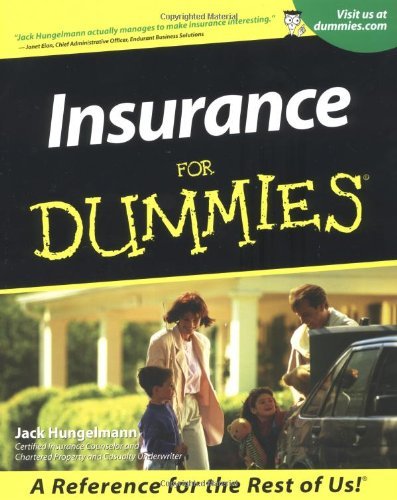
Insurance for Dummies: Hungelmann, Jack
<strong>Manage life, health, and disability risks</strong> ― explore individual and group policies, understand Medicare basics, and evaluate long-term disability and long-term-care insurance ...
Check Price on Amazon- Set a realistic coverage target
- Liability: Consider at least 100/300/50 if you have a car loan, savings, or a home to protect. Minimums (25/50/10) can be exhausted quickly in a multi-vehicle crash.
- UM/UIM: Match your liability limits if possible—especially important for medical costs if the other driver is underinsured.
- PIP: If you have a high-deductible health plan or frequently drive with family in the car, consider increasing PIP beyond the minimum. Ask how wage loss benefits are handled and what caps apply.
- Physical damage: Keep comprehensive and collision until the car is older and paid off; then reassess the value versus the premium and deductible.
- Gather the details before you shop
- Driver info: License numbers, dates of any tickets/accidents.
- Vehicle info: VINs, annual mileage, who drives which car to work or school.
- Current policy: Limits and deductibles—so you can compare apples to apples.
- Get 3–5 quotes within the same 24-hour window
- Pricing models change daily; quoting the same day gives you a clean comparison.
- Include a mix of national carriers and regionals that are active in Delaware.
- Compare beyond just the price
- Check liability limits, PIP options, UM/UIM, and deductibles line by line.
- Review repair options, OEM parts endorsements for newer cars, rental reimbursement, and accident forgiveness terms.
- Look at telematics programs (usage-based insurance): safe driving can trigger 10%–30% first-term savings in many programs, though results vary.
- Optimize for cost without sacrificing key protection
- Raise deductibles if you can comfortably cover them in an emergency fund.
- Bundle home or renters insurance for a multi-policy discount.
- Ask about pay-in-full and autopay/EFT discounts.
- For teens, consider driver monitoring, good student discounts, and listing them on the least expensive vehicle to insure.
Ready to see real numbers? Start with side-by-side quotes here: Car Insurance Quotes: Compare Rates & Get Personalized Quotes Fast.
Delaware-specific discounts and savings opportunities
- State-approved Defensive Driving Course discount. Delaware law provides a premium reduction—often around 10% for three years on certain coverages—when you complete an approved defensive driving course. Taking a refresher course before your discount expires can increase the reduction (commonly up to 15%, depending on the insurer). Many drivers also receive a 3-point credit on their DMV record. Ask your carrier which coverages qualify and how to submit your certificate.
- Good student and driver training discounts. Teen drivers with a B average or better, and those who complete additional training, typically qualify for savings.
- Telematics/usage-based programs. Safe braking, smooth acceleration, and limited late-night driving can earn sizable discounts in many Delaware programs. Always review what’s tracked and how your data is used before enrolling.
- Multi-policy and multi-car. Bundling auto with homeowners or renters and insuring multiple vehicles together typically lowers your combined premium.
- Vehicle safety and anti-theft. Factory-installed anti-theft systems, VIN etching, and tracking devices may qualify for credits.
- Seniors. If you’re 65+, pairing a mature driver course with right-sized coverage can help. See strategies in our guide: Cheap Auto Insurance for Seniors: Smart Ways to Cut Premiums Without Sacrificing Coverage.
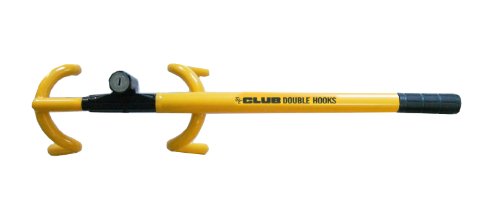
Winner International The Club 3000 Twin Hooks Steering Wheel Lock, Yellow : Automotive
View on AmazonPro tip: When you finish a defensive driving course or add a new anti-theft device, send documentation to your insurer promptly—some discounts only apply from the date they receive proof.
Filing a claim in Delaware: what to expect
After a crash, here’s how the process typically works in Delaware.
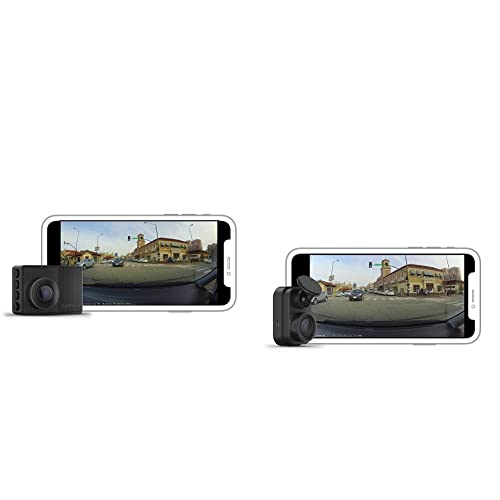
Garmin Dash Cam Mini 2, Tiny Size, 1080p and 140-degree FOV, Monitor Your Vehicle While Away w/ New Connected Features, Voice Control (Renewed) : Electronics
View on Amazon- Safety first and documentation
- Move to a safe spot, call 911 if anyone is hurt, and get a police report when appropriate. Delaware requires you to report certain crashes; when in doubt, call.
- Exchange information: names, phones, license numbers, plate numbers, insurer and policy numbers.
- Take photos of damage, the intersection, and any skid marks or debris.
- Notify your insurer promptly
- Most policies require “prompt” notice. Use your app or claims number on your ID card. Provide the other driver’s info and any witnesses.
- PIP handles your medical bills first
- Because Delaware is no-fault for medical benefits, submit treatment bills through your PIP coverage even if the other driver was at fault. Ask your adjuster how wage loss and rehab are handled and whether you need prior authorization for certain procedures.
- Vehicle damage: your policy or theirs
- If you carry collision, you can fix your car through your policy (faster in many cases) and pay your deductible; your insurer may later recover from the at-fault party and reimburse some/all of your deductible.
- If you don’t have collision and you’re not at fault, you may pursue the at-fault driver’s property damage liability, but timing depends on their carrier accepting liability.
- Follow timelines
- There are deadlines for submitting PIP medical bills and for pursuing injury or property claims in Delaware. Many claims-related rights expire if you wait too long. If injuries are involved, consider consulting a local attorney to understand your options.
- Total losses and rentals
- If your car is totaled, you’ll be offered its actual cash value (the car’s market value minus depreciation). Review any taxes, title, and transfer fees included in the settlement.
- Rental reimbursement is optional coverage; if you didn’t buy it, ask the at-fault carrier whether they’ll provide a rental once liability is accepted.
FAQ: common questions about Delaware car insurance
Is Delaware a no-fault state?
- For medical benefits, yes. Your own PIP pays your and your passengers’ medical bills regardless of fault. You can still pursue the at-fault driver for damages not covered by PIP (such as pain and suffering or excess medical), depending on the situation and policy limits.
What’s the minimum auto insurance in Delaware?
- 25/50/10 liability plus PIP (commonly $15,000 per person/$30,000 per accident). Minimums satisfy the law but often aren’t enough to protect your assets in a serious crash.
Do I need UM/UIM in Delaware?
- It’s typically optional but must be offered by insurers. We recommend carrying it—ideally at the same limits as your liability—to protect against drivers with little or no insurance.
Will I need an SR‑22 after a DUI or major violation?
- In many cases, the DMV may require an SR‑22 (proof of financial responsibility) for a set period to reinstate your license. Requirements vary by offense—confirm with the Delaware DMV or a licensed agent.
How much coverage should I carry?
- If you have a loan/lease, your lender will require full coverage. Many households choose at least 100/300/50 liability, UM/UIM to match, and PIP limits high enough to handle deductibles and co-pays on their health plan. The right level depends on your income, savings, and risk tolerance.
Do I need insurance to register my car in Delaware?
- Yes. You must maintain continuous liability insurance on any registered vehicle. Lapses can trigger fines, fees, and possible registration suspension.
Will my rates go up after a minor fender bender?
- Often yes, especially for at-fault claims. Some policies include accident forgiveness for your first minor at-fault loss—ask your insurer how it works and what counts as “minor.”
What to do next
- Compare quotes the smart way. Price out the same limits and deductibles with at least 3–5 carriers on the same day, and include a telematics option if you’re a safe driver. Start here: Car Insurance Quotes: Compare Rates & Get Personalized Quotes Fast.
- Fine-tune coverage. Don’t just chase a lower number—make sure you’re not cutting the protections that save you five figures in a bad crash. If you want a quick refresher, review Understanding Auto Insurance Coverage Types.
- Prefer to talk it through? A licensed agent can help you size PIP, UM/UIM, and liability limits for your situation. Rates and eligibility vary by driver, vehicle, and ZIP code.
Want more shopping strategies and insurer-agnostic tips? Check our consumer guide: Car Insurance: Compare Quotes & Save on Coverage Today.
Recommended Resources
Insurance for Dummies: Hungelmann, Jack
<strong>Manage life, health, and disability risks</strong> ― explore individual and group policies, understand Medicare basics, and evaluate long-term disability and long-term-care insurance ...
Garmin Dash Cam Mini 2, Tiny Size, 1080p and 140-degree FOV, Monitor Your Vehicle While Away w/ New Connected Features, Voice Control (Renewed) : Electronics
Amazon.com: Garmin Dash Cam Mini 2, <strong>Tiny Size, 1080p and 140-degree FOV, Monitor Your Vehicle While Away w/ New Connected Features, Voice Control</strong> (Renewed) : Electronics
Winner International The Club 3000 Twin Hooks Steering Wheel Lock, Yellow : Automotive
The Club'S Patented Self-Locking Feature Locks With One Pull. Keyless Locking, for ease of use ... The Club 3000 Twin Hooks Steering Wheel Lock is <strong>a part of The Club line of quality produ
Related Articles
- Auto Insurance in Maryland: Rates, Requirements & How to Save
- Auto Insurance in New Jersey: Rates, Requirements & How to Save
- Life Insurance in Delaware: Coverage Options, Costs, and What Residents Should Know
- Auto Insurance in California: Rates, Requirements & How to Save
- Auto Insurance in New York: Rates, Requirements & How to Save
- Auto Insurance in Pennsylvania: Rates, Requirements & How to Save
- Auto Insurance in Hawaii: Rates, Requirements & How to Save
- Auto Insurance in Rhode Island: Rates, Requirements & How to Save