
Auto Insurance in Maryland: Rates, Requirements & How to Save
You just got a quote for auto insurance in Maryland and the number seems high. Is that normal? Here’s what actually matters when you’re shopping in the Old Line State—your legal requirements, what drivers typically pay by age and record, how to compare options the smart way, and where Maryland-specific savings often hide.
Note: Rates vary by driver. Examples below are estimates to help you benchmark, not guaranteed quotes.
Maryland auto insurance requirements and minimum coverage
Maryland is a fault state, meaning the at-fault driver’s liability coverage (the part that pays others if you cause a crash) typically pays for injuries and damage. Maryland also requires Personal Injury Protection (PIP), a no-fault medical and lost-wage benefit that pays you and your passengers regardless of fault unless you’ve formally waived it.
Here’s the legal minimum you must carry to register and drive in Maryland:
- Bodily Injury Liability: $30,000 per person / $60,000 per accident (often written as 30/60). This pays others’ medical costs if you’re at fault.
- Property Damage Liability: $15,000 per accident. This pays for damage you cause to someone else’s car or property.
- Uninsured/Underinsured Motorist (UM/UIM): At least 30/60/15, matching the liability minimums. UM/UIM pays you if the at-fault driver has no insurance or not enough insurance.
- Personal Injury Protection (PIP): Minimum $2,500 unless you sign a waiver. PIP is no-fault coverage that helps with medical bills and limited lost wages after a crash.
A few Maryland nuances to know:
- Waiving PIP: You can reject PIP or choose “limited PIP” to reduce premium, but that usually reduces who is covered (for example, you and other adult household members). For most families, keeping at least the minimum PIP helps with quick medical payments after minor crashes.
- Enhanced Underinsured Motorist (EUIM): Maryland requires insurers to offer EUIM. If you add it, your UM/UIM benefits won’t be reduced by the at-fault driver’s liability limits—useful protection if you’re hit by an underinsured driver. It costs more but can be valuable in serious injury cases.
- Proof of insurance (FR-19): Maryland may ask for an FR-19 insurance certification to verify you had active coverage on a specific date (after certain citations or crashes). Your insurer can file this; it’s not the same as an SR-22 (Maryland generally doesn’t use SR-22 forms).
- Lapses are expensive: Driving uninsured can trigger significant fines, registration suspension, and MVA fees. Keeping continuous coverage is one of the easiest ways to avoid penalties and higher future premiums.
Want a refresher on how the main coverages work? See our quick explainer: Understanding Auto Insurance Coverage Types
Average car insurance rates in Maryland by age, vehicle, and driving record
Every carrier prices risk differently, but here’s what drivers in Maryland typically see for annual premiums. These are illustrative ranges for a clean record, average credit (where allowed), and common vehicles—your actual rate will vary.
- Minimum liability only: roughly $700–$1,300 per year in many parts of Maryland; urban ZIP codes (like parts of Baltimore) often trend higher.
- Full coverage (liability + comprehensive and collision): roughly $1,400–$2,400 per year for many 30–50-year-old drivers with good records; denser areas and newer, pricier cars often push costs higher.
By age (full coverage estimates with a clean record):
- 18–20: $3,000–$5,800 per year
- 25: $1,700–$2,600 per year
- 40: $1,400–$2,200 per year
- 65: $1,500–$2,300 per year
By driving record (30–40-year-old driver, same vehicle, full coverage):
- Good record: $1,400–$2,200
- One at-fault property damage accident: $1,900–$3,100
- One speeding ticket (15 mph over): $1,700–$2,700
- One DUI: $2,600–$4,500+
By vehicle type (40-year-old, good record, full coverage):
- Older compact sedan (10+ years): $1,200–$1,800
- New mid-size SUV: $1,600–$2,400
- New pickup: $1,700–$2,600
- Performance or luxury model: $2,400–$4,000+
Real-world example
- Say you’re a 35-year-old in Columbia driving a 2019 Toyota RAV4 with a clean record. You might see $1,500–$2,100 for full coverage, depending on your chosen deductibles, liability limits, and whether you enroll in a telematics program. The same driver garaging in Baltimore could pay several hundred dollars more due to higher claim frequency and theft rates in some city ZIP codes.
Factors that affect Maryland auto insurance premiums
Here’s what typically moves the needle for Maryland drivers:
- Where you garage the car: Urban areas (especially parts of Baltimore) often have higher rates due to more frequent collisions and theft. Suburban and rural counties may be lower.
- Vehicle value and repair costs: Newer or luxury models cost more to repair; parts availability matters. Cars with strong safety features or good loss histories may rate better.
- Driving record and recent claims: Even a single at-fault accident or moving violation can raise your rate for 3–5 policy terms. Accident forgiveness (if offered) may help, but it’s not universal.
- Miles driven and commute: Long daily commutes typically cost more than low-usage or pleasure-use vehicles.
- Coverage selections and deductibles: Higher liability limits cost more. Raising your comprehensive or collision deductible (the amount you pay out of pocket before insurance pays) can lower the premium.
- Credit-based insurance factors: Maryland limits how insurers can use credit information—especially at renewal—but some carriers may still consider credit in new-business pricing within state rules. If your credit has improved, shop around; some insurers weigh it less than others.
- Young drivers on the policy: Adding a teen or young adult is expensive everywhere; good student and driver training discounts can help.
- Prior insurance and lapses: Continuous coverage usually qualifies you for better pricing. Lapses can lead to Maryland MVA penalties and higher premiums.
How to compare and get the cheapest auto insurance in Maryland
You don’t need to chase every discount—focus on the handful of decisions that matter most.
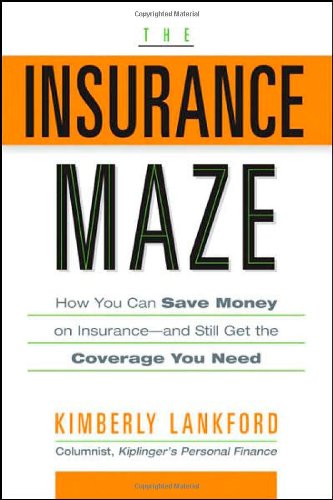
The Insurance Maze: How You Can Save Money on Insurance-and Still Get the Coverage You Need: Lankford, Kimberly
With your family's financial future ... Lankford <strong>breaks through the clutter and jargon of the industry and helps you make the most of your coverage and avoid expensive mistakes that can j
Check Price on AmazonWhat to look for in a Maryland quote
- Liability limits you’re comfortable with: Minimum 30/60/15 often isn’t enough to protect assets. Many Maryland families choose 100/300/100 or higher. Price the step-up; it’s usually cheaper than you think.
- UM/UIM and EUIM options: With many underinsured drivers on the road, consider matching your UM/UIM to your liability limits, and evaluate Enhanced UIM. It can be a small extra line item with big upside in severe claims.
- PIP you can actually use: Keeping the standard $2,500 PIP helps pay quick medical bills without fighting fault. If you waive it, understand exactly who loses coverage.
- Deductible sweet spot: Try $500 vs. $1,000 deductibles for comprehensive and collision. Each insurer’s pricing is different—sometimes $1,000 saves little, sometimes it’s meaningful.
- Rental car and roadside: If you rely on your car daily, rental reimbursement can be worth it after covered accidents. Roadside is inexpensive and helpful for commuters.
- Telematics fit: Usage-based programs track driving behavior (like braking, speeding, and nighttime driving) and typically offer a sign-up discount with potential savings at renewal. If you drive mostly in daylight and avoid hard stops, these programs can shine.
How to compare quotes efficiently
Set one coverage baseline. For example: 100/300/100 liability, $2,500 PIP, UM/UIM 100/300/100 (consider EUIM), comprehensive and collision with $500 deductibles, rental car, roadside. Use the same baseline with every carrier so you’re comparing apples to apples.
Get 3–5 quotes within the same 24–48 hours. Markets move; close-in quotes reflect similar rate filings and keep comparisons clean.
Check both big brands and regional carriers. Smaller Maryland-focused insurers sometimes price certain ZIP codes, vehicles, or driver profiles more competitively.
Ask about Maryland-specific pricing levers. Some carriers price telematics, good student, and defensive driving differently. If you have a teen, these can swing the total by hundreds per year.
Adjust deductibles strategically. Price $500 vs. $1,000. If the higher deductible saves you $150 per year and you keep a $1,000 emergency fund, it may be a good trade.
Re-shop when life changes. New address, added driver, better credit, fewer miles, or a paid-off car can all merit a new round of quotes.
Helpful next step: The fastest way to see what you would actually pay is to compare quotes from a few carriers. Start here: Car Insurance: Compare Quotes & Save on Coverage Today
Practical savings moves most Maryland drivers can use
- Bundle home or renters and auto: Multi-policy discounts are often 10–25%, depending on the carrier.
- Enroll in telematics if you’re a smooth driver: Initial discounts plus ongoing savings if your driving scores well.
- Maintain continuous coverage: Even a short lapse can raise rates and trigger MVA fines.
- Right-size coverage on older cars: If your vehicle’s value is under, say, $3,000–$5,000 and you can afford to replace it, consider dropping collision or comprehensive. Run the math first—savings vary.
- Pay in full or set up EFT: Many carriers give small breaks for paying the term up front or via automatic payments.
- Add safety features and anti-theft: VIN etching, alarms, and tracking systems can help mitigate theft risk in higher-theft ZIP codes.

Spy Tec Atlas GPS Tracker for Vehicles & Kids | Up ...
View on AmazonMaryland-specific discounts and savings opportunities
Discounts vary by insurer, but in Maryland you’ll commonly find:
- Good driver and claims-free discounts
- Multi-vehicle and multi-policy (bundling) discounts
- Telematics/usage-based program discounts
- Good student and driver training discounts for teens and young adults
- Defensive driving or mature driver course discounts (check approved courses)
- Low-mileage or commute-based discounts if you drive less than average
- Paid-in-full, auto-pay, and paperless discounts
If you’ve been denied by standard insurers, Maryland’s residual market option—Maryland Auto Insurance (formerly MAIF)—can provide required coverage. Premiums are typically higher, but it keeps you legal while you work back toward standard-market eligibility.
Filing a claim in Maryland: what to expect
After an accident, here’s the usual playbook in Maryland:
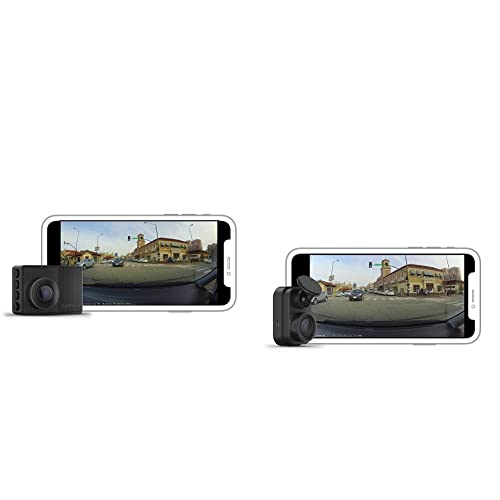
Garmin Dash Cam Mini 2, Tiny Size, 1080p and 140-degree FOV, Monitor Your Vehicle While Away w/ New Connected Features, Voice Control (Renewed) : Electronics
View on AmazonSafety first and documentation. Make sure everyone is safe, call police if needed, and gather photos, witness info, and the other driver’s details. If medical care is needed, seek it promptly.
Notify your insurer quickly. Even if you think the other driver is at fault, opening a claim preserves your rights and timelines. Mention any injuries right away so PIP can help with early medical bills.
PIP can pay early bills regardless of fault. Your Personal Injury Protection (typically $2,500 unless waived) can help with immediate medical costs and limited lost wages. Keep receipts and submit promptly.
Fault investigation. Adjusters review reports, statements, and damage patterns. Maryland follows contributory negligence—if you’re found even slightly at fault, you may be barred from recovering from the other driver in a liability claim. This can complicate settlements; your UM/UIM or collision coverage may be your fallback.
Repairs and estimates. You can use any shop you choose. Ask your insurer about direct-repair networks (often faster) and whether OEM parts are covered for newer cars.
Deductibles. If you use your collision coverage, you’ll pay your collision deductible up front. If your insurer later recovers from the at-fault party, you may get reimbursed some or all of it.
Rental car coverage. If you added rental reimbursement, you’ll typically have a daily/$ cap. If the other driver is clearly at fault and their insurer accepts liability, they may arrange a rental—timelines vary.
Deadlines: Claim and lawsuit timelines depend on policy terms and state law. Report promptly, keep notes, and ask your adjuster to confirm any time limits in writing. For injury disputes or complex liability issues, consider consulting a licensed attorney.
FAQ: common questions about Maryland car insurance
Is Maryland a no-fault state? Not exactly. Maryland is a fault state for liability, but it requires PIP (a no-fault medical benefit) unless you waive it. Your PIP can pay early medical bills regardless of who caused the crash.
What is the minimum car insurance in Maryland? At least 30/60/15 for liability, matching UM/UIM, and $2,500 PIP unless waived. Many drivers choose higher limits for better protection.
How much is car insurance in Maryland? For many drivers with clean records, minimum coverage can run about $700–$1,300 per year, and full coverage about $1,400–$2,400. Urban areas and younger drivers typically pay more. Your price will vary.
Does Maryland use SR-22 filings? Generally, no. Maryland typically uses FR-19 insurance certification upon request to verify coverage on a specific date.
Can insurers use credit to set my rate? Maryland restricts how credit information can be used—especially at renewal—but some carriers may consider it for new policies within state rules. Shopping around helps if your credit has improved.
Should I waive PIP? You can, but most families keep at least the $2,500 PIP because it pays quickly without a fault fight. If you waive it, understand who loses coverage.
What is EUIM and do I need it? Enhanced Underinsured Motorist coverage prevents your UM/UIM benefits from being reduced by the at-fault driver’s limits. It’s optional and costs more, but it can be valuable protection in serious crashes with underinsured drivers.
What happens if my insurance lapses? You risk MVA fines, registration suspension, and higher premiums later. If you’ve had a lapse, get covered immediately and talk to an agent about minimizing penalties going forward.
Do I need comprehensive and collision on my older car? If you can afford to replace the vehicle out of pocket, dropping one or both can save money. Compare the annual savings to your chosen deductible and the car’s value.
A quick checklist before you quote
- Driver details: License numbers, dates of any tickets/accidents, driver training certificates
- Vehicle info: VINs, mileage, safety/anti-theft features, loan/lease details
- Current policy: Declarations page with your exact limits and deductibles (for apples-to-apples comparisons)
- Coverage preferences: Target liability limits, PIP choice, UM/UIM, deductibles, rental/roadside
Pro tip: Quote the same package with each carrier, then tweak one lever (like deductibles) and re-quote to see which company treats that change most favorably.
If you want a guided, side-by-side comparison, it’s smart to get multiple personalized quotes in one place: Car Insurance: Compare Quotes & Save on Coverage Today
A quick note on advice: Insurance is personal. For complex situations—young drivers, ride-share use, valuable assets—consider speaking with a licensed Maryland agent who can tailor coverage to your exact needs.
Ready for your next step? Compare 3–5 quotes, price higher liability limits and UM/UIM (consider EUIM), and keep PIP unless you’re sure a waiver makes sense. That’s how Maryland drivers typically save without cutting the coverage that actually protects them.
Recommended Resources
The Insurance Maze: How You Can Save Money on Insurance-and Still Get the Coverage You Need: Lankford, Kimberly
With your family's financial future ... Lankford <strong>breaks through the clutter and jargon of the industry and helps you make the most of your coverage and avoid expensive mistakes that can j
Garmin Dash Cam Mini 2, Tiny Size, 1080p and 140-degree FOV, Monitor Your Vehicle While Away w/ New Connected Features, Voice Control (Renewed) : Electronics
Amazon.com: Garmin Dash Cam Mini 2, <strong>Tiny Size, 1080p and 140-degree FOV, Monitor Your Vehicle While Away w/ New Connected Features, Voice Control</strong> (Renewed) : Electronics
Spy Tec Atlas GPS Tracker for Vehicles & Kids | Up ...
Our trackers are usable all over the United States and, thanks to 4G LTE, can also be used anywhere in the world.
Related Articles
- Home Insurance in Maryland: Coverage, Costs & Best Companies
- Auto Insurance in Washington: Rates, Requirements & How to Save
- Auto Insurance in Delaware: Rates, Requirements & How to Save
- Auto Insurance in California: Rates, Requirements & How to Save
- Auto Insurance in Arizona: Rates, Requirements & How to Save
- Auto Insurance in Michigan: Rates, Requirements & How to Save
- Auto Insurance in Hawaii: Rates, Requirements & How to Save
- Auto Insurance in Arkansas: Rates, Requirements & How to Save