
Auto Insurance in Pennsylvania: Rates, Requirements & How to Save
You’re shopping for auto insurance in Pennsylvania and want straight answers: What do you have to buy, what do people actually pay, and how do you keep costs down without leaving yourself exposed? Here’s what actually matters when choosing coverage in the Keystone State, plus the smartest ways to compare quotes.
Pennsylvania auto insurance requirements and minimum coverage
Pennsylvania is a “choice no-fault” state, which changes how medical bills are handled after a crash and gives you a key decision to make upfront: limited tort vs. full tort. Let’s break down the basics.
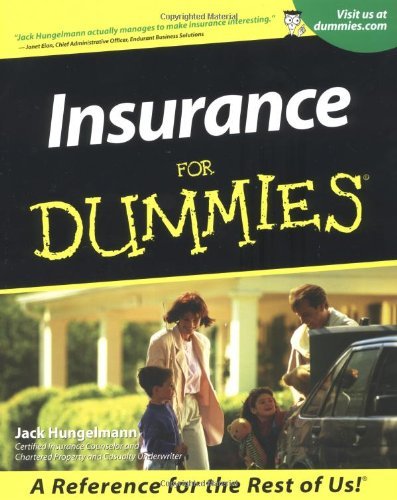
Insurance for Dummies: Hungelmann, Jack
<strong>Manage life, health, and disability risks</strong> ― explore individual and group policies, understand Medicare basics, and evaluate long-term disability and long-term-care insurance ...
Check Price on AmazonThe legal minimums in Pennsylvania
Most drivers must carry at least:
- Bodily injury liability: $15,000 per person / $30,000 per accident (often written as 15/30). This pays for injuries you cause to others.
- Property damage liability: $5,000 per accident. This pays for damage you cause to other people’s property (like a car or fence).
- Medical benefits (personal injury protection, or PIP): $5,000 minimum. This pays for your own medical bills (and your passengers’) regardless of who caused the crash.
Those are the floor, not the goal. Minimum limits can be exhausted quickly in a serious crash. Many Pennsylvania drivers choose higher liability limits—commonly $100,000/$300,000 for bodily injury and $100,000 for property damage—to protect savings and future wages.
Limited tort vs. full tort (your right to sue)
Pennsylvania gives you a choice:
- Limited tort: Typically costs less, but you generally give up the right to sue for “pain and suffering” unless injuries meet a serious injury threshold (think significant disfigurement or permanent impairment). You can still recover economic losses like medical bills and lost wages.
- Full tort: Costs more, but preserves your right to sue for pain and suffering even for less severe injuries. Many households choose full tort for broader legal rights.
Insurers in Pennsylvania often show a noticeable premium difference between these options. Limited tort can reduce premiums—often in the 10–20% range—but it’s a trade-off in legal rights. If you routinely drive in higher-risk traffic (for example, in Philadelphia), paying more for full tort can make sense.
Other coverages you’ll be offered
- Collision: Pays to repair or replace your car after a crash you cause. Comes with a deductible (the amount you pay out of pocket before insurance kicks in), commonly $500–$1,000.
- Comprehensive: Pays for non-crash damage—theft, vandalism, hail, flood, hitting a deer. Also has a deductible.
- Uninsured/underinsured motorist (UM/UIM): Helps if you’re hit by a driver with too little or no insurance. Not required in Pennsylvania, but strongly recommended. You can often choose stacked or unstacked UM/UIM; stacking can increase potential payouts (and premiums) when you insure multiple vehicles.
- Extra medical benefits: You can buy more than the $5,000 minimum PIP if you want stronger protection for medical bills. Some insurers also offer income loss, funeral, and accidental death benefits.
- Rental reimbursement and roadside assistance: Useful add-ons if your car is in the shop after a covered claim or you want tow/lockout help.
Proof of insurance is required to register a vehicle. A lapse can lead to registration suspension and fees, so keep continuous coverage.
Average car insurance rates in Pennsylvania by age, vehicle, and driving record
Rates vary by city, driving history, the car you drive, and the coverage you pick. Use the examples below as directional—not guaranteed—numbers. Actual costs vary by driver and insurer.
What many Pennsylvania drivers see with a clean record
- 40-year-old, clean record, average sedan:
- Minimum coverage: roughly $500–$900 per year
- Full coverage (liability higher limits + comp/collision): roughly $1,400–$2,400 per year
- 25-year-old, clean record:
- Minimum coverage: roughly $600–$1,100 per year
- Full coverage: roughly $1,700–$3,000 per year
- 18-year-old on a parent’s policy:
- Minimum coverage portion: often $1,600–$3,000 per year added to the family policy
- Full coverage portion: often $4,000–$7,000 per year added
Vehicle type matters
- Older sedan (say a 2014 Toyota Camry): full coverage might land around $1,100–$1,800/year for a 40-year-old with a clean record.
- New SUV (2024 model): full coverage might be $1,800–$3,200/year, thanks to higher repair costs and more advanced parts.
- Electric vehicles: can run higher due to specialized parts and labor. Some insurers offer EV-specific discounts—ask when you quote.
Location is a big driver of price
- Philadelphia and some nearby communities typically see higher premiums due to claim frequency, traffic density, and theft risk. Full coverage totals of $2,200–$3,600 per year (or more) aren’t unusual for a 40-year-old with a clean record.
- Many suburban and rural ZIP codes across Pennsylvania see meaningfully lower rates for the same driver and car.
How incidents affect cost (typical surcharges)
- At-fault accident: can add $600–$1,000+ per year for 3–5 years.
- Speeding ticket (10–15 mph over): often adds $150–$400+ per year.
- DUI: among the highest surcharges and can trigger non-standard insurer placement; expect a substantial increase for several years.
Again, these are ballpark ranges to help you plan. The fastest way to see what you would actually pay is to compare quotes from 3–5 carriers the same day.
Factors that affect Pennsylvania auto insurance premiums
Here’s what typically moves your price up or down in Pennsylvania:
- Where you live and park: City vs. rural, street parking vs. garage, local theft and crash rates.
- Tort election and PIP limit: Limited tort usually costs less than full tort; more PIP (medical benefits) costs more, but protects you better.
- Driving record and insurance history: Tickets, crashes, prior claims, and lapses matter.
- Age and household drivers: Young and inexperienced drivers cost more. Adding a teen will increase premiums; good student and driver training discounts can help.
- Vehicle type and value: Newer, pricier, and performance models cost more to repair; more advanced safety tech can help offset.
- Annual mileage and commute: Fewer miles usually means lower rates.
- Credit-based insurance score: Pennsylvania allows insurers to use credit-based insurance scores in rating, subject to state rules. Improving your overall credit habits can help over time.
- Coverage, limits, and deductibles: Higher liability limits and lower deductibles cost more; increasing deductibles can lower premiums.
- Discounts and programs: Bundling with home or renters, telematics (usage-based insurance), and multi-vehicle discounts can make a real dent.
How to compare and get the cheapest auto insurance in Pennsylvania
If you want a fair price without cutting corners, take these steps.
1) Decide on your must-have coverage
- Liability limits: Many households feel comfortable with at least 100/300/100 (that’s $100,000 per person/$300,000 per accident for bodily injury and $100,000 for property damage) to protect assets.
- Tort election: Consider whether limited tort’s lower price is worth the reduced right to sue for pain and suffering.
- PIP: The state minimum is $5,000. Medical costs add up fast; increasing this limit is often affordable peace of mind.
- Collision/Comprehensive: Worth it for newer or financed cars; pick deductibles you could comfortably pay tomorrow.
- UM/UIM: Often a must-have in practice; consider matching your liability limits.
2) Quote the same apples-to-apples coverage with 3–5 insurers
Use the same liability limits, deductibles, PIP level, and tort choice with each company. If you change one input, you no longer have a true comparison. Include at least one regional carrier with a strong Pennsylvania footprint (for example, regional mutual or local companies) alongside national brands—rates vary.
3) Turn on all reasonable discounts
- Bundle home or renters, ask about telematics (a safe-driving program that tracks braking, speed, and time of day), paperless/e-sign, pay-in-full, and multi-vehicle.
- Teens: good student, driver training, student-away-at-school (if they’re 100+ miles away without a car).
4) Calibrate deductibles and PIP intelligently
- Bumping a $500 deductible to $1,000 on collision/comp can trim costs—do the math over a year.
- Increasing medical benefits from $5,000 to $10,000 or more typically adds modest cost for a lot more coverage.
5) Review the insurer’s claims reputation and repair options
Not all savings are worth it if claims are a headache. Look for:
- Strong claims satisfaction scores and straightforward repair processes.
- Flexibility to choose your repair shop. In Pennsylvania, you have the right to choose your own repair facility; insurers can recommend but not require a specific shop.
- Good glass coverage terms (some offer $0-deductible glass), OEM parts options, and reliable rental reimbursement.
What to look for when comparing quotes
- Total annual price for the coverage you actually want
- Liability limits and whether UM/UIM match them
- Tort election (limited vs. full)
- PIP (medical benefits) limit and any income loss options
- Deductibles for collision and comprehensive
- Claims handling quality and repair shop choice
- Telematics discount potential and any surcharge risks
Call-to-action: The fastest way to see your real price is to compare at least 3–5 quotes side by side with the same coverage settings. It takes minutes and can save you hundreds per year.
Pennsylvania-specific discounts and savings opportunities
Beyond the usual bundling and multi-vehicle savings, look for these in-state opportunities:
- Limited tort discount: Often reduces your premium, but weigh the legal trade-off.
- Mature driver course (55+): Completing a PennDOT-approved course typically earns a discount for several years on certain coverages—ask your insurer for details.
- Telematics/usage-based insurance: Particularly valuable for low-mileage or cautious drivers. Many carriers in Pennsylvania offer an upfront sign-up discount plus ongoing savings based on driving behavior.
- Anti-theft and garaging: VIN etching, alarms, and secure overnight parking can help—especially in higher-theft ZIP codes.
- Good student and driver training: Especially helpful for teen drivers; your insurer will specify GPA thresholds or course requirements.
- Pay-per-mile programs: If you drive very little, explore insurers offering mileage-based pricing.
- Affinity and membership discounts: Alumni groups, professional associations, and military families (USAA is available if you have military affiliation) may see additional savings.
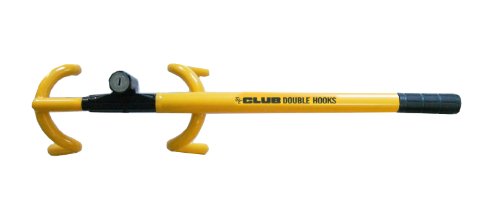
Winner International The Club 3000 Twin Hooks Steering Wheel Lock, Yellow : Automotive
View on AmazonQuick example: Say you’re a 35-year-old non-smoker in Allegheny County driving 8,000 miles a year. Turning on telematics, increasing your collision deductible from $500 to $1,000, and bundling renters insurance could easily shave 10–25% off comparable quotes—sometimes more, sometimes less depending on the insurer.
Filing a claim in Pennsylvania: what to expect
Here’s how claims typically work in a choice no-fault state like Pennsylvania.
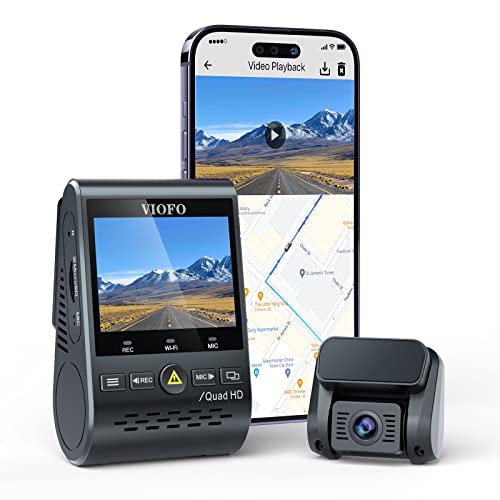
VIOFO Dual Dash Cam, 2K 1440P 60fps+1080P 30fps Front and Rear Dash Camera with Wi-Fi GPS, Parking Mode, Emergency Recording, Super Capacitor, Motion Detection (A129 Plus Duo) : Electronics
View on Amazon- Safety first and documentation
- Check for injuries, call 911 if needed, and move to safety.
- Exchange information and use your phone to photograph the scene, vehicles, plates, and insurance cards.
- File a police report when required or advisable (especially for injuries or significant damage).
- Notify your insurer promptly
- Use your insurer’s app or call. Share the facts, not guesses.
- Your PIP (medical benefits) pays for reasonable and necessary medical treatment for you and your passengers up to your limit, regardless of fault.
- Vehicle damage handling
- If you’re not at fault, you can pursue repairs through the at-fault driver’s property damage liability or through your own collision coverage (your insurer may seek reimbursement later, called subrogation).
- You have the right to choose your repair shop in Pennsylvania. Insurers may have preferred networks that can streamline rentals and warranties—use them if you like, but it’s your call.
- Fault and payouts
- Pennsylvania follows a modified comparative negligence rule. If you’re 50% or less at fault, you can recover from the other party, but your payout is reduced by your share of fault. If you’re more than 50% at fault, you typically can’t collect from the other driver.
- With limited tort, your ability to collect for pain and suffering is restricted unless your injuries are considered “serious.” With full tort, you keep broader rights.
- Timing and total loss
- Claims timelines vary. Provide documents quickly to prevent delays.
- If repair costs approach or exceed the car’s actual cash value, your insurer may declare a total loss and pay the car’s market value (minus your deductible if using your own coverage).
Tip: Keep a simple “claim kit” in your glove box—registration, insurance ID, a notepad, and a checklist of photos to take. It makes a stressful day a little easier.
FAQ: common questions about Pennsylvania car insurance
Is Pennsylvania no-fault? Pennsylvania is a choice no-fault state. Your PIP pays your medical bills first, and you choose limited or full tort for your right to sue for pain and suffering.
What’s the minimum car insurance in Pennsylvania? At least 15/30 bodily injury liability, $5,000 property damage liability, and $5,000 medical benefits (PIP). Many drivers choose higher limits for better protection.
Limited tort vs. full tort—how do I choose? Limited tort usually costs less but restricts lawsuits for pain and suffering unless injuries are severe. Full tort costs more but preserves that right even for less severe injuries. If you regularly drive in high-traffic areas or want full legal rights, full tort is worth a close look.
Do I need UM/UIM? Not required, but strongly recommended. It helps if you’re hit by a driver with too little or no insurance. You may also be able to choose stacked UM/UIM across multiple vehicles for higher potential payouts (and higher premiums).
Does Pennsylvania use SR-22 filings? Pennsylvania generally does not require SR-22 certificates for in-state drivers. If another state has you on an SR-22, you may still need to maintain it—ask a licensed agent.
Will credit affect my rate? Many insurers in Pennsylvania use a credit-based insurance score. It’s one factor among many and can’t be the sole reason to deny or cancel coverage.
How much coverage should I buy? A common setup is 100/300/100 for liability, UM/UIM that matches your liability, PIP above $5,000, and collision/comp with deductibles you can afford. Adjust based on your assets, risk tolerance, and driving patterns.
New car—do I have a grace period? Many policies include a short automatic coverage window (often 14–30 days), but rules vary widely. Tell your insurer before you drive the new vehicle home whenever possible.
How long do tickets and accidents affect my rate? Typically 3–5 years, depending on severity and your insurer’s rating plan.
Can I choose my own repair shop? Yes. In Pennsylvania you can select your repair facility; insurers can recommend, not require.
A quick note on personalized advice
This guide covers the big rules and common scenarios, but your situation is unique. A licensed Pennsylvania agent can help you weigh limited vs. full tort, set smart liability limits, and pick the right PIP level for your household. Never hesitate to ask for a side-by-side comparison before you buy.
Your next step
- Get 3–5 quotes with the same coverage settings (limits, deductibles, tort option, and PIP level). This is the fastest way to see what you would actually pay.
- Ask each insurer to apply every discount you qualify for—bundle, telematics, pay-in-full, good student, anti-theft, and mature driver course.
Call-to-action: Ready to see real numbers? Gather your driver’s license, VIN, and current declarations page, then compare quotes from a handful of carriers today. Ten minutes now can save you for the next 6–12 months and beyond.
Recommended Resources
Insurance for Dummies: Hungelmann, Jack
<strong>Manage life, health, and disability risks</strong> ― explore individual and group policies, understand Medicare basics, and evaluate long-term disability and long-term-care insurance ...
VIOFO Dual Dash Cam, 2K 1440P 60fps+1080P 30fps Front and Rear Dash Camera with Wi-Fi GPS, Parking Mode, Emergency Recording, Super Capacitor, Motion Detection (A129 Plus Duo) : Electronics
Buy VIOFO Dual Dash Cam, 2K 1440P 60fps+1080P 30fps Front and Rear Dash Camera with <strong>Wi-Fi GPS, Parking Mode</strong>, Emergency Recording, Super Capacitor, Motion Detection (A129 Plus Duo): On
Winner International The Club 3000 Twin Hooks Steering Wheel Lock, Yellow : Automotive
The Club'S Patented Self-Locking Feature Locks With One Pull. Keyless Locking, for ease of use ... The Club 3000 Twin Hooks Steering Wheel Lock is <strong>a part of The Club line of quality produ
Related Articles
- Home Insurance in Pennsylvania: Coverage, Costs & Best Companies
- Auto Insurance in Indiana: Rates, Requirements & How to Save
- Auto Insurance in New Jersey: Rates, Requirements & How to Save
- Auto Insurance in South Carolina: Rates, Requirements & How to Save
- Health Insurance in Pennsylvania: Plans, Costs & How to Enroll
- Auto Insurance in Virginia: Rates, Requirements & How to Save
- Auto Insurance in North Carolina: Rates, Requirements & How to Save
- Auto Insurance in Illinois: Rates, Requirements & How to Save