
Auto Insurance in New Jersey: Rates, Requirements & How to Save
You’re shopping for auto insurance in New Jersey and the jargon hits fast: Basic vs. Standard policies, PIP, lawsuit options. Here’s what actually matters and how to keep costs in check. New Jersey is a no-fault state with unique choices, so getting your coverage right can save you money now and headaches later.
1) New Jersey auto insurance requirements and minimum coverage
New Jersey is one of the few states that lets you choose between a Basic Policy and a Standard Policy. Both satisfy the state’s insurance requirement, but they cover very different things.
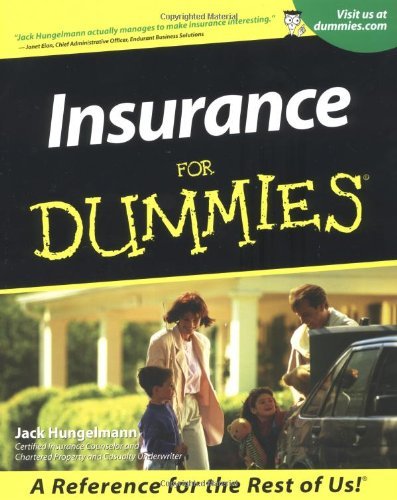
Insurance for Dummies: Hungelmann, Jack
<strong>Manage life, health, and disability risks</strong> ― explore individual and group policies, understand Medicare basics, and evaluate long-term disability and long-term-care insurance ...
Check Price on AmazonThe Basic Policy (meets the minimum, but very limited)
- Personal Injury Protection (PIP): $15,000 per person, per accident for medical bills, with up to $250,000 for certain serious injuries like brain or spinal cord injuries. PIP is your medical coverage that pays regardless of fault (that’s what “no-fault” means).
- Property Damage Liability: $5,000 per accident to pay for damage you cause to someone else’s property (their car, fence, etc.).
- Bodily Injury Liability: Optional on the Basic Policy. If you don’t add it, your policy may not pay if you injure another person in a crash you cause. That’s a major gap.
- Uninsured/Underinsured Motorist (UM/UIM): Typically not included on the Basic Policy.
- Lawsuit option: The Basic Policy comes with the “limited right to sue” by default. More on that below.
Who might choose Basic: Drivers who only need proof of insurance and want the lowest possible price. But in most cases, it leaves you underprotected.
The Standard Policy (what most drivers carry)
- Bodily Injury Liability: At least $25,000 per person / $50,000 per accident (often written as “25/50”), with options to choose higher limits like 50/100, 100/300, or more. Liability coverage pays for injuries you cause to others.
- Property Damage Liability: At least $25,000 per accident, with options to go higher (50,000 or 100,000 are common).
- Personal Injury Protection (PIP): $15,000 per person, per accident (higher limits available), with up to $250,000 for certain serious injuries.
- Uninsured/Underinsured Motorist (UM/UIM): Available on the Standard Policy and highly recommended; it helps if you’re hit by a driver with no insurance or too little.
- Lawsuit option: You’ll choose between “limited right to sue” (cheaper) or “unlimited right to sue” (more expensive but broader rights).
A quick word on lawsuit options:
- Limited Right to Sue (also called verbal threshold): You can only sue for pain and suffering if you sustain certain serious injuries defined by law. It usually lowers your premium.
- Unlimited Right to Sue (also called zero threshold or full tort): You may sue for pain and suffering for any injury. It usually raises your premium.
Other need-to-knows for New Jersey:
- Health insurance as primary for PIP: You can designate your health insurance as the primary payer for auto injuries to lower your PIP premium. Make sure your health plan actually covers auto injuries and understand you’ll pay your health plan’s deductibles and copays.
- Deductible: The amount you pay out of pocket before your insurance pays. PIP has its own deductible options. Collision and comprehensive (optional coverages for your own car) also have deductibles—typically $500 or $1,000.
- SAIP (“Dollar-a-Day”): A very limited Special Automobile Insurance Policy for certain Medicaid recipients. It’s truly last-resort coverage and does not meet most people’s needs.
Bottom line: The Standard Policy with meaningful liability limits, UM/UIM, and thoughtfully chosen PIP settings is what most New Jersey drivers should consider. The Basic Policy is legal but limited.
2) Average car insurance rates in New Jersey by age, vehicle, and driving record
New Jersey is one of the pricier states for auto coverage due to dense traffic, high medical costs, and frequent claims. Actual costs vary by driver, vehicle, and ZIP code, but here are typical ranges to help you benchmark. These are estimates—not quotes.
By coverage level (clean record, good credit, typical commute):
- Minimum coverage (Basic or bare-minimum Standard): roughly $1,000–$1,600 per year for many 30-year-olds.
- Full coverage (liability plus collision and comprehensive): roughly $1,900–$3,200 per year for many 30-year-olds.
By age (same car, clean record, full coverage):
- Teen driver (added to family policy): often $4,500–$7,500+ per year in New Jersey.
- 25-year-old: often $2,200–$3,600.
- 40-year-old: often $1,800–$3,000.
- 60-year-old: often $1,600–$2,700.
By vehicle type (30–40-year-old, clean record, full coverage):
- Safe family sedan or small SUV: baseline.
- Newer luxury vehicle: typically +15% to +35% due to higher repair costs.
- Performance/sports car: typically +20% to +50% due to higher claim severity and theft risk.
By driving record (30–40-year-old, otherwise similar):
- One speeding ticket: often +10% to +25% for 3 years.
- At-fault accident with damage to others: often +35% to +55% for 3–5 years.
- DUI/DWI: often +60% to +90% and some carriers may decline to quote.
Where you garage matters too. Rates in Newark, Jersey City, and parts of North Jersey typically run higher than many South or Northwest New Jersey ZIP codes due to traffic density, claim frequency, and theft rates.
Example: Say you’re a 35-year-old driver in Middlesex County with a clean record and a 2019 Honda CR-V. For full coverage with $100,000/$300,000 liability limits, $500 deductibles, and limited right to sue, you might see quotes anywhere from about $1,900 to $2,800 per year across carriers. Change the vehicle to a new luxury sedan and that range could jump by several hundred dollars. Add a recent at-fault crash and many quotes move 40%+ higher. Your results will vary.
3) Factors that affect New Jersey auto insurance premiums
- ZIP code and garaging: Dense, high-traffic areas with more crashes and thefts typically cost more.
- Coverage selections: Higher liability limits, full tort (unlimited right to sue), and lower deductibles raise premiums; limited tort and higher deductibles lower them.
- PIP choices: Electing health insurance as primary for auto injuries can reduce your PIP premium if your health plan covers accident injuries, but you’ll use your health plan’s deductibles/copays.
- Driving record: Tickets, at-fault accidents, and DUIs impact rates for several years.
- Vehicle: Repair costs, safety features, and theft risk all factor in. Newer and luxury cars generally cost more to insure.
- Annual mileage and commute: Long commutes into NYC corridors typically increase risk and premium.
- Credit-based insurance score: In most cases, New Jersey insurers may use credit-based insurance scores (a credit-derived risk measure) within regulatory limits; better scores often mean lower rates.
- Prior insurance and lapses: A gap in coverage can raise your rate.
- Discounts and telematics: Usage-based programs (tracking driving via app or device) can lower costs if you drive safely and don’t rack up many miles.
4) How to compare and get the cheapest auto insurance in New Jersey
Start with the big choices that move the needle, then fine-tune.
- Pick your policy type
- Standard Policy: Recommended for most drivers. Choose meaningful liability limits and add UM/UIM.
- Basic Policy: Minimum legal coverage; typically not enough protection for assets or income.
- Choose your lawsuit option
- Limited right to sue lowers the premium but restricts your ability to sue for pain and suffering unless injuries meet specific legal thresholds.
- Unlimited right to sue costs more but preserves broader legal rights. If you have significant assets or higher risk tolerance for legal costs, consider it.
- Set liability limits thoughtfully
- Liability limits are the maximum your insurer will pay for injuries or property damage you cause. Example: 100/300/50 means $100,000 per person, $300,000 per accident for bodily injury, and $50,000 for property damage.
- In most cases, 100/300/50 or higher is a practical target. New Jersey verdicts and repair costs can be high—minimums get used up fast.
- Dial in PIP and medical coordination
- Keep at least the standard $15,000 PIP per person, consider higher limits if you want broader medical protection.
- If your health insurance is robust and covers auto injuries, “health primary” can lower your auto premium. Confirm details with your health insurer first.
- Decide on physical damage coverage for your car
- Collision: Pays to repair or replace your car if you crash into another vehicle/object. Comes with a deductible (the amount you pay before insurance pays), commonly $500–$1,000.
- Comprehensive: Pays for non-collision events like theft, vandalism, fire, or storm damage. Also comes with a deductible.
- If you finance or lease, your lender will almost always require both.
- Compare at least 3–5 carriers
- The fastest way to see what you would actually pay is to compare quotes from multiple companies on the same day with the same coverage selections.
- Include a regional carrier if available in your area; they can be very competitive in certain ZIP codes.
- What to look for beyond price
- Claim service reputation: Fast, fair claims matter more than a few dollars saved.
- Medical/PIP management: Ask how the carrier handles PIP claims, provider networks, and pre-authorization.
- UM/UIM limits: Match these to your liability limits if possible; they protect you from underinsured drivers.
- Extras you may want: Roadside assistance, rental reimbursement (pays for a rental while your car is in the shop after a covered loss), gap coverage for loans/leases, OEM parts endorsements for newer cars, glass-only deductible options.
- Rideshare: If you drive for Uber or Lyft, ask about a rideshare endorsement. Without it, you may have gaps between personal and TNC coverage.
Ready to check your options? Compare personalized quotes side-by-side so you’re not guessing. The fastest way to get real numbers is to shop 3–5 carriers at once. Start here: Car Insurance: Compare Quotes & Save on Coverage Today
5) New Jersey-specific discounts and savings opportunities
- Defensive driving course: New Jersey approves courses that typically reduce premiums 5–10% for three years. Great for experienced and mature drivers.
- Good student and driver training: Teens and young adults can earn discounts with a B average and an approved driver training course.
- Multi-policy and multi-vehicle: Bundle auto with homeowners or renters and insure multiple vehicles to save.
- Pay-in-full, auto-pay, e-sign: Many carriers discount for paying the term upfront, enrolling in automatic payments, or completing e-signatures.
- Anti-theft and VIN etching: In high-theft ZIPs, anti-theft devices or VIN etching can earn a discount and reduce risk.
- Low-mileage and telematics: If you drive fewer miles or enroll in a usage-based program (mobile app or plug-in that scores speed, braking, and time of day), you may see meaningful savings.
- Health primary for PIP: If your health plan covers auto injuries, designating it as primary can lower your premium. Be sure you’re comfortable with your health plan’s deductibles and coinsurance.
- Limited right to sue: Opting for the limited lawsuit option typically lowers premiums. Understand the trade-off before you choose it.
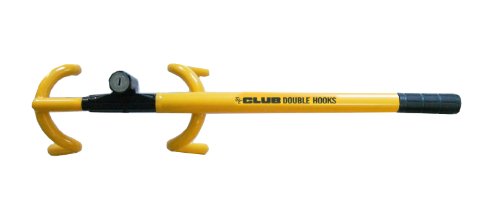
Winner International The Club 3000 Twin Hooks Steering Wheel Lock, Yellow : Automotive
View on Amazon6) Filing a claim in New Jersey: what to expect
Right after a crash
- Get to safety, call 911 if needed, and exchange information (names, addresses, insurer and policy number, vehicle info). Take photos if it’s safe.
- Notify your insurer promptly—most policies require you to report accidents “as soon as reasonably possible.”
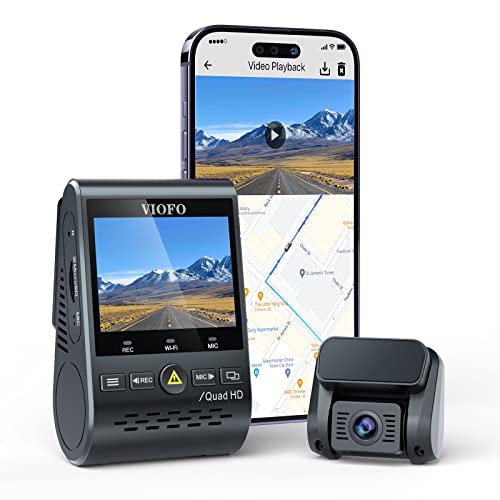
VIOFO Dual Dash Cam, 2K 1440P 60fps+1080P 30fps Front and Rear Dash Camera with Wi-Fi GPS, Parking Mode, Emergency Recording, Super Capacitor, Motion Detection (A129 Plus Duo) : Electronics
View on AmazonMedical claims (PIP)
- Because New Jersey is no-fault, your PIP pays your medical bills up to your limit regardless of who caused the crash.
- If you elected “health primary,” you’ll use your health insurance first; your auto PIP may still apply as secondary—ask your adjuster how your policy coordinates.
- Expect a PIP deductible (often $250, but you may have chosen higher) and a 20% coinsurance on the next portion of bills up to certain thresholds. Keep all bills and authorizations; some treatments may require pre-approval.
Vehicle damage
- If you have collision coverage, you can choose to repair your car through your own insurer (minus your deductible). Your insurer may then seek reimbursement from the at-fault driver’s insurer (called subrogation).
- If you don’t have collision coverage and the other driver is at fault, you can pursue their insurer directly for repairs and rental. If fault is disputed, using your own collision can be faster.
- Total loss: If repair costs exceed the vehicle’s value, the insurer will settle for actual cash value (market value before the crash), minus your deductible if you use your policy.
Injuries and lawsuits
- With the limited right to sue option, you can only sue for pain and suffering if your injuries meet specific legal thresholds. With unlimited, you have broader rights. Talk with counsel if you’re unsure; your right here depends on what you chose on your policy.
- New Jersey has modified comparative negligence: if you’re more than 50% at fault, you usually can’t recover from the other party; if 50% or less, your recovery is reduced by your share of fault.
Uninsured/underinsured motorist (UM/UIM)
- If you’re hit by a driver with no insurance or too little, your UM/UIM coverage can step in for injuries (and sometimes property damage, depending on your policy). Claims often go through arbitration rather than court.
Deadlines matter
- Injury claims typically have a statute of limitations measured in years (often two for bodily injury), but notice requirements for PIP and UM/UIM can be much shorter. Report claims promptly and follow your policy’s instructions.
Tip: For anything complex—significant injuries, disputed fault, or coverage questions—consult a licensed agent and, if needed, an attorney. It’s worth getting it right.
7) FAQ: common questions about New Jersey car insurance
What’s legally required in New Jersey?
- You must carry a Basic or Standard Policy. The Basic Policy includes PIP and $5,000 property damage liability; Bodily Injury liability is optional on Basic. The Standard Policy starts at 25/50 for bodily injury liability, 25,000 for property damage liability, and 15,000 PIP, with options to increase limits.
Is New Jersey a no-fault state?
- Yes. Your PIP pays medical bills after a crash regardless of fault. You still choose a lawsuit option (limited or unlimited) that affects your ability to sue for pain and suffering.
Basic vs. Standard: which should I choose?
- For most drivers, the Standard Policy with higher liability limits and UM/UIM is the smarter choice. The Basic Policy meets the law but often leaves gaps—especially if you injure someone or own property you need to protect.
How much does auto insurance in New Jersey cost?
- It varies widely by ZIP, driver profile, vehicle, and coverages. Many 30–40-year-olds with clean records see full coverage in the $1,900–$3,200 range, but your price could be lower or higher. The only reliable way to know is to compare real quotes.
Can I lower my premium without cutting vital coverage?
- Often, yes. Compare multiple carriers, opt for limited right to sue if you’re comfortable with it, raise deductibles to a level you could afford in an emergency, enroll in telematics, and take a defensive driving course.
Does my health insurance affect my auto insurance?
- If you designate health insurance as primary for auto injuries, your auto premium for PIP can drop. But you’ll use your health plan’s deductibles and copays for crash-related medical care. Confirm with your health insurer that auto injuries are covered.
I lease my car—do I need special coverage?
- Lenders and lessors typically require collision and comprehensive, plus higher liability limits. They may require gap coverage (pays the difference if your car is totaled and you owe more than its value).
What happens if I add a teen driver?
- Expect a premium increase. Teens pay more due to limited experience. You can soften the impact with good student and driver training discounts, telematics, and by assigning the teen to the least expensive vehicle.
I’m moving to New Jersey—do I need a New Jersey policy?
- Yes. Once you establish residency and register your car in New Jersey, you must carry a New Jersey policy that meets state requirements.
What’s a deductible again?
- A deductible is the amount you pay out of pocket before your insurance pays on a covered claim—common amounts are $500 or $1,000. Higher deductibles usually lower your premium.
How long do tickets and accidents affect my rate?
- Typically 3 years for minor violations and 3–5 years for at-fault accidents. A DUI/DWI can affect your rate and insurability for longer.
If you’re comparing numbers, the fastest way to see what you’d actually pay is to collect a few apples-to-apples quotes. Try this resource to line them up in minutes: Car Insurance: Compare Quotes & Save on Coverage Today
Note: This guide is general education, not legal or insurance advice. Coverage availability and rules vary by insurer and can change. For advice tailored to your situation, speak with a licensed agent.
Recommended Resources
Insurance for Dummies: Hungelmann, Jack
<strong>Manage life, health, and disability risks</strong> ― explore individual and group policies, understand Medicare basics, and evaluate long-term disability and long-term-care insurance ...
VIOFO Dual Dash Cam, 2K 1440P 60fps+1080P 30fps Front and Rear Dash Camera with Wi-Fi GPS, Parking Mode, Emergency Recording, Super Capacitor, Motion Detection (A129 Plus Duo) : Electronics
Buy VIOFO Dual Dash Cam, 2K 1440P 60fps+1080P 30fps Front and Rear Dash Camera with <strong>Wi-Fi GPS, Parking Mode</strong>, Emergency Recording, Super Capacitor, Motion Detection (A129 Plus Duo): On
Winner International The Club 3000 Twin Hooks Steering Wheel Lock, Yellow : Automotive
The Club'S Patented Self-Locking Feature Locks With One Pull. Keyless Locking, for ease of use ... The Club 3000 Twin Hooks Steering Wheel Lock is <strong>a part of The Club line of quality produ
Related Articles
- Home Insurance in New Jersey: Coverage, Costs & Best Companies
- Auto Insurance in Pennsylvania: Rates, Requirements & How to Save
- Auto Insurance in New Hampshire: Rates, Requirements & How to Save
- Auto Insurance in Delaware: Rates, Requirements & How to Save
- Auto Insurance in New Mexico: Rates, Requirements & How to Save
- Auto Insurance in New York: Rates, Requirements & How to Save
- Auto Insurance in North Carolina: Rates, Requirements & How to Save
- Health Insurance in New Jersey: Plans, Costs & How to Enroll