
Auto Insurance in Rhode Island: Rates, Requirements & How to Save
You’re shopping for auto insurance in Rhode Island and the quotes feel all over the place. Are your numbers normal? What coverage do you actually need to drive legally here—and how do you get a fair price? Let’s walk through what matters in Rhode Island, with clear examples and practical steps to save.
Rhode Island auto insurance requirements and minimum coverage
Rhode Island is a fault (also called “tort”) state, which means the driver found at fault in a crash is generally responsible for the other party’s injuries and property damage. To register and drive, you need at least the state’s minimum liability coverage:
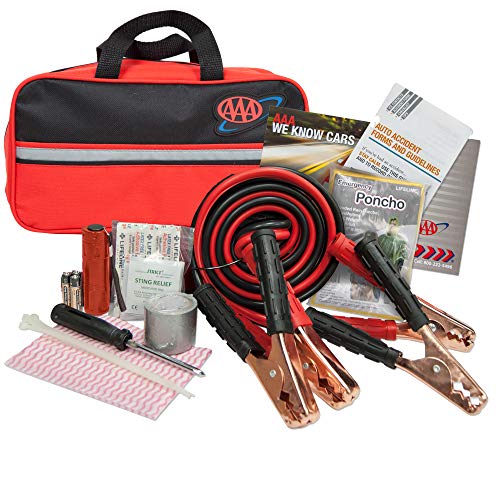
Lifeline AAA Premium Road Kit, 42 Piece Emergency Car Kit with Jumper Cables, Flashlight and First Aid Kit,4330AAA,Black : Everything Else
View on Amazon
Insurance for Dummies: Hungelmann, Jack
<strong>Manage life, health, and disability risks</strong> ― explore individual and group policies, understand Medicare basics, and evaluate long-term disability and long-term-care insurance ...
Check Price on Amazon- Bodily injury liability: $25,000 per person / $50,000 per accident (often written “25/50”)
- Property damage liability: $25,000 per accident (the last “25” in “25/50/25”)
What this means in plain English:
- Bodily injury liability helps pay for the other driver’s medical bills and lost wages if you’re at fault, up to your limits.
- Property damage liability helps pay to repair the other person’s car or other property you damage.
Uninsured motorist coverage (UMBI), which helps pay for your injuries if you’re hit by an uninsured driver, is typically required in Rhode Island unless you reject it in writing. Drivers often carry uninsured/underinsured motorist (UM/UIM) coverage at the same limits as their liability (for example, 25/50), though you can usually select different limits. This coverage can be a big deal given how costly injuries can be.
Optional but common coverages:
- Collision: Pays to repair your car after a crash, regardless of fault (minus your deductible—the out-of-pocket amount you agree to pay before insurance kicks in).
- Comprehensive: Covers non-crash damage such as theft, vandalism, hail, flood, or a fallen tree.
- Medical payments (MedPay): Helps with medical bills for you and your passengers regardless of fault.
- Rental reimbursement: Helps pay for a rental car while your vehicle is in the shop after a covered claim.
- Roadside assistance: Towing, jump starts, lockouts.
- Gap coverage: If you owe more on a loan/lease than the car is worth, gap can cover the difference after a total loss.
A quick reality check: State minimums (25/50/25) often aren’t enough after a serious crash. A newer SUV and a trip to the ER can blow through $25,000 faster than most people expect. For many Rhode Island families, 50/100/50 or 100/300/100 liability limits are a smarter baseline, with UM/UIM matched to those limits.
Average car insurance rates in Rhode Island by age, vehicle, and driving record
Car insurance prices in Rhode Island are often a bit higher than the national average, largely due to higher medical costs, dense traffic corridors in and around Providence, and frequent comprehensive claims from coastal storms. Actual rates vary by driver and insurer, but here are realistic ranges we commonly see from carriers across the state:
- 35-year-old driver, clean record, driving a 2019–2022 midsize sedan:
- Minimum coverage: roughly $700–$1,200 per year
- Full coverage (liability higher limits, plus comprehensive and collision): roughly $1,600–$2,600 per year
- 21-year-old driver, clean record:
- Minimum coverage: roughly $1,400–$2,600 per year
- Full coverage: roughly $3,000–$5,500 per year
- 50-year-old driver, clean record:
- Minimum coverage: roughly $600–$1,000 per year
- Full coverage: roughly $1,300–$2,200 per year
How violations change things in Rhode Island (typical patterns):
- At-fault accident: Often +20% to +50% at next renewal, and surcharges usually last 3–5 years.
- Speeding 15+ mph over limit: Often +10% to +30%.
- DUI/OWI: Can double or more, and some carriers may non-renew; you may need an SR-22 (a certificate insurers file with the state to prove you carry required coverage) if ordered by the Rhode Island DMV after a suspension.
Vehicle type matters, too:
- A newer compact SUV with modern safety features can sometimes rate lower than an older performance sedan, thanks to better loss history and safety tech.
- Luxury or high-horsepower models tend to cost more for collision and comprehensive due to repair costs and theft risk.
These are not quotes—your price depends on your ZIP code, driving history, credit-based insurance score (where allowed), mileage, garaging, and the insurer’s own formulas. The fastest way to see what you’d actually pay is to compare quotes from 3–5 carriers.
Factors that affect Rhode Island auto insurance premiums
- Where you live and drive: Densely populated areas typically see more claims, so Providence or Pawtucket often cost more than suburban or rural ZIPs.
- Driving record: Accidents, speeding tickets, and DUIs raise rates, typically for 3–5 years.
- Credit-based insurance score: In Rhode Island, many insurers use a credit-based insurance score to help set rates. Better scores generally earn lower premiums. (Insurers can’t use credit as the sole reason to cancel or non-renew.)
- Coverage and deductibles: Higher liability limits and adding comprehensive/collision increase cost; raising your deductible (say, from $500 to $1,000) typically lowers it.
- Vehicle: Repair costs, parts availability, safety features, and theft risk all matter.
- Annual mileage and commute: More miles usually means more risk and higher premiums.
- Age and household composition: Teen drivers dramatically increase premiums; bundling multiple cars and drivers can unlock savings.
- Prior insurance and lapses: A lapse (going without insurance) usually triggers higher rates until you re-establish continuous coverage.
- Claims environment and weather: Nor’easters and coastal storms can drive comprehensive claims (flood, wind, falling objects). Comprehensive coverage can help here.
How to compare and get the cheapest auto insurance in Rhode Island
You don’t need to become an underwriting expert—just shop with a plan and compare the same apples-to-apples coverage. Here’s a simple process that works in Rhode Island:
- Pick your coverage targets
- Liability: Start with at least 50/100/50, and consider 100/300/100 if you own a home or have savings to protect.
- UM/UIM: Match your liability limits where possible—this protects you from uninsured or underinsured drivers.
- Comprehensive and collision: Keep these if your car is newer, financed, or if you can’t comfortably self-insure major repairs.
- Deductibles: $500 is common; increasing to $1,000 can trim premiums, but make sure you can afford that out of pocket.
- Gather details once
- Driver info: Dates of birth, license numbers, driving history for everyone in the household.
- Vehicle info: VINs, mileage, safety features, where each car is parked overnight.
- Current policy: Declarations page (your “dec page”) so you can match coverage when shopping.
- Compare at least 3–5 carriers
- Prices swing widely by insurer for the same driver. Include both national brands and regional carriers that know Rhode Island roads.
- Consider a telematics program (a plug-in or phone app that measures driving habits). Good drivers in Rhode Island can often save 10%–30% over time, though aggressive braking or night driving can reduce the discount.
- Line up discounts
- Bundle auto + home or renters with the same insurer if it saves overall.
- Ask about employer, alumni, military, or professional association discounts.
- Enroll in paperless billing, autopay, and pay-in-full if it pencils out.
- Check the whole cost picture
- Don’t chase the lowest premium only—compare claims reputation, local repair networks, rental car coverage, and glass coverage.
- Look at the renewal track record: Some carriers woo you with a low first term, then jump the price. Ask agents how that carrier behaves at renewal in Rhode Island.
- Lock it in—then calendar a review
- When you switch, avoid a coverage lapse by overlapping policies by a day.
- Re-shop each year or after life changes (move, new car, teen driver, marriage).
Call to action: Want a real number for your situation? The fastest way to see your price is to compare quotes from 3–5 carriers side by side. A licensed agent can also help you match coverage and find hidden discounts.
Rhode Island-specific discounts and savings opportunities
Most discounts are similar across states, but here’s what often moves the needle for Rhode Island drivers:
- Multi-policy (bundle): Auto + home or renters can often shave 10%–25% off combined premiums.
- Telematics/usage-based: Safe driving tracked via app or device can earn meaningful discounts over time.
- Good driver and accident-free: Clean driving for 3–5 years saves money; some carriers add a “vanishing deductible” perk.
- Defensive driving or mature driver courses: Some insurers offer discounts when you complete an approved course—ask your carrier what’s recognized in Rhode Island.
- Student savings: Good student (typically B average or better), distant student (college 100+ miles away without a car), and driver training discounts.
- Vehicle safety features: Adaptive headlights, automatic emergency braking, anti-theft systems.
- Pay-in-full, autopay, and paperless: Small but easy savings that stack.
Rhode Island tip: Because coastal weather can spike comprehensive claims, ask about full glass coverage and how your insurer handles windshield repairs. Some carriers offer zero-deductible glass options that can pay for themselves if you drive highways often.
Filing a claim in Rhode Island: what to expect
Rhode Island follows traditional fault rules. If you’re not at fault, you can generally file with the other driver’s insurer (a “third-party claim”) or with your own carrier if you carry relevant coverage (collision or UM/UIM), who may then pursue the other party.

Garmin Dash Cam 57, 1440p and 140-degree FOV, Monitor Your Vehicle While Away w/New Connected Features, Voice Control, Compact and Discreet, Includes Memory Card : Electronics
View on AmazonStep-by-step after a crash:
- Safety first: Move to a safe spot, call 911 if there are injuries, and exchange info. Take photos and gather witness names if you can.
- Notify your insurer promptly: Most policies require timely notice. Share the police report number if you have one.
- Damage inspection: An adjuster (the person who evaluates losses and sets payouts) may review your car in person or via photos.
- Estimates and repairs: You can typically choose your own repair shop. Preferred shops can speed things up, but it’s your call.
- Rental car: If you have rental reimbursement, ask your adjuster about daily limits and approved vendors.
- Medical bills and injury claims: Save all documentation. If the other driver is at fault, their liability coverage may pay; your MedPay or UM/UIM may also help, depending on the situation.
Timelines and payments vary by insurer and the complexity of the claim. If liability is disputed, it can take longer. Keep records of all communications and receipts.
If you’re having trouble reaching a fair outcome, you can file a complaint with the Rhode Island Department of Business Regulation, Insurance Division. And if injuries are significant, consider speaking with an attorney—especially before accepting a settlement.
High-risk drivers: If you’re denied by multiple carriers, the Rhode Island Automobile Insurance Plan (the state’s assigned risk plan) can help you obtain required coverage. It won’t be the cheapest, but it keeps you legal while you rebuild your record.
What to look for when choosing a policy
- Adequate liability and UM/UIM limits: Medical costs add up quickly—don’t skimp here.
- Clear deductible strategy: Set deductibles you can actually pay tomorrow.
- Rental car and loss-of-use: Pricier, but essential if you rely on your car for work.
- Strong claims reviews in Rhode Island: Local repair networks and fast glass service matter.
- Accident forgiveness or diminishing deductibles: Can cushion future rate spikes.
- Telematics option: Helpful if you’re a careful driver with predictable routines.
Real-world Rhode Island examples
- You’re a 35-year-old non-smoker in Warwick driving a 2020 Honda CR-V, clean record, commuting 10 miles each way. For 100/300/100 liability, UM/UIM matched, $500 comprehensive/collision deductibles, and rental reimbursement, you might see full-coverage quotes from major carriers in the $1,700–$2,400 per year range. Another carrier might come in at $2,650 with a telematics discount that could later bring it to $2,300. That’s why comparing matters.
- Your teen just got licensed in Cranston and will drive a 2015 Corolla part-time. Adding them could raise the household premium by $1,200–$2,500 per year depending on grades, telematics participation, and the teen’s training certificates. Placing the teen as the primary driver on the oldest/least expensive car can help.
- You commute from Providence into Massachusetts or Connecticut for work. Your Rhode Island policy follows you across state lines, but if you’re curious how coverage and rates differ for neighbors, see our state pages for Auto Insurance in Massachusetts: Rates, Requirements & How to Save and Auto Insurance in Connecticut: Rates, Requirements & How to Save.
Note: For personalized advice, it’s smart to speak with a licensed agent who can review your situation, explain trade-offs, and help you avoid gaps.
FAQ: common questions about Rhode Island car insurance
Is Rhode Island a no-fault state?
- No. Rhode Island uses a fault-based system. The at-fault driver’s liability coverage typically pays for the other party’s injuries and property damage.
Do I have to buy uninsured motorist coverage in Rhode Island?
- Uninsured motorist bodily injury (UMBI) is typically required unless you reject it in writing. Many drivers keep it—and match it to their liability limits—because it protects your own household after a crash with an uninsured or underinsured driver.
What happens to my rates after a ticket or accident?
- In most cases, expect a surcharge at your next renewal. A minor speeding ticket might add 10%–30%; an at-fault crash could add 20%–50%. Surcharges typically last 3–5 years, then fall off if you stay clean.
Can insurers use my credit in Rhode Island?
- Most carriers use a credit-based insurance score where allowed. Better credit usually means lower rates, but it’s not the only factor and can’t be the sole reason for cancellation or nonrenewal.
Do I need SR-22 insurance after a DUI?
- If the Rhode Island DMV requires it after certain violations (like DUI or driving without insurance), an SR-22 is a form your insurer files to prove you carry required coverage. Not every company files SR-22s—ask before you buy.
I’m moving to Rhode Island. What should I do about my coverage?
- Switch to a Rhode Island policy once you establish residency and before you register your vehicle. A local agent can help you match state requirements and avoid any lapse in coverage.
Should I carry comprehensive and collision on an older car?
- If the car’s value is low and you could afford to replace it, you can consider dropping them. If a total loss would hurt your wallet, keep full coverage and adjust deductibles to manage the premium.
Your next step
You’ve got the playbook. Now get your real price. Compare quotes from 3–5 Rhode Island carriers with the same coverage limits and deductibles—then tweak deductibles or add telematics to hit your budget without sacrificing key protection.
Prefer a human guide? A licensed agent can help you compare options side by side, flag gaps, and surface discounts you might miss.
If you regularly drive into nearby states, you may also want to see how coverage and savings strategies compare in Auto Insurance in New Hampshire: Rates, Requirements & How to Save.
Recommended Resources
Insurance for Dummies: Hungelmann, Jack
<strong>Manage life, health, and disability risks</strong> ― explore individual and group policies, understand Medicare basics, and evaluate long-term disability and long-term-care insurance ...
Garmin Dash Cam 57, 1440p and 140-degree FOV, Monitor Your Vehicle While Away w/New Connected Features, Voice Control, Compact and Discreet, Includes Memory Card : Electronics
Buy Garmin Dash Cam 57, 1440p and 140-degree FOV, Monitor Your Vehicle While Away w/New Connected Features, Voice Control, Compact and Discreet, Includes Memory Card: On-Dash Cameras - Amazon.com ✓ FR
Lifeline AAA Premium Road Kit, 42 Piece Emergency Car Kit with Jumper Cables, Flashlight and First Aid Kit,4330AAA,Black : Everything Else
Amazon.com: <strong>Lifeline AAA Premium Road Kit</strong>, 42 Piece Emergency Car Kit with Jumper Cables, Flashlight and First Aid Kit,4330AAA,Black : Everything Else
Related Articles
- Home Insurance in Rhode Island: Coverage, Costs & Best Companies
- Auto Insurance in Massachusetts: Rates, Requirements & How to Save
- Auto Insurance in Maine: Rates, Requirements & How to Save
- Auto Insurance in Connecticut: Rates, Requirements & How to Save
- Health Insurance in Rhode Island: Plans, Costs & How to Enroll
- Auto Insurance in New Hampshire: Rates, Requirements & How to Save
- Auto Insurance in Arkansas: Rates, Requirements & How to Save
- Auto Insurance in Wyoming: Rates, Requirements & How to Save