
Cheap Auto Insurance for Seniors: Smart Ways to Cut Premiums Without Sacrificing Coverage
You want cheap auto insurance for seniors without stripping away the protection that actually matters. That is absolutely doable. The key is knowing which coverages seniors typically need, which discounts are real, and how to comparison-shop in a way that insurers respect. Here is how to cut costs while keeping solid coverage—no gimmicks.
Why seniors have unique insurance needs
Aging changes how (and how much) many of us drive. You might be retired, driving fewer miles, and avoiding rush-hour traffic. At the same time, reaction time can slow a bit, vision can change, and injuries from crashes can be more severe. The right policy balances those realities: strong liability and medical protection with smart savings for lower mileage and safer habits.
How aging affects driving and claims
- Fewer miles, different trips: Many seniors drive less and mostly on local roads. That usually lowers risk and can unlock low-mileage savings.
- Injury risk: Crash injuries can be harder on older bodies. Medical coverage (your policy’s built-in medical protections) matters more, even if you have Medicare or a Medicare Advantage plan.
- Common claims: At-fault fender benders, parking-lot scrapes, and intersection crashes are typical. Weather damage and animal strikes are also common in many states.

Garmin Dash Cam 57, 1440p and 140-degree FOV, Monitor Your Vehicle While Away w/New Connected Features, Voice Control, Compact and Discreet, Includes Memory Card : Electronics
View on AmazonThe coverage that typically matters most
If you have not looked at your policy in years, a quick refresh goes a long way. A few definitions:
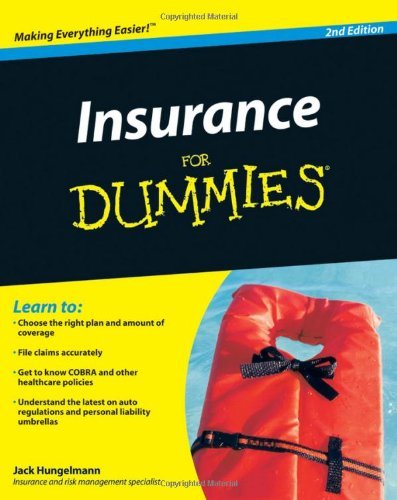
Insurance For Dummies?: Hungelmann, Jack
Whether you’re a homeowner or ... need on: ... Author Jack Hungelmann <strong>uses his twenty-five years of experience in the insurance industry to make buying insurance as simple as possible</strong>
Check Price on Amazon- Liability coverage: Pays for injuries and property damage you cause to others in a crash. It is split into bodily injury liability (injuries you cause) and property damage liability (damage to cars, buildings, fences). In most cases, going higher than your state minimums is smart.
- Uninsured/underinsured motorist (UM/UIM): Pays you and your passengers if the other driver has no insurance or too little. This is critical protection in states with high uninsured rates.
- Medical payments (MedPay) or personal injury protection (PIP): MedPay pays medical bills for you and your passengers after a crash, regardless of fault. PIP (required in some “no-fault” states) can also cover lost wages and other expenses. Even with Medicare, MedPay/PIP can help with deductibles, copays, and ambulance bills.
- Collision: Pays to repair or replace your car if you hit another car or object.
- Comprehensive: Pays for theft, vandalism, fire, flood, hail, animal strikes, and glass damage.
- Deductible: The amount you pay out of pocket on a covered claim before insurance pays.
- Endorsement: An optional add-on that changes or expands your policy coverage (for example, accident forgiveness or roadside assistance).
For a typical retired driver who owns their home and drives under 7,500 miles per year, here is a starting framework many agents recommend (adjust to your budget and state rules):
- Bodily injury liability: 100/300 or 250/500 (that is $100,000 per person/$300,000 per accident; or $250,000/$500,000). Consider a personal umbrella policy if you want extra liability beyond your auto and homeowners policies.
- Property damage liability: $50,000 or $100,000.
- UM/UIM: Match your bodily injury limits if possible. This protects you from drivers who carry only the bare minimum.
- MedPay: $5,000–$10,000 is common; PIP limits are state-specific. If you have robust health coverage, you may keep MedPay modest—but do not skip it without checking copays and ambulance coverage.
- Collision/comprehensive: Keep both if your car is newer or you cannot easily replace it. If your vehicle is older with a low actual cash value (the car’s market value after depreciation), you might consider dropping collision or raising deductibles to trim costs. Always compare the deductible savings to the car’s value before you drop coverage.
If you want a refresher on how each coverage works, see Understanding Auto Insurance Coverage Types (definitions, examples, and how coverages interact):
- /auto-insurance/understanding-auto-insurance-coverage-types
When senior-focused endorsements matter
- Accident forgiveness: Prevents your first at-fault accident from raising your premium (rules vary by carrier and state). Useful if you are risk-averse about a rate spike.
- Diminishing deductible: Your collision deductible drops over safe-driving years. Helpful if you carry a higher deductible to save on premiums.
- Roadside assistance: Towing, jump-starts, flat-tire help. Generally inexpensive peace of mind.
- Full glass coverage: Waives the deductible for windshield repairs/replacements in some states.
- OEM parts endorsement: Pays for original manufacturer parts on repairs. Particularly valuable on newer models or if you prioritize repair quality.
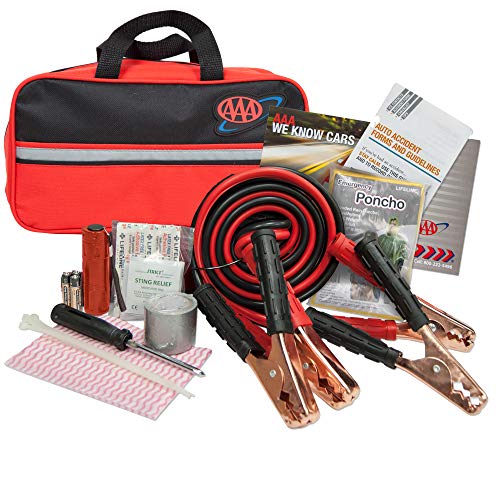
Lifeline AAA Premium Road Kit, 42 Piece Emergency Car Kit with Jumper Cables, Flashlight and First Aid Kit,4330AAA,Black : Everything Else
View on AmazonThese are not must-haves for everyone, but they often appeal to drivers who value predictability and service.
Cost-saving strategies tailored to seniors
Insurers do offer discounts and rating plans that can reward the way many seniors drive. The trick is asking for the right ones and adjusting your policy carefully.
The discount list most seniors should ask about
- Mature driver/defensive driving discount: Many states require insurers to discount your premium if you complete an approved defensive driving course after age 55. Typically 5–10% off certain coverages for 2–3 years.
- Low-mileage discount: If you drive under a set threshold (often 7,500–8,000 miles annually), you may qualify for notable savings.
- Multi-policy (bundling): Combine auto with homeowners, condo, or renters insurance for 5–20% off in many cases.
- Multi-car discount: Two or more cars on the same policy can lower each car’s rate.
- Safety features: Anti-lock brakes, airbags, anti-theft devices, and advanced driver assistance systems (ADAS) like automatic emergency braking can reduce premiums.
- Telematics/usage-based insurance: Voluntary programs that track driving habits via an app or device. Safe drivers can earn initial enrollment discounts (5–10% typical) and additional savings (sometimes 5–30%) at renewal, depending on the program. Ask whether the program can increase rates or only discount.
- Pay-per-mile insurance: If you drive very little, some carriers charge a low base rate plus a per-mile fee. Often cost-effective under 6,000–8,000 miles per year.
For more proven ways to reduce costs and shop like a pro, check our savings guide:
- /auto-insurance/cheap-auto-insurance-lower-premiums-get-quotes
Sensible deductible and coverage adjustments
- Raise deductibles thoughtfully: Moving a collision deductible from $500 to $1,000 can save around 7–15% on that coverage, depending on the car and state. Only do this if you can comfortably pay the higher amount after a crash.
- Consider dropping collision on older cars: If your car is worth $2,500 and your collision deductible is $1,000, you are only insuring a maximum of $1,500 after the deductible—sometimes not worth the premium. Keep comprehensive for non-crash perils like hail, theft, and deer strikes if those are concerns in your area.
- Keep robust liability and UM/UIM: These are relatively inexpensive compared with the protection they provide, especially against large claims or uninsured drivers.
Choose a car that insurers like
- Look for strong safety ratings (IIHS Top Safety Pick or NHTSA 5-star ratings) and standard ADAS features.
- Avoid high-performance trims and large repair-cost vehicles (expensive parts can increase rates).
- If you are downsizing, ask your insurer for quotes on your short list before you buy—the difference among models can be hundreds per year.
Bundle and simplify
- Consolidate vehicles and home policies with one carrier if the bundle discount outweighs any single-policy savings elsewhere.
- Put all household drivers and vehicles on the same policy to maximize multi-car and continuous insurance discounts. Remove adult children who no longer live with you.
What drives your rate—and what you can change
Insurers price risk using many factors. Here is what typically matters most and how seniors can influence it.
- Driving record: At-fault accidents and moving violations are major drivers. A clean record for 3–5 years typically earns your best rates. Defensive driving courses may reduce points or earn discounts in some states.
- Annual mileage: The fewer miles you drive, the lower your expected risk. Dropping from 12,000 to 6,000 miles a year can save 5–15% with many carriers.
- Vehicle safety and repair cost: Cars with strong crash protection and moderate repair costs rate better. High-tech luxury cars can be pricey to insure due to parts and labor.
- Credit-based insurance score: In many states, insurers use credit-based factors because they correlate with claim frequency. Some states limit or ban this practice (for example, California, Hawaii, and Massachusetts; rules evolve, and Michigan has restrictions). If allowed in your state, paying bills on time and reducing credit card balances can help over time.
- Garaging location: Urban areas with higher crash, theft, or litigation rates generally cost more than rural or suburban areas. Off-street or garage parking may reduce comprehensive or theft-related portions of your premium.
- Coverage and deductibles: Higher limits cost more but protect more. Smartly raising deductibles or tailoring physical damage coverage can cut costs.
- Telematics results: Consistently smooth braking, moderate speeds, and daytime driving can improve your discount with usage-based programs.
What these changes can mean in practice (illustrative only—real savings vary by state, vehicle, and carrier):
- 68-year-old retiree in Texas, 6,000 miles/year: Adds a telematics program and earns a 12% renewal discount; raises collision deductible from $500 to $1,000 and saves another 8% on that coverage.
- 72-year-old in Pennsylvania: Completes a state-approved driver safety course and qualifies for a 7% premium reduction on applicable coverages for three years.
- 66-year-old in Arizona: Switches from a luxury SUV to a mid-sized sedan with strong safety ratings and reduces premium by about 15% due to lower repair costs and better loss history for that model line.
How to shop for cheap auto insurance for seniors
The fastest way to see what you would actually pay is to compare quotes from 3–5 carriers. Prices for the same driver can vary widely because each insurer weighs factors differently.
- Get fast, side-by-side quotes here: /auto-insurance/car-insurance-quotes-compare-rates
Where to compare: direct, marketplaces, and local agents
- Direct from insurers: Good if you already have a favorite brand or want to test a pay-per-mile or telematics program.
- Comparison sites: Let you price several insurers at once and quickly spot outliers. Great for ballpark savings and finding a short list.
- Independent/local agents: They work with multiple insurers and can advocate for you at claim time. Useful if you prefer in-person help or have unique needs.
If you want local help quickly, this tool can surface nearby options:
- /auto-insurance/car-insurance-near-me-compare-local-quotes-agents-fast
Or compare top carriers head-to-head online:
- /auto-insurance/compare-car-insurance
What to look for when comparing policies
- Adequate liability limits: Aim for at least 100/300/50 where feasible. Consider an umbrella policy for extra protection if you have significant assets.
- Strong UM/UIM: Match your bodily injury limits if budget allows.
- Reasonable deductibles: Pick amounts you can cover without stress.
- Senior-friendly discounts: Mature driver, low mileage, telematics, and bundle savings.
- Claims reputation and repair options: Look for responsive claims service, choice of repair shop, and OEM parts endorsements if that matters to you.
- Telematics terms: Confirm whether the program can raise rates or only discount, how long the monitoring lasts, and what driving behaviors it tracks.
- Financial strength: Look for carriers with solid financial ratings from independent agencies.
If you want a deeper primer on how each coverage works as you compare, revisit:
- /auto-insurance/understanding-auto-insurance-coverage-types
A simple checklist: information to gather before you quote
- Driver details: Full name, date of birth, driver’s license number for each household driver.
- Vehicle details: Year, make, model, VIN (vehicle identification number), current mileage, safety features.
- Garaging address: Where the car is parked most nights.
- Driving history: Accidents, tickets, and claims in the last 3–5 years.
- Usage: Annual mileage and typical commute (or note “retired/no commute”).
- Current policy: Declarations page with coverages, limits, deductibles, and premium. This helps you do apples-to-apples comparisons.
Red flags and common scams to avoid
- “Guaranteed savings” or rates before the agent collects your full info: No legitimate carrier can guarantee a price without underwriting details.
- Upfront fees just to quote: Quotes should be free.
- Pressure to pay by gift card or wire: Standard carriers will not ask for this.
- Unsolicited calls asking for your Social Security number: Only share sensitive info with verified insurers or licensed agents you contacted.
Use state consumer resources
Your state’s Department of Insurance website typically lists licensed agents, approved defensive driving courses, complaint ratios, and sometimes sample rates. If something feels off, you can verify an agent’s license there or file a complaint.
How often to review your policy
- Annually: Rates and discounts change; a yearly check keeps you from overpaying.
- After life changes: Retirement, moving, selling/buying a car, a new driver in or out of the household, or after a claim.
- After finishing a driver safety course: Make sure the discount is applied and set a reminder for when it expires.
Quick examples: balancing savings and protection
- You drive 4,500 miles a year and mostly daytime. Ask about low-mileage, mature driver, and telematics discounts. Consider a pay-per-mile option if available. Keep strong UM/UIM and at least 100/300 liability.
- Your 10-year-old sedan is worth $4,000. Compare the annual cost of collision coverage with your deductible to the car’s value. If the math is tight, consider raising the deductible to $1,000 or dropping collision. Keep comprehensive if hail/theft/deer are concerns.
- You just downsized homes and bundled auto with homeowners. Verify the bundle discount is bigger than any savings you could get by splitting policies. Re-quote with 2–3 other carriers to check the market.
Note: This guide gives general information. For personalized advice that fits your budget, vehicle, and state laws, talk with a licensed insurance agent.
Ready to see real numbers?
The smartest next step is to compare quotes from 3–5 carriers with the same coverage limits and deductibles. That shows you what you would actually pay and which insurer values your safe, lower-mileage driving the most.
- Start your personalized quote comparison: /auto-insurance/car-insurance-quotes-compare-rates
Rates vary by individual driver, location, and insurer. But with the right coverages, senior-focused discounts, and a disciplined shopping routine, you can usually trim costs without sacrificing the protection that keeps you on the road with confidence.
Recommended Resources
Insurance For Dummies?: Hungelmann, Jack
Whether you’re a homeowner or ... need on: ... Author Jack Hungelmann <strong>uses his twenty-five years of experience in the insurance industry to make buying insurance as simple as possible</strong>
Garmin Dash Cam 57, 1440p and 140-degree FOV, Monitor Your Vehicle While Away w/New Connected Features, Voice Control, Compact and Discreet, Includes Memory Card : Electronics
Buy Garmin Dash Cam 57, 1440p and 140-degree FOV, Monitor Your Vehicle While Away w/New Connected Features, Voice Control, Compact and Discreet, Includes Memory Card: On-Dash Cameras - Amazon.com ✓ FR
Lifeline AAA Premium Road Kit, 42 Piece Emergency Car Kit with Jumper Cables, Flashlight and First Aid Kit,4330AAA,Black : Everything Else
Amazon.com: <strong>Lifeline AAA Premium Road Kit</strong>, 42 Piece Emergency Car Kit with Jumper Cables, Flashlight and First Aid Kit,4330AAA,Black : Everything Else
Related Articles
- Best Car Insurance for Seniors: Top Companies, Coverage Needs & How to Save
- Affordable Life Insurance for Seniors: How to Find Low-Cost, Appropriate Coverage
- Affordable Auto Insurance for Families: Smart Ways to Cut Costs Without Sacrificing Protection
- Cheap Car Insurance: How to Save on Coverage & Get Fast Quotes
- Cheap Life Insurance for Young Adults: How to Get Affordable Coverage without Overpaying
- How to Lower Car Insurance: 15 Smart Ways to Cut Your Premiums
- Cheap Auto Insurance: How to Lower Your Premiums & Get Quotes
- How to Find Cheap Life Insurance: Smart Ways to Lower Your Premiums Without Sacrificing Coverage