
Home Insurance in Delaware: Coverage, Costs & Best Companies
You want clear answers on home insurance in Delaware: what it actually covers, what a fair price looks like in your county, and which companies handle coastal risks without drama. Let’s walk through what matters, the tradeoffs to expect, and how to compare quotes the smart way.
Delaware homeowners insurance requirements and typical coverage
There’s no state law that requires homeowners insurance in Delaware. But if you have a mortgage, your lender will require it. Even if your home is paid off, a policy protects your biggest asset against everyday risks.
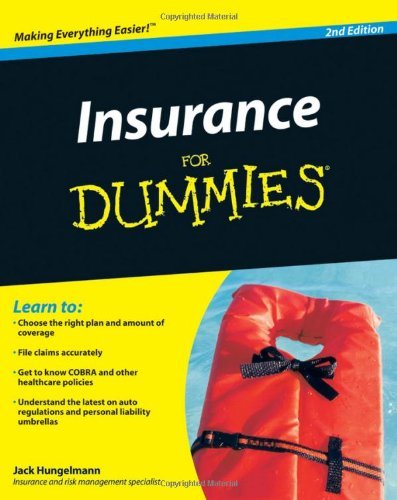
Insurance For Dummies?: Hungelmann, Jack
Whether you’re a homeowner or ... need on: ... Author Jack Hungelmann <strong>uses his twenty-five years of experience in the insurance industry to make buying insurance as simple as possible</strong>
Check Price on AmazonA standard HO-3 (the most common homeowners policy) typically includes:
- Dwelling coverage (Coverage A): pays to repair or rebuild your home after a covered loss. Aim for the full rebuild cost, not your market value. Rebuild cost reflects local labor and materials — in Delaware, this can run $170–$300+ per square foot depending on county and finishes.
- Other structures (Coverage B): sheds, fences, detached garages (often 10% of Coverage A by default).
- Personal property (Coverage C): your belongings. You can choose replacement cost (what it costs to buy new) or actual cash value (depreciated). Replacement cost usually costs a little more but pays out better.
- Loss of use (Coverage D): pays for temporary housing and extra living expenses if a covered loss makes your home uninhabitable.
- Personal liability (Coverage E): covers injuries or property damage you’re legally responsible for. Many Delaware homeowners choose $300,000–$500,000. If you have a pool, dog, or significant assets, consider higher limits and an umbrella policy for extra protection.
- Medical payments to others (Coverage F): small injuries to guests, regardless of fault (often $1,000–$5,000 limits).
Important: Flood is not covered by standard home insurance. For many Delaware properties — especially in Sussex County and along the Delaware Bay — flood insurance through FEMA’s National Flood Insurance Program (NFIP) or private flood insurers is a smart add-on. Sewer or sump pump backup (water that comes up through drains) also isn’t covered unless you add a water backup endorsement.
If you want a deeper primer on what each coverage does, see our explainer: What Does Home Insurance Cover?
Delaware hurricane and wind deductibles — what to know
In most cases along the coast, insurers include a separate hurricane or windstorm deductible. Unlike a flat $1,000 deductible, a hurricane deductible is a percentage (often 1%–5%) of your dwelling limit and typically applies when a named storm or specific wind threshold is met, depending on your policy. Example: with $350,000 in dwelling coverage and a 2% hurricane deductible, you’d pay the first $7,000 of covered wind damage from a named storm before insurance pays.
Ask your agent how (and when) your wind or hurricane deductible is triggered — the definition varies by insurer and policy.
Average home insurance costs in Delaware by home value and location
Delaware’s average homeowners premium is often lower than the national average, but coastal exposure and rebuilding costs still drive meaningful variation. Actual rates vary based on your home’s age and construction, roof type and age, claims history, credit (where allowed), and exact location.
Here are ballpark annual premium ranges you might see for a well-maintained primary home with replacement cost coverage and a standard $1,000–$2,500 deductible. These are illustrative only — the fastest way to see your number is to compare quotes.
- New Castle County (Wilmington/suburbs)
- $200,000 dwelling: $800–$1,200
- $350,000 dwelling: $1,050–$1,600
- $500,000 dwelling: $1,400–$2,100
- Kent County (Dover/central DE)
- $200,000 dwelling: $750–$1,150
- $350,000 dwelling: $1,000–$1,500
- $500,000 dwelling: $1,350–$2,000
- Sussex County (Lewes, Rehoboth, Bethany, Fenwick/coastal)
- $200,000 dwelling: $1,050–$1,700
- $350,000 dwelling: $1,500–$2,600
- $500,000 dwelling: $2,100–$3,600+
Why the difference? Coastal wind exposure, storm surge risk, and stricter building requirements can push rates higher in Sussex County. Roof age and shape (hip roofs generally perform better in wind), proximity to open water, and elevation also matter. In any county, a newer roof and a higher deductible can noticeably reduce premiums.
Quick example: Say you own a $450,000 ranch in Dover with a 2019 architectural shingle roof and no prior claims. With a $2,500 deductible, quotes might cluster around $1,400–$1,900 per year from mainstream carriers. Move that same home a mile from the bay in Sussex County and you could see $2,100–$3,000+, with a 1%–2% hurricane deductible.
Delaware-specific risks: natural disasters, weather, and regional factors
Delaware doesn’t see Florida-level hurricanes, but the state does face meaningful coastal and winter weather risks.

Whole House Surge Protector
View on Amazon- Coastal storms and nor’easters: Prolonged wind, heavy rain, and coastal flooding can damage roofs, siding, and foundations. Named storms can trigger percentage deductibles.
- Flooding: Back-bay flooding in Rehoboth, Bethany, Fenwick, and along the Delaware Bay; river and creek overflow inland; and even heavy rainfall events. Remember, flood is a separate policy.
- Wind and hail: Wind-driven rain and hail can pummel roofs and windows. Some insurers apply separate wind/hail deductibles even away from the coast.
- Winter weather: Freeze claims from burst pipes and ice dams on older or poorly ventilated roofs show up every winter. Insurers often require reasonable heat maintenance to cover freezing losses.
- Lightning and power surge: Summer storms can fry electronics and HVAC. Consider equipment breakdown coverage (covers major systems like HVAC, appliances, and electrical panels) and surge protection.
Endorsements worth considering in Delaware:
- Water backup/sump overflow: Covers damage if water backs up through sewers or a sump pump fails. Limits usually run $5,000–$25,000; consider higher limits if you have a finished basement.
- Ordinance or law coverage: Pays the extra cost to bring older homes up to current code after a loss — important for Wilmington and historic beach towns.
- Extended or guaranteed replacement cost: Adds a cushion (often +25% or more) if rebuilding ends up costing more than expected.
- Special personal property coverage: Broadens causes of loss for your belongings; helpful for accidental damage.
- Service line coverage: Pays to repair underground lines (water, sewer, electric) you own on your property.
How to compare home insurance quotes in Delaware
Comparing quotes for home insurance in Delaware isn’t just about price — it’s about getting the right coverage with the right deductibles for your risk.
Use this checklist:
- Set an accurate dwelling limit
- Target the full rebuild cost. Provide square footage, year built, roof type/age, foundation, and special features. Ask for a replacement cost estimate and review the assumptions.
- Match deductibles across quotes
- Keep the all-perils deductible consistent ($1,000 vs. $2,500). Note any separate wind/hail or hurricane deductibles and the triggers.
- Choose replacement cost on contents
- Replacement cost on personal property typically makes sense; actual cash value pays less after depreciation.
- Check liability and medical payments
- Many households do well with $300,000–$500,000 liability. If you host often, have a pool, or a dog, consider higher limits and ask about breed or pool requirements (fencing, self-latching gates).
- Align endorsements
- Add water backup in most Delaware homes with basements. Consider equipment breakdown and service line for older properties.
- Verify exclusions and sublimits
- Jewelry, art, collectibles, and firearms often have sublimits. Schedule high-value items to fully insure them.
- Review claim service reputation
- Ask how after-hours claims are handled, whether they use local adjusters after storms, and contractor network options. Coastal claims experience matters in Sussex County.
- Look at financial strength
- Carriers with strong financial ratings are better positioned to pay large catastrophe claims.
- Ask about wind mitigation and roof credits
- Newer roofs, secondary water barriers, and impact-resistant shingles may lower premiums, even if formal “wind mitigation” inspections aren’t common in Delaware.
Want a broader walkthrough of the shopping process? See our Home Insurance Guide 2026 — Compare Quotes, Coverage & Costs.
Call to action: The fastest way to see what you would actually pay is to compare quotes from 3–5 carriers side by side. Start with one baseline set of coverages and deductibles, then adjust. We can help you get personalized quotes in minutes.
Best home insurance companies in Delaware (and how to pick for your situation)
The “best” company depends on your home’s location and risk profile:
- Value-focused and broad availability: Large national carriers typically price competitively in New Castle and Kent counties and can be options in parts of Sussex.
- Coastal specialists: If you’re near the ocean or bay, you may need a carrier comfortable with wind exposure or a separate wind policy from a specialty insurer. Your agent can place both under one roof so service feels seamless.
- High-value or historic homes: Look at insurers known for higher rebuild limits, guaranteed replacement options, and strong loss-of-use benefits.
What to look for beyond price:
- Separate hurricane/wind deductibles that fit your budget
- Willingness to cover your roof age/type
- Endorsement menu (water backup, ordinance or law, equipment breakdown)
- Local claim resources after storms
- Strong financial ratings and clear policy language
Discounts and bundling opportunities for Delaware homeowners
Insurers in Delaware often offer meaningful savings when you stack the right discounts:
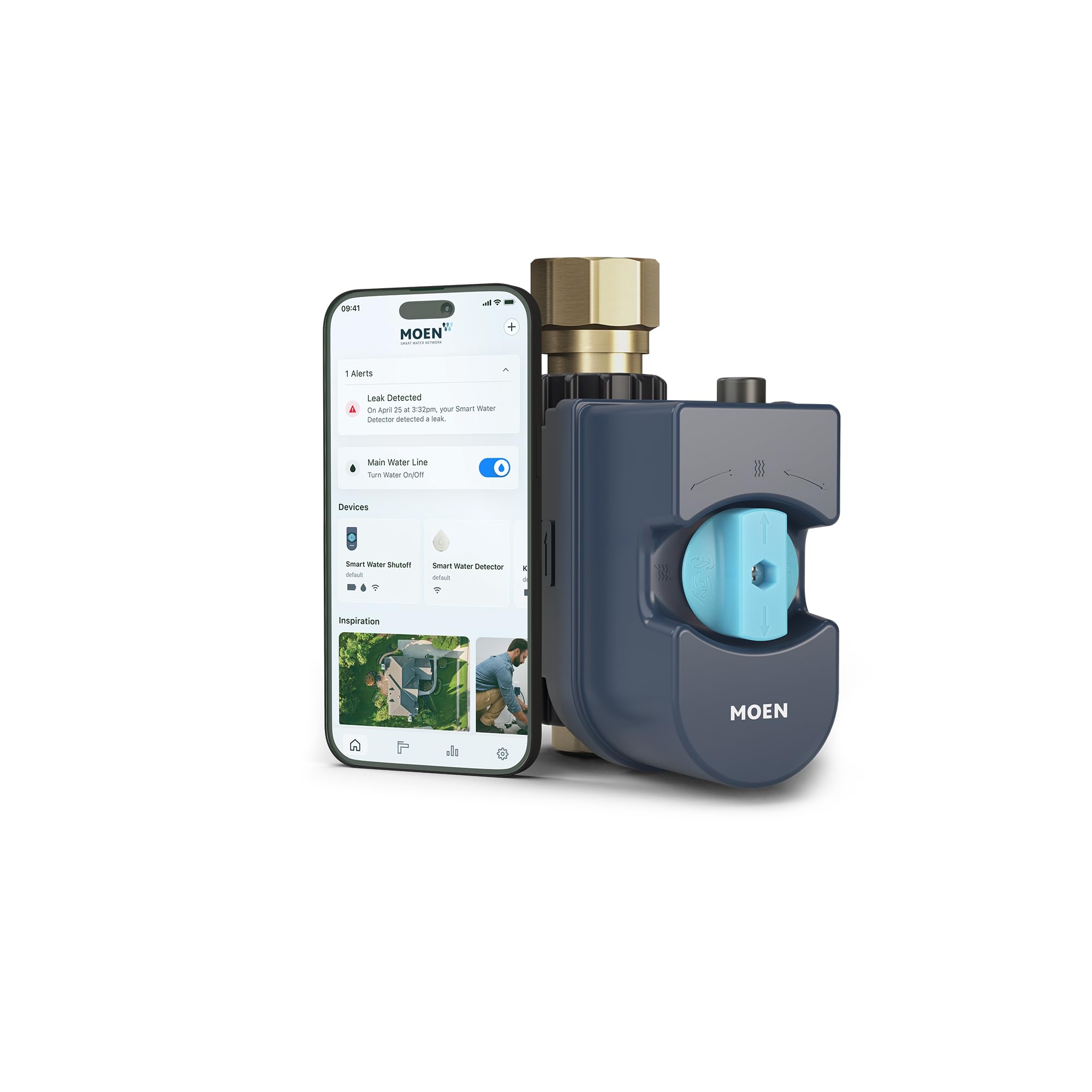
Moen Flo Smart Water Monitor and Automatic Shutoff Sensor, Wi-Fi Water Leak Detector for 3/4-Inch Diameter Pipe, 900-001 - Tub And Shower Faucets - Amazon.com
Moen Flo Smart Water Monitor and Automatic Shutoff Sensor, <strong>Wi-Fi Water Leak Detector for 3/4-Inch Diameter Pipe</strong>, 900-001 - Tub And Shower Faucets - Amazon.com
Check Price on Amazon- Multi-policy (home + auto): One of the largest discounts. If you drive in Delaware, compare bundle pricing with your home quote. You can explore auto options here: Auto Insurance in Delaware: Rates, Requirements & How to Save
- Newer roof or roof certification: Updated roofs, especially with architectural shingles, can cut wind risk and premiums.
- Protective devices: Central-station fire/burglar alarms, monitored smoke detectors, water leak sensors, and smart home devices often earn credits.
- Claims-free: Staying claim-free for 3–5 years can keep your price down.
- Loyalty, pay-in-full, paperless, and new/renovated home credits: Small on their own, but they add up.
- Gated community or HOA maintenance: Sometimes recognized for reduced risk, depending on the carrier.
Pro tip: Quote both $1,000 and $2,500 deductibles. In many Delaware ZIP codes, moving to a higher deductible can save 10%–20% — just make sure you’re comfortable covering that out of pocket.
Filing a home insurance claim in Delaware
When weather hits or a pipe bursts, a clear plan reduces stress and speeds up payment.
- Protect people first, then prevent further damage
- Shut off water if a pipe breaks. Tarp the roof if safe to do so. Document your efforts — policies require you to mitigate damage.
- Document everything
- Take date-stamped photos and video of damage and any standing water. Keep receipts for emergency repairs and temporary lodging.
- Notify your insurer promptly
- Report the loss as soon as practical. Ask whether your hurricane/wind deductible applies (for named storms) and confirm your all-perils deductible.
- Meet the adjuster with notes
- Walk them through all affected areas. Provide contractor estimates if you have them. Ask about approved vendors but know you can select your own licensed contractor.
- Understand how you’ll be paid
- For replacement cost coverage, insurers often pay the actual cash value (depreciated amount) first, then release the recoverable depreciation after repairs are completed and documented.
- Track additional living expenses (ALE)
- Keep detailed receipts for hotels, short-term rentals, meals beyond your normal spend, and extra mileage. ALE can bridge the gap while your home is repaired after a covered loss.
- Be cautious with assignments and door-to-door contractors
- After storms, you may be asked to sign an “assignment of benefits,” handing claim rights to a contractor. Ask your insurer or a licensed agent before signing anything you don’t understand.
Example: A named storm tears shingles from your Lewes roof, causing interior leaks. Repair estimate is $10,000. With a $350,000 dwelling limit and a 2% hurricane deductible ($7,000), you’d be responsible for $7,000 and the insurer would typically pay $3,000 (subject to policy terms). If your policy also has water backup coverage and a failed sump pump contributed, that portion may be covered to your endorsement limit.
If you’re unsure whether to file a small claim, talk to a licensed agent about the potential premium impact. A claim can stay on your record for 3–5 years, and multiple claims in a short period can affect eligibility and price.
FAQ: common questions about Delaware homeowners insurance
Is homeowners insurance required in Delaware?
- Not by state law. Lenders require it for mortgages, and most homeowners keep coverage even without a loan to protect their investment.
Do I need flood insurance in Delaware?
- If you’re in a high-risk flood zone or near the coast or bay, flood coverage is strongly recommended and sometimes required by your lender. Even outside high-risk zones, consider a low-cost preferred risk flood policy — about a quarter of flood claims come from moderate-to-low risk areas. Remember, flood isn’t covered by standard home insurance.
What’s a hurricane deductible, and do Delaware policies have one?
- Many policies in coastal or near-coastal areas include a percentage deductible (1%–5%) for named storms. Some inland policies use a wind/hail deductible instead. Ask how yours is triggered.
How much liability coverage should I carry?
- Many households choose $300,000–$500,000. If you have a pool, rental exposure, significant assets, or host frequently, consider an umbrella policy for an extra $1–$5 million.
I live in a condo in Rehoboth. Do I need different insurance?
- Yes. Condo owners typically buy an HO-6 policy covering interior improvements, personal property, loss of use, liability, and often “loss assessment” to help with certain association-assessed losses. Review your condo association’s master policy to set the right limits.
Will a new roof lower my rate?
- Typically yes, especially if you install architectural shingles or impact-resistant materials. Provide the installation date and documentation to your insurer.
Can I save by bundling?
- In most cases, yes. Bundling home and auto can deliver 10%–25% savings depending on the carrier and your profile. Always compare the bundle against standalone quotes.
How often should I shop?
- Check the market every 12–18 months or after major changes (new roof, finished basement, big renovation). Rates move, and carriers adjust coastal appetite regularly.
Your next step
If you’re a Delaware homeowner, the best move is to line up 3–5 quotes with the same coverages and deductibles. Focus on the right dwelling limit, replacement cost for belongings, water backup in basements, and a hurricane/wind deductible you can actually afford. Then compare service and discounts, not just price.
Call to action: Ready to see real numbers? We’ll help you compare personalized quotes from multiple carriers so you can choose with confidence.
A quick note: This guide is educational and not a promise of coverage or price. Policies vary by insurer and details matter. For tailored advice, consult a licensed agent who can review your home’s specifics and Delaware location.
Recommended Resources
Insurance For Dummies?: Hungelmann, Jack
Whether you’re a homeowner or ... need on: ... Author Jack Hungelmann <strong>uses his twenty-five years of experience in the insurance industry to make buying insurance as simple as possible</strong>
Moen Flo Smart Water Monitor and Automatic Shutoff Sensor, Wi-Fi Water Leak Detector for 3/4-Inch Diameter Pipe, 900-001 - Tub And Shower Faucets - Amazon.com
Moen Flo Smart Water Monitor and Automatic Shutoff Sensor, <strong>Wi-Fi Water Leak Detector for 3/4-Inch Diameter Pipe</strong>, 900-001 - Tub And Shower Faucets - Amazon.com
Whole House Surge Protector
Online shopping from a great selection at Tools & Home Improvement Store.
Related Articles
- Life Insurance in Delaware: Coverage Options, Costs, and What Residents Should Know
- Home Insurance in Pennsylvania: Coverage, Costs & Best Companies
- Home Insurance in Virginia: Coverage, Costs & Best Companies
- Health Insurance in Delaware: Plans, Costs & How to Enroll
- Home Insurance in Connecticut: Coverage, Costs & Best Companies
- Home Insurance in Maine: Coverage, Costs & Best Companies
- Auto Insurance in Delaware: Rates, Requirements & How to Save
- Home Insurance in Maryland: Coverage, Costs & Best Companies