
Auto Insurance in Colorado: Rates, Requirements & How to Save
You’re shopping for auto insurance in Colorado and the quotes look high. Is that normal? Short answer: often yes. Between hailstorms, theft hot spots, and heavy I‑25 traffic, Colorado has some of the steeper car insurance premiums in the Mountain West. The good news is you have plenty of control over what you pay once you understand the rules, the risks, and how insurers price policies.
Below is what actually matters when choosing coverage, what typical costs look like across Colorado drivers, and practical ways to bring your premium down without cutting important protection.
Auto insurance in Colorado: minimum coverage and legal requirements
Colorado is an at-fault state. That means the driver who causes a crash (or their insurer) is responsible for the other party’s injuries and property damage.
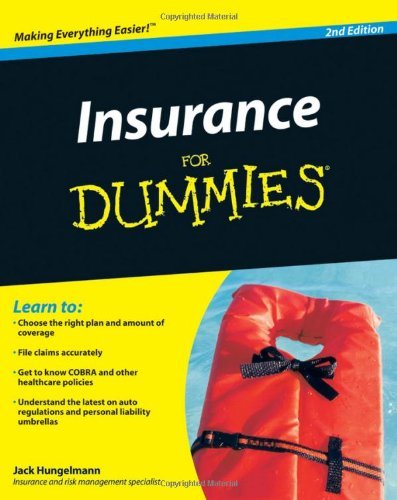
Insurance For Dummies?: Hungelmann, Jack
Whether you’re a homeowner or ... need on: ... Author Jack Hungelmann <strong>uses his twenty-five years of experience in the insurance industry to make buying insurance as simple as possible</strong>
Check Price on AmazonHere’s the minimum required liability coverage in Colorado:
- Bodily Injury Liability: $25,000 per person / $50,000 per accident (often written as 25/50). This pays for injuries you cause to others. It doesn’t pay your injuries.
- Property Damage Liability: $15,000 per accident (15). This pays for damage you cause to other people’s cars or property (like a fence or mailbox).
What those numbers mean in plain English: Liability coverage pays others when you’re at fault. The limits (for example, 25/50/15) are the maximum your insurer will pay. Anything above that comes out of your pocket.
Other Colorado rules and options you should know:
- Uninsured/Underinsured Motorist (UM/UIM): Not required, but every insurer must offer it. UM/UIM helps if you’re hit by a driver with no insurance or too little insurance. In most cases, choosing UM/UIM to match your liability limits is smart protection.
- Medical Payments (MedPay): Not required, but insurers must include at least $5,000 of MedPay on your policy unless you reject it in writing. MedPay helps pay medical bills for you and your passengers regardless of fault. It’s affordable and typically worth keeping.
- Proof of insurance: You must carry proof of insurance (digital ID is accepted) and show it at traffic stops or after an accident. Driving without insurance can lead to fines, points, license suspension, and SR‑22 requirements.
- SR‑22 in Colorado: An SR‑22 is a certificate your insurer files with the state to prove you carry minimum liability coverage after certain violations (like a DUI or driving without insurance). You’ll usually need it for about three years, and your rates typically rise a lot while it’s on file.
- Lender requirements: If you finance or lease your car, your lender will require comprehensive and collision coverage. Comprehensive covers non-crash losses (hail, theft, fire, vandalism). Collision covers damage from hitting another car or object. Both have a deductible — the amount you pay out of pocket before insurance kicks in.
One more thing insurers rarely spell out: Colorado’s minimums can be too low for real-world crashes. A newer SUV you total can easily exceed $15,000 in property damage. Many drivers step up to at least 100/300/100 in liability limits for better protection.
If you want a deeper dive into what each coverage does, see Understanding Auto Insurance Coverage Types. Understanding Auto Insurance Coverage Types
Average car insurance rates in Colorado by age, vehicle, and driving record
Rates vary widely by driver, city, and insurer. But here’s what we typically see in Colorado as ballpark ranges (not quotes):
- State minimum liability only: often $500–$1,100 per year for a clean-driving adult
- Full coverage (liability, comprehensive, collision): often $1,900–$2,800 per year for a clean-driving adult
Your price can land below or far above these depending on age, vehicle, ZIP code, driving history, credit (where allowed), and discounts. A few snapshots:
By age (good driver, 12,000 miles/year, full coverage)
- 20–24-year-old: commonly $2,900–$4,500 per year
- 30–40-year-old: commonly $1,800–$2,600 per year
- 65–74-year-old: commonly $1,900–$2,800 per year
- Teen added to family policy: can push the household premium up by $2,000–$4,000+ per year
Example: Say you’re 35, live in Aurora, drive a 2018 Subaru Forester, and keep a clean record. Full coverage commonly lands around $2,000–$2,600 per year. Move that same profile to rural Mesa County and you might see $300–$600 less, all else equal. Actual quotes will vary.
By vehicle type (good driver, full coverage)
- Economy sedan (Toyota Corolla, Honda Civic): often on the lower end of full coverage ranges
- Crossovers/SUVs (Subaru Forester, Honda CR‑V): typically mid-range
- Pickup trucks (Ford F‑150, Ram 1500): can be higher due to repair costs and theft rates
- Performance cars (Dodge Charger, Subaru WRX): usually higher from more expensive crash claims
- EVs (Tesla Model 3, Chevy Bolt): often higher for collision/comprehensive because of parts and specialized repairs, though this varies by model and insurer
By driving record (adult driver, same car)
- One speeding ticket: often +20% to +30%
- At-fault accident: often +35% to +50%
- DUI: often +60% to well over +100% plus SR‑22 filing
By location
- Denver metro (Denver, Aurora, Lakewood): higher premiums driven by traffic density, hail exposure, and theft frequency
- Colorado Springs, Fort Collins, Greeley: often moderate to high
- Mountain/rural counties: often lower — fewer claims, less theft — but hail and wildlife strikes still matter
These are directional ranges, not offers. The fastest way to see what you would actually pay is to compare real quotes for your profile from multiple carriers.
Factors that affect Colorado auto insurance premiums
Every insurer has its own pricing formula, but most in Colorado look at:

Hail Protector Inflatable Car Cover - CAR2 Size, Silver Portable System for Coupe, Sedan and Wagons 176-195 Inches in Length - Anti-Hail Protection : Automotive
Buy Hail Protector Inflatable Car Cover - CAR2 Size, Silver Portable System for Coupe, Sedan and Wagons 176-195 Inches in Length - Anti-Hail Protection: Full Car Covers - Amazon.com ✓ FREE DELIVERY po
Check Price on Amazon- Driving history and claims: Tickets, at-fault crashes, and DUIs raise rates. Claims from hail or a windshield chip ("comprehensive" claims) typically hurt less than at-fault crashes.
- Mileage and commute: Longer I‑25/I‑70 commutes and rideshare use typically mean higher risk and higher premiums.
- Vehicle model and repair costs: Some cars have pricier parts or are stolen more often. That pushes comprehensive and collision premiums up.
- Where you live and park: Garaging in a locked garage vs. on-street, plus your neighborhood’s claim patterns (hail, theft, collisions) all influence price.
- Coverage choices and deductibles: Higher liability limits cost more. Raising deductibles (the amount you pay out of pocket before insurance pays) on comprehensive/collision can lower premiums.
- Credit-based insurance score: In most cases, insurers in Colorado may consider credit-based insurance scores subject to state rules. Better credit often correlates with lower rates.
- Discounts and programs: Bundling home/renters, telematics (a driving app that tracks braking, speed, and time of day), paying in full, and good student discounts can add up.
Colorado-specific risk factors worth noting:
- Hail Alley: Repeated severe hail seasons mean comprehensive claims for body damage and windshields are common. Comprehensive coverage matters here, and so does your chosen deductible.
- Auto theft: Along the Front Range, theft rates have been elevated in recent years, especially for certain models. Anti-theft devices and secure parking can help.
- Wildfire and wind: Comprehensive also covers fire and falling objects — another reason many Colorado drivers keep it even on older cars.
How to compare and get the cheapest auto insurance in Colorado
The cheapest policy isn’t the one with the lowest price — it’s the one that gives you enough protection at a good price. Here’s a practical way to get there:
- Set a coverage baseline you’re comfortable with
- Liability: Consider at least 100/300/100 if you have a home, savings, or higher income to protect. Minimum 25/50/15 often isn’t enough for real crashes.
- UM/UIM: Match your liability limits in most cases. Hit-and-runs and underinsured drivers do happen.
- Comprehensive and collision: Keep them if your car is newer or financed. Pick deductibles you could pay tomorrow (many Colorado drivers choose $500–$1,000). If hail is a big worry, consider a lower comprehensive deductible and a standard or higher collision deductible.
- Extras to consider in Colorado: Full glass coverage (no deductible on windshields), rental reimbursement (helps if your car’s in the shop after a hailstorm), and roadside assistance (handy in mountain driving).
- Gather consistent info before you quote
- VINs, drivers’ license numbers, current mileage, annual miles, garaging address, and any safety features. Using the same info with each insurer keeps your quotes apples-to-apples.
- Compare at least 3–5 carriers side by side
- Prices jump around by hundreds of dollars depending on the company. That’s normal. Use a tool that shows multiple quotes quickly. Start here if you want a head start: Car Insurance Quotes: Compare Rates & Get Personalized Quotes Fast
- Use discounts without sacrificing coverage
- Bundle home or renters when it makes sense, add telematics if you’re a careful driver, and ask about good student, defensive driver, and pay-in-full discounts.
- Adjust deductibles strategically
- Going from a $500 to a $1,000 comprehensive or collision deductible can save meaningful money. Just be sure you can cover that higher out-of-pocket if something happens.
- Re-shop at renewal or after life changes
- Moving from Denver to Longmont, changing jobs (shorter commute), or paying off your car can change your premium. Re-quote at least once a year.
Want a quick, fair comparison? You can also line up options here: Compare Car Insurance: Best Coverage and Price Today
Colorado-specific discounts and savings opportunities
Insurers don’t always volunteer every discount. Ask about these that commonly apply to Colorado drivers:

Winner International The Club 1000 Original Club Steering Wheel Lock, Red : Automotive
View on Amazon- Telematics/safe-driver programs: If you avoid hard braking and late-night miles, app-based programs can cut 10%–30% off in many cases.
- Good student and distant student: For high school and college drivers with strong grades, or students 100+ miles away without a car.
- Multi-policy and multi-car: Bundling auto with home or renters can help — though with Colorado’s hail-driven home rates, compare the bundle vs. buying separately to confirm the total savings.
- Pay-per-mile policies: If you work from home in Boulder or live in a walkable area of Denver and drive under ~8,000 miles/year, usage-based policies may be cheaper.
- Defensive driver/mature driver courses: Especially for drivers 55+, completing an approved course can earn a discount.
- Anti-theft and VIN etching: Some insurers discount for factory alarms, tracking devices, or VIN etching in theft-prone ZIPs.
- Full glass option: Switching to a small monthly add-on for zero-deductible windshield repairs can save money over time in hail and gravel country.
Example savings stack: A Fort Collins family bundles home + two autos (10% off), adds telematics for the parents (another 12%), and a good-student discount for their junior (7%). Combined, they see roughly 25% off compared to their starting premium — your results will vary, but stacking multiple small discounts is often the path to bigger savings.
For more tactics to trim costs without gutting coverage, see: Cheap Auto Insurance: How to Lower Your Premiums & Get Quotes
Filing a claim in Colorado: what to expect
Here’s how the process typically works after a crash, hail event, or theft:
Make sure everyone is safe and call the police if needed. For hail or single-vehicle events, photos and a quick note of the time/location help.
Report the claim promptly. Your insurer will assign an adjuster and explain next steps. For glass-only claims, many carriers let you schedule repair or replacement directly with a preferred vendor.
Choose a repair shop. Colorado law lets you choose your own repair shop. Insurers may suggest options, but it’s your call. Ask about OEM vs. aftermarket parts, especially for newer vehicles.
Inspection and estimate. After hail, carriers sometimes set up drive-through estimate centers. Otherwise, an adjuster or partner shop inspects your car and writes an estimate.
Pay your deductible if applicable. For comprehensive or collision claims, you pay your deductible and insurance pays the rest up to policy limits.
Rental reimbursement. If you added rental coverage, it helps pay for a temporary car while yours is in the shop (up to the daily/total limit you chose).
Total loss situations. If repairs cost more than the car’s value, it may be totaled. Insurers pay actual cash value (what your car was worth right before the loss), less your deductible. You’ll sign over the title and settle the loan if you still owe.
Colorado legal notes to keep in mind:
- Modified comparative negligence (50% bar): If you’re less than 50% at fault, you can recover damages reduced by your share of fault. If you’re 50% or more at fault, you generally can’t recover from the other party.
- Time limits: You typically have up to three years from the date of a motor-vehicle accident to file an injury or property claim in Colorado, but don’t wait — insurers have shorter policy deadlines for notice and proof of loss.
- Diminished value: Colorado generally recognizes diminished value claims (your car may be worth less after a crash even if repaired). Results vary by insurer and situation.
If you’re uncertain about fault or injuries, consider speaking with a licensed agent or attorney. A quick consult can help you avoid missteps.
FAQ: common questions about Colorado car insurance
Is Colorado a no-fault state?
- No. Colorado is an at-fault (tort) state. The driver who causes the crash is responsible for the other party’s damages.
What is the minimum car insurance in Colorado?
- At least 25/50/15 in liability: $25,000 bodily injury per person, $50,000 per accident, and $15,000 property damage. UM/UIM and MedPay are offered but not required (MedPay is included by default unless you opt out in writing).
How much does auto insurance in Colorado cost?
- For many good drivers, minimum coverage often runs $500–$1,100 per year and full coverage often $1,900–$2,800. Younger drivers, urban ZIPs, DUIs, and certain vehicles can push costs well above those ranges. Always compare real quotes.
Why are Colorado car insurance rates high?
- Frequent hail, higher theft rates in some metro areas, heavy traffic on I‑25/I‑70, and rising repair costs. Those claim patterns drive premiums.
Do I need SR‑22 insurance in Colorado after a DUI or no-insurance ticket?
- Typically yes. An SR‑22 filing with the state is usually required for around three years after certain violations. Expect higher rates while it’s on file.
Are winter tires required — and do they lower premiums?
- Colorado’s Traction Law can require adequate tread, snow tires, or chains on I‑70 during storms, but there’s no statewide requirement year-round. Winter tires may not lower premiums directly, but safer driving helps avoid surcharges from accidents.
Is UM/UIM worth it in Colorado?
- In most cases, yes. UM/UIM protects you if the other driver has no or too little insurance. Matching your liability limits is a common approach.
Will a hail claim raise my rates?
- Comprehensive claims like hail or a cracked windshield typically impact your rate less than at-fault crashes. Multiple weather claims in a short period can still influence your premium or deductible options at renewal.
What’s the best way to lower my premium fast?
- Compare 3–5 quotes, raise deductibles you can comfortably afford, add a telematics/safe-driver program, and bundle with home or renters when the math works.
A licensed agent can help tailor coverage to your budget and risk — especially around UM/UIM, deductibles, and extras like full glass or rental coverage. But the fastest way to see your real price is to compare live quotes for your exact car, ZIP code, and driving record. Start here: Car Insurance Quotes: Compare Rates & Get Personalized Quotes Fast
Next step: Gather your current policy, set target limits (for many, 100/300/100 with UM/UIM and $500–$1,000 deductibles), then compare multiple carriers side by side today. If a quote looks too good to be true, check the fine print for deductibles and excluded coverages before you switch.
Recommended Resources
Insurance For Dummies?: Hungelmann, Jack
Whether you’re a homeowner or ... need on: ... Author Jack Hungelmann <strong>uses his twenty-five years of experience in the insurance industry to make buying insurance as simple as possible</strong>
Hail Protector Inflatable Car Cover - CAR2 Size, Silver Portable System for Coupe, Sedan and Wagons 176-195 Inches in Length - Anti-Hail Protection : Automotive
Buy Hail Protector Inflatable Car Cover - CAR2 Size, Silver Portable System for Coupe, Sedan and Wagons 176-195 Inches in Length - Anti-Hail Protection: Full Car Covers - Amazon.com ✓ FREE DELIVERY po
Winner International The Club 1000 Original Club Steering Wheel Lock, Red : Automotive
The Club's <strong>patented self-locking feature locks with one pull</strong>.Note: Measure your door's backset, cross bore and thickness to ensure you find the right fit. ... Highly visual
Related Articles
- Home Insurance in Colorado: Coverage, Costs & Best Companies
- Life Insurance in Colorado: What Residents Need to Know
- Auto Insurance in California: Rates, Requirements & How to Save
- Auto Insurance in Wyoming: Rates, Requirements & How to Save
- Auto Insurance in Oklahoma: Rates, Requirements & How to Save
- Auto Insurance in Arizona: Rates, Requirements & How to Save
- Auto Insurance in Nevada: Rates, Requirements & How to Save
- Auto Insurance in Alaska: Rates, Requirements & How to Save