
How to Lower Your Renters Insurance Premiums: Smart Savings Strategies and Trade-Offs
You want solid protection without overpaying. The fastest, most reliable ways to lower renters insurance premiums come down to understanding what drives your price and then making smart, targeted adjustments. This guide walks you through what you can and cannot control, practical savings moves (with pros and cons), and concrete next steps.
Note: Rates vary by state and carrier. The examples below are typical ranges, not guarantees.
What actually determines your renters insurance premium
When you know the levers behind pricing, you can focus on the ones you can actually pull. Here are the big factors that usually affect what you pay:
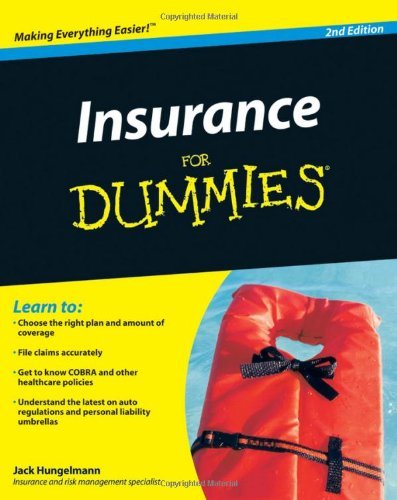
Insurance For Dummies?: Hungelmann, Jack
Whether you’re a homeowner or ... need on: ... Author Jack Hungelmann <strong>uses his twenty-five years of experience in the insurance industry to make buying insurance as simple as possible</strong>
Check Price on AmazonLocation and crime/fire risk
- Neighborhood claims patterns and crime rates. Higher theft or fire risk typically means higher premiums.
- Proximity to a fire station and fire hydrants. Closer is usually cheaper.
- State and ZIP-level risk profiles. You can’t move just for insurance—but building-level safety can still help (see discounts below).
For more on typical cost ranges by state and city, see How Much Is Renters Insurance? (average costs, factors, and examples). Link
Building construction and age
- Construction materials. Brick or fire-resistant buildings often rate better than older wood-frame structures.
- Safety features. Sprinklers, smoke detectors, deadbolts, and monitored alarms can reduce premiums.
- Building age and condition. Older buildings can mean higher risk for fire or water damage, which can raise costs.
Coverage limits and deductibles
- Personal property limit. This is the maximum the insurer will pay to replace your belongings after a covered loss. More coverage costs more.
- Liability coverage. This protects you if you’re legally responsible for someone’s injury or property damage. Higher limits cost more, though liability is usually inexpensive per dollar of coverage.
- Deductible. The amount you pay out of pocket before insurance kicks in. Higher deductibles usually mean lower premiums.
Claims history and credit
- Claims history. Prior claims, especially recent ones, can increase your premiums for several years.
- Credit-based insurance score. In many states, insurers use a version of your credit history to predict risk; better credit generally means lower premiums. Some states limit or restrict the use of credit, so the impact varies by where you live.
Types and value of personal property, and liability exposure
- High-value items. Jewelry, fine art, collectibles, and certain electronics may require extra coverage (an “endorsement,” which is an add-on to your policy). More or higher limits mean higher premiums.
- Dogs and liability risk. Some carriers restrict certain breeds or charge more because of bite risk. Always disclose pets to avoid claim denials.
- Roommates and visitors. More people in and out can be associated with higher risk and may affect eligibility or pricing depending on the carrier.
Practical ways to lower renters insurance premiums (with pros and cons)
Below are common, effective savings moves. I’ll flag the trade-offs so you can decide what fits your situation.
1) Raise your deductible (the amount you pay before insurance pays)
- What it means: Moving from a $250 to $500 or $1,000 deductible usually cuts premiums.
- Typical savings: Often 5–10% going to $500; 10–20% at $1,000, depending on carrier and state.
- Pros: Immediate, predictable premium reduction.
- Cons: Higher out-of-pocket if you file a claim. Make sure your emergency fund can comfortably cover the new deductible.
2) Trim endorsements (add-ons) or high limits you don’t truly need
- What it means: Review optional add-ons—like identity theft coverage, water/sewer backup, or extra electronics coverage—and confirm you still want them.
- Typical savings: 3–10% if you remove less-needed add-ons; more if you scaled up coverage in the past and no longer need it.
- Pros: Avoid paying for extras you won’t use.
- Cons: Removing an endorsement removes that protection. For example, dropping water backup could leave you exposed to a pricey cleanup bill if your building’s line backs up.
3) Choose Actual Cash Value (ACV) for some items when allowed
- What it means: ACV pays today’s value minus depreciation; Replacement Cost Value (RCV) pays what it costs to buy new today. Some insurers let you keep RCV for most items but schedule (separately insure) high-value pieces, or in some cases select ACV vs. RCV options. Not all carriers allow mixing—ask how your policy handles this.
- Typical savings: Switching personal property from RCV to ACV can reduce premiums meaningfully (often 5–15%+), but it depends on the carrier.
- Pros: Lower premium.
- Cons: Lower claim payouts due to depreciation—older items could get pennies on the dollar. Many renters prefer RCV for core belongings and use specific scheduling for valuables. See our guide on high-value items and scheduling coverage. Link
4) Bundle renters with your auto policy
- What it means: Insuring renters and auto with the same carrier.
- Typical savings: Often 5–20% on one or both policies, depending on the carrier.
- Pros: Solid discounts and consolidated billing.
- Cons: If one policy’s rate jumps, you might feel “locked in.” Re-shop both policies annually to keep the bundle honest.
5) Install or verify safety and security devices
- What it means: Smoke detectors, fire extinguishers, deadbolts, sprinkler systems, and especially centrally monitored fire/burglar alarms.
- Typical savings: 2–10%+ depending on devices and the carrier.
- Pros: Real loss prevention and potential discounts. Peace of mind.
- Cons: Monitored systems have monthly fees; be sure the discount offsets costs. You may need proof (e.g., alarm certificate).
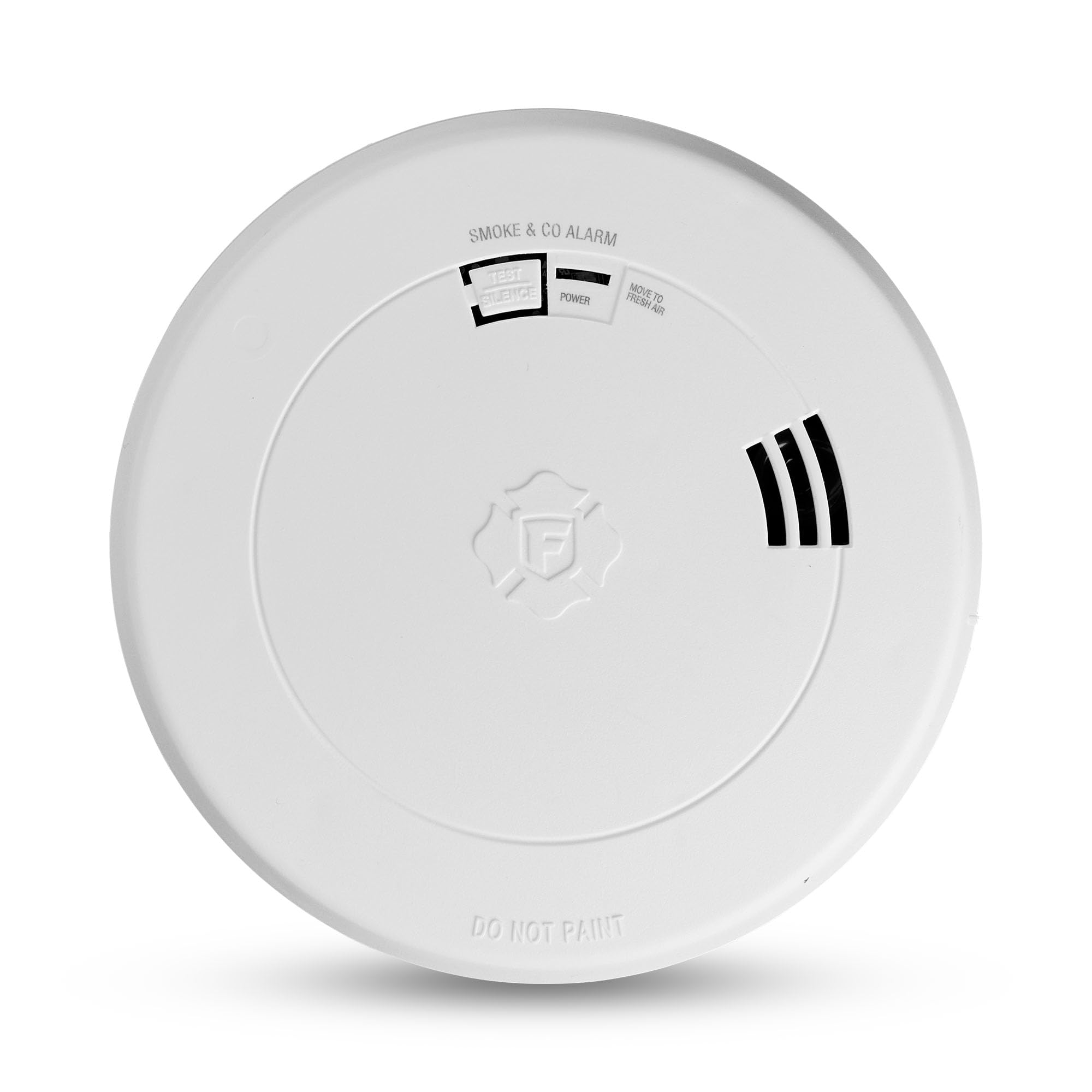
First Alert SMCO210, 10-Year Sealed Battery Combination Smoke & Carbon Monoxide Alarm with Slim Profile Design, 1-Pack : Industrial & Scientific
View on Amazon
SimpliSafe 8 Piece Wireless Home Security System - Optional 24/7 Professional Monitoring - No Contract - Compatible with Alexa and Google Assistant , White : Electronics
View on Amazon6) Maintain a claim-free history
- What it means: Avoid filing small claims you can self-pay. One claim can raise your rate for several years.
- Typical savings: Claim-free discounts can be 5–15% depending on carrier and tenure.
- Pros: Keeps your rate lower over time.
- Cons: Don’t skip filing a legitimate, significant claim—just weigh whether a small loss below or near your deductible is worth reporting.
7) Improve your credit (where allowed)
- What it means: Paying bills on time, reducing card balances, and correcting credit report errors can improve your insurance-based credit score.
- Typical savings: Can be substantial over time, but varies widely and depends on your state’s rules.
- Pros: Helps across many financial products, not just insurance.
- Cons: Takes time. Impact differs by state; some restrict credit use.
8) Pay annually, enroll in autopay, and go paperless
- What it means: Many carriers charge installment fees for monthly payments. Autopay and paperless can also trigger small discounts.
- Typical savings: Avoiding $3–$5 per month in fees saves $36–$60 per year; autopay/paperless discounts may add 1–5%.
- Pros: Easy, set-it-and-forget-it savings.
- Cons: Paying in full requires cash on hand. Watch for fees if you cancel mid-term.
9) Ask about affinity and living situation discounts
- What it means: Alumni associations, employers, professional groups, military status, seniors, or living in a gated or secured-entry building.
- Typical savings: Varies, commonly 2–10%.
- Pros: Often overlooked and easy to verify.
- Cons: You’ll need proof (ID card, pay stub, lease) and not all carriers offer the same programs.
10) Right-size your personal property inventory
- What it means: Use a quick inventory to estimate what it would cost to replace your belongings today. Many people either under- or overestimate by thousands.
- Typical savings: If you’ve been overinsured, dialing limits back to a realistic number can reduce your premium proportionally.
- Pros: Accurate protection—no more, no less.
- Cons: Underestimating leaves you short at claim time. When in doubt, round up modestly and revisit annually as you buy or sell items.
For help comparing coverage while you shop for savings, our renters insurance page walks through what to include and how quotes work. Link
The trade-offs: where cutting costs can cost you more later
Saving money is great—until it leads to a painful gap when something happens. Here are the most common risk areas to weigh carefully.
Underinsuring your belongings
- Risk: Setting a personal property limit that’s too low means you won’t have enough to replace everything after a major loss.
- How to handle it: Build a rough inventory. Open each room in your mind (or your phone’s camera roll) and tally replacement costs—furniture, clothing, kitchenware, bedding, electronics. Many renters need more than they think.
Excluding high-value items without scheduling them
- Risk: Standard policies have “sublimits” (smaller caps within your overall limit) for categories like jewelry, watches, firearms, furs, and sometimes cameras and instruments—often $1,000–$2,500 per category for theft.
- How to handle it: If you own a $6,000 engagement ring, you’ll likely need scheduled personal property (an add-on that lists the item and value) to be fully covered, sometimes with no deductible. Learn when to schedule and how to document value. Link
Choosing a very high deductible without a plan
- Risk: You’ll save on premium but might avoid filing a legitimate claim because you can’t afford the deductible, defeating the purpose of insurance.
- How to handle it: Match your deductible to your emergency fund. A common tactic is to choose the lowest deductible that still creates meaningful premium savings.
Dropping liability coverage too low
- Risk: Liability (coverage if you’re legally responsible for injury or property damage) is relatively inexpensive but vital. Cutting it from, say, $300,000 to $100,000 may save only a few dollars a month but could leave a serious gap in a lawsuit.
- How to handle it: Most renters do well with at least six figures of liability. Consider higher limits if you host often, have a dog, or have significant savings to protect.
Switching everything to Actual Cash Value
- Risk: Claim payouts for older items can be surprisingly small after depreciation. That “cheaper” policy may disappoint when you need it.
- How to handle it: If cost is tight, consider ACV only where allowed and sensible, keep RCV for core contents, and schedule specific valuables.
If you’re weighing whether renters insurance is worth it at all, this explainer covers typical costs versus value and common misconceptions. Link
How to compare quotes and lock in the best price for the right coverage
Here’s a step-by-step that keeps the process quick and apples-to-apples.
1) Build your baseline coverage
- Personal property: Start with your inventory estimate. Many renters land between $20,000 and $50,000, but your number should reflect what it would cost to replace your belongings today.
- Liability: Consider at least $100,000; many opt for $300,000 because the price jump is usually modest.
- Deductible: Pick an amount you can pay comfortably from savings (e.g., $500 or $1,000).
- Add-ons: Note if you need water backup, scheduled jewelry, or replacement cost for contents.
2) Get quotes from 3–5 carriers
- Why it works: Each insurer prices risk differently. The fastest way to see what you’d actually pay is to compare quotes side-by-side.
- Tip: Keep coverage choices the same across all quotes so you’re comparing price, service, and discounts—not different protection levels.
If you want a quick way to compare options and understand coverage trade-offs, start here: Renters Insurance: Compare Quotes & Get the Right Coverage Today. Link
3) Ask every agent these discount questions
- Do you offer a bundle discount with my auto policy? How much would I save?
- What home safety device discounts do you offer? Do I get more credit for a monitored alarm vs. local-only?
- Are there claim-free, loyalty, or new policyholder discounts available?
- Do you offer autopay, paperless, or pay-in-full savings?
- Any affinity discounts for my employer, union, alumni association, or military status?
- How do credit and prior claims affect my rate in my state?
4) Gather documentation to qualify for savings
- Lease showing smoke detectors/secured entry
- Alarm monitoring certificate
- Photos or invoices for safety devices (deadbolts, fire extinguishers)
- Proof of affiliation (alumni card, employer pay stub)
- Prior declarations page (to verify claim-free status and current coverages)
5) Evaluate the whole offer, not just the price
- Claims handling: Ask about average turnaround time and whether the carrier handles claims in-house.
- Payout basis: ACV vs. RCV for contents—confirm what’s included.
- Sublimits: Check theft limits for jewelry, electronics, or instruments.
- Exclusions: Flood and earthquake are typically not covered by standard renters policies. If you need them, ask about separate policies.
6) Decide your savings moves and estimate the impact
Below are typical savings ranges for common adjustments. Your mileage will vary by carrier and state.
- Raise deductible: 5–20%
- Bundle with auto: 5–20%
- Safety devices: 2–10%+
- Claim-free discount: 5–15%
- Pay in full/autopay/paperless: $36–$60 in fees avoided plus 1–5%
- Trim endorsements or right-size limits: Proportional to what you reduce—just be sure coverage still fits your life
Real-world examples
- Say you’re a 28-year-old renter in Ohio with $30,000 of personal property coverage, $300,000 liability, and a $500 deductible. You add a monitored alarm and switch to pay-in-full. Typically, you might see around 2–8% for the alarm plus avoided installment fees—modest by itself, but it stacks with other discounts.
- A 35-year-old in Texas bundles auto and renters, raises the deductible from $500 to $1,000, and goes paperless. Depending on the carrier, bundling could be the biggest lever (often 10–20%), with another 5–10% from the deductible change and a small paperless perk on top.
- A couple in California removes an outdated identity theft endorsement, right-sizes personal property from $60,000 to $45,000 after an inventory, and schedules a $5,000 ring for proper protection rather than keeping broad, overly high limits. Premium may drop from removing unneeded coverage and aligning limits to reality, while the scheduled item ensures the ring is fully covered.
A quick note about licensed advice
This guide gives you a strong framework, but your situation is unique. A licensed agent can help you price options, explain state-specific rules (like how credit is used), and check that any changes won’t leave gaps.
Smart next steps
- Do a 20-minute inventory. Walk your home and estimate replacement costs. Round up modestly to avoid being underinsured.
- Pick your deductible based on your emergency fund. If $1,000 is comfortable, price it.
- List must-have add-ons (e.g., replacement cost contents, water backup, scheduled jewelry) and nice-to-haves.
- Compare 3–5 quotes with identical coverages. Ask the discount questions above.
- Gather documentation to lock in discounts (alarm certificates, affiliations, claim-free proof).
Call to action: The fastest way to see what you would actually pay is to compare quotes from 3–5 carriers. Start your side-by-side comparison here. Link
When to switch carriers or upgrade coverage
- Your rate jumps significantly at renewal with no claims or major changes.
- Service frustrations—slow claims or hard-to-reach support.
- Life changes: new pet, engagement ring, move to a different building type, remote work equipment, or a valuable new instrument.
- You can improve coverage (e.g., add replacement cost or schedule valuables) for a small price difference elsewhere.
Second call to action: If any of the above sounds like you, it’s worth 10 minutes to check fresh quotes and see if you can pay less for the right protection. Link
With a few targeted moves—bundling, the right deductible, documented safety discounts, and right-sized limits—you can typically lower renters insurance premiums without creating risky gaps. Recheck quotes annually, keep good records, and adjust coverage as your life changes.
Recommended Resources
Insurance For Dummies?: Hungelmann, Jack
Whether you’re a homeowner or ... need on: ... Author Jack Hungelmann <strong>uses his twenty-five years of experience in the insurance industry to make buying insurance as simple as possible</strong>
SimpliSafe 8 Piece Wireless Home Security System - Optional 24/7 Professional Monitoring - No Contract - Compatible with Alexa and Google Assistant , White : Electronics
No wiring or drilling required. Or contact SimpliSafe directly if you need help installing your system. <strong>1 FREE month of professional monitoring for fast police response when you need it most</
First Alert SMCO210, 10-Year Sealed Battery Combination Smoke & Carbon Monoxide Alarm with Slim Profile Design, 1-Pack : Industrial & Scientific
Amazon.com: <strong>First Alert SMCO210</strong>, 10-Year Sealed Battery Combination Smoke & Carbon Monoxide Alarm with Slim Profile Design, 1-Pack : Industrial & Scientific
Related Articles
- How to Save on Renters Insurance: Smart Ways to Lower Your Premium
- Get the Best Renters Insurance: Coverage, Costs, and Smart Savings
- Finding the Right Renters Insurance: How to Choose Coverage, Save Money, and Protect Your Belongings
- How to Lower Car Insurance: 15 Smart Ways to Cut Your Premiums
- How to Find the Right Renters Insurance: Coverage, Costs, and Buying Tips
- How to Save on Life Insurance: Practical Ways to Lower Your Premiums
- Best Home Insurance for Renters: Compare Coverage, Cost & Top Picks
- How to Find Cheap Life Insurance: Smart Ways to Lower Your Premiums Without Sacrificing Coverage