
Is Renters Insurance Worth It? A Practical Guide to Decide
You’re renting, your stuff seems… fine, and money is tight. So is renters insurance worth it, or just another bill? Here’s the short answer: for most renters, a basic policy is one of the cheapest ways to protect your things and your savings. Below, we break down what renters insurance is, what it covers, typical costs, and seven real-life scenarios to help you decide with real numbers.
Tip: The fastest way to see what you would actually pay is to compare quotes from 3–5 carriers. Rates vary by state, building, credit-based insurance score (in most states), coverage limits, and your deductible (the amount you pay out of pocket before insurance pays the rest).
What is renters insurance?
Renters insurance is a policy that protects your belongings and your bank account when bad luck hits. It typically includes three core parts:
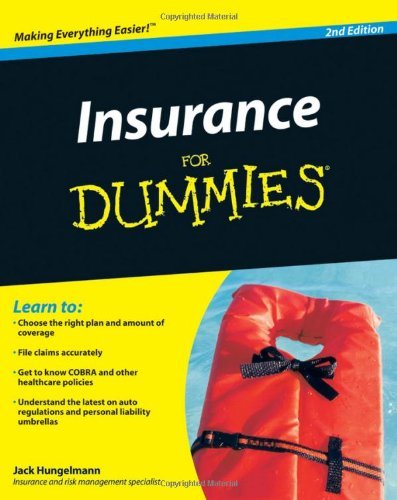
Insurance For Dummies?: Hungelmann, Jack
Whether you’re a homeowner or ... need on: ... Author Jack Hungelmann <strong>uses his twenty-five years of experience in the insurance industry to make buying insurance as simple as possible</strong>
Check Price on Amazon- Personal property coverage: Pays to repair or replace your belongings if they’re stolen or damaged by a covered event. Think furniture, clothes, electronics, bikes, and kitchen gear.
- Liability coverage: Covers you if you accidentally injure someone or damage their property and you’re legally responsible. It can pay legal defense costs and settlements up to your limit.
- Loss of use (also called additional living expenses or ALE): Pays for necessary extra costs if your rental becomes uninhabitable after a covered loss—hotel, short-term rent, meals, laundry.
You’ll also see medical payments to others, a smaller coverage that pays for minor injuries to guests on your premises, regardless of fault.
Important terms you’ll bump into:
- Deductible: The portion of a covered property loss you pay first (commonly $250–$1,000) before insurance kicks in.
- Replacement cost value (RCV): Pays what it costs to buy a new item today.
- Actual cash value (ACV): Pays the depreciated value (what your 4-year-old TV is worth now). RCV typically costs a few dollars more per month but pays better at claim time.
What does renters insurance cover—and what it doesn’t?
Most standard renters policies are “named peril,” covering specific risks. Common covered perils include:

Govee WiFi Water Leak Detector 3 Packs, Leak Alert with Remotely Email/APP Push and Sound Alarm, Smart Water Sensor with 100dB Adjustable Alarm, Suit for Home and Basement - Amazon.com
View on Amazon- Fire and smoke
- Theft and vandalism (on and off premises)
- Sudden and accidental water damage from plumbing/appliances (not flooding from rising water)
- Wind and hail (subject to state and policy)
- Weight of ice/snow, explosion, falling objects, civil unrest
What’s typically not covered (or limited):
- Flood from rising water or storm surge (separate flood policy needed)
- Earthquake/landslide (often a separate endorsement or policy)
- Sewer or drain backup (available as an add-on endorsement in many states)
- Wear and tear, mold from long-term leaks, pests (bedbugs, rodents)
- Roommate’s belongings (unless they’re named on the policy)
- Business property beyond small sublimits (varies by insurer)
- High-value items like jewelry, art, or bikes beyond sublimits unless “scheduled” (specifically listed with appraisals/receipts)
Real-world example: If your laptop is stolen from your car, your auto insurance doesn’t cover it, but renters usually does under personal property—subject to your deductible and whether you have RCV. If your non-scheduled $5,000 engagement ring is stolen, a standard policy might only cover $1,500 due to the jewelry sublimit unless you schedule it.
If you own pricey gear or jewelry, learn how to schedule items and when it’s worth it here: Renters Insurance for High-Value Items: What to Insure, How to Cover It, and When to Schedule (/home-insurance/renters-insurance-high-value-items-guide-scheduling-coverage)
How much does renters insurance cost?
Nationally, basic renters insurance typically ranges from about $12 to $25 per month for $20,000–$30,000 of personal property coverage, $100,000–$300,000 of liability, and a $500–$1,000 deductible. Actual premiums vary by:
- Location: Higher rates in areas with more theft, weather risk, or higher rebuilding costs.
- Building and safety features: Sprinklers, smoke alarms, monitored security, and gated access can lower costs.
- Coverage limits and endorsements: More property coverage, higher liability limits, replacement cost coverage, water backup, and scheduled items all add premium.
- Deductible: Higher deductible, lower premium—but more out of pocket at claim time.
- Claims history: Prior losses can raise rates.
- Credit-based insurance score: Used in most states to help price risk; not used in a few states.
- Bundling and discounts: Auto + renters bundle, protective devices, paying in full, and paperless often reduce your price.
Deductible choices in practice:
- $250 deductible: Higher premium, smaller out-of-pocket when you claim.
- $500 deductible: Common middle ground.
- $1,000+ deductible: Lower premium, but small claims likely aren’t worth filing.
A quick example: A 28-year-old renter in Ohio might see quotes like $14/month with a $1,000 deductible or $18/month with a $500 deductible for similar coverage. Your numbers will differ, but that’s the typical trade-off.
Is renters insurance worth it? 7 real-life scenarios to help you decide
Here’s where “is renters insurance worth it” gets real. We’ll show what a typical policy could do, what you’d pay, and when to self-insure small losses.

First Alert Fire Extinguisher for Home, Standard Rechargeable Compliance Unit, UL RATED 1-A:10-B:C, HOME1, Red, 1-Pack - Amazon.com
View on Amazon- Kitchen fire and smoke damage
- What happened: A pan fire is put out quickly, but smoke ruins your couch, curtains, and rugs.
- Likely coverages: Personal property (smoke damage), possibly loss of use if you can’t stay during cleaning.
- Sample numbers: $8,000 to replace damaged items + $1,200 hotel costs. With a $500 deductible and replacement cost coverage, you might see around $8,700 reimbursed.
- Worth it? Yes—one incident can exceed years of premiums.
- Bike theft from the rack outside work
- What happened: Your $1,200 commuter bike is stolen.
- Likely coverages: Personal property, off-premises.
- Sample numbers: With a $500 deductible, payout could be about $700 if you have RCV. If ACV applies and the bike is older, the payout may be lower.
- Worth it? Maybe. If you have a high deductible or ACV, smaller thefts might be close to break-even. Consider scheduling high-value bikes to remove sublimits and deductibles in some policies.
- Dog bite at the park
- What happened: Your dog nips a passerby; they need stitches and file a claim.
- Likely coverages: Personal liability and medical payments to others.
- Sample numbers: $35,000 in medical/legal costs. With a $300,000 liability limit, insurance typically provides defense and covers damages, subject to policy terms.
- Worth it? Absolutely—this is where renters liability shines. Note: Some insurers exclude certain breeds or require disclosure. Always tell your carrier you have a dog.
- Water leak from upstairs neighbor
- What happened: A burst pipe in the unit above soaks your couch and laptop.
- Likely coverages: Personal property (sudden and accidental water), possible loss of use during repairs.
- Sample numbers: $2,500 couch + $1,200 laptop + $600 incidentals = $4,300. With a $500 deductible and RCV, payout might be around $3,800.
- Worth it? Yes—especially when the at-fault neighbor’s insurance takes time. Your insurer may seek reimbursement later (called subrogation), but you get help now.
- Car break-in—laptop stolen
- What happened: Smash-and-grab takes your $1,500 laptop from the back seat.
- Likely coverages: Personal property—renters, not auto.
- Sample numbers: With a $500 deductible and RCV, about $1,000 back. If ACV, expect less due to depreciation.
- Worth it? Often yes. Off-premises coverage is a big renters insurance benefit.
- Building fire—two months out of your home
- What happened: A fire damages multiple units. Your stuff is partly destroyed; you can’t return for eight weeks.
- Likely coverages: Personal property + loss of use.
- Sample numbers: $12,000 belongings + $6,500 temporary living = $18,500. Your annual premium might be around $200. This is the textbook “worth it” moment.
- Small claims and premium impact
- What happened: Package theft of a $180 item or a cracked $220 phone screen.
- Likely coverages: Personal property, but below or near your deductible.
- Sample numbers: Filing could yield $0–$-ish net after deductible—and may raise rates at renewal.
- Worth it? Usually self-insure small losses; reserve insurance for bigger hits.
After reading these, if you’re thinking “I should at least see my price,” you’re not wrong. Compare quotes and see your real number here: Renters Insurance: Compare Quotes & Get the Right Coverage Today (/home-insurance/renters-insurance-quotes-coverage)
State rules, landlord requirements, and legal considerations
- Landlord requirements: Many landlords require renters insurance, often with at least $100,000 in liability. They may ask to be listed as an “additional interest” (they get policy notices). That is different from “additional insured,” which can change coverage—ask your insurer which they allow.
- State variations: Some states restrict how insurers use credit-based insurance scores; others don’t. Deductibles, wind/hail rules, and required disclosures vary by state.
- Where to check: Your state department of insurance website explains consumer rights, complaint data, and coverage rules in plain language. If your lease has unusual insurance clauses, a licensed agent can help you interpret what’s being asked.
How to decide: a simple checklist and quick replacement-cost estimator
Use this quick checklist to size your needs and gauge “is renters insurance worth it” for you:
Coverage fit
- What’s the total value of your stuff? If a fire destroyed everything, could you replace it out of pocket?
- Do you want replacement cost coverage (RCV) so you can buy new items, not depreciated (ACV) payouts?
- Do you need endorsements like water backup or scheduled jewelry/bikes?
Liability needs
- Do you host friends, have a dog, or use e-bikes/scooters? Consider $300,000–$500,000 liability.
- Do you have savings or future wages to protect from lawsuits? Liability coverage is cheap relative to risk. If you need more than your renters policy offers, consider an umbrella policy for added protection: Umbrella Insurance Guide: Do You Need Extra Liability Coverage? (/auto-insurance/umbrella-insurance-guide-extra-liability-coverage)
Emergency cushion
- Could you cover a $1,000–$3,000 hotel/short-term rental bill if you’re displaced? If not, loss of use coverage is a lifesaver.
Roommates and special situations
- Roommates usually need their own policies; one policy rarely covers multiple unrelated adults unless named.
- Students: Some belongings may be covered under a parent’s homeowners policy while in a dorm—ask the parent’s insurer about limits.
Quick replacement-cost estimator
- Bedroom: Bed/mattress $700–$1,500, dresser $300, bedding/clothes $1,000–$3,000
- Living room: Sofa $700–$2,000, TV $400–$1,200, tables/lamps/rug $300–$1,000
- Kitchen: Small appliances $300–$800, cookware/dishes $300–$800, pantry $150–$300
- Electronics: Laptop $700–$2,000, headphones/speakers $150–$600, gaming/console $300–$700
- Misc: Bike $300–$1,500, sports gear $200–$800, decor/books $200–$600
Add up what applies. A single renter in a 1-bedroom often lands around $20,000–$35,000 in belongings when they actually list everything. If your total surprises you (it usually does), lean toward replacement cost and a property limit that covers your sum with a buffer.
How to buy renters insurance and get quotes
Here is what actually matters when choosing a policy:
What to look for when comparing quotes
- Coverage type: Choose replacement cost coverage (RCV) if your budget allows; ACV is cheaper but pays less.
- Property limit: Match your inventory total, then add 10–20% buffer.
- Liability limit: $300,000 is a common sweet spot; consider $500,000 if you host often or own a dog.
- Deductible: Pick one you can comfortably pay tomorrow.
- Loss of use: Look for a reasonable limit or “actual loss sustained” wording where offered.
- Sublimits: Check jewelry, bikes, electronics, firearms, and cash sublimits; schedule items that exceed them.
- Add-ons that matter: Water/sewer backup, identity theft, equipment breakdown, earthquake (where relevant).
- Claims support: 24/7 claims, local adjusters, and strong reviews for service.
How to get accurate quotes quickly
- Gather basics: Address, building type, security features, prior claims, pet info.
- Decide on limits: Property ($20k–$50k for many renters), liability ($300k+), deductible ($500–$1,000 common).
- Ask about discounts: Auto + renters bundle, protective devices, paying in full, paperless, loyalty, employed/student/professional affiliations.
- Compare at least 3–5 carriers: Prices and sublimits vary more than you’d think.
Ready to see your price? The fastest way to find out is to compare live offers here: Renters Insurance: Compare Quotes & Get the Right Coverage Today (/home-insurance/renters-insurance-quotes-coverage)
A quick note on filing claims
- Use insurance for big, painful losses—not every ding. Frequent small claims can raise premiums or affect renewal.
- Keep receipts and take photos/videos of your stuff now; store them in the cloud. It makes claims much smoother.
Need a second opinion? A licensed agent can review your lease requirements, help right-size your limits, and flag exclusions you might miss.
The bottom line: If replacing your stuff or paying for a temporary place to live would strain your budget—or if a lawsuit would put your savings at risk—renters insurance is typically worth it. For the cost of a couple of coffees a month, you can transfer a lot of financial risk off your plate. If you own a few expensive items, consider scheduling them for full protection: Renters Insurance for High-Value Items: What to Insure, How to Cover It, and When to Schedule (/home-insurance/renters-insurance-high-value-items-guide-scheduling-coverage)
Recommended Resources
Insurance For Dummies?: Hungelmann, Jack
Whether you’re a homeowner or ... need on: ... Author Jack Hungelmann <strong>uses his twenty-five years of experience in the insurance industry to make buying insurance as simple as possible</strong>
Govee WiFi Water Leak Detector 3 Packs, Leak Alert with Remotely Email/APP Push and Sound Alarm, Smart Water Sensor with 100dB Adjustable Alarm, Suit for Home and Basement - Amazon.com
Govee WiFi Water Leak Detector 3 Packs, <strong>Leak Alert with Remotely Email/APP Push and Sound Alarm, Smart Water Sensor with 100dB Adjustable Alarm, Suit for Home and Basement</strong> - Amazon.co
First Alert Fire Extinguisher for Home, Standard Rechargeable Compliance Unit, UL RATED 1-A:10-B:C, HOME1, Red, 1-Pack - Amazon.com
First Alert's HOME1 FE1A10GR Fire Extinguisher is <strong>UL rated 1-A: 10-B:C</strong>; it features durable all-metal construction with a commercial-grade metal valve and trigger to meet demandi
Related Articles
- Finding the Right Renters Insurance: How to Choose Coverage, Save Money, and Protect Your Belongings
- Get the Best Renters Insurance: Coverage, Costs, and Smart Savings
- How Much Is Renters Insurance? Average Costs, Factors & Real Examples
- How to Find the Right Renters Insurance: Coverage, Costs, and Buying Tips
- Renters Insurance in Tennessee: What It Covers, Costs, and How to Choose
- What Does Renters Insurance Cover? Coverage, Limits, Exclusions & Add‑Ons Explained
- Understanding Renters Insurance Coverage: What It Covers, How Much You Need, and How to File a Claim
- Renters Insurance in Illinois: What It Covers and How to Choose the Right Policy