
How to Find Cheap Life Insurance: Smart Ways to Lower Your Premiums Without Sacrificing Coverage
You want reliable protection for your family, but you also want cheap life insurance. Is that realistic? Yes—if you focus on the levers that actually move your price and shop with a plan. This guide breaks down what drives cost, the most effective ways to lower premiums, and how to compare quotes without getting tripped up by fine print.
What Really Drives the Price of Life Insurance (and What You Can Control)
Understanding the main cost drivers helps you focus on what matters—and ignore what doesn’t.
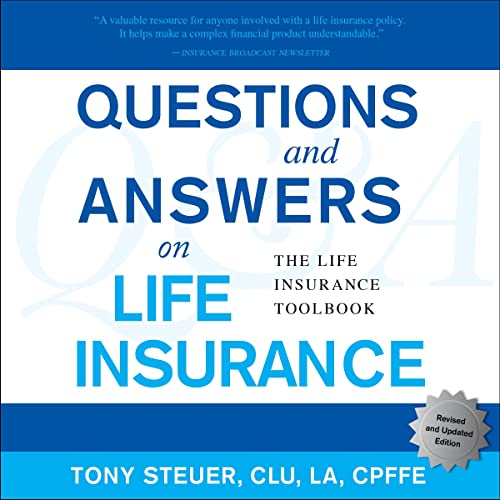
Questions and Answers on Life Insurance: Steuer, Tony
*Amazon Best Seller in Life Insurance* Questions and Answers on Life Insurance is <strong>an extremely useful and one of a kind resource for anyone looking for a simple way to understand life insuranc
Check Price on Amazon- Age: The younger you are when you apply, the lower your rate typically is. Life insurance prices usually increase with every birthday because the risk of death, over time, rises.
- Health: Underwriting (the insurer’s risk evaluation and pricing process) looks at your medical history, prescriptions, build (height/weight), blood pressure, cholesterol, and lab results. Better health typically equals better pricing.
- Tobacco use: Nicotine use nearly always pushes you into a “tobacco” or “smoker” rate class (a pricing category), which can cost 2–4x more than non-smoker rates in many cases. Many insurers will consider you a non-smoker after 12–24 months without tobacco, depending on their rules.
- Coverage amount (face amount): This is the benefit paid to your beneficiary if you die. More coverage costs more. There are per‑$1,000 rate tiers, and sometimes prices “step down” slightly at certain amounts ($500,000 vs. $450,000), so it’s worth checking a few nearby amounts.
- Term length vs. whole life: Term life covers you for a set period (10, 20, 30 years) with level premiums; it’s usually the cheapest way to buy a large amount of protection. Whole life (a type of permanent coverage that lasts for life and builds cash value) costs significantly more for the same death benefit because it’s designed to last forever and include a savings component.
- Occupation and hobbies: Risky jobs or avocations—like commercial piloting, rock climbing, scuba diving, or frequent overseas travel to high‑risk regions—may add a flat extra (an additional charge per $1,000 of coverage) or push you into a lower risk class.
- Sex assigned at birth: Women typically pay less than men due to lower mortality rates. Pricing can vary by insurer.
- Family history and driving record: Early cardiac deaths in immediate family, DUIs, or multiple moving violations can nudge your rate up.
What you can actually change: when you apply, your tobacco status, some health metrics (weight, blood pressure, A1C), the type/length/amount of coverage, and which riders you choose. You cannot change your age or certain history—but you can choose an insurer that views your profile more favorably.
Proven Ways to Lower Life Insurance Premiums Without Losing Protection
Think of these as the “big moves” that typically cut costs the most.
Choose term life for core protection
If the goal is low cost for a meaningful benefit, term life is usually the right starting point. You pick a period—say 20 years—and your premiums and coverage stay level. For a deeper dive into squeezing more value out of term life, see our guide on Affordable Term Life Insurance: How to Get the Right Coverage for Less.
Apply earlier—rates generally rise with age
Locking in while you’re younger and healthier can save thousands over the policy’s life. If you’re planning a lifestyle change—moving states, changing jobs, or starting medication—consider applying before anything that could complicate underwriting.
Improve health where you reasonably can
- Quit tobacco: Moving from smoker to non‑smoker rates can reduce premiums by half or more, depending on the insurer and your age. Most carriers require 12–24 months nicotine‑free.
- Manage blood pressure/cholesterol: Controlled readings, whether through lifestyle or medication, can help you reach a better risk class (your pricing category, such as Preferred or Standard).
- Lose weight gradually: Some insurers credit partial weight loss if it’s been maintained for a year or more. Crash diets right before labs don’t help and can backfire.
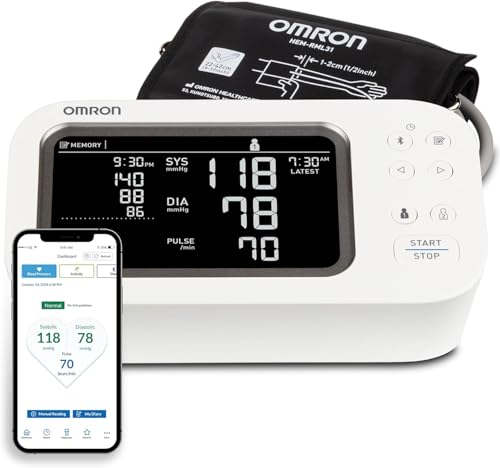
OMRON Platinum Blood Pressure Monitor for Home Use & Upper Arm Blood Pressure Cuff - #1 Doctor & Pharmacist Recommended Brand - Clinically Validated - AFib Detection - Connect App
View on AmazonRight-size your coverage and term
Buy enough—but not more than you need. Many families target term lengths that match major obligations: through the youngest child’s college years or until the mortgage is paid down. If you want help quantifying a target amount, use our step‑by‑step tool: How Much Life Insurance Do I Need? Simple Calculator & Step-by-Step Plan.
Pro tip: Consider “laddering” policies—e.g., split $1,000,000 into a $500,000 20‑year term and a $500,000 10‑year term. As needs decline, some coverage expires, and you avoid overpaying for longer coverage you won’t need later.
Cut riders you don’t need
Riders are optional add‑ons. Some are valuable; others are nice‑to‑have but increase costs.
- Worth considering: term conversion rider (lets you convert term to permanent coverage without new medical underwriting), accelerated death benefit or chronic illness rider (access part of the benefit if you’re terminally or chronically ill—usually included at no cost), and waiver of premium (pauses premiums if you become disabled—review cost and definitions carefully).
- Often skippable if you’re maximizing affordability: return‑of‑premium riders (you pay more now to get premiums back if you outlive the term; the math usually isn’t favorable), child rider if you don’t need it, or stacking multiple optional benefits.
Use group or employer coverage wisely
Employer group term life is often inexpensive or even free up to a set amount (e.g., 1x salary). It’s a great baseline, but it’s usually not portable (doesn’t follow you if you leave) and can shrink or become costly at older ages. Many people pair employer coverage with a personal term policy they control.
Pay annually and use autopay when discounts apply
Some insurers offer a small discount for annual payments or electronic bank drafts. It’s not huge, but every bit helps.
Quick CTA: See Your Real Price by Comparing Multiple Carriers
The fastest way to see what you would actually pay is to compare quotes from 3–5 highly rated carriers. Make sure you keep the coverage amount, term length, and riders the same across quotes so it’s an apples‑to‑apples comparison. If you’re just starting, our walkthrough on getting quotes can help: Life Insurance: How to Choose the Right Policy and Get Quotes.
How to Shop Smart: Getting Accurate Quotes for Cheap Life Insurance
Compare apples to apples
Small differences make quotes look cheaper or pricier than they really are. Hold these constant across all quotes:
- Coverage amount (e.g., $500,000)
- Term length (e.g., 20 years)
- Underwriting type (fully underwritten with exam vs. no exam)
- Riders (add or remove the same ones)
- Payment mode (monthly vs. annual)
Use independent agents and reputable marketplaces
An independent agent can pull quotes from multiple insurers and knows which carrier is friendliest to your profile (for example, some are lenient on build, others on blood pressure or family history). Online marketplaces can also streamline side‑by‑side comparisons—and save you time repeating your details.
Ask to be considered for the best realistic risk class
Risk classes are pricing tiers such as Preferred Plus, Preferred, Standard Plus, and Standard, with separate non‑smoker and smoker tables. Your agent can pre‑screen your health profile to estimate your likely class before you apply. If you apply assuming “Preferred” but your health suggests “Standard,” your quote may jump. A good pre‑screen prevents surprises.
If you quit nicotine or make sustained health improvements, ask about reconsideration or re‑applying later; insurers may reduce your rate class after 12–24 months of documented change.
Understand no‑exam vs. exam options
- No medical exam life insurance skips the in‑person lab and paramedical visit. It’s convenient and can be competitively priced for very healthy applicants—thanks to accelerated underwriting (a faster data‑driven review). But if you have health issues, you may pay more than a fully underwritten policy with an exam. Learn more here: No Medical Exam Life Insurance: Compare Providers & Get Quotes.
- Fully underwritten policies typically offer the lowest possible rates if your labs look good. If you’re in strong health and don’t mind a quick exam, this route usually unlocks the best pricing.
Look for legitimate discounts and multi‑policy opportunities
True life‑insurance‑specific discounts are limited, but you may find:
- Employer or association discounts on individual policies
- Small savings for annual payment or electronic bank draft
- Occasional multi‑policy discounts with insurers that also write your home/auto—though this is less common in life insurance and the savings are usually modest
Choose level term and verify guarantees
For predictability, stick with a level term (premiums and coverage stay the same). Avoid policies where premiums escalate unless you’ve planned for the increases.
When the Absolute Cheapest Policy Isn’t the Right One
Saving money matters—but not if it leaves you underinsured or exposed to surprises.
Know the limits of guaranteed‑issue and simplified‑issue policies
- Guaranteed‑issue life insurance: No health questions and no medical exam. It’s typically used when health issues would prevent other coverage. Trade‑offs: higher premiums per dollar of coverage, lower maximum coverage amounts (often $5,000–$25,000), and a graded death benefit (reduced payout for non‑accidental death, usually during the first 2 years).
- Simplified‑issue life insurance: A short application with health questions but no exam. It’s easier to qualify than fully underwritten, but costs more for the same coverage. Good fit for moderate coverage needs when convenience or speed matters and you’re relatively healthy.
If you can medically qualify for fully underwritten term, that’s usually the cheapest way to secure a larger benefit.
Read exclusions and the contestability language
- Contestability period: During the first two years, the insurer can investigate a claim. If there’s material misrepresentation on the application, they can reduce or deny the claim. Be accurate and complete on your application.
- Suicide clause: Most policies exclude suicide for the first two years, then pay afterward according to policy terms.
- Hazardous activities: Some policies exclude or surcharge for aviation, scuba, climbing, or other activities. If you participate, disclose it so you’re not surprised at claim time.
Balance price with staying power: check financial strength
Look for insurers rated A‑ (Excellent) or better by AM Best (a financial strength rating company). Stronger ratings suggest the insurer is well‑positioned to pay claims over decades. If you’re comparing two quotes that are close, the financially stronger carrier is often the safer bet.
Don’t overlook conversion options
A term conversion option lets you convert part or all of your term policy to a permanent policy (like whole life) without new medical underwriting (no new health questions or exam) during a specified window. If your health changes later, conversion can be a lifeline. The cheapest term policy might have limited or no conversion—check the fine print.
Group life isn’t a replacement for individual coverage
Group coverage is excellent as a base, but because it’s tied to your job and may shrink at older ages (or end if you leave), it usually shouldn’t be your only protection if you have long‑term obligations.
Real‑World Pricing Scenarios (So You Can Benchmark)
These are ballpark ranges to help you calibrate. Actual rates vary by insurer, health, state, and risk class.
- Healthy 35‑year‑old non‑smoker, $500,000 20‑year term: Often in the $20–$35/month range for a Preferred Non‑Smoker class, depending on sex and insurer.
- 35‑year‑old smoker, $500,000 20‑year term: Often $70–$130/month or more. Quitting and re‑applying after the carrier’s nicotine‑free period can significantly lower this.
- 50‑year‑old non‑smoker, $250,000 15‑year term: Frequently in the $45–$90/month range for Standard to Preferred classes, depending on health details and sex.
Example: Say you’re a 35‑year‑old non‑smoker in Texas looking for $500,000 of 20‑year term. A healthy applicant might see quotes in the mid‑$20s per month from multiple carriers, while a Standard class could land closer to the $30s. Add riders or choose a longer term (30 years), and your premium increases. This is why comparing 3–5 carriers matters—each weighs health factors differently.
How to Compare Policies: What to Look For
Use this checklist to make a confident, low‑cost choice.
- Coverage need: Use a calculator to size your benefit. Start here: How Much Life Insurance Do I Need? Simple Calculator & Step-by-Step Plan.
- Policy type: Term for affordability on large needs; permanent (like whole life) only if you have a lifetime need and are comfortable with the higher cost. If permanent coverage is your goal, learn the trade‑offs: Whole Life Insurance Explained: Benefits, Costs, and How to Buy.
- Term length: Match to your obligations (mortgage years remaining, youngest child’s age, retirement timeline).
- Underwriting path: No‑exam vs. fully underwritten—pick the route most likely to yield the best overall cost and approval odds for your health profile. If speed is key and you’re healthy, consider No Medical Exam Life Insurance.
- Risk class expectations: Have your agent pre‑screen so your quote reflects a realistic class.
- Riders: Keep only those that add clear value for your situation (e.g., conversion, disability waiver if affordable and well‑defined).
- Guarantees: Verify level premiums and guaranteed death benefit for the entire term.
- Financial strength: Prefer carriers with strong AM Best ratings (A‑ or better).
- Fine print: Check exclusions, contestability, suicide clause, and conversion deadlines.
Your Next Step: Get Multiple Quotes and Lock in Savings
If your goal is cheap life insurance without gaps, here’s the move:

SentrySafe Black Fireproof and Waterproof Safe, File Folder and Document Box with Key Lock, Ex. 14.3 x 15.5 x 13.5 inches, HD4100 - Amazon.com
View on Amazon- Decide your target coverage and term.
- Get quotes from 3–5 strong carriers with the exact same specs.
- Ask for the best realistic risk class based on a quick health pre‑screen.
- Choose the policy that balances price, guarantees, and insurer strength.
If you want a curated list of strong term carriers to jump‑start your search, see our picks in Best Term Life Insurance Companies (2026): Top Picks & How to Choose. And if you’re focused solely on trimming cost, this guide complements it: Affordable Term Life Insurance: How to Get the Right Coverage for Less.
Prefer a guided experience? Walking through quotes step‑by‑step is often fastest: Life Insurance: How to Choose the Right Policy and Get Quotes.
Note: For personalized advice tailored to your health history and state rules, talk with a licensed independent agent. They can pre‑screen your profile with carriers and flag the best fit before you apply—saving time and money.
Fast Recap: Keys to Finding Cheap Life Insurance
- Buy term for large, affordable protection; keep riders lean
- Apply as early as you reasonably can
- Improve health markers you can control; quit tobacco if possible
- Right‑size your coverage and consider laddering
- Compare 3–5 carriers with identical specs; verify level guarantees
- Favor financially strong insurers and read the fine print carefully
- Revisit your policy if your health improves—you may qualify for a lower rate later
Recommended Resources
Questions and Answers on Life Insurance: Steuer, Tony
*Amazon Best Seller in Life Insurance* Questions and Answers on Life Insurance is <strong>an extremely useful and one of a kind resource for anyone looking for a simple way to understand life insuranc
OMRON Platinum Blood Pressure Monitor for Home Use & Upper Arm Blood Pressure Cuff - #1 Doctor & Pharmacist Recommended Brand - Clinically Validated - AFib Detection - Connect App
CONFIDENCE IN EVERY READING: Monitor your heart health with the OMRON Platinum Upper Arm Blood Pressure Monitor's Advanced Accuracy with AFib Detection Technology; Store up to 100 readings each f
SentrySafe Black Fireproof and Waterproof Safe, File Folder and Document Box with Key Lock, Ex. 14.3 x 15.5 x 13.5 inches, HD4100 - Amazon.com
Whether you’re looking for a ... needs. <strong>Crafted with advanced fireproof and waterproof technology, the SentrySafe HD ensures that your documents and valuables remain intact even in the face of
Related Articles
- How to Save on Life Insurance: Practical Ways to Lower Your Premiums
- How to Lower Life Insurance Premiums: A Practical Guide to Discounts & How to Qualify
- Best Rates for Term Life Insurance: How to Compare Quotes and Lower Your Premiums
- Affordable Term Life Insurance: How to Get the Right Coverage for Less
- Cheap Life Insurance for Young Adults: How to Get Affordable Coverage without Overpaying
- Affordable Auto Insurance for Families: Smart Ways to Cut Costs Without Sacrificing Protection
- Cheap Car Insurance: How to Save on Coverage & Get Fast Quotes
- Health Insurance with Low Premiums: How to Save Smartly and Avoid Costly Surprises