
Best Home Insurance for Renters: Compare Coverage, Cost & Top Picks
You searched for the best home insurance for renters because you want solid protection without overpaying. Here’s what actually matters when choosing a renters policy (also called HO‑4) and how to compare top providers on coverage, price, and service so you can feel confident you’re covered if the worst happens.
Quick note on terms: “Home insurance for renters” is renters insurance. It protects your stuff and your liability as a tenant—your landlord’s policy does not cover your belongings.
What renters insurance covers (and why renters need it)
A good renters policy typically includes four core protections:
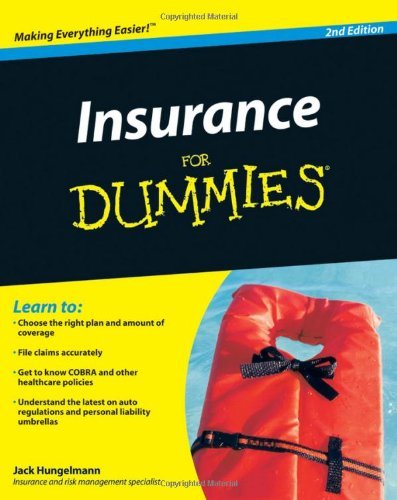
Insurance For Dummies?: Hungelmann, Jack
Whether you’re a homeowner or ... need on: ... Author Jack Hungelmann <strong>uses his twenty-five years of experience in the insurance industry to make buying insurance as simple as possible</strong>
Check Price on Amazon- Personal property coverage: Pays to repair or replace your belongings (furniture, electronics, clothes) if they’re stolen or damaged by a covered peril like fire, smoke, vandalism, or certain types of water damage. Covered perils are listed in the policy.
- Liability coverage: Covers you if you’re responsible for injuries or property damage to others. Example: your candle starts a fire in your unit and damages a neighbor’s property—liability can cover those costs up to your limit, plus legal defense.
- Additional living expenses (ALE), also called loss of use: Pays for temporary living costs (hotel, short‑term rental, meals) if your place is uninhabitable after a covered loss.
- Medical payments to others: Small, no‑fault coverage that helps with minor injuries to guests at your place (for example, a slip and fall), regardless of who’s at fault.
If you want a deep dive on what’s included and what isn’t, see What Does Renters Insurance Cover? (Coverage, Limits, Exclusions & Add‑Ons Explained). [/home-insurance/what-does-renters-insurance-cover]
Replacement cost vs. actual cash value
- Replacement cost value (RCV): The insurer pays what it costs to buy a new item of like kind and quality today. No depreciation.
- Actual cash value (ACV): The insurer subtracts depreciation (wear and tear), so you get less for older items.
RCV generally costs a bit more but is worth it for most renters. With ACV, that five‑year‑old TV might only net you a fraction of what a new one costs.
Common exclusions and coverage gaps renters should watch for
Most renters policies exclude:
- Flood (rising water from outside). Consider separate flood coverage if you’re in a flood‑prone area; renters can buy contents‑only flood insurance.
- Earthquake (in most states). Often available as a separate policy or endorsement (an add‑on to your policy).
- Sewer or drain backup. Often excluded unless you add a water backup endorsement.
- Wear and tear, maintenance issues, and pest damage (mice, bedbugs).
- Business property beyond small sublimits. If you work from home with expensive gear, check limits and consider endorsements.
- High‑value items like jewelry, watches, art, or collectibles beyond sublimits (often $1,000–$2,500 per item). You can “schedule” items—list them specifically for higher limits, often with no deductible.
If you have pricey valuables, read Renters Insurance for High‑Value Items: What to Insure, How to Cover It, and When to Schedule. [/home-insurance/renters-insurance-high-value-items-guide-scheduling-coverage]
How we compare the best home insurance for renters
Here are the objective criteria that separate a great renters policy from a merely okay one. We translate the jargon and give you clear decision points.
- Premium range: Typical renters premiums range from about $8 to $40+ per month, depending on your location, coverage limits, deductible (the amount you pay out of pocket before insurance kicks in), your claims history, and sometimes credit‑based insurance scores (where allowed).
- Coverage limits and sublimits: Look for personal property limits that realistically cover your stuff (commonly $20,000–$50,000) and check sublimits for categories like jewelry, electronics, and bikes. Higher base sublimits mean fewer surprises.
- Deductible options: Standard choices are $250, $500, $1,000, even $2,500. Higher deductibles typically lower your premium—but only choose what you could comfortably pay after a loss.
- Replacement cost endorsement: Confirm whether personal property is RCV by default or requires an endorsement. This is one of the most valuable upgrades for most renters.
- Liability limits: $100,000 is common, but many renters opt for $300,000–$500,000, especially if they host guests frequently or have higher assets.
- Add‑ons (endorsements): Useful options include water/sewer backup, identity theft monitoring/recovery, scheduled personal property, earthquake (where offered), and coverage for home‑sharing or side‑hustle gear.
- Claims experience: Look for fast, transparent claims handling and multiple filing options (app, online, phone). Read recent reviews for responsiveness during catastrophes.
- Customer support and financial strength: Access to knowledgeable agents or digital support when you need it, and strong financial ratings (typically A‑ or better from AM Best) so claims can be paid.
- Discounts and bundling: Common ways to save include bundling with auto, protective devices (smoke alarms, monitored security), claims‑free, paying in full, autopay, and loyalty/early‑shopper discounts.
Want to get a sense of pricing first? Check How Much Is Renters Insurance? Average Costs, Factors & Real Examples. [/home-insurance/how-much-is-renters-insurance]
Note: Availability of discounts and add‑ons varies by state and insurer. Rates always vary by your individual circumstances.
Best home insurance for renters: top picks by renter profile
Below are representative fits based on typical offerings of well‑known national and digital carriers. Availability, features, and rates vary by state; always confirm details with the insurer.
Budget‑conscious renters
Good fits often include large national carriers and digital‑first insurers known for competitive base rates and strong bundling discounts with auto.
- Pros: Lower monthly premiums, straightforward coverage, easy online quotes, strong bundling savings.
- Cons: Base policies may be ACV instead of RCV unless you add the endorsement; sublimits for valuables may be modest.
- Who this is for: Renters who want reliable coverage at the lowest price and don’t need many add‑ons.
- Representative monthly premiums: $10–$18 for $25,000 personal property, $300,000 liability, $500–$1,000 deductible in lower‑risk areas; $15–$30 in dense urban or coastal ZIP codes.
Example scenario: A 28‑year‑old renter in Columbus, Ohio with $25,000 in personal property and $300,000 liability might see quotes around $12–$18/month from multiple carriers when bundling with auto. Actual rates vary.
Renters with high‑value items (jewelry, bikes, cameras)
Look for insurers with strong scheduled personal property options (you can list items individually with appraisals or receipts) and higher default sublimits.
- Pros: Ability to schedule items with broad coverage and often no deductible; access to RCV on personal property.
- Cons: Slightly higher premiums; you may need appraisals for expensive items.
- Who this is for: Renters who want peace of mind for a $6,000 engagement ring, $4,000 e‑bike, or pro camera kit.
- Representative monthly premiums: Base $15–$28 plus scheduled item fees that vary by item value and location.
Tip: If you’re insuring valuables, read our guide on scheduling high‑value items for renters. [/home-insurance/renters-insurance-high-value-items-guide-scheduling-coverage]
Roommates sharing a rental
Most renters policies cover household members related by blood, marriage, or domestic partnership. Unrelated roommates generally need their own individual policies. Some carriers allow adding a roommate for a fee; others don’t.
- Pros: Each roommate carrying their own policy avoids messy claim splits and ensures each person’s belongings are properly covered.
- Cons: If you share large items (like a TV), decide who lists it and keep the receipt.
- Who this is for: Households of friends or co‑workers.
- Representative monthly premiums: $10–$25 per roommate depending on limits and ZIP code.
Roommate tip: Even if your insurer allows adding a roommate, separate policies often make claims and payouts cleaner.
Pet owners
Liability coverage typically extends to dog bites, but some carriers exclude certain breeds or require higher premiums or special endorsements. Check the policy’s animal liability terms.
- Pros: Higher liability limits ($300,000–$500,000) can help protect your savings if a bite or injury occurs.
- Cons: Breed restrictions and exclusions vary; some carriers won’t cover certain breeds at all.
- Who this is for: Renters with dogs, frequent guests, or home services delivered at their apartment.
- Representative monthly premiums: $14–$30+ depending on breed, claims history, and liability limit.
High‑risk areas (theft or flood‑prone neighborhoods)
If your area has higher theft or you’re near creeks or coasts, look for strong theft coverage, easy‑to‑use claims, and options for flood or water backup.

SimpliSafe 8 Piece Wireless Home Security System - Optional 24/7 Professional Monitoring - No Contract - Compatible with Alexa and Google Assistant , White : Electronics
View on Amazon- Pros: Customizable add‑ons like water/sewer backup; guidance on separate flood coverage if needed.
- Cons: Higher base rates; may require higher deductibles or special wind/hurricane deductibles in coastal states.
- Who this is for: Renters in ground‑floor units, urban areas with higher theft rates, or near flood zones.
- Representative monthly premiums: $18–$40+ for standard renters; contents‑only flood insurance is typically an additional annual premium.
Putting names to profiles (examples)
While every insurer has pros and cons, here’s how common brands often line up for renters. Always verify features and pricing in your state.
- State Farm / Allstate / Nationwide / Travelers: Broad agent networks, strong bundling with auto, good options for scheduled personal property, and widely available RCV. Often good for budget‑conscious renters, families, and those wanting hands‑on agent help.
- Lemonade and other digital‑first carriers: Fast app‑based quotes and claims, transparent pricing, and modern interfaces. Often appealing to budget‑focused renters and tech‑savvy shoppers in urban areas.
- USAA: Excellent value and coverage breadth for military members, veterans, and their families. Membership required; availability limited to eligible households.
- Progressive (partnered underwriters) and other marketplaces: Convenient comparison and bundling paths; policy specifics depend on the underwriting carrier in your state.
Pros and cons vary by location and underwriting company. Focus on your coverage needs first, then compare quotes across 3–5 carriers to see who fits at a fair price.
CTA: The fastest way to see what you’d actually pay is to compare personalized renters insurance quotes from multiple carriers. Start here: Renters Insurance: Compare Quotes & Get the Right Coverage Today. [/home-insurance/renters-insurance-quotes-coverage]
How to pick the right policy and get accurate quotes
Step 1: Inventory your stuff (it’s easier than you think)
- Walk‑through video: Slowly record each room, opening closets and drawers. Narrate brands/models.
- Photos + receipts: Snap serial numbers for electronics and bikes; store receipts or order confirmations in a cloud folder.
- Use an app or spreadsheet: List major categories and totals—bedroom furniture, kitchenware, clothes, small appliances, electronics.
- Don’t forget: Rugs, cookware, books, cosmetics, sports gear, and the closet full of “I’ll wear it someday.” It all adds up.
A realistic inventory helps you choose a personal property limit that actually covers your belongings—no guessing.
Step 2: Choose your limits and deductible
- Personal property: Many renters land between $20,000 and $50,000. If you have a studio with minimal furniture and a laptop, $20,000–$30,000 may suffice. A two‑bedroom with nicer furniture might need $40,000–$60,000.
- Liability: Consider at least $300,000; bump to $500,000 if you have assets to protect or host often.
- Medical payments: $1,000–$5,000 is common; it’s inexpensive and can smooth minor injuries to guests.
- Deductible: Pick the highest amount you can comfortably pay out of pocket—$500 is a practical middle ground for many renters, while $1,000 can lower premiums if you have savings.
Step 3: Add the right endorsements
- Replacement cost on personal property: Often the most valuable upgrade.
- Water/sewer backup: Helpful for lower‑level units or older buildings.
- Scheduled personal property: For jewelry, watches, bikes, cameras, musical instruments, or art.
- Identity theft: Some policies add monitoring and recovery assistance.
- Earthquake or flood: Earthquake may be an add‑on in some states; flood is typically a separate policy (contents‑only available for renters).

Govee WiFi Water Leak Detector 3 Packs, Leak Alert with Remotely Email/APP Push and Sound Alarm, Smart Water Sensor with 100dB Adjustable Alarm, Suit for Home and Basement - Amazon.com
View on AmazonStep 4: Shop smart to save
- Compare at least 3–5 quotes in the same day, using the same coverage selections. Small differences in limits or deductible can mask real price comparisons.
- Ask about bundling with auto, paying in full, claims‑free, and protective device discounts (smoke detectors, sprinklers, monitored alarm).
- Increase your deductible if it meaningfully lowers your premium—but don’t stretch beyond your emergency fund.
- Remove add‑ons you don’t need; keep those that protect your real risks.
If lowering costs is your top goal, take a look at How Much Is Renters Insurance? and then focus on the discounts you can qualify for. [/home-insurance/how-much-is-renters-insurance]
Step 5: Know what to document for claims
- Keep your inventory, receipts, and photos in cloud storage.
- After a loss, take pictures/video of damage before cleanup.
- File promptly via app, online, or agent; keep all communication in writing.
- For theft, get a police report number.
- For scheduled items, keep appraisals current if required.
State‑specific considerations and regulatory notes
- Credit‑based insurance scores: Some states restrict or prohibit their use for property insurance pricing. Where allowed, good credit can lower rates.
- Catastrophe deductibles: Coastal and wind‑prone states may require separate wind/hail or hurricane deductibles, often a percentage of your personal property limit.
- Earthquake and flood: Earthquake is usually a separate endorsement or policy; flood is typically separate. Landlords in flood zones may require proof of contents coverage.
- Breed restrictions: Dog liability coverage rules vary by state and insurer.
- Proof of insurance: Many landlords require a minimum liability limit and may ask to be listed as an “interested party” (they get notices of cancellation). That does not give the landlord coverage under your policy.
Quick checklist: pick the right renters policy
- Personal property limit matches your inventory total (round up a bit for future purchases)
- Replacement cost on personal property selected
- Liability at least $300,000 (consider $500,000)
- Deductible you can afford to pay tomorrow
- Endorsements that fit your risks (water backup, scheduled items, ID theft)
- Confirm sublimits for jewelry, bikes, and electronics
- Discounts applied (bundle, protective devices, claims‑free)
- Read exclusions and any breed or roommate restrictions
What it might cost: real‑world examples (illustrative only)
- Austin, TX: 30‑year‑old renter, $30,000 property, $300,000 liability, $500 deductible, RCV endorsement. Typical range: $14–$26/month.
- New York, NY: 32‑year‑old renter, $50,000 property, $300,000 liability, $1,000 deductible, RCV + water backup. Typical range: $22–$40/month.
- Chicago, IL: 26‑year‑old with $25,000 property, $300,000 liability, $500 deductible, ACV. Typical range: $12–$20/month.
- Miami, FL: 40‑year‑old, $40,000 property, $300,000 liability, $1,000 deductible, RCV; separate wind/hurricane deductible may apply. Typical range: $18–$36+/month.
These examples are not quotes or guarantees—actual premiums vary by state, building features, claims history, and discounts.
Ready to compare your options?
You’ll get the best value by matching coverage to your risks and then shopping the market. The fastest way to see your real price is to compare quotes from several carriers side‑by‑side with the same limits and deductible.
- Start here: Renters Insurance: Compare Quotes & Get the Right Coverage Today. [/home-insurance/renters-insurance-quotes-coverage]
- Want a refresher on coverage details before you shop? Read What Does Renters Insurance Cover? [/home-insurance/what-does-renters-insurance-cover]
A licensed agent can help you decide on limits, endorsements, and deductibles based on your specific situation and state rules. If you’re unsure about anything—especially valuables, pets, or flood/earthquake—ask before you buy.
Next step: Grab a 10‑minute inventory (a quick video tour works), pick a starting limit and deductible, and compare 3–5 quotes today. You’ll know exactly where you stand—and you won’t overpay for coverage you don’t need.
Recommended Resources
Insurance For Dummies?: Hungelmann, Jack
Whether you’re a homeowner or ... need on: ... Author Jack Hungelmann <strong>uses his twenty-five years of experience in the insurance industry to make buying insurance as simple as possible</strong>
SimpliSafe 8 Piece Wireless Home Security System - Optional 24/7 Professional Monitoring - No Contract - Compatible with Alexa and Google Assistant , White : Electronics
No wiring or drilling required. Or contact SimpliSafe directly if you need help installing your system. <strong>1 FREE month of professional monitoring for fast police response when you need it most</
Govee WiFi Water Leak Detector 3 Packs, Leak Alert with Remotely Email/APP Push and Sound Alarm, Smart Water Sensor with 100dB Adjustable Alarm, Suit for Home and Basement - Amazon.com
Govee WiFi Water Leak Detector 3 Packs, <strong>Leak Alert with Remotely Email/APP Push and Sound Alarm, Smart Water Sensor with 100dB Adjustable Alarm, Suit for Home and Basement</strong> - Amazon.co
Related Articles
- Get the Best Renters Insurance: Coverage, Costs, and Smart Savings
- Finding the Right Renters Insurance: How to Choose Coverage, Save Money, and Protect Your Belongings
- How to Find the Right Renters Insurance: Coverage, Costs, and Buying Tips
- Home Insurance vs Renters Insurance: Key Differences, Real-World Examples, and Which One You Need
- Renters Insurance: Compare Quotes & Get the Right Coverage Today
- What Does Renters Insurance Cover? Coverage, Limits, Exclusions & Add‑Ons Explained
- How to Lower Your Renters Insurance Premiums: Smart Savings Strategies and Trade-Offs
- Understanding Renters Insurance Coverage: What It Covers, How Much You Need, and How to File a Claim