
How to Save on Renters Insurance: Smart Ways to Lower Your Premium
You just got a renters insurance quote and the number seems higher than you expected. Is that normal? Here’s how to save on renters insurance without leaving yourself underinsured. We’ll show you what actually drives your price, the highest-impact ways to lower it, and how to document discounts so you get every dollar you’re eligible for.
If you want the quick win: the fastest way to see what you’d actually pay is to compare quotes from 3–5 carriers on the same coverage. You can start that process here: Renters Insurance: Compare Quotes & Get the Right Coverage Today.
What Renters Insurance Covers (and What Drives the Price)
Before we talk savings, know what you’re buying. A standard renters policy typically includes:
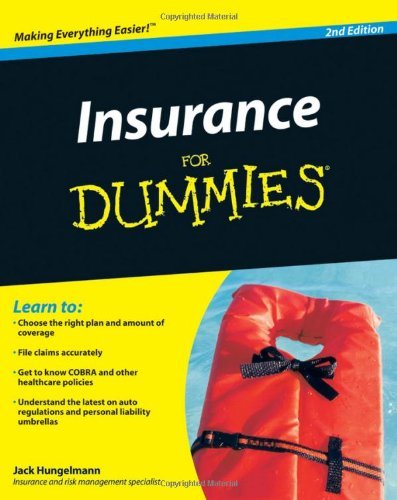
Insurance For Dummies?: Hungelmann, Jack
Whether you’re a homeowner or ... need on: ... Author Jack Hungelmann <strong>uses his twenty-five years of experience in the insurance industry to make buying insurance as simple as possible</strong>
Check Price on Amazon- Personal property coverage (Coverage C): pays to repair or replace your belongings if they’re damaged or stolen, up to your limit, after your deductible (the amount you pay out of pocket before insurance kicks in).
- Liability coverage: pays if you accidentally injure someone or damage their property and are legally responsible, plus legal defense costs.
- Loss of use (additional living expense): covers extra costs if you can’t live in your rental after a covered loss (hotel, meals, laundry).
- Medical payments to others: small coverage for minor injuries to guests, regardless of fault.
Optional add-ons (called endorsements—extra coverage you can buy) include water backup, identity theft, replacement cost on personal property, and scheduled personal property (extra coverage for high-value items like jewelry, which we’ll explain below).
What affects your renters insurance premium:
- Location: Neighborhood crime rates, local fire protection, and severe-weather risk all matter. Two buildings on opposite sides of town can rate differently.
- Building type and safety features: Construction materials (brick vs. wood), year built, sprinklers, monitored alarms, and even floor level can influence price.
- Coverage limits and valuation: Higher personal property limits cost more. Replacement cost value (pays to replace new) usually costs more than actual cash value (ACV—pays depreciated value).
- Deductible: Higher deductibles lower your premium because you agree to pay more if there’s a claim.
- Credit/claims history: In many states, insurers may use a credit-based insurance score; a strong score often reduces your rate. Fewer or no past claims generally helps.
- Household details: Roommates, certain dog breeds (liability risk), and your prior insurance history (continuous coverage) can impact eligibility and price.
- Discounts: Bundling with auto, security devices, paperless billing, autopay, and claims-free status can lower what you pay.
Curious what people actually pay? See ranges and examples here: How Much Is Renters Insurance? Average Costs, Factors & Real Examples.
How to Save on Renters Insurance: High-Impact Strategies
Here are the most reliable, consumer-friendly ways to reduce your premium—without cutting corners that could cost you later.
1) Compare 3–5 quotes side by side
Different insurers price risk differently. For the same coverage and deductible, it’s common to see a 30%+ spread between carriers. Get quotes on identical settings:
- Personal property limit (for example, $25,000 or $40,000)
- Liability limit (typically $300,000 or $500,000)
- Deductible ($500, $1,000, or higher)
- Valuation (replacement cost vs. ACV)
- Endorsements (e.g., water backup, scheduled jewelry)
Then compare total annual premiums and what’s included or excluded. If one quote is much lower, make sure it isn’t ACV only, doesn’t have a sky-high deductible, or missing key endorsements.
CTA: Ready to see real numbers for your situation? Start a quick comparison here: Renters Insurance: Compare Quotes & Get the Right Coverage Today.
2) Bundle with your auto policy
Multi-policy discounts (insuring auto and renters with the same company) can be meaningful—often 5%–25% on one or both policies, depending on the carrier and your state. Bundling also simplifies billing and can unlock extra perks. Just confirm the combined price really is lower than buying separately. For a deeper look at bundling pros and cons, see: Bundle & Save: What You Need to Know About Insurance Multi-Policy Discounts.
3) Raise your deductible—smartly
Going from a $500 to a $1,000 deductible can reduce your premium, often in the 10%–20% range for renters policies. Only do this if you have an emergency fund to comfortably cover the higher out-of-pocket amount. A good rule: pick the highest deductible you can afford on a bad day.
4) Pay annually, enroll in autopay, and go paperless
Many insurers offer small discounts for annual pay (vs. monthly), autopay (EFT/ACH), and paperless billing. These are easy savings with no coverage trade-off. The dollars aren’t huge individually, but they add up.
5) Handle roommates the right way
Some carriers allow unrelated roommates to share one policy; others don’t. Even when allowed, sharing a policy means shared claims history. If your roommate files a claim, that may affect your future rates. Often, each roommate carrying their own policy is cleaner and can be similarly priced. If you do share, make sure:
- Both names are on the policy.
- Your personal property limit is high enough for everyone’s belongings.
- You agree on the deductible split and how claims will be handled.
6) Remove endorsements you don’t need—keep the ones you do
Review add-ons like water backup, earthquake, identity theft, electronic data recovery, or specialty riders. If an endorsement doesn’t fit your risk, removing it can lower your premium. But don’t cut essentials to save a few dollars. For example, water backup is a relatively inexpensive add-on in many places and can be a lifesaver if your building has older plumbing. If you own high-value items (engagement rings, watches, fine art), you may need scheduled personal property (itemized coverage with higher limits and broader protection). Skipping that to save a few bucks could backfire at claim time. Learn more about when scheduling is worth it: Renters Insurance for High-Value Items: What to Insure, How to Cover It, and When to Schedule.
7) Earn safety and mitigation discounts
Insurers often discount for:

Govee WiFi Water Leak Detector 3 Packs, Leak Alert with Remotely Email/APP Push and Sound Alarm, Smart Water Sensor with 100dB Adjustable Alarm, Suit for Home and Basement - Amazon.com
View on Amazon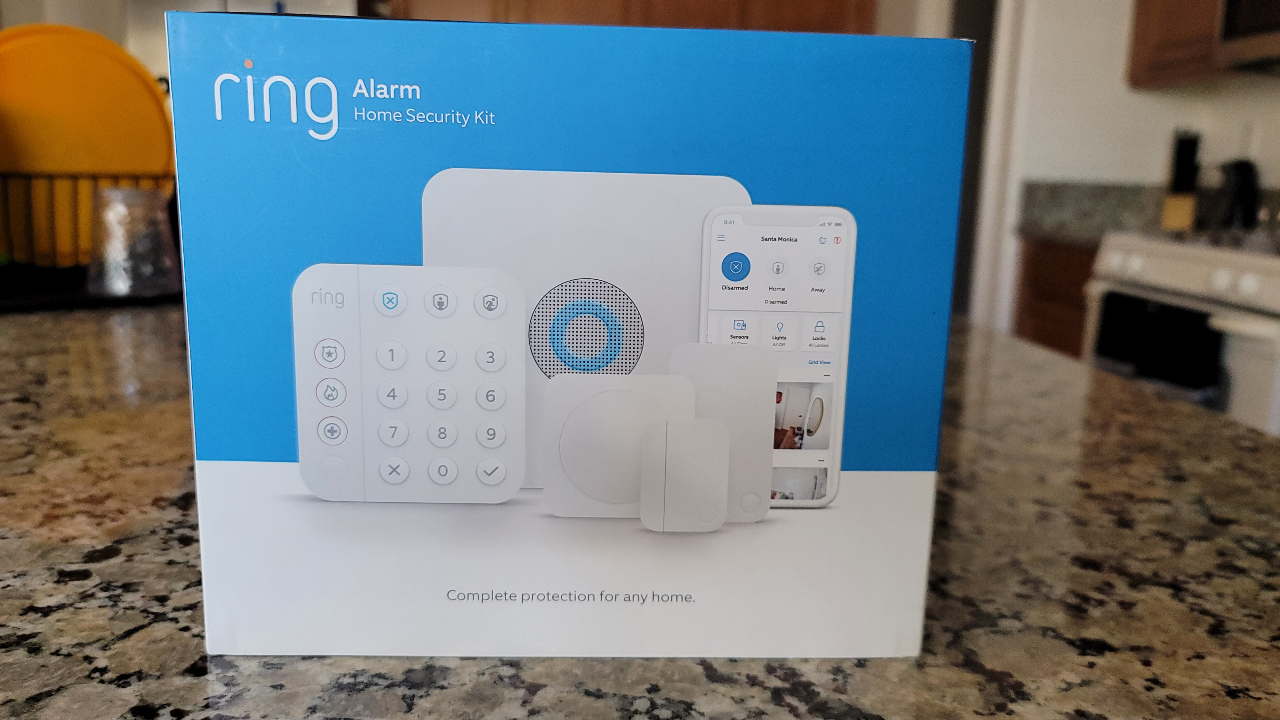
Ring Alarm 8-piece kit (2nd Gen) – home security system
View on Amazon- Deadbolt locks and window locks
- Smoke alarms, carbon monoxide detectors
- Sprinkler systems
- Monitored burglar and fire alarms
- Smart leak detectors and water shutoff valves (some carriers)
If your unit or building has these, make sure they’re on your application. A monitored alarm can be a bigger discount than basic devices.
8) Keep your claims clean (and think twice on small losses)
A claims-free history can reduce your premium. Filing a small claim—say, for a $300 stolen item—might cost you more in future premiums than it returns. Consider self-insuring minor losses, and use your policy for bigger events. A higher deductible naturally nudges you in that direction.
9) Right-size your personal property limit with a quick inventory
Overinsuring raises your price; underinsuring can devastate your recovery after a loss. Spend 20 minutes walking your place with your phone camera, open closets and drawers, and list big items with approximate costs. Total it up and choose a limit that reflects what you’d need to replace everything today, not what you originally paid.
10) Improve credit habits over time
In states where allowed, a stronger credit-based insurance score typically lowers your rate. Paying bills on time, reducing revolving balances, and limiting new credit inquiries can help over the medium term. This isn’t an overnight discount, but it’s real.
How to Find and Document Discounts (and Present Them When Shopping)
Want to avoid leaving money on the table? Treat discounts like a checklist, and be ready to show proof. Here’s how.
Make a discount checklist
- Building safety: Sprinklers, controlled access, on-site security, smoke/CO detectors
- Unit safety: Deadbolts, window locks, smart water/leak sensors
- Monitored systems: Burglar/fire alarm monitoring certificate from your provider
- Claims-free: Letter of experience from your prior insurer (ask customer service)
- Multi-policy: Auto policy with the same carrier
- Payment preferences: Annual pay, autopay, paperless billing
- Affiliations: Employer, union, alumni association, professional group
- Status-based: Military, veteran, student, senior (where available)
Not every insurer offers every discount, and names vary—ask explicitly.
Gather simple evidence
- Photos of device placements (smoke detectors, deadbolts, water sensors)
- Monitoring certificate or recent bill showing active alarm service
- Lease or property amenity sheet noting sprinklers/controlled access
- Prior insurer’s declarations page or letter of experience (for claims-free)
- Proof of membership/employment (ID badge, pay stub with sensitive info redacted, membership card)
Use a “shopping sheet” so quotes are apples-to-apples
Create a one-page list you’ll give each agent or enter online:
- Address and building details (construction type if known; floor level; approximate year built)
- Personal property limit (e.g., $30,000)
- Liability limit ($300,000 or $500,000—note that bumping to $500,000 often costs only a few dollars more)
- Medical payments ($1,000 or $5,000)
- Deductible ($500 or $1,000)
- Valuation: Replacement Cost on personal property
- Endorsements: Water backup (specify limit), scheduled items (list), any specialty riders
- Discounts you believe you qualify for (from the checklist above)
Then ask each carrier to return:
- Total annual premium and any fees
- Each applied discount and its dollar impact
- Notable exclusions or sublimits (for example, jewelry often has a $1,500 theft sublimit without scheduling)
Keeping this consistent prevents “mystery” savings that come from stripped-down coverage.
Decision Guidance, Trade-Offs, and Realistic Savings
Let’s talk ballpark savings. Actual numbers vary by state, carrier, and your profile, but these ranges are common:
- Shopping 3–5 carriers: It’s typical to see 15%–35% differences for the same coverage.
- Bundling with auto: Often 5%–25% savings on one or both policies.
- Raising your deductible from $500 to $1,000: Commonly 10%–20% off the renters premium.
- Safety devices: About 2%–10%, with monitored alarms on the higher end.
- Paying annually/paperless/autopay: Often 1%–5% combined.
Example scenario (for illustration only; not a quote):
- 30-year-old renter in a mid-rise building, $30,000 personal property, $300,000 liability, $500 deductible, replacement cost. Baseline quotes might range from $14–$24/month in many areas. After bundling auto and adding a monitored alarm, you might see offers in the $11–$20/month range. Results vary widely.
Important trade-offs to weigh
- Deductible increases: Great lever for savings, but only if you can afford the higher out-of-pocket. If you move to a $1,000 deductible, keep at least that much in an emergency fund.
- Lowering property limits: Cutting your $40,000 limit to $20,000 will save money—until a fire or major theft leaves you tens of thousands short. Use your inventory to set a realistic number.
- Replacement Cost vs. ACV: ACV pays depreciated value (that 5-year-old TV might be worth pennies on the dollar), so it’s cheaper. Replacement Cost pays what it takes to buy new, which most renters prefer. Be cautious about choosing ACV just to save a few dollars.
- Endorsements: Removing water backup or not scheduling jewelry may drop your price, but those are exactly the losses people file. If your building has older plumbing or you own a $6,000 ring, consider keeping those protections.
- Liability limits: Going from $300,000 to $100,000 might save a few bucks but exposes you to bigger personal risk if something serious happens. Liability is usually inexpensive; many renters opt for at least $300,000, often $500,000.
Watch for “too good to be true” quotes
If a quote is unusually low, check for:
- Very high deductible ($2,500 or higher) buried in the fine print
- ACV valuation instead of Replacement Cost
- Low liability limit ($100,000) or missing medical payments
- Excluded perils or missing endorsements you asked for
- Low or missing sublimits disclosure (e.g., jewelry capped at $1,500 for theft without scheduling)
Ask the agent to walk you through the declarations page and any endorsements. A small coverage gap can erase years of premium savings in one bad day.
Step-by-Step: Shop and Save with Confidence
- Do a 20-minute home inventory and pick realistic limits.
- Decide on a deductible you can truly afford on a bad day.
- List the discounts you qualify for and gather proof (photos, certificates, membership info).
- Use a shopping sheet to request identical coverage from 3–5 carriers.
- Compare total annual prices, valuation (Replacement Cost vs. ACV), deductibles, liability limits, and sublimits.
- Consider bundling with your auto—verify the combined price is best.
- Choose the best value (not just the lowest price), then enable annual pay, autopay, and paperless if available.
- Save your inventory, receipts for high-value items, and your policy documents in the cloud.
If you’re still weighing the trade-offs of different savings levers, this piece can help: How to Lower Your Renters Insurance Premiums: Smart Savings Strategies and Trade-Offs.
Quick Real-World Scenarios
- You’re a 35-year-old in Texas with $40,000 in personal property, $500 deductible, and no alarm. Quotes come in at $17–$28/month. You bundle with auto and raise your deductible to $1,000. Your final picks land near $14–$22/month, depending on carrier and area. The best value is a $16/month quote with Replacement Cost and water backup included.
- You share a two-bedroom with a roommate in Illinois. Each of you gets your own policy for $20–$25/month instead of sharing one to avoid mixing claims histories. You both add monitored alarm details from the building and shave a few dollars off each policy. Later, a bike theft claim affects only the person who filed it.
- You own a $7,500 engagement ring. You schedule it (itemize it with an appraisal) for a few extra dollars a month. You still save overall by bundling and enrolling in autopay, and you’ve closed a major coverage gap.
Getting Personalized Help
Policies and discounts vary by insurer and by state. A licensed agent can help you right-size limits, confirm every discount you qualify for, and compare replacement cost vs. ACV for your situation. There’s no one-size-fits-all answer here.
Ready to see what you would actually pay? The quickest next step is to compare a few carriers on the same settings: Renters Insurance: Compare Quotes & Get the Right Coverage Today.
Recommended Resources
Insurance For Dummies?: Hungelmann, Jack
Whether you’re a homeowner or ... need on: ... Author Jack Hungelmann <strong>uses his twenty-five years of experience in the insurance industry to make buying insurance as simple as possible</strong>
Ring Alarm 8-piece kit (2nd Gen) – home security system
<strong>24/7 Professional Monitoring</strong> If a break-in or emergency is detected, we’ll request emergency response.² <strong>24/7 Professional Monitoring</strong> · If a break-in or emergency is d
Govee WiFi Water Leak Detector 3 Packs, Leak Alert with Remotely Email/APP Push and Sound Alarm, Smart Water Sensor with 100dB Adjustable Alarm, Suit for Home and Basement - Amazon.com
Govee WiFi Water Leak Detector 3 Packs, <strong>Leak Alert with Remotely Email/APP Push and Sound Alarm, Smart Water Sensor with 100dB Adjustable Alarm, Suit for Home and Basement</strong> - Amazon.co
Related Articles
- How to Lower Your Renters Insurance Premiums: Smart Savings Strategies and Trade-Offs
- Get the Best Renters Insurance: Coverage, Costs, and Smart Savings
- Finding the Right Renters Insurance: How to Choose Coverage, Save Money, and Protect Your Belongings
- How to Find the Right Renters Insurance: Coverage, Costs, and Buying Tips
- How to Lower Car Insurance: 15 Smart Ways to Cut Your Premiums
- How Much Is Renters Insurance? Average Costs, Factors & Real Examples
- Best Home Insurance for Renters: Compare Coverage, Cost & Top Picks
- Is Renters Insurance Worth It? A Practical Guide to Decide