
How Much Is Renters Insurance? Average Costs, Factors & Real Examples
You want a straight answer: how much is renters insurance, and are you getting a fair price? Here’s the quick take, plus exactly what drives your rate, real-world examples, and smart ways to save without cutting corners.
How much is renters insurance? National and regional averages
If you’re buying a typical renters (HO-4) policy — say $30,000 in personal property, $100,000–$300,000 in liability, and a $500–$1,000 deductible (the amount you pay out of pocket before insurance kicks in) — you’ll generally see:
- Nationwide: about $12–$25 per month ($144–$300 per year) for many renters
- Lower-cost regions (many Midwest/Plains states, smaller cities): often $9–$15 per month
- Higher-cost regions (coastal/wind-exposed areas, high-crime ZIP codes, large metros): commonly $20–$35 per month, sometimes more with higher limits or recent claims
Rates vary by state, insurer, your building, and your personal profile. Catastrophe-prone areas (hurricanes, severe wind, wildfire) and dense urban ZIP codes typically push premiums higher. Upside: even in higher-cost regions, renters insurance is still one of the best values in personal insurance.
If you’re still deciding whether to buy, this piece pairs well with our guide: Is Renters Insurance Worth It? A Practical Guide to Decide.
What renters insurance covers — and what it doesn’t
A standard renters policy usually includes three core parts:
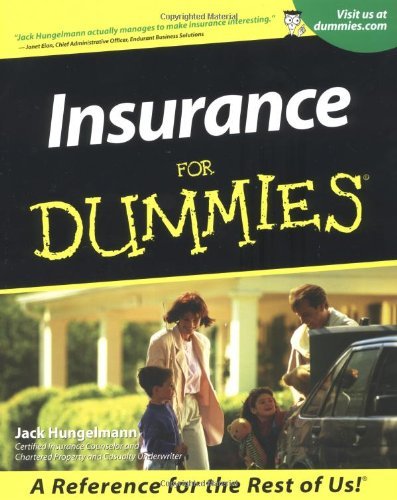
Insurance for Dummies: Hungelmann, Jack
<strong>Manage life, health, and disability risks</strong> ― explore individual and group policies, understand Medicare basics, and evaluate long-term disability and long-term-care insurance ...
Check Price on AmazonPersonal property coverage: Protects your stuff — furniture, clothing, electronics — if it’s damaged or stolen by covered perils like fire, smoke, theft, vandalism, and many types of sudden water damage (like a burst pipe). You pick the limit, such as $25,000 or $50,000. Replacement cost coverage (pays to buy new items at today’s prices) costs more but is usually worth it compared to actual cash value (pays depreciated value).
Personal liability coverage: Covers you if you’re legally responsible for injuries or property damage to others — for example, a guest trips in your apartment — plus legal defense. Typical limits start at $100,000; many renters choose $300,000. Liability refers to your responsibility to others for injury or damage.
Loss of use (also called Additional Living Expenses or ALE): Pays for hotel/temporary housing and extra living costs if a covered loss makes your rental uninhabitable. Additional Living Expenses means the insurer helps with the “extra” cost of living elsewhere while repairs happen.
What’s not covered (or limited):
- Flood and earthquake: Usually excluded. Separate flood or earthquake policies/endorsements are available in many areas.
- Sewer or drain backup: Often excluded unless you add an endorsement (a policy add-on for extra coverage).
- High-value items: Jewelry, watches, art, and certain electronics may have sublimits (smaller caps within your main limit). If you own pricey items, consider “scheduling” them (listing individual valuables for agreed coverage). See our deep dive: Renters Insurance for High-Value Items: What to Insure, How to Cover It, and When to Schedule.
- Business property and rideshare/delivery risks: Typically limited or excluded without special endorsements.
- Your roommate’s stuff: Not covered unless they’re specifically named on your policy.
Key factors that affect your cost
Insurers weigh risk. Here are the big levers — and how they typically move your premium up or down:
- Location: ZIP code risk for theft, fire response times, weather, and catastrophe exposure (wind/hail/hurricane, wildfire).
- Coverage limits: Higher personal property and liability limits cost more. Replacement cost coverage usually costs more than actual cash value.
- Deductible: A higher deductible (for example, $1,000 instead of $500) typically lowers your premium.
- Claims history: Recent property claims (even from prior addresses) often raise your rate for a period.
- Insurance-based credit factors (where allowed): In many states, insurers may use a credit-based insurance score. Stronger scores can lower rates; restrictions apply and rules vary by state.
- Building type and safety features: Newer construction, sprinklers, monitored alarms, and deadbolts often help. Older buildings, complex layouts, and limited fire protection can increase cost.
- Pets: Certain dog breeds or a prior bite incident may increase liability risk or require underwriting approval.
- Prior coverage and lapses: A continuous insurance history can help you qualify for better pricing or discounts.
Typical cost examples you can relate to
These are not quotes — just realistic ranges to help you benchmark. Actual costs vary by state, insurer, and details of the building and your profile.
Low-cost scenario: 28-year-old renter in a smaller Iowa city, wood-frame building with sprinklers, no recent claims, good insurance score. $25,000 personal property, $300,000 liability, $1,000 deductible, replacement cost coverage. Typical range: $9–$14/month.
Mid-cost scenario: 35-year-old in a Dallas suburb, mid-rise building with key fob access, one prior claim 4 years ago. $30,000 personal property, $300,000 liability, $500 deductible, replacement cost. Typical range: $15–$25/month.
Higher-cost scenario: 30-year-old in Miami within a wind-exposed ZIP code, older building, no recent claims. $50,000 personal property, $300,000 liability, $500 deductible, replacement cost. Typical range: $30–$55/month. In some coastal areas you may see a separate wind/hurricane deductible (a percentage of your limit) for wind-related losses.
Upgrading limits: If you bump liability to $500,000 or personal property to $75,000–$100,000, expect a noticeable but usually manageable premium increase — often a few extra dollars per month for liability and more for large jumps in personal property.
Ways to lower your renters insurance premium
You shouldn’t have to sacrifice solid coverage to save. Here are practical plays that usually help:
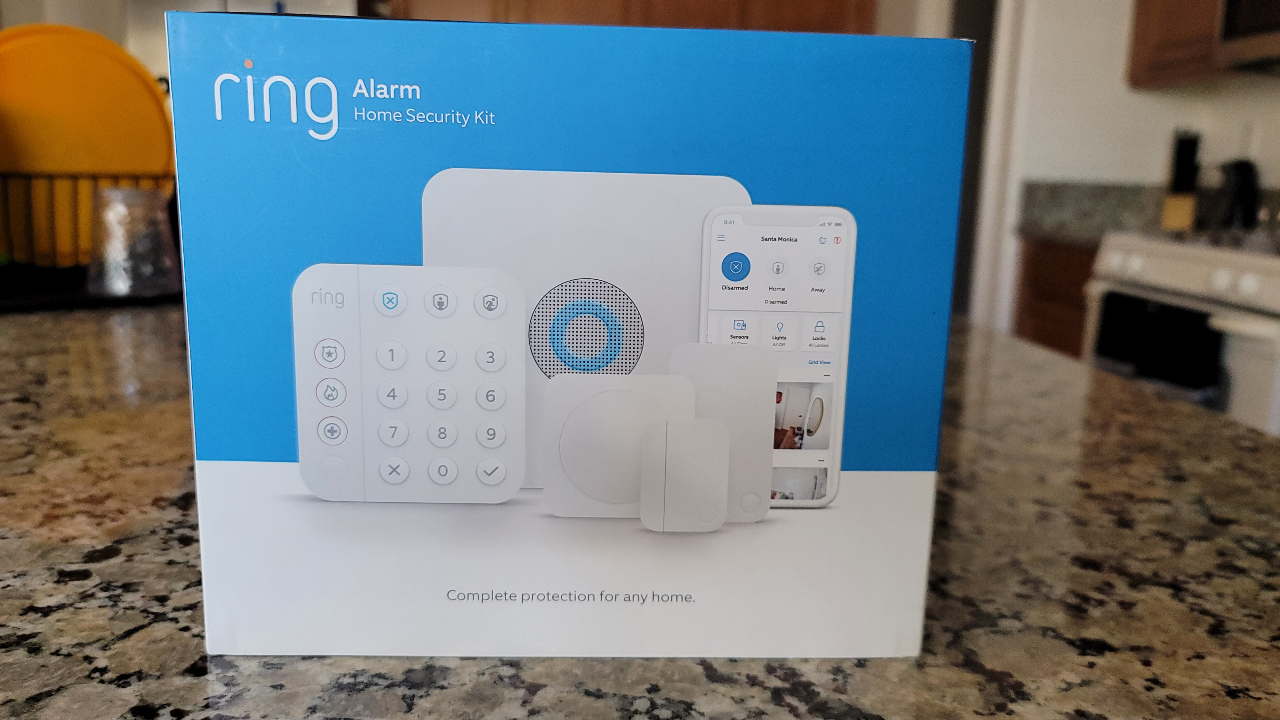
Ring Alarm 8-piece kit (2nd Gen) – home security system
<strong>24/7 Professional Monitoring</strong> If a break-in or emergency is detected, we’ll request emergency response.² <strong>24/7 Professional Monitoring</strong> · If a break-in or emergency is d
Check Price on Amazon- Bundle with auto: Many carriers discount 5–15% when you place auto and renters together.
- Raise your deductible: Moving from $500 to $1,000 often trims the premium. Make sure you can comfortably afford the deductible in an emergency.
- Add protective devices: Monitored smoke/CO alarms, interior sprinkler systems, and deadbolt locks can earn discounts.
- Keep a clean claims record: Small claims can cause surcharges. If the loss is minor, consider paying out of pocket to preserve your long-term rate — just weigh the math.
- Maintain strong credit habits (where allowed): Paying bills on time and keeping balances low can help your insurance-based credit factors.
- Choose the right property limit: Build a quick home inventory so you’re not over- or under-insured. Photos + a spreadsheet goes a long way.
- Pay in full or set up auto pay: Some insurers discount for annual pay or automatic payments.
- Shop periodically: Markets change. Comparing every 12–24 months typically yields savings or better terms.
Note: Replacement cost coverage usually costs a bit more than actual cash value, but it pays more at claim time. Many renters find it’s worth the difference.
State-specific notes and regulatory tips
- No state requires renters insurance by law, but many landlords do as a condition of the lease. If required, they may ask to be listed as an “interested party” (they get notices of cancellation, but they aren’t covered by your policy).
- Special deductibles: In coastal states, policies may feature separate wind/hail or hurricane deductibles, often as a percentage of your personal property limit. Know which events trigger them.
- Earthquake and flood: Commonly excluded everywhere; separate coverage is typically available. In California, earthquake coverage for renters can be purchased through participating insurers, often backed by the California Earthquake Authority.
- Credit-based pricing: Many states allow insurers to use credit-based insurance scores; some restrict or limit its use. Your state department of insurance (DOI) can explain what’s permitted where you live.
- Consumer protections: State DOIs provide complaint data, rate filings, and guidance on cancellations/nonrenewals. Search “YourState Department of Insurance renters insurance” to review rights and options before you buy.
How to get a personalized quote (and what insurers ask for)
Getting a quote usually takes 5–10 minutes. To speed it up, have this ready:

ENGPOW Fireproof Document Bag with Lock,File ...
View on Amazon- Your address and type of building (garden-style, mid/high-rise), year built, construction type if known
- Unit details (floor level, square footage, number of units in building)
- Safety features (sprinklers, monitored alarms, deadbolts)
- Coverage choices: personal property limit, liability limit, deductible, replacement cost vs. actual cash value
- Any high-value items to schedule (jewelry, watches, art) and appraisals/receipts
- Household info: number of residents, pets, prior insurance and any claims in the last 3–5 years
How to compare renters insurance quotes: what to look for
- Replacement cost vs. actual cash value for your belongings
- Liability limit (many renters choose $300,000 or $500,000)
- Sublimits for jewelry, watches, electronics, bikes, collectibles
- Special deductibles for wind/hail or named storms, if applicable
- Endorsements you need (water backup, electronics, identity theft)
- Loss of use limit (often a percentage of your property limit)
- Service factors: claim support, local agent access, and digital tools
Ready to see your own numbers? Start here: Renters Insurance: Compare Quotes & Get the Right Coverage Today.
FAQs
Do roommates need separate policies? Usually, yes. Your policy covers you and any named insureds. If roommates want coverage, they should be listed or buy their own policy. Keep in mind sharing a policy can complicate claims and payouts.
How do expensive items work? Most policies cap jewelry, watches, and certain electronics. If your $6,000 engagement ring is only covered up to $1,500, you’ll be short. Ask about scheduling items. Our guide has the details: Renters Insurance for High-Value Items: What to Insure, How to Cover It, and When to Schedule.
Will a claim raise my rate? Often yes, especially theft or water damage claims. The impact and duration vary by insurer and state. Avoid filing very small claims when possible.
Can I cancel anytime? Typically yes, and you can often get a prorated refund. If your lease requires coverage, line up a new policy before canceling.
Does my landlord’s policy cover me? No. Your landlord’s insurance covers the building, not your belongings or your liability. That’s what your renters policy is for.
Is renters insurance worth it if I don’t own much? In most cases, yes — even a modest apartment can have $20,000+ in belongings. Liability alone can save you from a major out-of-pocket hit. For a broader view, see: Is Renters Insurance Worth It? A Practical Guide to Decide.
A quick note: Insurance rates and underwriting rules change over time and vary by state and insurer. Examples here are illustrative, not guarantees. For tailored advice, speak with a licensed agent who can review your lease requirements, coverage needs, and local market.
Next step: Take 5 minutes to gather your inventory and coverage targets, then compare a few quotes side-by-side. You’ll quickly see where the value is — and what you can adjust to land the right price without giving up the protections that matter most.
Recommended Resources
Insurance for Dummies: Hungelmann, Jack
<strong>Manage life, health, and disability risks</strong> ― explore individual and group policies, understand Medicare basics, and evaluate long-term disability and long-term-care insurance ...
Ring Alarm 8-piece kit (2nd Gen) – home security system
<strong>24/7 Professional Monitoring</strong> If a break-in or emergency is detected, we’ll request emergency response.² <strong>24/7 Professional Monitoring</strong> · If a break-in or emergency is d
ENGPOW Fireproof Document Bag with Lock,File ...
Invest in a secure, well-designed notary bag to keep your essential supplies organized and protected. Browse locking options with durable, waterproof materials.
Related Articles
- How to Find the Right Renters Insurance: Coverage, Costs, and Buying Tips
- Get the Best Renters Insurance: Coverage, Costs, and Smart Savings
- Home Insurance vs Renters Insurance: Key Differences, Real-World Examples, and Which One You Need
- Is Renters Insurance Worth It? A Practical Guide to Decide
- How to Save on Renters Insurance: Smart Ways to Lower Your Premium
- Finding the Right Renters Insurance: How to Choose Coverage, Save Money, and Protect Your Belongings
- What Does Renters Insurance Cover? Coverage, Limits, Exclusions & Add‑Ons Explained
- Best Home Insurance for Renters: Compare Coverage, Cost & Top Picks