
How to Save on Life Insurance: Practical Ways to Lower Your Premiums
You want solid coverage without overpaying. The real question is how to save on life insurance without cutting corners on protection your family would actually need. Here’s what really moves the needle: choosing the right type of policy, getting placed in a strong underwriting class (the risk category insurers use to set your premium), and shopping the market the smart way.
We’ll walk through each step with plain-English tips, real examples, and a few lesser-known strategies you can use right away.
How to Save on Life Insurance: Start with the Right Policy and Amount
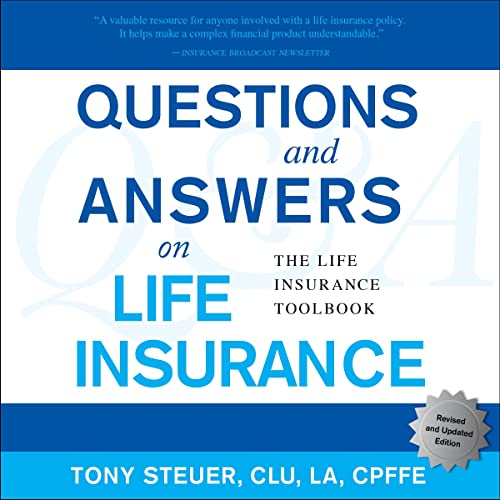
Questions and Answers on Life Insurance: Steuer, Tony
*Amazon Best Seller in Life Insurance* Questions and Answers on Life Insurance is <strong>an extremely useful and one of a kind resource for anyone looking for a simple way to understand life insuranc
Check Price on AmazonTerm vs. permanent life: what to choose and why it matters
- Term life insurance provides coverage for a set period (10, 15, 20, 25, or 30 years). It’s typically the lowest-cost way to buy a large death benefit (the payout to your beneficiaries) during your highest-need years.
- Permanent life insurance (like whole life or universal life) lasts your entire life and includes a cash value (a savings component that can grow over time). It costs significantly more because you’re paying for lifelong coverage and that cash value feature.
If your main goal is income replacement or paying off a mortgage if you pass away early, term life usually delivers the best price per dollar of coverage. If you need lifelong guarantees—for example, to fund a trust, equalize an inheritance, or cover final expenses and you value the cash value—permanent can make sense, but expect a higher premium.
- Want a deeper dive on permanent options and trade-offs? See Whole Life Insurance Explained: Benefits, Costs, and How to Buy (/life-insurance/whole-life-insurance-explained-benefits-costs-how-to-buy).
- If term is likely your fit, start here: Affordable Term Life Insurance: How to Get the Right Coverage for Less (/life-insurance/affordable-term-life-insurance-right-coverage-less).
Pick the right term length
Choose a term that matches your biggest financial timelines—mortgage payoff, kids reaching financial independence, or years until retirement. Buying a 30-year term when you only need 15 can mean decades of extra premium. Buying too short a term can backfire too, forcing you to reapply in your 50s or 60s when rates are typically much higher.
Rules of thumb most people use:
- 15 or 20 years if your kids are older or the mortgage is halfway done.
- 20 or 30 years if you’re earlier in your career, have young kids, or a long mortgage horizon.
Size coverage based on needs (not guesswork)
Over-insuring wastes money. Under-insuring leaves a gap. A needs-based approach helps you hit the sweet spot.
Start with the big items:
- Debts to be paid off (mortgage, loans)
- Income replacement (how many years your family would need your income)
- Education costs for dependents
- Final expenses and an emergency cushion
Many families aim for 10–15x annual income, but the right number varies by your debt, savings, and dependents. Use a calculator to dial it in: How Much Life Insurance Do I Need? Simple Calculator & Step-by-Step Plan (/life-insurance/how-much-life-insurance-do-i-need-calculator).
Real-world example: Say you’re a 35-year-old non-smoker in Texas earning $80,000, with a $300,000 mortgage and two young kids. A 20-year term for $500,000–$750,000 is common. For a generally healthy applicant, $500,000 of 20-year term can often be in the $20–$35 per month range, while $750,000 might land around $30–$50 per month, depending on the insurer and your health profile. Rates vary by carrier and your specific situation, but this shows why right-sizing coverage is a key lever in how to save on life insurance.
Underwriting: What Affects Your Price and How to Improve It
Underwriting is the insurer’s risk assessment process. They review your application, health data, prescription history, and sometimes a quick medical exam to place you into a risk class (like Preferred Plus, Preferred, Standard, or a Tobacco class). The better the class, the lower your premium.
Here’s how to nudge your application toward a stronger class—and lower your rate.
Smoking and nicotine use
- Tobacco status is one of the biggest price drivers. Many carriers require 12 months (sometimes longer) of no nicotine to qualify for non-tobacco rates. E-cigarettes and nicotine patches often count as nicotine use, though rules vary by company.
- Occasional cigar use can be treated differently, but timing and a negative cotinine test (a lab test for nicotine) matter. Disclose everything—non-disclosure can lead to denied claims.
- Strategy: If you’re actively quitting, consider applying once you can qualify for non-tobacco rates. Or, buy a smaller policy now and plan to re-shop once you’ve been nicotine-free for 12–24 months.
Weight, blood pressure, and cholesterol
Carriers use build (height/weight), blood pressure, and cholesterol to assign classes. Even small improvements can bump you up a class.
- Sustainably lose weight and keep documentation from your doctor. Some insurers average your weight over time, so stability helps.
- Control blood pressure and lipids with your physician’s guidance. Bring a current medication list and recent labs to your exam if available.
- Schedule your exam in the morning, hydrate well, and avoid heavy workouts, caffeine, or alcohol for 24 hours beforehand. These small steps can prevent temporary spikes that hurt your readings.
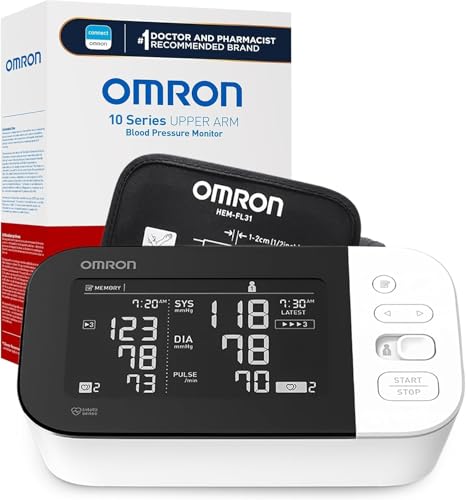
OMRON 10 Series Blood Pressure Monitor for Home Use & Upper Arm Blood Pressure Cuff - #1 Doctor & Pharmacist Recommended Brand - Clinically Validated - Connect App
View on AmazonMedical records and timing
- Gather physician info, dates of diagnoses or procedures, and medication details before you apply. Clean, complete applications reduce back-and-forth—and sometimes help you qualify for accelerated underwriting (a faster process that may skip the exam for eligible applicants).
- If you’ve had a recent negative health event, ask a licensed agent whether it’s better to apply now or after follow-up testing shows stability. Timing can influence your class.
Driving record, hobbies, and travel
- Multiple moving violations, a recent DUI, or hazardous hobbies (skydiving, scuba at depth, mountaineering) can add flat extras (added cost per $1,000 of coverage) or exclusions.
- Frequent high-risk travel may also factor in. If you’re changing your patterns, timing your application after risk declines could help.
Know your target risk class
Ask an agent to estimate whether you’re tracking for Preferred Plus, Preferred, or Standard. Each step up can lower your premium meaningfully. If you’re borderline, a good agent can route your case to carriers that are friendlier to your specific profile (for example, more lenient on build or blood pressure).
Smart Shopping Strategies That Cut Costs
The single best tactic for how to save on life insurance? Put multiple insurers in a fair fight for your business. Pricing can vary widely by carrier for the exact same profile.
Compare multiple quotes the right way
- Get quotes from 3–5 financially strong carriers at the same coverage amount and term length.
- Match product features: compare level-premium term to level-premium term, not to annually increasing group term.
- Review the conversion option (the ability to convert part or all of your term to permanent coverage without new medical underwriting). Longer conversion windows can add long-term value.
- Look for level-premium guarantees (your premium stays the same during the term) and check the renewal provisions after the initial term.
- Consider accelerated death benefit riders (allow early access to the death benefit for terminal or critical illness), included at no added cost with many carriers.
Want a step-by-step on lining up quotes and evaluating them? See Life Insurance: How to Choose the Right Policy and Get Quotes (/life-insurance/life-insurance-choose-right-policy-get-quotes).
Quick CTA: The fastest way to see what you would actually pay is to compare quotes from 3–5 carriers side by side. It typically takes minutes and helps you zero in on the best value.
Use independent agents or online marketplaces
Captive agents represent one company. Independent agents and online marketplaces can shop many top-rated carriers at once. That’s especially useful if you have a health condition or a unique risk profile—some insurers are simply more favorable than others on specific risks.
For additional savings tactics, check How to Find Cheap Life Insurance: Smart Ways to Lower Your Premiums Without Sacrificing Coverage (/life-insurance/how-to-find-cheap-life-insurance).
Ask about discounts and cost levers that actually exist
Life insurance doesn’t have as many discounts as auto or home, but a few levers help:
- Pay annually instead of monthly to avoid “modal” fees. Annual pay can trim roughly 3–8% off in many cases.
- E-policy or autopay incentives may be available with some carriers.
- Household or multi-policy discounts are rare in life insurance, but ask—occasionally they exist.
- Reconsideration policies: after you quit smoking or improve your health, some carriers will re-underwrite the same policy for a better class.
Consider laddering to avoid overbuying
Laddering means buying two or three smaller term policies with different lengths instead of one big, long policy. Example: $500,000 of 20-year term plus $250,000 of 10-year term. As your kids age and debts shrink, the shorter policy falls off, and you stop paying for coverage you no longer need—often saving money overall compared to one large 20- or 30-year policy.
Lower-Cost Alternatives and Their Trade-offs
Sometimes “cheap now” ends up “expensive later.” Here’s how to evaluate alternatives without getting burned.
Employer or group life coverage
- Pros: Basic coverage (often 1x salary) may be free or very low-cost. Voluntary supplemental coverage may be guaranteed up to a cap with no medical exam.
- Cons: Coverage usually isn’t portable if you change jobs, and rates typically rise every 5 years as you age. If you rely solely on group life, you might pay more later or find yourself uninsured between jobs.
- Strategy: Take the free or very cheap employer coverage, but buy your core term policy individually so it’s portable and level-priced.
No-medical-exam and simplified-issue policies
- Accelerated underwriting: For healthy applicants, some carriers skip the exam and still offer competitive pricing after checking databases (prescriptions, MIB, motor vehicle). This can be both convenient and cost-effective.
- Simplified-issue term: Faster approval, minimal health questions, no exam—but prices are usually higher than fully underwritten term for the same person.
- Guaranteed-issue whole life: Small coverage amounts with no health questions. Useful for those with serious health issues who can’t get other coverage, but it’s expensive per dollar of coverage and often has a graded death benefit (reduced payout if death occurs in the first two years from natural causes).
Riders and policy features: add only what you’ll use
Riders are optional add-ons. Common ones include:
- Waiver of premium: the insurer covers your premium if you become disabled (definitions vary—ask for details). Helpful, but adds cost.
- Child rider: small coverage for children at low cost.
- Return of premium (ROP) term: refunds your premiums if you outlive the term. Sounds great, but it can double or triple the cost. Often, standard term plus disciplined investing can be more cost-effective.
- Terminal/critical illness riders: frequently included at little or no cost; worth having.
Buy features you’ll value, skip the rest.
Term-to-permanent strategies
A flexible approach is buying affordable term now with a strong conversion option. If your needs change, you can convert a portion later—without new medical underwriting. This protects insurability while avoiding permanent premiums before you need them.
When the “cheaper” option costs more later
- Too-short term lengths can force you to reapply at older ages when rates jump—sometimes by 3–5x.
- Relying solely on group life may mean escalating age-banded costs or losing coverage with a job change.
- Guaranteed-issue policies can cost more per dollar of coverage and may not pay full benefits in the first two policy years due to graded benefits.
Keep Savings Over Time: Maintain, Review, and Re-Shop When It Helps
A good policy can become a bad deal if you ignore it for a decade. A little maintenance preserves savings.
Set it and really forget it (with the right guardrails)
- Turn on autopay to avoid lapses. A lapsed policy can require reinstatement with new underwriting—or leave you uncovered.
- Pay annually if possible to avoid monthly fees.
- Store your policy, beneficiary designations, and carrier login details in a secure place your beneficiaries know about.

SentrySafe Charcoal Gray Fireproof and Waterproof Safe Box with Key Lock, Portable Chest for Money, Passport, 0.28 Cubic Feet, 6.6 x 15.4 x 14.3 Inches, CHW20221
View on AmazonReview every 1–2 years or after big life events
- Marriage, divorce, a new baby, paying off a mortgage, a big raise, or starting a business are common review triggers.
- Update beneficiaries to reflect life changes, and add contingent beneficiaries (the backup recipients) to prevent probate delays.
- Re-check whether your coverage still matches needs; consider laddering or trimming if your obligations have dropped.
When to refinance or replace your policy
Refinancing life insurance means applying for a new policy to replace an old one if the new price or features are better. Times it can pay off:
- You quit smoking 12–24+ months ago and can now qualify for non-tobacco rates.
- You lost weight and kept it off; your blood pressure or cholesterol improved.
- You originally bought a pricey simplified-issue policy and can now qualify for fully underwritten term.
- Market competition improved and another carrier prices your profile more favorably.
Important cautions:
- Never cancel a policy until the new policy is approved and in force.
- Replacing a permanent policy can trigger surrender charges and tax implications. A 1035 exchange (a tax-advantaged policy-to-policy transfer) may help, but talk to a licensed agent or tax professional.
- A new policy restarts the two-year contestability period (the time when the insurer can investigate misstatements) and any suicide exclusion period. Make sure the trade-off is worth it.
What to Look For When Comparing Policies
Use this quick checklist to pressure-test options side by side:
- Financial strength: A.M. Best A- or better is a common benchmark.
- Level-premium guarantee: Fully level for 10/15/20/30 years as quoted.
- Conversion: Length of the conversion window and whether you can convert to any permanent product.
- Underwriting flexibility: Carriers known to be lenient for your profile (build, blood pressure, family history, hobby risks).
- Included riders: Accelerated death benefit, child rider availability, waiver of premium terms.
- Modal costs: Annual vs. monthly pricing.
- Customer service: Ease of changes, claims process reputation.
If you’re new to life insurance, this primer can help: How Does Life Insurance Work? A Clear, Step-by-Step Guide (/life-insurance/how-does-life-insurance-work-step-by-step-guide) — optional read if you want more context before quoting.
Real-World Scenarios
- Healthy 30-year-old non-smoker: $500,000 of 20-year term is often in the high teens to mid-$20s per month with top carriers. Shopping 3–5 companies can swing the price by 20–40%.
- 45-year-old with well-controlled blood pressure: $500,000 of 20-year term may land roughly $45–$80 per month, depending on build, family history, and carrier. Tightening BP control and applying with a carrier friendly to your build can improve class and cost.
- Smoker planning to quit: Consider a smaller policy now to protect your family, then re-shop 12–24 months after quitting to capture non-tobacco pricing. Some carriers offer reconsideration on the existing policy; ask before you apply.
Rates always vary by individual profile, state, and carrier underwriting rules. Use these examples as general orientation rather than promises.
Get Personalized Help
Life insurance is regulated at the state level, and each insurer’s underwriting rules differ. A licensed independent agent can help you sequence the application, choose the right insurers for your health profile, and flag where conversion or riders add real value.
CTA: Ready to see your actual price? Compare quotes from 3–5 top-rated carriers. You’ll quickly learn which companies like your profile and what coverage fits your budget.
Additional resources if you want to go deeper before quoting:
- Affordable Term Life Insurance: How to Get the Right Coverage for Less (/life-insurance/affordable-term-life-insurance-right-coverage-less)
- Life Insurance: How to Choose the Right Policy and Get Quotes (/life-insurance/life-insurance-choose-right-policy-get-quotes)
- How to Find Cheap Life Insurance: Smart Ways to Lower Your Premiums Without Sacrificing Coverage (/life-insurance/how-to-find-cheap-life-insurance)
- Whole Life Insurance Explained: Benefits, Costs, and How to Buy (/life-insurance/whole-life-insurance-explained-benefits-costs-how-to-buy)
- How Much Life Insurance Do I Need? Simple Calculator & Step-by-Step Plan (/life-insurance/how-much-life-insurance-do-i-need-calculator)
What to do next: Spend 10 minutes getting quotes for the right coverage amount and term length, then fine-tune based on underwriting feedback. That’s the most reliable, fast path for how to save on life insurance—without sacrificing the protection that matters most.
Recommended Resources
Questions and Answers on Life Insurance: Steuer, Tony
*Amazon Best Seller in Life Insurance* Questions and Answers on Life Insurance is <strong>an extremely useful and one of a kind resource for anyone looking for a simple way to understand life insuranc
OMRON 10 Series Blood Pressure Monitor for Home Use & Upper Arm Blood Pressure Cuff - #1 Doctor & Pharmacist Recommended Brand - Clinically Validated - Connect App
READY OUT OF THE BOX: Includes everything you need to start monitoring your heart health; OMRON monitor, easy-wrap ComFit blood pressure cuff (fits arms 9"–17"), instruction manual, quick st
SentrySafe Charcoal Gray Fireproof and Waterproof Safe Box with Key Lock, Portable Chest for Money, Passport, 0.28 Cubic Feet, 6.6 x 15.4 x 14.3 Inches, CHW20221
The SentrySafe Charcoal Gray Fireproof and Waterproof Safe Box with Key Lock is <strong>the ultimate secure storage solution for your most valuable items</strong>. This portable chest boasts 0.28 cubi
Related Articles
- How to Find Cheap Life Insurance: Smart Ways to Lower Your Premiums Without Sacrificing Coverage
- How to Lower Life Insurance Premiums: A Practical Guide to Discounts & How to Qualify
- Affordable Term Life Insurance: How to Get the Right Coverage for Less
- Cheap Life Insurance for Young Adults: How to Get Affordable Coverage without Overpaying
- Best Rates for Term Life Insurance: How to Compare Quotes and Lower Your Premiums
- How to Save on Travel Insurance: Smart Ways to Cut Premiums Without Losing Essential Coverage
- Health Insurance with Low Premiums: How to Save Smartly and Avoid Costly Surprises
- How to Lower Car Insurance: 15 Smart Ways to Cut Your Premiums