
Home Insurance in South Dakota: Coverage, Costs & Best Companies
You’re shopping for home insurance in South Dakota and the quotes are all over the place. Is that normal? What actually drives your rate, and how do you know you’re properly covered for hail, wind, and winter storms without overpaying? Here’s what really matters for South Dakota homeowners.
South Dakota homeowners insurance requirements and typical coverage
South Dakota doesn’t require homeowners insurance by law. But if you have a mortgage, your lender will typically require it. Even if you own your home outright, a solid policy can protect your biggest asset from costly surprises like hail-damaged roofs or a pipe burst.

Insurance For Dummies?: Hungelmann, Jack
Whether you’re a homeowner or ... need on: ... Author Jack Hungelmann <strong>uses his twenty-five years of experience in the insurance industry to make buying insurance as simple as possible</strong>
Check Price on AmazonMost homeowners carry an HO-3 policy (the most common home policy). Here’s what a standard policy usually includes, in plain English:
- Dwelling (Coverage A): Pays to repair or rebuild your home’s structure after a covered loss. This should be set to your home’s replacement cost — the cost to rebuild with today’s materials and labor — not your market value. Building costs in parts of South Dakota can be higher than expected due to labor availability and distance to suppliers.
- Other Structures (Coverage B): Covers things like a detached garage, sheds, and fences — typically 10% of your dwelling limit. If you’ve got a large pole barn, shop, or outbuildings common on rural SD properties, you may need to increase this.
- Personal Property (Coverage C): Covers your belongings. Many policies default to “replacement cost” if you add an endorsement; otherwise they might pay “actual cash value (ACV)” — what items are worth after depreciation (loss in value over time). Replacement cost is usually worth it.
- Loss of Use (Coverage D): Pays for temporary living expenses (hotel, meals) if a covered claim makes your home unlivable.
- Personal Liability (Coverage E): Covers injuries or property damage you or your household cause to others, and legal defense. Many homeowners in SD choose $300,000–$500,000. If you have significant assets, consider $1M liability or a separate umbrella policy.
- Medical Payments (Coverage F): No-fault coverage for minor injuries to guests, often $1,000–$5,000.
- Deductible: The amount you pay out of pocket before insurance kicks in. In South Dakota, you’ll often see a separate wind/hail deductible — sometimes a flat dollar amount (like $1,000–$2,500) or a percentage (1–2% of your dwelling limit). We’ll cover why that matters below.
Common add-ons (endorsements) worth considering in South Dakota:
- Extended Replacement Cost: Adds 10–50% extra above your dwelling limit if rebuilding costs spike after a catastrophe. Helpful after widespread hailstorms or wind events.
- Ordinance or Law: Covers the extra cost to bring your home up to current building codes after a covered loss. Older homes in Sioux Falls, Rapid City, or small towns can benefit from 25–50% limits here.
- Water and Sewer Backup: Covers damage if a sump pump fails or a sewer line backs up into your basement — a frequent risk during rapid snowmelt or heavy rains.
- Service Line Coverage: Pays for underground utility line breaks (water, sewer) on your property.
- Equipment Breakdown: Helps if systems like your furnace or heat pump fail from a mechanical breakdown (not wear-and-tear). Useful for harsh winters.
- Matching/Cosmetic Damage Coverage: Some policies limit or exclude “cosmetic” hail damage to metal roofs or accessories; check for matching coverage if you want undamaged siding or shingles replaced to match.
Average home insurance costs in South Dakota by home value and location
Exact premiums vary by insurer and your situation, but South Dakota rates tend to run higher than the national average due to hail and wind. Here are ballpark annual ranges we typically see for well-insured homes (replacement cost coverage, $1,000–$2,500 deductible, clean claims history):
- $200,000–$250,000 homes: roughly $1,200–$2,100 per year
- $300,000–$350,000 homes: roughly $1,600–$2,800 per year
- $400,000–$500,000 homes: roughly $2,000–$3,600 per year
Your actual rate can be lower or higher depending on roof age/material, local hail activity, distance to a fire station/hydrant, credit-based insurance score (where allowed), and claims history. Rural properties that are farther from fire protection often see higher premiums.
How location influences price in South Dakota (typical patterns):
- Sioux Falls/Brandon/Harrisburg: Competitive market with many carriers; hail risk is real but spread across a larger metro. Newer roofs and Class 4 impact-resistant shingles often get strong discounts.
- Rapid City/Black Hills: Hail plus wildfire exposure in the foothills can increase rates. Homes near the wildland-urban interface may need higher deductibles or mitigation steps.
- Pierre/Huron/Aberdeen: Plains wind and hail exposures can be pronounced. Roof age and material make a noticeable difference in quotes.
- Rural counties: Limited water supply and longer fire response times can drive up “protection class” ratings, raising premiums.
Real-world example (illustrative only — your rate will vary):
- A 2012-built, 2,100 sq. ft. home in Sioux Falls with a 2021 Class 4 roof, $350,000 dwelling limit, $2,500 wind/hail deductible, and clean history might land around $1,700–$2,300/year with broad replacement cost coverage.
- A 1978-built, 2,000 sq. ft. home near Rapid City, standard asphalt roof from 2010, $350,000 dwelling limit, and a 1% wind/hail deductible might fall closer to $2,200–$3,000/year due to hail and wildfire-adjacent risk.
South Dakota-specific risks: natural disasters, weather, and regional factors
- Hail and severe thunderstorms: The number one driver of claims. Many carriers apply separate wind/hail deductibles, higher deductibles, or roof-specific rules.
- Tornadoes and straight-line winds: Covered under wind/hail, but watch your deductible. A 1% deductible on a $400,000 home equals $4,000 out of pocket.
- Winter storms and freezing: Frozen pipes, ice dams, and roof collapses can be covered if you maintain heat and take reasonable steps to prevent damage.
- Wildfire (Black Hills and surrounding foothills): Some carriers require defensible space (cleared vegetation) or charge more for homes close to heavy fuels.
- Flooding and snowmelt: Standard home insurance doesn’t cover flood (water that enters from outside, overland). If you live near the Missouri River, Big Sioux River, or low-lying areas, consider a separate flood policy through the National Flood Insurance Program (NFIP) or a private flood carrier.
South Dakota-specific pitfalls to watch for:
- Actual Cash Value (ACV) roof: Some policies pay less for older roofs by depreciating shingles. Ask if your roof is covered at Replacement Cost (pays new-for-old) or ACV.
- Cosmetic-damage exclusions: Hail dings on a metal roof or gutters might be excluded if function isn’t impaired, unless you add matching/cosmetic coverage.
- Percentage wind/hail deductibles: A 2% deductible on a $500,000 home is $10,000. Make sure you can comfortably afford the worst-case out-of-pocket.
- Limited coverage for outbuildings: Rural properties often need higher Other Structures limits for pole barns, shops, and fencing.
How to compare home insurance quotes in South Dakota
The fastest way to see what you would actually pay is to compare quotes from 3–5 carriers. Here’s how to compare apples to apples:
- Set a realistic dwelling limit (replacement cost)
- Replacement cost is what it takes to rebuild after a total loss, not what you could sell for. Costs can vary by county and distance to materials. Provide your home’s square footage, year built, construction type, and roof info to each insurer so their estimator is consistent.
- Choose aligned deductibles
- Pick the same All-Peril deductible across quotes (e.g., $1,000 or $2,500) and the same wind/hail deductible type (flat dollar vs. percentage). Ask what a 0.5%, 1%, and 2% wind/hail deductible would do to your rate — then balance savings against your out-of-pocket risk.
- Check roof coverage and age rules
- Confirm whether your roof is Replacement Cost or ACV based on age/material, and whether cosmetic damage is excluded. If your roof is 15+ years old, expect tighter terms or higher deductibles unless you replace it.
- Align personal property valuation and special limits
- Replacement Cost for contents is typically worth the small premium. Schedule high-value items (jewelry, firearms, collectibles) to bypass low sub-limits and deductibles.
- Add endorsements that fit South Dakota living
- Water/sewer backup (especially with basements), service line, increased Ordinance or Law, and extended replacement cost are common needs here.
- Evaluate financial strength and claims service
- Look for strong financial ratings (e.g., A.M. Best), catastrophe experience, and a track record handling hail events efficiently. Ask: Do they have preferred contractors? Will they pay for code-required upgrades? What’s their stance on matching?
- Consider HO-3 vs. HO-5
- HO-5 policies broaden coverage for your belongings and often include replacement cost by default. They cost more but can make sense for newer or higher-value homes.
Consumer tip: After a hailstorm, contractors may knock on your door. Don’t sign an “assignment of benefits” that hands your claim rights to a contractor without understanding the implications. You can choose your own contractor.
Call to action: Want to see where your home lands? Get personalized quotes from 3–5 carriers. Comparing side by side is the surest way to spot savings without cutting coverage.
Best home insurance companies in South Dakota: what to look for
We don’t crown a single “best” company because the right fit depends on your home, roof, and location. Instead, look for carriers that:
- Offer Replacement Cost on roofs with reasonable age limits or clear upgrade paths to restore Replacement Cost after re-roofing
- Provide Class 4 impact-resistant roof discounts and don’t penalize you for choosing hail-resistant materials
- Have flexible wind/hail deductibles (0.5%, 1%, flat dollar options) and explain the trade-offs
- Include or offer endorsements common in SD: water/sewer backup, extended replacement cost, Ordinance or Law, service line
- Are experienced with catastrophe claims, with local adjusters or strong contractor networks during hail season
- Serve rural properties well (adequate Other Structures limits, understanding of fire protection class)
Many South Dakota homeowners compare a mix of national carriers and regional/mutual companies. Regional insurers may understand local construction and hail patterns well, while nationals often bring robust catastrophe teams. Quotes will tell you which model prices your risk best.
Discounts and bundling opportunities for South Dakota homeowners
You can often lower your premium with these:

SimpliSafe 8 Piece Wireless Home Security System - Optional 24/7 Professional Monitoring - No Contract - Compatible with Alexa and Google Assistant , White : Electronics
View on Amazon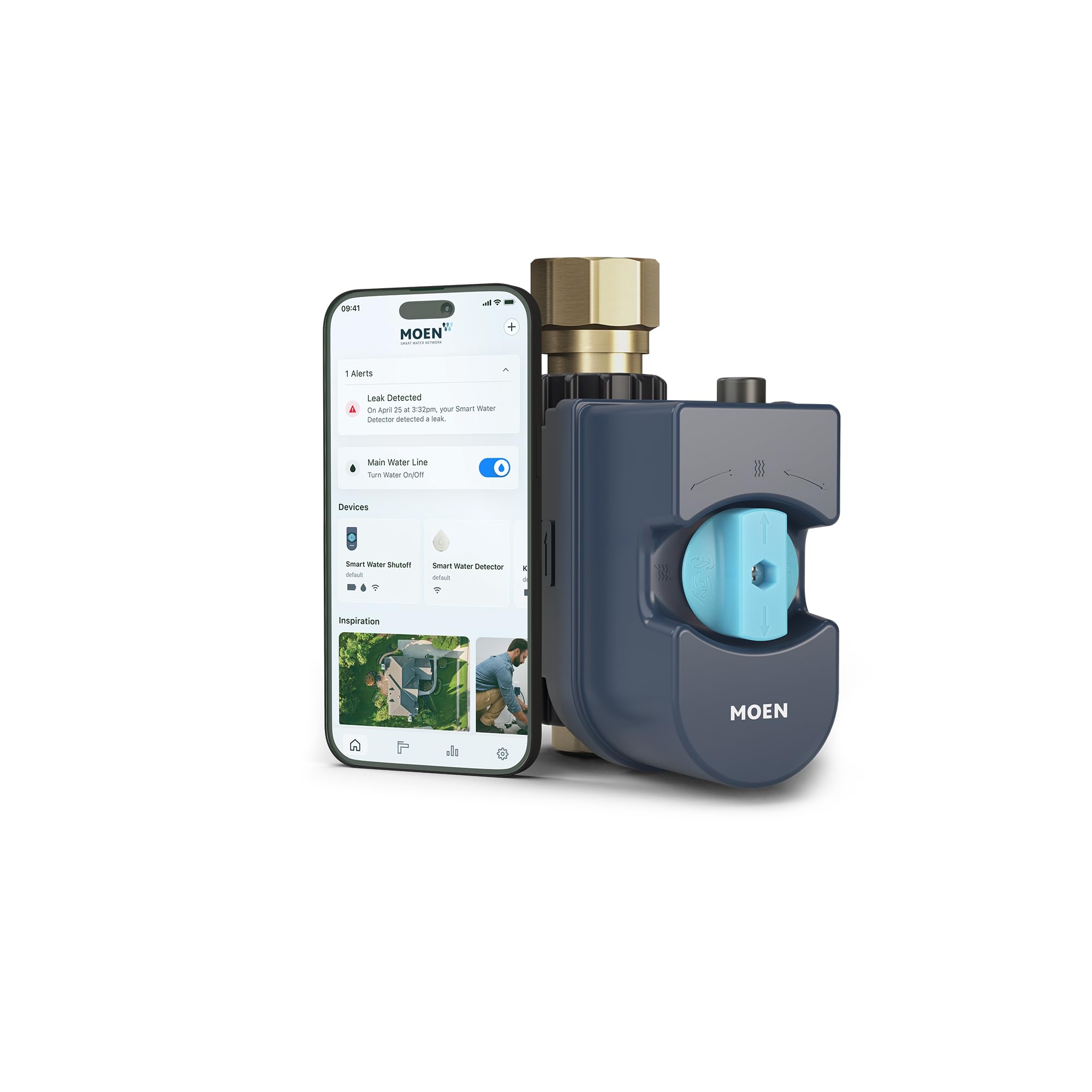
Moen Flo Smart Water Monitor and Automatic Shutoff Sensor, Wi-Fi Water Leak Detector for 3/4-Inch Diameter Pipe, 900-001 - Tub And Shower Faucets - Amazon.com
View on Amazon- Multi-policy (bundle home + auto): Frequently 10–25% off both policies, depending on the carrier. If you’re considering bundling, see our guide to Auto Insurance in South Dakota for ways to save on the auto side: /auto-insurance/auto-insurance-in-south-dakota-rates-requirements-save
- New or updated roof: Big savings for Class 4 impact-resistant shingles; submit documentation and photos.
- Protective devices: Central fire/burglar alarms, monitored water sensors, automatic shut-off valves, and smart home kits.
- Claim-free history: Staying loss-free for several years typically earns a discount.
- Newer home or major systems updates: Electrical, plumbing, HVAC, and roof updates reduce risk.
- Wildfire/defensible space: In the Black Hills area, mitigation steps (cleared vegetation, fire-resistant building materials) can help rates and eligibility.
- Higher deductible: Moving from $1,000 to $2,500 can reduce premium, but be sure the savings justify the extra out-of-pocket.
- Pay-in-full, e-billing, and loyalty/affinity programs: Small discounts that add up.
Filing a home insurance claim in South Dakota
When the storm hits, here’s a practical path:
- Document and mitigate
- Take photos/videos of all damage. Prevent further damage (tarp a roof, shut off water). Keep receipts — these are typically reimbursable under “reasonable repairs.”
- Notify your insurer promptly
- Report the claim via app or phone. Share when the damage occurred and what parts of the home are affected.
- Inspection and estimate
- Your insurer may send an adjuster or approve a virtual inspection. For roof/hail claims, many carriers also accept licensed roofer reports. Don’t feel pressured to sign a contractor agreement on the spot.
- Review scope and materials
- Ask how your roof is valued: Replacement Cost or ACV? Is there a cosmetic-damage exclusion? What code upgrades will they cover? Request the estimate in writing and clarify line items.
- Payment and repairs
- Initial payments often reflect actual cash value; you may receive depreciation later once repairs are completed (this is the “recoverable depreciation”). Work with licensed, insured contractors familiar with South Dakota codes.
- Keep records
- Save emails, texts, and invoices. If disputes arise, you can request a reinspection. You may also consult a licensed public adjuster or an attorney for complex claims.
Typical timelines vary by severity and carrier volume, especially after big hailstorms. Starting early and responding quickly helps keep things moving.
FAQ: common questions about South Dakota homeowners insurance
Is homeowners insurance required in South Dakota?
- Not by state law. But lenders almost always require it if you have a mortgage. It’s still smart protection even without a loan.
Does home insurance in South Dakota cover hail and tornadoes?
- Yes, wind and hail (including tornadoes) are generally covered causes of loss. Many policies use a separate wind/hail deductible — make sure you know if yours is a flat dollar or a percentage of Coverage A (dwelling limit).
What about flooding from the Big Sioux or Missouri River?
- Standard policies exclude flood (water entering from outside). Consider a separate NFIP or private flood policy if river or overland flooding is a concern.
How much liability coverage should I carry?
- Many homeowners choose $300,000–$500,000. Consider $1 million if you have higher assets or increased risk factors (pool, trampoline, frequent hosting). An umbrella policy can extend protection further.
What’s the difference between Replacement Cost and Actual Cash Value (ACV)?
- Replacement Cost pays to replace with new materials of like kind and quality. ACV subtracts depreciation (wear and tear). For roofs and contents, Replacement Cost is typically preferable in South Dakota’s hail climate.
Can I get a discount for impact-resistant shingles?
- Often yes. Class 4 shingles (UL 2218) can earn meaningful credits and may reduce future hassle from hail claims.
Are short-term rentals or home-based farms covered?
- Short-term rentals (Airbnb/VRBO) and hobby farming or livestock may require special endorsements or a different policy form. Tell your agent how you use the property so there are no surprises at claim time.
How do older rural homes affect insurance?
- Distance to fire services, older wiring or plumbing, and large outbuildings can push premiums up and may require inspections or updates to qualify for preferred rates.
Next steps
- Decide on your coverage baseline: dwelling limit that reflects true replacement cost, liability at $300,000–$500,000 (or more), and key endorsements (water backup, extended replacement cost, Ordinance or Law).
- Align deductibles you’re comfortable paying, especially for wind/hail.
- Compare 3–5 quotes using the same specs. Ask each carrier about roof coverage type, cosmetic damage, and how they handle code upgrades.
Ready to see your actual number? Take five minutes to compare personalized quotes side by side. It’s the fastest way to find strong hail coverage at a fair price without guessing.
Note: This guide is educational. Personalized recommendations depend on your home and risk profile. Consider speaking with a licensed South Dakota agent who can review your details and help tailor coverage.
Recommended Resources
Insurance For Dummies?: Hungelmann, Jack
Whether you’re a homeowner or ... need on: ... Author Jack Hungelmann <strong>uses his twenty-five years of experience in the insurance industry to make buying insurance as simple as possible</strong>
Moen Flo Smart Water Monitor and Automatic Shutoff Sensor, Wi-Fi Water Leak Detector for 3/4-Inch Diameter Pipe, 900-001 - Tub And Shower Faucets - Amazon.com
Moen Flo Smart Water Monitor and Automatic Shutoff Sensor, <strong>Wi-Fi Water Leak Detector for 3/4-Inch Diameter Pipe</strong>, 900-001 - Tub And Shower Faucets - Amazon.com
SimpliSafe 8 Piece Wireless Home Security System - Optional 24/7 Professional Monitoring - No Contract - Compatible with Alexa and Google Assistant , White : Electronics
No wiring or drilling required. Or contact SimpliSafe directly if you need help installing your system. <strong>1 FREE month of professional monitoring for fast police response when you need it most</
Related Articles
- Auto Insurance in South Dakota: Rates, Requirements & How to Save
- Home Insurance in North Dakota: Coverage, Costs & Best Companies
- Home Insurance in South Carolina: Coverage, Costs & Best Companies
- Home Insurance in Wyoming: Coverage, Costs & Best Companies
- Home Insurance in Minnesota: Coverage, Costs & Best Companies
- Home Insurance in Colorado: Coverage, Costs & Best Companies
- Home Insurance in Nebraska: Coverage, Costs & Best Companies
- Home Insurance in Montana: Coverage, Costs & Best Companies