
Auto Insurance in South Dakota: Rates, Requirements & How to Save
You’re shopping for auto insurance in South Dakota and want straight answers: What coverage do you actually need, what do most drivers pay here, and how can you avoid overpaying? You’re in the right place. Below, we break down South Dakota’s requirements, typical rates by driver and vehicle, the biggest cost drivers, and practical ways to compare quotes and save—without cutting important protections.
South Dakota auto insurance requirements and minimum coverage
South Dakota is an at-fault state, which means the driver who causes a crash is responsible for the other party’s injuries and damage. At minimum, drivers must carry liability coverage (pays others if you cause a crash) and uninsured motorist coverage (protects you if you’re hit by a driver with no insurance).
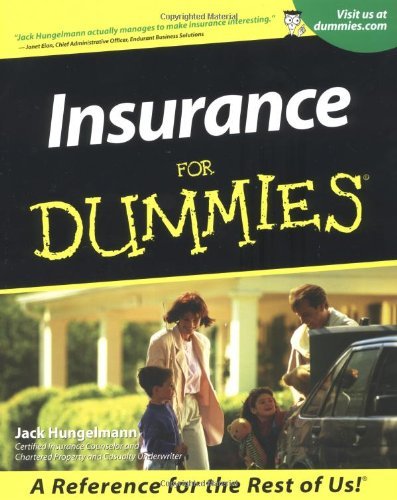
Insurance for Dummies: Hungelmann, Jack
<strong>Manage life, health, and disability risks</strong> ― explore individual and group policies, understand Medicare basics, and evaluate long-term disability and long-term-care insurance ...
Check Price on AmazonRequired minimums in South Dakota typically include:
- Bodily injury liability (pays others for injuries you cause): $25,000 per person / $50,000 per accident
- Property damage liability (pays others for their car or property you damage): $25,000 per accident
- Uninsured motorist bodily injury (UM BI) (covers your injuries if an uninsured driver hits you): $25,000 per person / $50,000 per accident
A few notes on what those mean in real life:
- Liability coverage only pays other people—not you or your car. If your car is financed or leased, your lender will typically require collision and comprehensive.
- Uninsured motorist (UM) covers injuries to you and your passengers if you’re hit by an uninsured driver. Underinsured motorist (UIM) is not mandated by law but is commonly offered and worth strong consideration because it helps when the at-fault driver’s limits are too low to cover your medical bills.
- Collision coverage (optional unless required by your lender) pays to repair or replace your vehicle after a crash, regardless of fault.
- Comprehensive coverage (optional unless required by your lender) pays for non-crash events like hail, theft, vandalism, fire, falling objects, and animal strikes. Hitting a deer is typically a comprehensive claim—important in South Dakota, where wildlife collisions are common.
- Medical payments (MedPay) is optional coverage that helps with medical costs for you and your passengers, regardless of fault. It can be helpful if you carry a high health insurance deductible.
Proof of insurance: You must carry proof and present it at traffic stops or after a crash. South Dakota allows electronic proof of insurance, so a digital ID card in your insurer’s app usually works.
Driving uninsured: Penalties can include fines and potential license/registration impacts. Even one lapse can also raise your rates when you get insured again.
Average car insurance rates in South Dakota by age, vehicle, and driving record
Let’s talk ballpark numbers. These are typical ranges we see for clean-driving, insured motorists in South Dakota. Your rate will vary based on your profile, vehicle, and zip code.
- Minimum liability only: roughly $28–$55 per month ($330–$650 per year) for a safe driver in many South Dakota zip codes
- Full coverage (liability + comprehensive + collision): roughly $90–$150 per month ($1,100–$1,800 per year) for a 30–40-year-old with a clean record
By age (full coverage, clean record, typical vehicles):
- Teen on a family policy: adding a licensed teen can increase a family’s premium by $150–$260 per month, depending on grades and telematics discounts
- Solo teen driver policy: $250–$500+ per month is common due to limited driving history
- 25-year-old: $95–$160 per month in many areas
- 40-year-old: $85–$145 per month
- 65-year-old: $95–$160 per month (can rise slightly in later years)
By vehicle type (full coverage, 40-year-old, clean record):
- 2018 Ford F-150: often near the statewide average ($95–$145/mo)
- 2020 Subaru Outback: similar to average ($90–$140/mo)
- 2022 compact SUV with advanced safety features: sometimes slightly lower than average due to safety discounts
- 2023 performance sedan or luxury EV: higher than average due to repair and parts costs ($140–$220+/mo)
By driving record (changes relative to a clean record):
- One speeding ticket: often +15–25% at renewal
- At-fault property damage crash: often +30–50%
- DUI: often +60–100% and you may need an SR-22 filing (a state-required form your insurer files to prove you carry minimum coverage, usually for a set period)
City vs. rural: Drivers in Sioux Falls and Rapid City typically pay a bit more than drivers in smaller counties due to higher traffic density and claim frequency. Hail exposure is widespread, which is one reason comprehensive coverage is popular here.
Compliance note: These are illustrative ranges. Car insurance pricing is personalized—your actual quote will depend on your exact details and insurer underwriting.
Factors that affect South Dakota auto insurance premiums
The same core factors matter in most states, but South Dakota has a few local twists.
- Driving record and claims: Violations and at-fault claims weigh heavily for 3–5 years in most cases. A clean record unlocks better pricing, safe driver discounts, and sometimes accident forgiveness add-ons.
- Coverage, limits, and deductible: Higher liability limits (like 100/300/100) cost more but better protect your assets after a serious crash. A higher deductible (the amount you pay out of pocket before insurance pays—commonly $500 or $1,000) can lower your premium, especially on comprehensive and collision.
- Vehicle type and cost to repair: Trucks and SUVs are common in South Dakota. Parts prices, labor rates, and safety features all influence premiums. Advanced driver-assistance systems can lower crash risk but raise windshield and sensor repair costs.
- Where you live and park: Zip code matters. Garaging your vehicle in a garage can earn a small discount and may reduce hail and theft risk.
- Annual mileage and how you use the car: Commuting 60 miles of highway daily isn’t the same risk as weekend errands. Many insurers offer low-mileage or usage-based discounts.
- Credit-based insurance score: South Dakota allows insurers to consider credit-based insurance scores. Typically, better credit correlates with lower claims frequency and earns better premiums. Paying bills on time and keeping credit utilization low can help over time.
- Prior insurance and lapses: Maintaining continuous coverage usually qualifies you for better rates than starting and stopping coverage.
- Weather and wildlife: Hail and deer collisions are part of life on the Plains. Comprehensive coverage is often a smart buy here, even on older vehicles, because it covers hail and animal strikes.
How to compare and get the cheapest auto insurance in South Dakota
Price matters, but so does protection and claims service. Here’s how to shop smart.
Start with the right baseline coverage
- Aim above the minimums if you can. Many South Dakota families choose at least 50/100/50 or 100/300/100 liability limits to protect savings and home equity after a serious crash.
- Consider comprehensive and collision if your car is newer, financed, or if hail and deer strikes would be financially painful to cover out of pocket.
- Add uninsured/underinsured motorist at limits that match your liability. It’s relatively affordable and important in at-fault states.
- Look at MedPay to help with immediate medical costs regardless of fault.
Compare quotes from 3–5 carriers
- Get quotes within a 48–72 hour window so your comparisons reflect the same market conditions.
- Use the exact same deductibles and limits on every quote. Changing a $500 to a $1,000 deductible can swing the premium enough to distort the comparison.
- Ask about telematics programs (usage-based insurance that tracks driving habits) if you’re a smooth, low-mileage driver.
- If you bundle home, renters, or farm/ranch property insurance, price the bundle—multi-policy discounts can be meaningful in South Dakota.
What to look for beyond the price
- Claims reputation and repair options: In most cases, you can choose your own repair shop. Some insurers have preferred networks with quicker scheduling and guaranteed repairs.
- Glass coverage: Windshield chips are common on gravel and highway routes. Ask about full glass coverage (sometimes $0 deductible) and whether OEM glass is covered.
- Hail handling: How quickly do they schedule estimates after a storm? Do they work with paintless dent repair (PDR) shops?
- OEM parts and depreciation: For newer cars, ask if OEM parts are standard or an add-on. For older vehicles, understand how actual cash value (ACV—the depreciated value of your car right before the loss) will be calculated on totals.
- Accident forgiveness and minor-violation forgiveness options.
- Gap coverage if you finance or lease (covers the difference between what you owe and the ACV if your car is totaled).

Permatex 09103 Automotive Windshield Repair Kit For Chipped And Cracked Windshields. Permanent Air-Tight Repairs, With Repair Syringe & Plunger, 9-piece Kit : Automotive
View on AmazonA realistic example
Say you’re a 35-year-old in Sioux Falls, clean record, driving a 2019 Toyota RAV4 about 10,000 miles a year. You set 100/300/100 liability limits, $500 deductibles on comp/collision, include UM/UIM at 100/300, and add rental reimbursement.
- Carrier A: $118 per month, includes full glass ($0 deductible) and accident forgiveness after 5 years clean
- Carrier B: $131 per month, no full glass, but a higher telematics discount potential
- Carrier C: $124 per month, strong local body shop network and lower rental/day limits
In this case, Carrier A might be the best value if you frequently drive highways with gravel and windshield chips are common. If you’re a very low-mileage driver, Carrier B’s telematics could outperform after 90 days of data.
Pro tip: The fastest way to see what you would actually pay is to compare quotes from 3–5 carriers side by side using the same limits and deductibles.
Moving to or from a neighboring state?
Rates and rules vary across state lines. If you’re relocating or regularly commuting, it can help to see how nearby states differ:
- Minnesota drivers often see different pricing dynamics in the Twin Cities vs. rural areas. See our guide: Auto Insurance in Minnesota: Rates, Requirements & How to Save
- If you’re crossing into Iowa for work or school, review: Auto Insurance in Iowa: Rates, Requirements & How to Save
- Heading south into Nebraska ranch country? Check: Auto Insurance in Nebraska: Rates, Requirements & How to Save
- If you split time in Montana’s border counties, compare: Auto Insurance in Montana: Rates, Requirements & How to Save
South Dakota-specific discounts and savings opportunities
Most insurers offer a similar menu of discounts, but a few matter more in South Dakota.
- Telematics/usage-based insurance: If you drive fewer miles or mostly rural highways, these programs can reward smooth braking and lower mileage.
- Good student and distant-student: Teens and college students with strong grades or those more than 100 miles from home without a car can save.
- Multi-policy (auto + home/renters/farm): Bundling often unlocks 10–25% savings on one or both policies.
- Vehicle safety and anti-theft: Airbags, anti-lock brakes, and anti-theft devices can reduce premiums.
- Defensive driving course: Many insurers offer a discount—often for drivers 55+—after completing a state-approved course.
- Pay-in-full, autopay, and paperless billing: Small but easy-to-get savings.
- Garage/covered parking: Helpful in hail-prone areas.
A note on seasonal vehicles: If you park a vehicle for parts of the year, ask about storage or comprehensive-only options rather than fully canceling. Keeping comprehensive (hail, theft, fire) while dropping liability can save money and still protect the car while it sits—just don’t drive it until liability is reinstated.
Filing a claim in South Dakota: what to expect
After an accident or a hail/animal incident, here’s the general playbook.
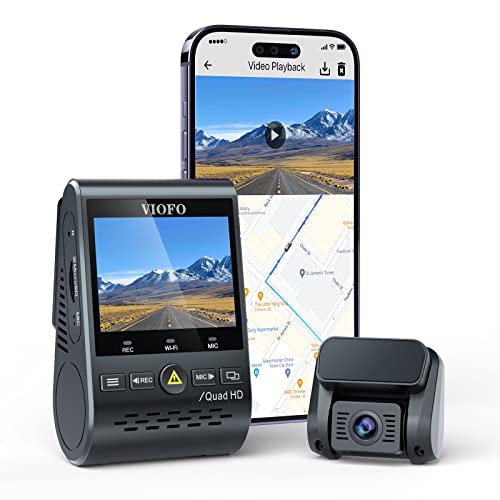
VIOFO Dual Dash Cam, 2K 1440P 60fps+1080P 30fps Front and Rear Dash Camera with Wi-Fi GPS, Parking Mode, Emergency Recording, Super Capacitor, Motion Detection (A129 Plus Duo) : Electronics
View on AmazonMake sure everyone is safe and call 911 if needed. For deer or large-animal collisions, notify law enforcement. A police report helps your claim.
Document the scene. Take photos of all vehicles, license plates, road conditions, and any wildlife damage. Exchange information with the other driver(s).
Notify your insurer promptly. Policies require timely notice—waiting can complicate coverage.
Choose how to proceed:
- If you’re at fault: Your liability coverage pays others; your collision coverage (if you have it) pays for your car after your deductible.
- If you’re not at fault: You can file with the other driver’s insurer, or use your own collision and let your insurer subrogate (collect from the other company) so you get back on the road faster.
- If the other driver is uninsured: Your UM coverage helps with injuries. For your car, collision handles crash damage; comprehensive handles hail/animal damage.
Repairs and estimates. You typically can choose your repair shop. Some insurers have preferred shops with streamlined estimates and guaranteed repairs. For hail, paintless dent repair (PDR) is common.
Rental reimbursement. If you carry rental coverage, it pays a daily amount for a loaner while your car is in the shop after a covered loss.
Total loss valuations. Insurers pay the vehicle’s actual cash value (ACV—the depreciated value right before the loss), minus your deductible if applicable. Bring maintenance records and recent comparable listings to the adjuster if you believe the valuation is low.
Heads up on deadlines: Insurance policies have prompt reporting requirements, and legal time limits to pursue injury or property claims can apply under South Dakota law. If you’re hurt, consider speaking with a local attorney to understand your options and timelines.
FAQ: common questions about South Dakota car insurance
Is South Dakota a no-fault state?
- No. South Dakota is an at-fault state. The at-fault driver’s liability insurance pays for damages and injuries to others, up to policy limits.
Is uninsured motorist coverage required in South Dakota?
- South Dakota law requires uninsured motorist bodily injury coverage on most auto policies, at least at the state minimum limits. Underinsured motorist coverage isn’t mandated but is commonly offered and recommended.
What coverage pays for hitting a deer or hail damage?
- Comprehensive coverage. In most policies, animal strikes and hail are comprehensive claims, subject to your comprehensive deductible.
How much does auto insurance in South Dakota cost?
- For many clean-record drivers, minimum coverage might run $28–$55 per month and full coverage about $90–$150 per month. Your actual rate depends on your profile, vehicle, and location.
What is an SR-22, and when might I need one?
- An SR-22 is a filing your insurer makes with the state to prove you carry at least minimum liability coverage after certain violations (like a DUI or driving uninsured). In South Dakota, you typically must maintain it for a set period—often around three years—without lapses. Expect higher premiums while it’s on file.
Does insurance follow the car or the driver in South Dakota?
- In most cases, liability coverage follows the car. If you lend your car to a permissive driver and they cause a crash, your policy is usually primary. Your policy may have exclusions (for example, certain business use or unlisted household drivers), so read your declarations and ask your agent.
Do I need insurance on a car I’m storing for the winter?
- If it’s registered and could be driven, you’re typically required to keep liability in place. If it’s off the road, some drivers switch to comprehensive-only for storage to protect against hail, fire, theft, and mice damage—then reinstate liability before driving.
A quick, friendly reminder: This guide is general information. For advice tailored to your situation, it’s always smart to speak with a licensed insurance agent in South Dakota.
Ready to see your real price?
The fastest way to see what you would actually pay is to compare quotes from 3–5 carriers using identical coverage limits and deductibles. You’ll spot the true best value in minutes. If you’d like help, a licensed agent can walk you through options and apply every discount you qualify for.
Your next step
- Gather your current policy (or wish list of limits), VIN(s), driver license info, and mileage
- Decide on must-have coverages: liability limits, UM/UIM, comprehensive, collision, full glass, rental reimbursement
- Compare side-by-side quotes from several insurers today and lock in the best blend of price and protection for how you actually drive in South Dakota
Recommended Resources
Insurance for Dummies: Hungelmann, Jack
<strong>Manage life, health, and disability risks</strong> ― explore individual and group policies, understand Medicare basics, and evaluate long-term disability and long-term-care insurance ...
VIOFO Dual Dash Cam, 2K 1440P 60fps+1080P 30fps Front and Rear Dash Camera with Wi-Fi GPS, Parking Mode, Emergency Recording, Super Capacitor, Motion Detection (A129 Plus Duo) : Electronics
Buy VIOFO Dual Dash Cam, 2K 1440P 60fps+1080P 30fps Front and Rear Dash Camera with <strong>Wi-Fi GPS, Parking Mode</strong>, Emergency Recording, Super Capacitor, Motion Detection (A129 Plus Duo): On
Permatex 09103 Automotive Windshield Repair Kit For Chipped And Cracked Windshields. Permanent Air-Tight Repairs, With Repair Syringe & Plunger, 9-piece Kit : Automotive
Buy Permatex 09103 Automotive Windshield Repair Kit For Chipped And Cracked Windshields. <strong>Permanent Air-Tight Repairs, With Repair Syringe & Plunger, 9-piece Kit</strong>: Windshield &
Related Articles
- Home Insurance in South Dakota: Coverage, Costs & Best Companies
- Auto Insurance in South Carolina: Rates, Requirements & How to Save
- Auto Insurance in Montana: Rates, Requirements & How to Save
- Auto Insurance in Wyoming: Rates, Requirements & How to Save
- Auto Insurance in Wisconsin: Rates, Requirements & How to Save
- Health Insurance in South Dakota: Plans, Costs & How to Enroll
- Auto Insurance in Vermont: Rates, Requirements & How to Save
- Auto Insurance in Nebraska: Rates, Requirements & How to Save