
Home Insurance in North Dakota: Coverage, Costs & Best Companies
You just got a homeowners quote and the number feels high. With hail, blizzards, and long drives to the nearest fire station in some rural areas, is that normal for North Dakota? Here’s what actually matters when choosing home insurance in North Dakota—and how to get a fair price without sacrificing the coverage you need.
What does home insurance in North Dakota cover?
Home insurance in North Dakota typically follows the same structure you’ll see nationwide, but with state-specific twists for wind, hail, and severe winter weather.
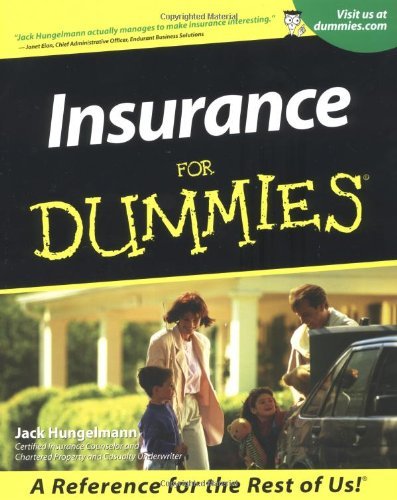
Insurance for Dummies: Hungelmann, Jack
<strong>Manage life, health, and disability risks</strong> ― explore individual and group policies, understand Medicare basics, and evaluate long-term disability and long-term-care insurance ...
Check Price on AmazonMost standard homeowners policies (often called an HO‑3) include:
- Dwelling coverage (Coverage A): Pays to repair or rebuild the structure of your home after a covered loss. Covered losses usually include fire, wind, hail, theft, and more. Make sure the dwelling limit reflects rebuild cost, not market value. Rebuild cost is what it would cost to reconstruct your home today with similar materials and labor in your area.
- Other structures (Coverage B): Fences, detached garages, sheds—usually 10% of Coverage A by default.
- Personal property (Coverage C): Your belongings. Look for replacement cost coverage (pays to replace new for old) instead of actual cash value (pays after subtracting depreciation—what your items are worth today).
- Loss of use (Coverage D): Extra living expenses if you need to live elsewhere during repairs (hotel, rent, meals up to policy limits).
- Personal liability (Coverage E): If someone is injured on your property or you accidentally damage someone else’s property, this helps cover legal defense and settlements. Many North Dakotans choose $300,000–$500,000; it’s typically inexpensive to increase.
- Medical payments to others (Coverage F): Smaller medical bills for guests injured on your property, regardless of fault.
Key terms you’ll see on North Dakota quotes:
- Deductible: The amount you pay out of pocket before insurance pays. In North Dakota, many carriers include a separate wind/hail deductible (often $1,000–$2,500 or a percentage like 1%–2% of the dwelling limit) because hail claims are common. A percentage deductible means 1% of a $350,000 dwelling limit is $3,500 out of pocket for a wind/hail claim.
- Replacement cost vs. actual cash value (ACV): Replacement cost pays to rebuild or replace without depreciation; ACV subtracts for age and wear. Some ND policies pay ACV on roofs older than a set age or use a roof schedule. Ask whether your roof is covered at replacement cost.
- Ordinance or law coverage: Extra funds (often 10%–25% of Coverage A) for code upgrades when rebuilding—useful in older homes or towns adopting newer energy or snow-load codes.
Common add-ons North Dakotans consider:
- Water/sewer backup and sump overflow: Covers backup through drains or a failed sump pump—common during spring thaw or heavy rain. Not included by default; you choose a limit (e.g., $10,000–$25,000).
- Service line coverage: Pays to repair underground utility lines (water, sewer, power) on your property that you’re responsible for.
- Equipment breakdown: Covers sudden mechanical/electrical breakdown of systems like well pumps, HVAC, or appliances.
- Matching siding/roof endorsement: Helps if hail damages only part of your siding or roof and the replacement doesn’t match the rest.
- Scheduled personal property: Extra protection for jewelry, firearms, collectibles with higher limits and often no deductible.
Note: The state doesn’t require homeowners insurance by law, but your mortgage lender almost certainly will.
Average home insurance costs in North Dakota by home value and location
Let’s set expectations. Because of frequent wind and hail, home insurance in North Dakota typically costs more than the national average but less than the highest-cost Plains states.
Ballpark ranges many homeowners see today (actual rates vary by insurer, construction, roof age, claim history, fire protection class, and exact location):
- Smaller home or townhome, $200,000 dwelling: roughly $1,000–$1,800 per year
- Mid‑range home, $300,000 dwelling: roughly $1,400–$2,400 per year
- Larger or newer home, $400,000–$500,000 dwelling: roughly $1,900–$3,500+ per year
Location matters in North Dakota:
- Fargo/West Fargo/Grand Forks: Dense neighborhoods with strong fire protection typically see competitive rates, but hail frequency still drives premiums.
- Bismarck/Mandan: Similar to Fargo in many cases; newer roofs can significantly reduce premiums.
- Minot/Williston and rural western counties: Longer distances to fire stations and hydrants (called Public Protection Class, a rating of fire response quality) can raise rates. Rural properties with outbuildings may need additional coverage and can cost more.
- Lake cabins and seasonal homes: Often higher due to vacancy, distance to fire protection, and freeze risk.
Example: Say you’re in Bismarck with a 1995-built 1,900‑sq‑ft home, a 5‑year‑old asphalt roof, and $350,000 dwelling coverage. A clean record homeowner might see quotes cluster around $1,700–$2,400 annually depending on deductible and endorsements. Change the roof to 18 years old and add a prior hail claim, and that range can jump by several hundred dollars.
The fastest way to see what you would actually pay is to compare quotes from 3–5 carriers side by side. Each company weighs roof age, materials, and local hail data differently, so spreads of $500+ a year between insurers are common.
North Dakota-specific risks: natural disasters, weather, and regional factors
Understanding local risks helps you buy smarter coverage.

The Basement Watchdog Emergency Battery Backup Sump Pump - Up to 2,000 GPH - 24/7 Monitoring Controller (BWE) - Sump Pump Battery Backup - Amazon.com
PumpSpy Dual Pump Install Kit - ... Dual Pump System To 1-1/2" Line · <strong>The Basement Watchdog Combo Preassembled Primary & Battery Backup Sump Pump System w/Monitoring Controller (CITE-
Check Price on Amazon- Hail and wind: Among the top claim drivers statewide. Look closely at the wind/hail deductible and whether roofs are paid at replacement cost or actual cash value.
- Blizzards and ice: Heavy snow loads, ice dams (when melting snow refreezes at the roof edge and forces water under shingles), and frozen pipes. Resulting interior water damage from a sudden event is often covered; maintenance issues are not. Better attic insulation/ventilation can reduce ice dams.
- Spring flooding: Especially along the Red River Valley and around Devils Lake. Flooding from surface water or overflowing rivers is not covered by standard homeowners insurance. Consider a separate flood policy through the National Flood Insurance Program (NFIP) or private flood insurance—ideally purchased before spring melt. There’s typically a 30‑day waiting period for NFIP policies.
- Lightning and power surges: Summer storms can damage electronics and well pumps—equipment breakdown coverage or adequate personal property limits help here.
- Wildfire/grassfire: Less frequent than in the West but not unheard of in dry seasons, especially in prairie areas.
- Distance to fire protection: In rural parts of North Dakota, being far from a hydrant or fire station can raise premiums and limits some carriers’ appetite. Ask your agent about your property’s Public Protection Class (PPC), which typically ranges from 1 (best) to 10 (no recognized protection).
How to compare home insurance quotes in North Dakota
Here is what actually matters when comparing quotes so you avoid paying too much—or too little—for home insurance in North Dakota.
- Match the dwelling limit to a realistic rebuild cost
- Don’t use your purchase price. Construction costs in North Dakota (labor, materials, and cold‑weather construction requirements) are what count. Ask your agent to run a replacement cost estimator and review major features: finished basement, attached garage, custom cabinetry, specialty windows, and roof type.
- Consider extended replacement cost (often +25%–50% on top of Coverage A) to buffer inflation or demand spikes after a widespread hail or wind event.
- Scrutinize roof coverage
- Is your roof covered at replacement cost or ACV? If it’s ACV, older roofs can lead to big out‑of‑pocket costs after hail. Some carriers use a roof schedule by age and material—ask to see it.
- Check for cosmetic roof exclusions on metal roofs (dents without functional damage). Decide if the discount is worth the trade‑off.
- Impact‑resistant (Class 4) shingles can earn notable discounts with many ND insurers.
- Understand your wind/hail deductible
- Flat dollar deductibles (e.g., $1,000) vs. percentage deductibles (e.g., 1%–2% of the dwelling limit) produce very different out‑of‑pocket costs on a large claim.
- Ask for side‑by‑side pricing at $1,000, $2,500, and 1% wind/hail deductibles to see the savings vs. risk.
- Add the right water protections
- Water/sewer backup and sump overflow is a go‑to add‑on for many North Dakotans. Choose a limit that reflects potential basement cleanup and replacement of finishes (often $10,000–$25,000+ for finished basements).
- Service line coverage is inexpensive compared to digging up and replacing a collapsed clay or iron line.
- Set liability limits thoughtfully
- Bump liability to at least $300,000—often $500,000—especially if you have notable assets, host frequent gatherings, or own dogs or recreational equipment. Consider a personal umbrella policy for $1–$2 million additional liability if you need more protection.
- Check special property limits
- Jewelry, firearms, collectibles, and business property often have sublimits. Schedule items individually if needed.
- Look at loss settlement and claim service
- Ask how claims are paid (RCV vs ACV), whether depreciation holdback is released after completed repairs, and average claim timelines after hail events.
- Compare apples to apples
- Standardize on the same Coverage A, deductibles, and endorsements across all quotes. Note the carrier’s financial strength rating and local claim reputation.
Helpful next step: Get personalized quotes. The fastest way to see your actual price in North Dakota is to compare 3–5 carriers at once. Start with one quote, then expand—expect meaningful differences based on your roof age, distance to fire protection, and hail history in your ZIP code.
Discounts and bundling opportunities for North Dakota homeowners
Most insurers in North Dakota offer similar discount menus. Ask for:
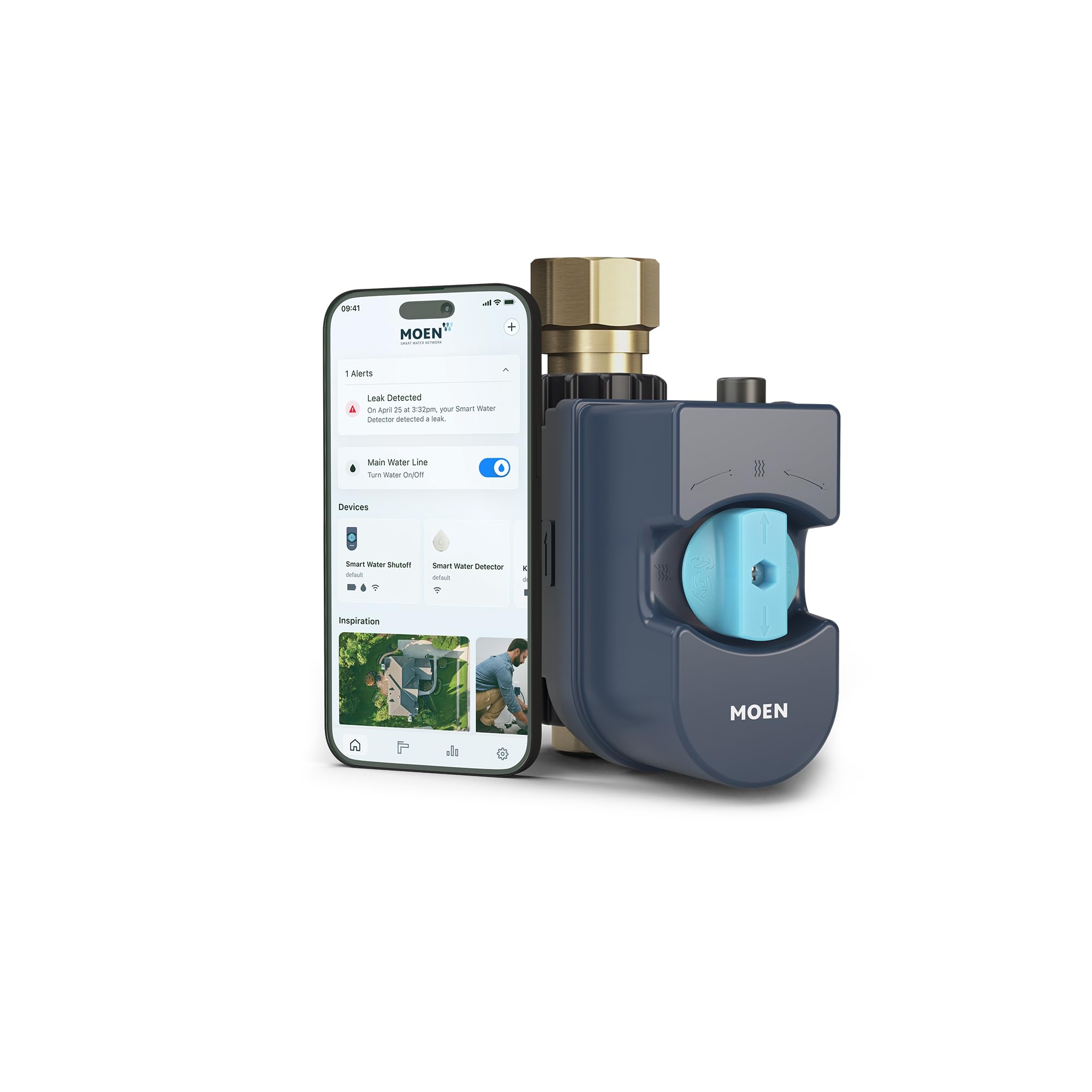
Moen Flo Smart Water Monitor and Automatic Shutoff Sensor, Wi-Fi Water Leak Detector for 3/4-Inch Diameter Pipe, 900-001 - Tub And Shower Faucets - Amazon.com
Moen Flo Smart Water Monitor and Automatic Shutoff Sensor, <strong>Wi-Fi Water Leak Detector for 3/4-Inch Diameter Pipe</strong>, 900-001 - Tub And Shower Faucets - Amazon.com
Check Price on Amazon- Multi‑policy (bundle home + auto): Often one of the biggest savings opportunities.
- Impact‑resistant (Class 4) roof: Can reduce wind/hail premiums; proof or a shingle certification may be required.
- Newer roof or recent full roof replacement: Even without Class 4 shingles, many carriers discount for age.
- Protective devices: Monitored smoke/CO alarms, security system, leak detectors, automatic water shutoff.
- New home or renovated home: Recent wiring, plumbing, and HVAC upgrades can cut risk and rates.
- Claim‑free/loyalty: Safe history matters, though switching carriers is still worth exploring if rates climb.
- Pay‑in‑full, electronic documents, or auto‑pay: Small but easy savings.
Tip: If you’re already replacing a hail‑damaged roof, ask your contractor to price out Class 4 shingles. The premium discount over time can offset part of the upgrade cost.
Filing a home insurance claim in North Dakota
Storm hits, shingles are scattered, and you’re wondering what to do. Here’s a practical playbook many North Dakota homeowners follow:
- Mitigate further damage
- Cover exposed areas with a tarp and shut off water if you have a leak. Keep receipts—reasonable emergency repairs are typically reimbursed.
- Document everything
- Take clear photos and videos of damage indoors and outdoors. Note dates and any weather event details.
- Contact your insurer or agent promptly
- Most policies require prompt notice. Ask about your deductible, whether your roof is RCV or ACV, and what to expect next.
- Meet the adjuster and get an estimate
- Walk the adjuster through all damage, including gutters, windows, siding, and detached buildings.
- Choose a reputable, local contractor
- After big hailstorms, “storm chaser” contractors may knock on doors. Verify licenses and insurance, get multiple bids, and be cautious signing an assignment of benefits (AOB), which gives a contractor the right to negotiate and collect payment directly from your insurer. Make sure the final scope matches the insurer’s estimate or that supplements are documented.
- Understand depreciation holdback
- If you have replacement cost on your roof or personal property, you may receive two payments: the initial actual cash value and a second “recoverable depreciation” payment after repairs or replacement are completed and documented.
- Track timelines
- Policies set deadlines for submitting documents and completing repairs. If delays happen (material shortages, winter), keep your adjuster updated.
Questions during a claim? A licensed North Dakota agent or a reputable public adjuster can help you understand your options and policy language.
What to look for in a North Dakota homeowners insurer
When you’re narrowing your shortlist, use these criteria:
- Strong roof coverage: Replacement cost on roofs where possible, reasonable wind/hail deductibles, and no overly restrictive cosmetic damage exclusions unless the price trade‑off is compelling.
- Clear water protections: Water/sewer backup and sump overflow limits that match your basement finish level.
- Stable pricing history in hail‑prone regions: Some carriers swing rates more than others after stormy years.
- Helpful claims support: Local adjusters, established contractor networks, and straightforward communication during hail surges.
- Flexibility for rural properties: Comfort with long distances to fire protection and coverage for outbuildings, wells, and septic.
FAQ: common questions about North Dakota homeowners insurance
Is flood covered by homeowners insurance? No. Flood from rising rivers, snowmelt, or surface water requires a separate flood policy (NFIP or private). There’s typically a 30‑day waiting period, so consider buying before spring.
Are ice dams covered? Resulting interior water damage from a sudden ice dam is often covered, but fixing the cause (like improving insulation or replacing worn shingles) is considered maintenance and not covered. Some carriers offer endorsements—ask what’s available.
Do I need water/sewer backup coverage? If you have a basement or sump system, it’s a popular and relatively affordable add‑on. Choose a limit that could realistically handle cleanup, drying, and replacing flooring and walls.
How do insurers treat older roofs? Many in North Dakota use ACV or a roof-age schedule on older roofs to control hail losses. Newer or impact‑resistant roofs often qualify for better coverage and lower rates.
Will a wood stove or pellet stove affect my policy? It can. Insurers may require professional installation documentation and inspections. Expect underwriting questions and, sometimes, a surcharge.
What about small acreage or hobby farm activities? Standard homeowners policies exclude many farming operations. If you sell eggs, board horses, or have multiple outbuildings and equipment, you may need endorsements or a farm/ranch policy.
Earthquake insurance in North Dakota? Earthquakes are rare, but you can usually add inexpensive earthquake coverage by endorsement if you want it.
How much liability coverage should I carry? Many North Dakota homeowners choose $300,000–$500,000. If you have significant assets or higher risk factors (pool, trampoline, frequent hosting), consider a personal umbrella policy for extra protection.
A quick note on getting help
Insurance is state‑regulated and policies vary by company. For personalized guidance, talk with a licensed North Dakota agent who can review your home details, roof condition, and local risks to help you right‑size coverage and compare options.
Ready to see your price?
The smartest next step is to get personalized quotes. In most cases, the fastest way to see what you would actually pay is to compare rates from 3–5 carriers side by side. Start with your current coverage, then test different deductibles (especially wind/hail) and endorsements like water backup to find your best value.
Bottom line for North Dakota homeowners
- Prioritize roof coverage terms and the wind/hail deductible—these drive real‑world costs after storms.
- Add water/sewer backup and consider service line coverage, especially for older homes and finished basements.
- Use a realistic rebuild cost for your dwelling limit and consider extended replacement cost.
- Shop multiple carriers. With North Dakota’s weather profile, pricing can vary widely for similar coverage.
When you’re ready, get quotes and compare. A few minutes now can save you hundreds a year and a lot of headaches when the next storm rolls through.
Recommended Resources
Insurance for Dummies: Hungelmann, Jack
<strong>Manage life, health, and disability risks</strong> ― explore individual and group policies, understand Medicare basics, and evaluate long-term disability and long-term-care insurance ...
Moen Flo Smart Water Monitor and Automatic Shutoff Sensor, Wi-Fi Water Leak Detector for 3/4-Inch Diameter Pipe, 900-001 - Tub And Shower Faucets - Amazon.com
Moen Flo Smart Water Monitor and Automatic Shutoff Sensor, <strong>Wi-Fi Water Leak Detector for 3/4-Inch Diameter Pipe</strong>, 900-001 - Tub And Shower Faucets - Amazon.com
The Basement Watchdog Emergency Battery Backup Sump Pump - Up to 2,000 GPH - 24/7 Monitoring Controller (BWE) - Sump Pump Battery Backup - Amazon.com
PumpSpy Dual Pump Install Kit - ... Dual Pump System To 1-1/2" Line · <strong>The Basement Watchdog Combo Preassembled Primary & Battery Backup Sump Pump System w/Monitoring Controller (CITE-
Related Articles
- Home Insurance in South Dakota: Coverage, Costs & Best Companies
- Home Insurance in North Carolina: Coverage, Costs & Best Companies
- Home Insurance in Minnesota: Coverage, Costs & Best Companies
- Home Insurance in Montana: Coverage, Costs & Best Companies
- Life Insurance in North Dakota: Coverage Options, Costs, and How to Choose
- Home Insurance in Nebraska: Coverage, Costs & Best Companies
- Home Insurance in Wyoming: Coverage, Costs & Best Companies
- Home Insurance in New Mexico: Coverage, Costs & Best Companies