
Health Insurance in South Dakota: Plans, Costs & How to Enroll
You’re shopping for health insurance in South Dakota and trying to figure out what’s a fair price, which plans actually cover your doctors, and when you can enroll. Here’s what actually matters so you can choose confidently—and avoid the common pitfalls that trip people up.
Quick note on terms: when I say “deductible,” I mean the amount you pay out of pocket before insurance starts sharing costs; “coinsurance” is the percentage you pay after the deductible is met; and “out-of-pocket max” is the most you’d pay in a year for covered, in-network care.
Your health insurance options in South Dakota
South Dakotans typically get coverage in one of these ways:
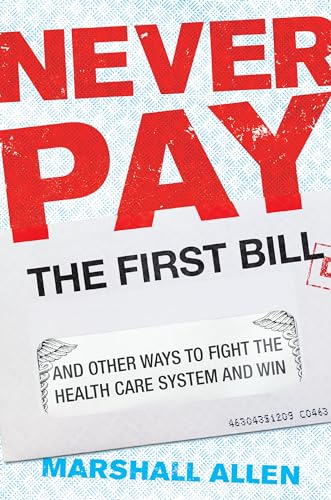
Never Pay the First Bill: And Other Ways to Fight the Health Care System and Win: Allen, Marshall
Drawing on 15 years of investigating the health care industry, reporter Marshall Allen <strong>shows how companies and individuals have managed to force medical providers to play fair, and shows how y
Check Price on Amazon- Employer coverage (group insurance): If your job offers a plan, this is often the most affordable route because your employer pays part of the premium (your monthly bill).
- Individual and family plans on the ACA marketplace: These are the Affordable Care Act–compliant plans you buy yourself through HealthCare.gov. They cover the essential health benefits (hospitalization, prescription drugs, maternity, mental health, etc.) and cannot deny you or charge more for preexisting conditions.
- Individual plans off the marketplace (direct from an insurer or broker): Same core protections as on-marketplace, but you won’t get income-based subsidies if you buy off the marketplace. Some people choose off-exchange when a specific plan or network they want isn’t listed on HealthCare.gov.
- Medicaid (South Dakota Medicaid) and CHIP (Children’s Health Insurance Program): Free or low-cost coverage for people who qualify based on income and household situation. South Dakota expanded Medicaid effective July 1, 2023, so more adults qualify now.
- Medicare (age 65+ or certain disabilities): Covers hospital (Part A) and medical (Part B), with optional drug coverage (Part D) and Medicare Advantage or Medigap add-ons. If you’re approaching 65, talk with a licensed advisor or South Dakota’s SHIINE program.
- Short-term health plans: Temporary, limited-benefit coverage meant to bridge gaps. These typically exclude preexisting conditions and many essential benefits. Federal rules now limit initial terms to about 3 months (with a possible 1-month renewal). They’re not a substitute for ACA coverage.
What insurers don’t always say: in many South Dakota counties, networks can be narrow. Always check that your preferred doctors, hospitals, and clinics are in-network before you enroll.
Average health insurance premiums in South Dakota by plan type and age
Let’s set expectations. Unsubsidized premiums (the full price before any financial help) vary by county, plan, and age. In most South Dakota counties, a 40-year-old shopping on the marketplace will typically see monthly premiums roughly in these ranges:
- Bronze plans (lower premiums, higher deductibles): about $380–$480
- Silver plans (mid-range, eligible for extra savings if your income qualifies): about $500–$650
- Gold plans (higher premiums, lower deductibles): about $560–$720
Age matters. The ACA allows insurers to vary premiums by age (up to 3x more for older adults compared with a 21-year-old). That means, for the same plan:
- A 21-year-old might see Bronze around $300–$380 and Silver around $400–$520
- A 60-year-old might see Bronze around $700–$950 and Silver around $900–$1,200
These are broad, illustrative ranges. Rates vary by county, plan design, and whether you use tobacco (insurers can add a tobacco surcharge). The fastest way to see what you’d actually pay is to compare real quotes from 3–5 carriers for your ZIP code and age.
How subsidies change what you pay: Most South Dakotans who buy their own coverage qualify for federal premium tax credits that cap how much of your income goes toward the benchmark Silver plan. That can reduce your monthly premium substantially—and sometimes to $0 for certain Bronze or even Silver plans, depending on income and household size.
- Example (illustrative only): A 35-year-old non-smoker in Sioux Falls earning about $32,000 might pay something like $60–$140/month for a mid-level Silver plan after subsidies. A 60-year-old couple in Rapid City earning $48,000 combined could see very large subsidies and pay a few hundred dollars per month for robust coverage. Your results can differ widely, which is why side-by-side quotes help.
South Dakota Medicaid eligibility and enrollment
South Dakota expanded Medicaid, so more low-income adults now qualify. Eligibility is based on Modified Adjusted Gross Income (MAGI) and household size.
- Adults 19–64: Typically eligible up to 138% of the federal poverty level (FPL). As a ballpark, that’s around $20,000 for a single adult or about $34,000 for a family of three (figures update annually).
- Pregnant people, children, and people with disabilities: Often qualify at different (sometimes higher) income levels. Many children qualify for CHIP at higher incomes than adults.
How to apply:
- Online: Through South Dakota’s Department of Social Services (DSS) or by starting at HealthCare.gov, which will route your application.
- By mail or in person: Local DSS offices can help; you can also apply by phone.
When coverage starts: If approved, Medicaid coverage can start retroactively (in some cases) to cover recent medical bills. Be sure to ask about retroactive eligibility if you had recent care.
Tip: If your income fluctuates seasonally (farm/ranch, tourism, self-employed), gather your recent tax return and a realistic year-ahead estimate. DSS can help you document expected income.
South Dakota health insurance marketplace: open enrollment and special periods
South Dakota uses the federal marketplace at HealthCare.gov.
- Open Enrollment: Generally November 1 through January 15 each year.
- Enroll by December 15 for coverage starting January 1
- Enroll between December 16 and January 15 for coverage starting February 1
- Special Enrollment Periods (SEPs): You can enroll outside open enrollment if you have a qualifying life event (QLE), such as:
- Losing other health coverage (including employer coverage or COBRA)
- Moving to South Dakota or moving within the state to a new rating area
- Marriage, divorce, or having a baby
- A significant change in income affecting subsidy eligibility
- Gaining lawful presence
- American Indian and Alaska Native enrollees: If you’re a federally recognized tribal member or Alaska Native, you can enroll in a marketplace plan or change plans once per month and may qualify for special cost-sharing reductions.
Mark your calendar: SEPs typically give you 60 days after the event to enroll. If you’re losing coverage, you often can apply up to 60 days before it ends to avoid a gap.
How to compare and choose the best health plan in South Dakota
Here’s a checklist that keeps you focused on what drives your total cost and care experience.
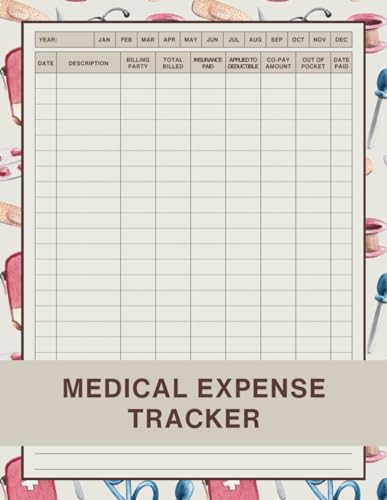
Medical Expense Tracker: A Record Logbook for Keeping Track Your Medical Spending, Bills, and Payment All in One Place | Health Expense Organizer: Media, Tylissa A.: Amazon.com
View on Amazon- Confirm your doctors and hospitals
- Network: Are your preferred primary care provider, specialists, and local hospital systems (for example, common South Dakota systems like Sanford, Avera, Monument) in-network? Out-of-network care is usually not covered on HMO/EPO plans except for emergencies.
- Look past the premium to the real cost of care
- Deductible: The amount you pay before your plan starts paying. A $7,000 deductible may be fine if you rarely get care, but painful if you need surgery.
- Copays vs. coinsurance: Copay is a flat dollar amount (like $30 per visit). Coinsurance is a percentage (like 20% of the bill) after the deductible.
- Out-of-pocket max: Your safety cap for the year. If you hit this, the plan pays 100% of covered, in-network services for the rest of the year. Lower is better, but premiums are higher.
- If your income qualifies, prioritize Silver plans
- Cost-sharing reductions (CSRs): Extra savings that lower your deductible, copays, and out-of-pocket max if your household income is roughly 100%–250% FPL. You only get CSRs by choosing a Silver plan. For many families, a CSR Silver plan delivers the best value.
- Medications and ongoing conditions
- Formulary: Confirm your prescriptions are covered at a reasonable tier. Specialty drugs can be pricey—check coinsurance percentages and any prior authorization rules.
- HSA-eligible options for healthy savers
- High-deductible health plans (HDHPs) paired with a Health Savings Account (HSA) let you save pre-tax dollars for qualified medical expenses. Great if you want to build a healthcare rainy-day fund—but run the numbers, because not every HDHP is cheaper overall.
- Consider your travel and distance to care
- If you live rural or travel out of state, check how the plan handles out-of-area emergencies and urgent care. Some plans have regional networks that may be tight outside your home area.
- Understand referrals and prior authorizations
- Some HMOs require referrals to see specialists. Many plans require prior authorization for advanced imaging, elective procedures, and certain meds. Know the rules so you’re not surprised.
- Avoid common pitfalls
- Don’t buy on premium alone. A $0 Bronze plan might be a false economy if you expect moderate-to-high care needs.
- Don’t assume your doctor is covered year to year. Networks and drug lists change—verify every renewal.
- Be careful with short-term plans. They usually exclude preexisting conditions and many essential benefits like maternity or mental health.
Want help narrowing it down? A licensed agent can compare multiple carriers, confirm your doctors, and estimate your subsidies—all at no extra cost to you.
South Dakota-specific subsidies and financial assistance
- Federal premium tax credits: Available to most households buying through HealthCare.gov, with no hard upper income cap. The credit size depends on your income, household size, and the benchmark plan in your county.
- Cost-sharing reductions (Silver plans only): If your income is roughly 100%–250% FPL, you can get lower deductibles and out-of-pocket maximums by choosing a Silver plan.
- American Indian and Alaska Native benefits: If you’re a member of a federally recognized tribe, you may qualify for $0 cost sharing at certain income levels when you enroll in a marketplace plan.
- State-funded subsidies: South Dakota does not currently offer additional state-funded premium subsidies. Your financial help comes from federal programs.
- Local enrollment help: Navigators, community health centers, and DSS offices can help you apply for Medicaid or marketplace subsidies at no cost.
How to enroll in a South Dakota marketplace plan (step-by-step)
- Gather info: Social Security numbers (or document numbers), estimated household income (MAGI), recent tax return, and details about any current coverage.
- Create or update your HealthCare.gov account: Complete the application to see your eligibility for premium tax credits and cost-sharing reductions.
- Compare plans side by side: Filter by your doctors and prescriptions. Look closely at deductible, copays/coinsurance, and out-of-pocket max.
- Pick your plan and submit: Pay the first month’s premium by the deadline to activate coverage.
- Watch for ID cards and welcome materials: Set up online accounts with your insurer and pharmacy.
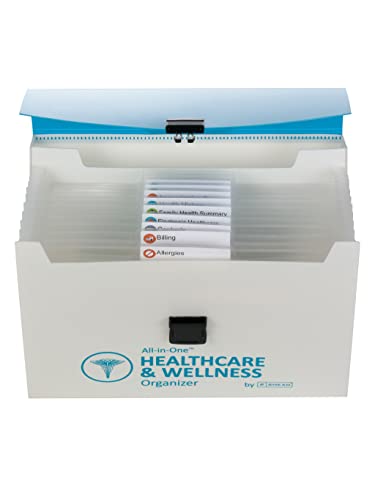
Smead All-in-One Healthcare & Wellness Organizer, 13 Pockets, Letter Size, Flap with Elastic Closure, White/Teal (92070)
View on AmazonConsumer tip: If your income changes midyear, update your application. It can increase your monthly subsidy right away or prevent a surprise tax bill at filing time.
Real-world South Dakota examples (illustrative)
- 28-year-old in Rapid City with no ongoing conditions, income ~$28,000: May find a low-premium Bronze plan or a subsidized Silver plan with manageable copays. If prescriptions are generic only, a higher-deductible Silver could be good value.
- Family of four in Watertown, income ~$70,000: Often sees meaningful subsidies. A CSR-eligible Silver tier may reduce deductible and out-of-pocket max if income is within the CSR range. If not CSR-eligible, compare a competitive Gold against a mid-range Silver by estimating total annual costs.
- 62-year-old in Pierre, income ~$40,000: Because premiums rise with age, subsidies often rise too. It’s common for near-retirees to find robust Silver or Gold plans at a reasonable net premium. Verify doctors and preferred hospital are in-network before deciding.
Rates vary by county, plan, and your personal situation. Use these only as starting points.
Get personalized quotes (smart next step)
The fastest way to see your real price for health insurance in South Dakota is to compare quotes from 3–5 carriers for your ZIP code and income. A licensed agent can also confirm your doctors and prescriptions, estimate your subsidies, and help you apply—at no added cost.
We can connect you with licensed experts who work for you, not the insurer.
FAQ: common questions about South Dakota health insurance
Is there a state penalty if I go uninsured?
- No. South Dakota does not have a state-level individual mandate penalty. You won’t pay a state fine for going uninsured, but you risk full medical bills if something happens.
Which companies sell marketplace plans in South Dakota?
- Availability varies by county and changes year to year. You’ll typically see a small number of regional carriers. Check HealthCare.gov for your county’s options.
What if I miss Open Enrollment?
- You’ll need a qualifying life event (like loss of coverage, move, marriage, or birth) to get a Special Enrollment Period. Otherwise, you can generally enroll again next Open Enrollment.
Are short-term plans allowed in South Dakota?
- Yes, but they’re limited-duration and not ACA-compliant. They can exclude preexisting conditions and many essential benefits. Federal rules currently limit initial terms to about 3 months (with a short renewal). Read the fine print carefully.
Can I use an HSA in South Dakota?
- Yes, if you enroll in an HSA-eligible high-deductible health plan. You can use HSA funds tax-free for qualified medical expenses. Be sure to verify that the plan is HSA-qualified before you contribute.
Do I qualify for Medicaid if I’m working?
- Possibly. Medicaid is based on household income and size, not whether you’re employed. Many working adults now qualify under South Dakota’s expansion, especially in lower-wage or seasonal jobs.
When does my coverage start?
- During Open Enrollment, enroll by December 15 for a January 1 start; enroll by January 15 for a February 1 start. During a Special Enrollment Period, coverage usually starts the first of the month after you select a plan (deadlines apply).
If you’re reviewing all your insurance in South Dakota
Health is just one piece of your financial safety net. If you’re also evaluating your home or car insurance, these guides can help:
- See typical costs and savings tips for auto: Auto Insurance in South Dakota: Rates, Requirements & How to Save
- Understand what home insurance covers and what it costs in your state: Home Insurance in South Dakota: Coverage, Costs & Best Companies
Talk to a licensed agent (no-cost help) and take the next step
Choosing health insurance in South Dakota doesn’t have to be confusing. A licensed agent can walk you through your options, check your doctors and drugs, and help you estimate subsidies so you don’t overpay. There’s no extra fee for using an agent.
Ready to see your real numbers? Compare quotes from 3–5 carriers for your ZIP code and income, and lock in the plan that fits your doctors and your budget.
Note: This guide is for general education. Benefits, networks, and prices change by county and year. For personal advice, consult a licensed agent or visit HealthCare.gov and South Dakota DSS resources.
Recommended Resources
Never Pay the First Bill: And Other Ways to Fight the Health Care System and Win: Allen, Marshall
Drawing on 15 years of investigating the health care industry, reporter Marshall Allen <strong>shows how companies and individuals have managed to force medical providers to play fair, and shows how y
Smead All-in-One Healthcare & Wellness Organizer, 13 Pockets, Letter Size, Flap with Elastic Closure, White/Teal (92070)
Healthcare documents are stored ... or the hospital. Flap and cord closure adds protection and security. <strong>File includes 12 expanding pockets</strong>....
Medical Expense Tracker: A Record Logbook for Keeping Track Your Medical Spending, Bills, and Payment All in One Place | Health Expense Organizer: Media, Tylissa A.: Amazon.com
<strong>Medical Spending Record</strong>: A Logbook for Keeping Track Your Medical Expenses, Bills, and Payment All in One Place | Health Expense Organizer
Related Articles
- Health Insurance in North Dakota: Plans, Costs & How to Enroll
- Health Insurance in South Carolina: Plans, Costs & How to Enroll
- Auto Insurance in South Dakota: Rates, Requirements & How to Save
- Home Insurance in South Dakota: Coverage, Costs & Best Companies
- Health Insurance in Utah: Plans, Costs & How to Enroll
- Health Insurance in Minnesota: Plans, Costs & How to Enroll
- Health Insurance in Colorado: Plans, Costs & How to Enroll
- Health Insurance in Nebraska: Plans, Costs & How to Enroll