
Home Insurance in Montana: Coverage, Costs & Best Companies
You’re buying or renewing home insurance in Montana and the quotes feel all over the place. Is that normal? What actually matters in a state with wildfires, hail, heavy snow, and fast-rising rebuild costs? This guide breaks down home insurance in Montana—coverage, typical costs, Montana-specific risks, and how to compare quotes without overpaying.
What does Montana homeowners insurance cover?
First, a reality check: home insurance isn’t required by Montana law, but your mortgage lender will require it. Even if you own your home outright, going without coverage in a wildfire and winter-weather state is a risky bet.
A standard HO-3 homeowners policy in Montana typically includes:
- Dwelling (Coverage A): Rebuilds your home’s structure after a covered loss. Aim to insure the rebuild cost, not your home’s market price.
- Other Structures (Coverage B): Sheds, fences, detached garages—usually 10% of Coverage A.
- Personal Property (Coverage C): Your belongings. Choose replacement cost coverage (pays to replace new) instead of actual cash value (depreciated value) when possible.
- Loss of Use (Coverage D): Pays for temporary living expenses if a covered loss makes your home uninhabitable.
- Personal Liability (Coverage E): Covers injuries or property damage you cause to others, plus legal defense. Many Montanans carry $300,000–$500,000 or more, especially if you own acreage, toys (ATVs, boats), or have significant assets.
- Medical Payments (Coverage F): Small limits (often $1,000–$5,000) for injuries to guests, regardless of fault.
Common exclusions to know:
- Flood: Not covered. You’ll need a separate flood policy through the National Flood Insurance Program (NFIP) or a private insurer.
- Earthquake/earth movement: Not covered on standard policies; ask about an endorsement if you’re near active zones.
- Sewer or sump pump backup: Not standard; add a water backup endorsement.
- Wear and tear, neglect, and maintenance issues: Always excluded.
Helpful optional add-ons for Montana homes:
- Extended or Guaranteed Replacement Cost: Adds 25%–50% (sometimes more) to your dwelling limit if rebuild costs surge after a catastrophe. This can be a lifesaver after a major wildfire.
- Ordinance or Law Coverage: Pays the extra cost to bring older homes up to current code after a covered loss. Many policies include 10%; consider 25% or higher on older properties.
- Water Backup: Covers damage from a backed-up drain, sewer, or sump pump failure.
- Service Line: Buried utility lines (water, sewer, power) from the street to your home.
- Equipment Breakdown: Covers sudden mechanical/electrical breakdown of major systems.
- Wildfire Mitigation Credits/Endorsements: Some insurers offer discounts or coverage perks if you create defensible space or harden your home.
- Short-Term Rental/Secondary Home Endorsements: If you rent part or all of your property in places like Bozeman, Whitefish, or Big Sky, you’ll need the right endorsement or a landlord/STR policy.
Average home insurance costs in Montana by home value and location
Rates vary widely by zip code, insurer, home features, and claims history. But you’re here for ballpark numbers—so here’s what we typically see for well-insured Montana homes in 2025–2026 market conditions:
- $250,000 dwelling coverage: roughly $1,200–$2,400 per year in lower-risk areas; $1,800–$3,200 in higher-risk wildfire or hail corridors.
- $350,000 dwelling coverage: roughly $1,600–$3,200 in many towns; $2,300–$4,200 in higher-risk zones or with older roofs.
- $500,000 dwelling coverage: often $2,400–$4,800+; high-value or mountain homes can exceed $5,000, especially with extended replacement cost.
Location differences you’ll notice:
- Bozeman/Big Sky/Gallatin County: Higher rebuild costs and proximity to wildland-urban interface can push premiums up. Newer roofs and mitigation help.
- Flathead Valley (Kalispell/Whitefish/Columbia Falls): Wildfire exposure varies by neighborhood; steep or remote parcels can be pricier to insure.
- Missoula: Mixed pricing; wildfire exposure plus older housing stock in some neighborhoods.
- Billings and Eastern Plains: Hail and wind drive claims; some carriers use separate wind/hail deductibles.
- Great Falls and Helena: Often more moderate rates, but roof condition and winter claims still matter.
- Rural/remote properties: Distance to fire protection, accessible water sources, and road conditions can significantly affect eligibility and price.
These are estimates. Your actual premium depends on dwelling age and materials, roof age and type, distance to a fire station/hydrant, prior claims, your chosen deductible, your credit-based insurance score (where allowed), and the insurer’s view of wildfire or hail risk on your specific parcel.
Montana-specific risks: what insurers worry about
Montana’s beauty comes with a few insurance headaches. Here’s what carriers price for—and how you can prepare.
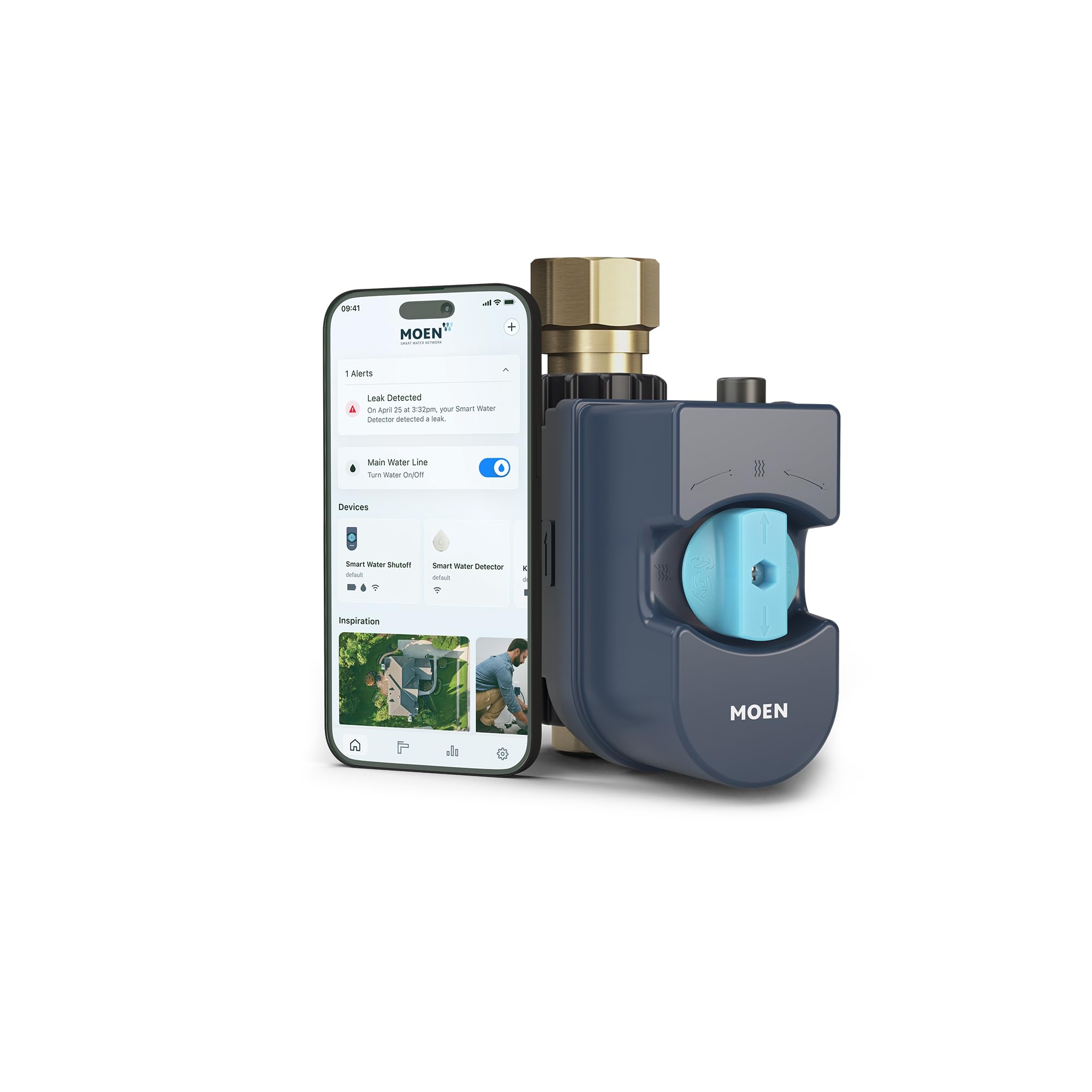
Moen Flo Smart Water Monitor and Automatic Shutoff Sensor, Wi-Fi Water Leak Detector for 3/4-Inch Diameter Pipe, 900-001 - Tub And Shower Faucets - Amazon.com
Moen Flo Smart Water Monitor and Automatic Shutoff Sensor, <strong>Wi-Fi Water Leak Detector for 3/4-Inch Diameter Pipe</strong>, 900-001 - Tub And Shower Faucets - Amazon.com
Check Price on Amazon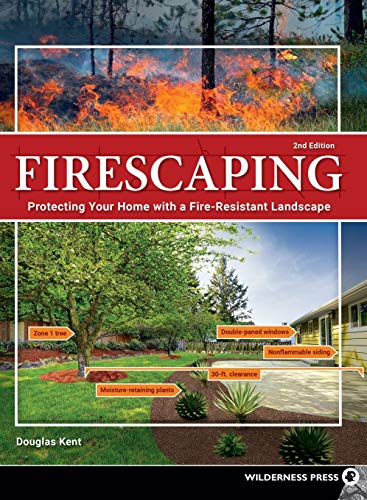
Firescaping: Protecting Your Home with a Fire-Resistant Landscape: Kent, Douglas
If so, Firescaping helps you create a safer environment. This unique form of landscaping design keeps your property healthy, clean, and clear. Land management expert Douglas Kent shares decades of exp
Check Price on Amazon- Wildfire: The big one. Homes near forested slopes, heavy fuels, and limited egress roads face higher premiums or tighter underwriting. Create defensible space (a buffer with reduced vegetation), harden roofs and vents, and keep gutters clear. Some carriers offer discounts or will only write homes that meet wildfire mitigation standards.
- Hail and Wind: Particularly east of the Divide, hail can shred roofs and siding. Impact-resistant shingles can earn a discount and reduce repeat claims.
- Heavy Snow, Ice Dams, and Freeze: Policies usually cover weight of ice/snow and freeze damage, but you must maintain heat and take reasonable steps to prevent damage. Proper attic insulation/ventilation and heated cables on chronic ice-dam roofs can help.
- Flooding and Runoff: Melting snow and spring runoff can flood basements and low-lying lots. Remember: flood is excluded from standard homeowners—consider separate flood coverage even away from FEMA high-risk zones.
- Earthquakes and Ground Movement: Lower frequency but not zero—especially around Yellowstone and the Intermountain West. Ask about earthquake endorsements if you’re concerned.
How to compare home insurance quotes in Montana
Here is what actually matters when choosing between quotes. Line up these items side-by-side so you aren’t fooled by a too-good-to-be-true price.
- Dwelling Coverage (the rebuild number): Make sure each quote’s Coverage A reflects your home’s true replacement cost, not market value. Ask the agent or insurer to share the replacement cost estimator inputs—square footage, quality grade, custom finishes, outbuildings, site accessibility.
- Extended Replacement Cost: Look for +25% to +50% (or more) on top of Coverage A. In catastrophe years, rebuild costs can spike.
- Roof Coverage Type: Replacement cost vs. actual cash value (ACV). ACV reduces payouts for older roofs due to depreciation—cheaper upfront, more out of pocket later. If you’re in hail country, RCV is worth pricing.
- Wind/Hail Deductible: Some areas use a separate percentage deductible (e.g., 1–2% of Coverage A) for wind/hail. Know which events use which deductible.
- Personal Property Coverage: 50–70% of Coverage A is common. Consider replacement cost coverage so you can buy new items, not depreciated value.
- Liability Limits: $300,000 is a baseline. Many Montana households bump to $500,000 or add an umbrella policy for $1–$2 million in total protection.
- Loss of Use: After a wildfire, rents spike. Make sure you have enough coverage to live elsewhere for months if needed.
- Key Endorsements: Ordinance or law (especially for older homes), water backup, service line, equipment breakdown, and short-term rental coverage if applicable.
- Wildfire Eligibility and Discounts: Ask directly whether the insurer applies parcel-level wildfire models, and what mitigation efforts improve insurability or price.
Two quick examples:
- Say you own a 1978, 1,900 sq. ft. home in Billings with a 12-year-old asphalt shingle roof and want $350,000 in dwelling coverage. Quotes might range from $1,800 to $3,400 per year depending on whether the roof is covered at replacement cost, whether there’s a separate wind/hail deductible, and your claims history.
- A 2,200 sq. ft. Craftsman in Missoula built in 2005 with $450,000 dwelling coverage and updated roof could fall in the $2,200–$4,000 range, depending on wildfire modeling, distance to a hydrant, and whether you add extended replacement cost.
Tip: The fastest way to see what you would actually pay is to compare quotes from 3–5 carriers on the same day, with the same coverage settings.
Discounts and bundling opportunities for Montana homeowners
Insurers rarely advertise every discount you qualify for. Ask about:

SimpliSafe 8 Piece Wireless Home Security System - Optional 24/7 Professional Monitoring - No Contract - Compatible with Alexa and Google Assistant , White : Electronics
View on Amazon- Multi-policy (home + auto, sometimes umbrella or recreational vehicles)
- Impact-resistant roofing
- Wildfire/FireWise mitigation and defensible space
- New roof or recent updates to plumbing/electrical/HVAC
- Monitored smoke, fire, and burglar alarms
- Gated or secured communities; wildfire-safe subdivisions
- Claims-free history
- Pay-in-full, automatic payments, and paperless billing
- New home or new buyer credits (varies by insurer)
If you bundle home and auto, you can typically save 10%–25% across policies, depending on the company and your profile. If you’re shopping auto too, see our guide to Auto Insurance in Montana to compare options and requirements: /auto-insurance/auto-insurance-in-montana-rates-requirements-save
Filing a home insurance claim in Montana
When something big happens, a calm process helps you get paid faster and fairly.
Ensure safety and prevent further damage: Shut off water, board up broken windows, or call the fire department. Keep receipts; these “reasonable repairs” are typically covered.
Document everything: Photos and video from multiple angles. Make a list of damaged items with approximate ages and values.
Notify your insurer promptly: Most policies require “prompt notice.” Theft or vandalism usually requires a police report.
Meet the adjuster prepared: Share your photos, contractor estimates, and an inventory list. Ask whether the policy pays actual cash value (ACV) first with depreciation “holdback,” then pays the difference up to replacement cost after you complete repairs. Many claims work this way.
Understand your deductibles: A higher deductible means you pay more out of pocket before insurance kicks in. Some policies have special wind/hail deductibles.
Keep communication in writing: Follow up phone calls with emails that summarize agreements and timelines.
Disputes happen—bring backup: Independent contractor estimates, building code citations, and a public adjuster or attorney in complex cases can help. Montana has consumer protections around claims handling—ask your insurer about timelines and appeal options.
Best home insurance companies in Montana: what to consider
No single company is best for everyone. Pricing and eligibility shift by neighborhood, roof age, wildfire modeling, and your insurance history. That said, you’ll typically see:
- Large national carriers with broad coverage options and bundling discounts
- Regional and farm/ranch-focused insurers with strong local knowledge
- Military-focused carriers (membership required) with excellent service and claims reputations
- High-value home insurers that specialize in custom rebuilds and higher liability limits
What to look for when picking a company:
- Financial strength and claims consistency in catastrophe years
- Willingness to write homes in your wildfire or hail zone—and what mitigation they require
- Clear coverage for roof replacement cost, extended replacement cost, ordinance or law, and water backup
- Quality of local agent support if you prefer in-person help
- Real price over 3–5 years, not just the first-year teaser rate
Popular options Montanans often compare include State Farm, Farmers, Allstate, Travelers, American Family, Liberty Mutual, USAA (for qualifying military families), regional Farm Bureau affiliates, and high-value insurers for custom or mountain homes. Always compare at least three.
FAQ: Montana homeowners insurance
Is wildfire damage covered? Yes, fire and smoke are typically covered perils on standard homeowners policies. Some homes in extreme-risk areas may face stricter underwriting, higher deductibles, or nonrenewal—ask early and document your mitigation steps.
Is smoke damage covered if the fire never reached my house? Usually yes, if the smoke damage is from a covered peril and occurred during a specific event. Insurers may ask for documentation and cleaning estimates.
Are ice dams covered? In most cases, yes—damage from weight of ice/snow or water intrusion caused by ice dams is typically covered, but you’re expected to maintain your home and take steps to prevent further damage.
Do I need flood insurance in Montana? If your home is in a high-risk FEMA zone and you have a mortgage, your lender will likely require flood insurance. Even off-floodplain, snowmelt and runoff can surprise homeowners; consider a quote.
What’s a wind/hail deductible? Some policies use a separate deductible (often a percentage of Coverage A, like 1%–2%) specifically for wind or hail claims. That can be several thousand dollars—know your number before a storm.
How much liability coverage should I carry? Many Montana households select $300,000–$500,000. If you have assets, rental units, acreage, or toys that increase risk, ask about a $1–$2 million umbrella policy.
I rent my place part-time to skiers—am I covered? Standard homeowners policies usually exclude business activities, including short-term rentals. You may need an endorsement, a landlord policy, or a dedicated short-term rental policy.
Why did my premium jump at renewal? Rising rebuild costs, wildfire/hail losses, and roof age are common reasons. Shop early, increase your deductible if you can afford the risk, and consider mitigation (impact-resistant roof, defensible space) to access better pricing.
Your next steps
- Get apples-to-apples quotes: Same dwelling limit, deductible, roof coverage (RCV vs ACV), and the same endorsements on each quote.
- Ask about wildfire and hail specifics: Separate deductibles? Parcel-level wildfire scoring? Required mitigation?
- Right-size your liability: At least $300,000, with $500,000 common. Consider an umbrella policy if you have assets or frequent guests.
- Add the gaps: Extended replacement cost, ordinance or law, water backup, and service line are often smart add-ons in Montana.
Want to see your real number? The fastest way to price home insurance in Montana is to compare quotes from 3–5 carriers. If you also own a car, bundle quotes can save more—see Auto Insurance in Montana for requirements and savings tips: /auto-insurance/auto-insurance-in-montana-rates-requirements-save
A quick note: This guide is general information. For personalized advice on coverage limits and endorsements, talk with a licensed Montana insurance agent who can review your home’s specifics and your budget.
Recommended Resources
Firescaping: Protecting Your Home with a Fire-Resistant Landscape: Kent, Douglas
If so, Firescaping helps you create a safer environment. This unique form of landscaping design keeps your property healthy, clean, and clear. Land management expert Douglas Kent shares decades of exp
Moen Flo Smart Water Monitor and Automatic Shutoff Sensor, Wi-Fi Water Leak Detector for 3/4-Inch Diameter Pipe, 900-001 - Tub And Shower Faucets - Amazon.com
Moen Flo Smart Water Monitor and Automatic Shutoff Sensor, <strong>Wi-Fi Water Leak Detector for 3/4-Inch Diameter Pipe</strong>, 900-001 - Tub And Shower Faucets - Amazon.com
SimpliSafe 8 Piece Wireless Home Security System - Optional 24/7 Professional Monitoring - No Contract - Compatible with Alexa and Google Assistant , White : Electronics
No wiring or drilling required. Or contact SimpliSafe directly if you need help installing your system. <strong>1 FREE month of professional monitoring for fast police response when you need it most</
Related Articles
- Home Insurance in Wyoming: Coverage, Costs & Best Companies
- Auto Insurance in Montana: Rates, Requirements & How to Save
- Home Insurance in Colorado: Coverage, Costs & Best Companies
- Home Insurance in Idaho: Coverage, Costs & Best Companies
- Renters Insurance in Montana: What It Covers, Costs, and Why It Matters
- Home Insurance in Minnesota: Coverage, Costs & Best Companies
- Home Insurance in Vermont: Coverage, Costs & Best Companies
- Home Insurance in Missouri: Coverage, Costs & Best Companies