
Home Insurance in South Carolina: Coverage, Costs & Best Companies
You’re shopping for home insurance in South Carolina and the numbers vary wildly—especially if you’re anywhere near the coast. What actually matters in a South Carolina policy, what’s a normal price, and how do you avoid gaps tied to hurricanes, wind and flooding?
Here’s the straight talk, plus how to compare quotes the smart way.
What does home insurance in South Carolina typically cover?
A standard homeowners policy (often called an HO-3) typically includes:
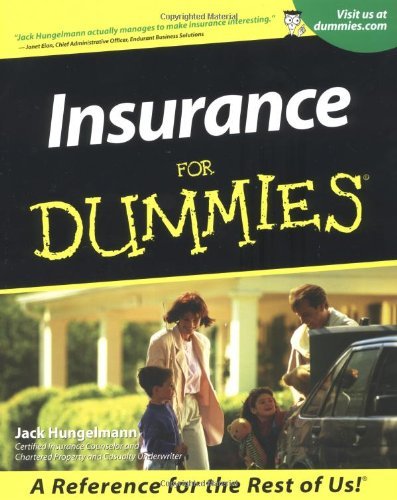
Insurance for Dummies: Hungelmann, Jack
<strong>Manage life, health, and disability risks</strong> ― explore individual and group policies, understand Medicare basics, and evaluate long-term disability and long-term-care insurance ...
Check Price on Amazon- Dwelling (Coverage A): Repairs or rebuilds your home if it’s damaged by a covered peril like fire, wind, or theft. This should be set to your home’s rebuild cost (what it would cost to reconstruct today), not the real estate price.
- Other Structures (Coverage B): Fences, sheds, detached garages—usually 10% of Coverage A by default.
- Personal Property (Coverage C): Your belongings. Policies frequently cover them at actual cash value (depreciated value) unless you upgrade to replacement cost (pays to buy new items at today’s prices). Replacement cost on contents typically adds a modest premium and is worth pricing out.
- Loss of Use (Coverage D): Pays for temporary living expenses (hotel, rent, meals) if your home is uninhabitable after a covered loss.
- Personal Liability (Coverage E): If you’re sued for injuries or damage you accidentally cause to others. Many South Carolina homeowners choose $300,000–$500,000, sometimes more. Consider a personal umbrella policy if you want $1 million+ in extra liability protection.
- Medical Payments (Coverage F): Small medical bills for guests injured on your property, typically $1,000–$5,000.
Common add-ons South Carolinians often need:
- Water backup: Covers damage if a sump pump fails or a drain/sewer backs up. Not included by default. Typical limits available: $5,000–$25,000.
- Ordinance or law: Pays for code-required upgrades during a covered rebuild (like elevating mechanicals). Many policies include 10% of Coverage A; consider 25%–50% if your home is older or coastal.
- Scheduled personal property: Extra protection for jewelry, fine art, or collectibles beyond standard sub-limits.
- Equipment breakdown or service line: Helps with costly failures (HVAC, appliances) and buried lines (water/sewer) that standard policies generally don’t cover.
- Earthquake endorsement: South Carolina has measurable seismic risk (especially near Charleston). Earthquake coverage is optional and carries a percentage deductible (often 5%–10% of Coverage A). Pricing varies by county.
Two big South Carolina watchouts:
- Wind/hail and hurricane deductibles: Many policies have a separate, higher deductible for wind/hail or named storms/hurricanes—often 1%–5% of Coverage A. A 2% hurricane deductible on a $400,000 home means you’d pay the first $8,000 on a hurricane claim.
- Flood is not covered by homeowners insurance: For storm surge, tidal flooding, and heavy rain that inundates the ground, you need separate flood insurance, either through the National Flood Insurance Program (NFIP) or a private flood insurer.
Average cost of home insurance in South Carolina
Rates vary widely based on your location (coastal vs. inland), your home’s age and roof type, construction, claims history, deductible choices, and credit-based insurance score (allowed in South Carolina). With that in mind, here are ballpark ranges we typically see for owner-occupied single-family homes with a standard HO-3 policy and a $1,000–$2,500 all-peril deductible:
- Inland/upstate (Greenville, Spartanburg, Anderson): For $300,000 in dwelling coverage, many quotes fall around $1,100–$1,700 per year.
- Midlands (Columbia, Lexington, Sumter): For $300,000 in dwelling coverage, about $1,200–$1,900 per year.
- Coastal/Lowcountry (Charleston, Mount Pleasant, Beaufort, Hilton Head, Myrtle Beach): For $300,000–$500,000 in dwelling coverage, it’s common to see $2,500–$6,000+ per year, especially east of Highway 17 or within a few miles of the ocean. Some carriers exclude wind or require a separate wind policy.
Examples to illustrate how location and home value affect cost (estimates only—your price will vary):
- Greenville (inland): 1998 1-story ranch, 1,800 sq. ft., $250,000 Coverage A, composite roof, $2,500 deductible. Many carriers quote roughly $900–$1,300/yr.
- Columbia (midlands): 2005 2-story, 2,200 sq. ft., $350,000 Coverage A, $2,500 deductible, replacement cost on contents. Often $1,300–$2,000/yr.
- Mount Pleasant (coastal): 2015 elevated home, 2,400 sq. ft., $500,000 Coverage A, 2% hurricane deductible, impact-rated windows. Frequently $3,200–$5,500/yr. Flood policy typically required by lenders—often an additional $600–$3,000+ depending on elevation and flood zone.
- Hilton Head barrier island: 1990s home, $750,000 Coverage A. Many private carriers may exclude wind; homeowners may combine a standard home policy (without wind) with a separate wind policy through the South Carolina Wind and Hail Underwriting Association (SCWHUA). Combined home + wind + flood can exceed $8,000–$12,000/yr in some cases.
These are not quotes or guarantees—just directional ranges based on recent market conditions. The fastest way to see what you would actually pay is to compare quotes from 3–5 carriers on the same day.
South Carolina-specific risks and how to insure them
Hurricanes, tropical storms, and wind/hail
- Hurricane or named-storm deductible: Triggers when the National Weather Service names a storm or when wind speeds reach a threshold set in your policy. It’s percentage-based (1%–5% of Coverage A). Read your policy’s trigger language closely.
- Wind/hail deductible: Some policies use a separate wind/hail deductible for any wind-related loss, not just named storms. Coastal policies often have higher wind/hail deductibles than inland.
- Wind exclusions: In certain coastal zones, some insurers exclude wind coverage entirely on the homeowners policy. If that’s the case, you may need separate wind coverage via a specialty market or the SCWHUA “Wind Pool.” Always ask whether the quote includes wind coverage and what the wind/hurricane deductible is.
- Roof coverage details: Some policies only pay actual cash value (depreciated value) for older roofs. Ask if your roof is covered for replacement cost and whether there’s a “roof surfacing schedule” that reduces payouts for older shingles.
Mitigation that can lower your premium:
- FORTIFIED Roof or FORTIFIED Home certification (an engineering-based standard from IBHS) can earn credits with many carriers.
- Hip roof shape, roof deck nailing/adhesive, secondary water barriers, impact-rated windows/doors, and opening protection (shutters) commonly help.
- Newer roofs (or documented roof upgrades) are usually rated more favorably than older roofs.
Flooding and storm surge
Homeowners insurance does not cover flood. If you’re in a Special Flood Hazard Area (like AE or VE zones), your lender will typically require flood insurance. Even outside high-risk zones, about 20% of NFIP claims come from moderate- to low-risk areas, so it’s worth pricing. Private flood can sometimes offer higher limits and additional coverages beyond NFIP’s standard $250,000 building/$100,000 contents limits.
Typical (non-binding) flood premium ranges we see:
- Inland outside high-risk zones: Often a few hundred dollars per year.
- Coastal AE or VE zones: Can be $1,000–$4,000+ depending on elevation, foundation type, and distance to water.
Ask for both NFIP and private flood quotes if available.
Earthquake
South Carolina sits on the Charleston seismic zone. Earthquake is excluded in most standard policies but can be added via endorsement. Deductibles are usually a percentage (5%–10% of the dwelling limit). Pricing is often modest inland and higher along the coast or in older masonry homes. If your home has a crawlspace or brick veneer, discuss how that affects rates and deductibles.
Hail and severe thunderstorms
Hail and straight-line winds can cause roof and siding damage, particularly in the spring and summer. Review your wind/hail deductible and roof coverage terms, especially if your roof is older than 15 years.
How to compare home insurance quotes in South Carolina (and spot the best companies for you)
A “best company” in South Carolina is the one that actually covers your coastal or inland risks, treats roofs fairly, and stands firm financially when big storms hit. Here’s what to look for when you shop:
What to look for
- Financial strength: Check independent ratings (for example, A.M. Best) and ask your agent about an insurer’s hurricane exposure and reinsurance program.
- Wind coverage: Confirm whether wind/hail is included. If wind is excluded, price a companion policy (SCWHUA or private wind market) and add both premiums when comparing.
- Hurricane/wind deductibles: Compare the percentage and the trigger (named storm vs. hurricane vs. all wind). A 5% deductible can be painful on a higher-value home.
- Roof settlement terms: Replacement cost vs. actual cash value, and whether there’s a roof age schedule. Ask how a 20-year-old shingle roof would be covered.
- Replacement cost on contents: See what it costs to upgrade from actual cash value to replacement cost for your belongings.
- Ordinance or law limit: Especially important for older homes or those in flood-prone areas with stricter codes. Consider 25%–50% of Coverage A.
- Loss of use: Ensure limits reflect realistic temporary housing costs in your area—coastal rents can spike after a storm.
- Claims service: Ask about local catastrophe response, average claim resolution timelines, and whether they offer virtual vs. in-person adjusting after events.
- Discounts: Verify applied credits for alarms, new roof, FORTIFIED, and multi-policy bundling (more below).
A practical quote-comparison process
- Gather the basics: Roof age and material, square footage, year built, updates to plumbing/electrical/HVAC, and any protective devices (monitored alarm, water shutoff valve).
- Pick consistent limits: Dwelling coverage should reflect rebuild cost. Many carriers provide an estimate—ask to review the calculator inputs (quality grade, features, porches/decks, garage) so each quote uses similar assumptions.
- Match deductibles: Use the same all-peril and wind/hurricane deductibles across quotes when possible (e.g., $2,500 all-peril and 2% hurricane).
- Decide on key endorsements: Replacement cost on contents, water backup, ordinance or law, and any special needs (home business equipment, short-term rental, golf cart liability). Price them the same way on every quote.
- Ask for a flood quote at the same time: Compare NFIP vs. private flood if available.
- Review the policy forms: HO-3 vs. HO-5 (HO-5 is typically broader), any wind exclusions, and special limitations (e.g., cosmetic roof exclusions).
- Check service and stability: Look at financial ratings and ask about the insurer’s catastrophe claims process.
Consumer tip: The fastest way to zero in on your true price is to compare 3–5 apples-to-apples quotes the same week. Markets move, and coastal appetites change—fresh quotes win.
Call to action: Want a clear, side-by-side comparison tailored to your address? Request personalized quotes and see which carrier fits your home and budget best.
Discounts and bundling opportunities for South Carolina homeowners
Most carriers in South Carolina offer a similar menu of discounts. Availability and amounts vary by insurer and by your home’s details:
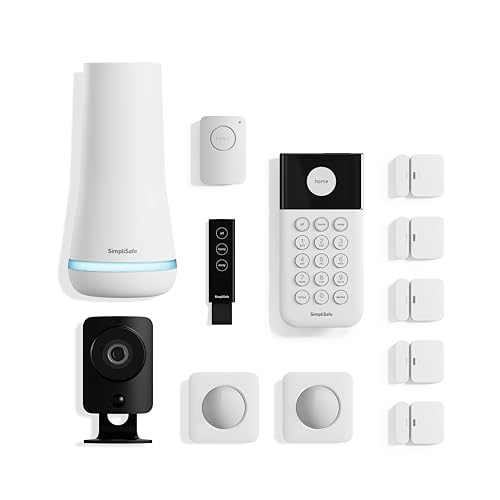
SimpliSafe 12 Piece Wireless Home Security System w/HD Camera - Optional 24/7 Professional Monitoring - No Contract - Compatible with Alexa and Google Assistant, White : Electronics
View on Amazon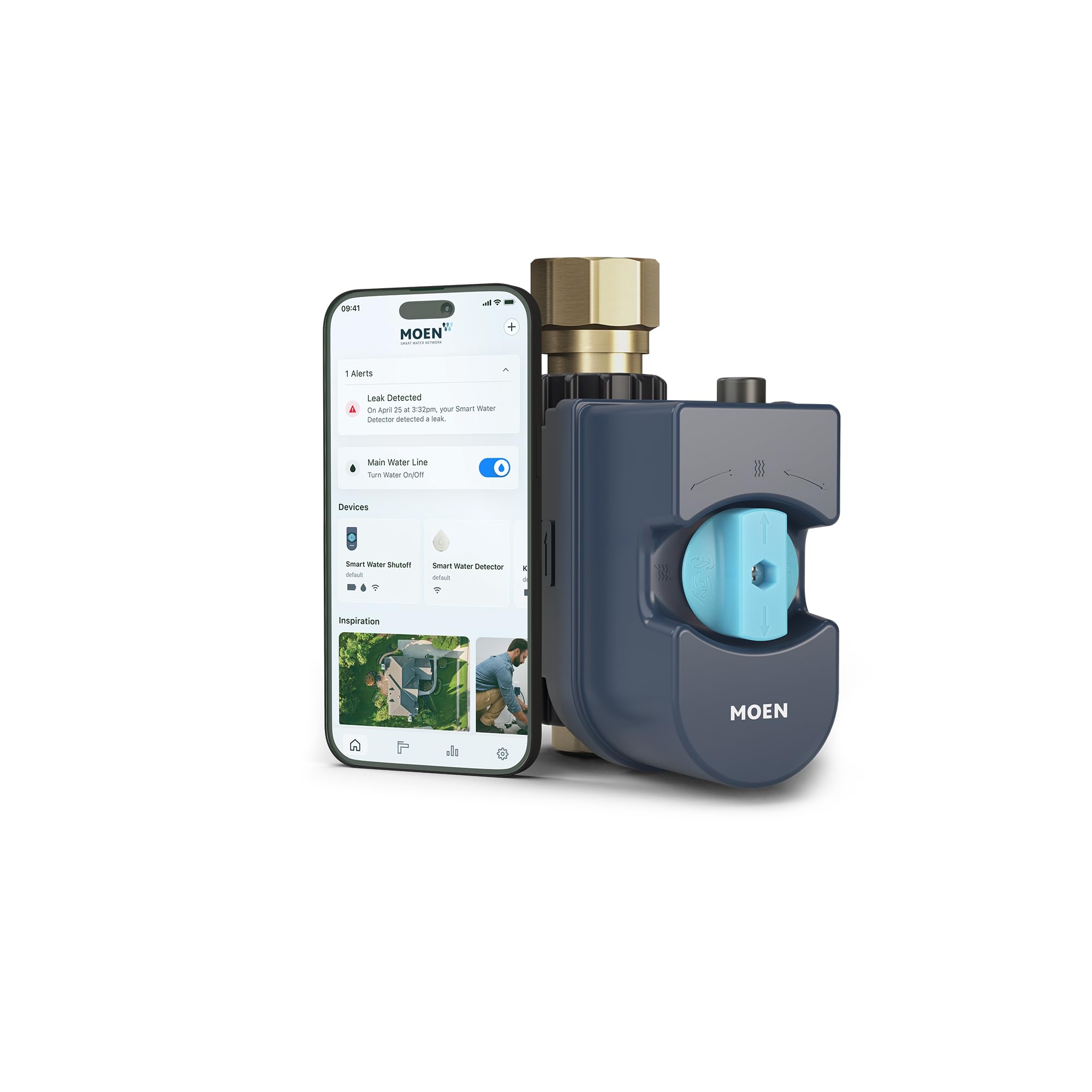
Moen Flo Smart Water Monitor and Automatic Shutoff Sensor, Wi-Fi Water Leak Detector for 3/4-Inch Diameter Pipe, 900-001 - Tub And Shower Faucets - Amazon.com
Moen Flo Smart Water Monitor and Automatic Shutoff Sensor, <strong>Wi-Fi Water Leak Detector for 3/4-Inch Diameter Pipe</strong>, 900-001 - Tub And Shower Faucets - Amazon.com
Check Price on Amazon- Multi-policy (home + auto): Commonly 5%–25% off combined. If you drive in-state, bundling can be meaningful. See our guide to Auto Insurance in South Carolina: Rates, Requirements & How to Save.
- New roof or roof certification: Documentation helps. A FORTIFIED Roof can earn significant credits with some carriers.
- Protective devices: Monitored burglar/fire alarms, water leak detection, smart shutoff valves.
- Construction year and updates: Newer homes or those with updated systems (electric, plumbing, HVAC) may rate better.
- Claim-free: A clean history is usually rewarded; frequent small claims can raise your rate.
- Higher deductible: Increasing your all-peril deductible (e.g., from $1,000 to $2,500) can reduce premiums. Balance savings against your emergency fund.
- Paperless billing, paid-in-full, and auto-pay: Often small but easy wins.
If you live near the coast, ask about wind mitigation inspections and which documentation your carrier accepts (roof deck attachment, secondary water barrier, opening protection). These details can unlock savings you won’t see otherwise.
Filing a home insurance claim in South Carolina
When a storm hits, a calm, documented process helps your claim go smoother:
- Prioritize safety and prevent further damage: Shut off water if needed, board windows, tarp the roof. Keep receipts—these are typically reimbursable under the policy’s “reasonable repairs” provision.
- Document everything: Take photos and videos of damage before cleanup. Create a room-by-room list of damaged items with approximate ages and values.
- Check your deductibles: Know whether the all-peril or the wind/hurricane deductible applies, and the dollar amount (percentage deductibles are based on your Coverage A limit at the time of loss).
- File promptly: Report the claim as soon as practical. After catastrophes, insurers often triage based on severity; early reporting helps you get in the queue.
- Meet the adjuster prepared: Provide photos, receipts, and any contractor estimates. Ask the adjuster to walk you through how the deductible and any depreciation apply.
- Keep damaged items if safe: Don’t dispose of major damaged property until the adjuster has seen it or given the OK.
- Track additional living expenses: Save all receipts for hotels, meals, pet boarding, and temporary rentals if your home is uninhabitable.
- Use licensed, insured contractors: Be cautious with door-to-door solicitations after storms. Read any assignment of benefits or direction-to-pay forms carefully; when in doubt, consult your insurer or a licensed agent.
If you hit roadblocks, the South Carolina Department of Insurance can explain your rights and options for complaints or assistance.
South Carolina homeowners insurance FAQ
Do I need flood insurance in South Carolina? If your home is in a FEMA high-risk flood zone and you have a mortgage, your lender will typically require flood insurance. Even outside high-risk zones, heavy rain and drainage issues can cause costly damage that homeowners insurance won’t cover. It’s worth pricing NFIP and private flood options.
What is a hurricane or named-storm deductible? It’s a separate, often higher deductible that applies only when a storm meets a trigger (such as being officially named). It’s usually a percentage of your Coverage A (1%–5% is common). Review the trigger language in your policy.
Will my policy cover wind damage if I live near the coast? Sometimes. In designated coastal areas, some insurers exclude wind on the main policy. You may need a separate wind policy through the SC Wind and Hail Underwriting Association or a specialty market. Always ask if wind is included in your quote.
How much liability coverage should I carry? Many homeowners choose $300,000–$500,000, but the right amount depends on your net worth and risk profile (pool, trampoline, dogs, short-term rentals). An umbrella policy can add $1 million+ of extra liability coverage at a relatively low cost.
Are short-term rentals (like Airbnb) covered? Standard homeowners policies often limit or exclude short-term rental activity. If you rent your home or a room, ask about a home-sharing endorsement or a landlord policy designed for short-term rentals.
Does homeowners insurance cover golf carts? Liability for a golf cart accident off your property is often not covered under a standard home policy. Many South Carolina communities rely on golf carts—ask your agent about a separate golf cart or specialty vehicle policy and how your liability would respond.
Can I get earthquake insurance in South Carolina? Yes, typically by endorsement with a percentage deductible. Costs vary by county and home type. Ask how masonry, crawlspaces, and age affect pricing.
A note on getting help from a licensed agent
Policies differ by insurer and by county. A South Carolina-licensed agent can help you right-size your dwelling limit, choose deductibles you can handle, and plug common gaps (wind, flood, water backup, ordinance or law) before a storm tests your coverage.
If you’re moving across state lines—say, to or from North Carolina—market rules and risks shift. Our state guide to Home Insurance in North Carolina: Coverage, Costs & Best Companies can help you compare.
Your next step
The clearest way to see your real price is to compare quotes from 3–5 carriers the same week, with matching deductibles and coverages. Ask specifically about wind/hail deductibles, roof settlement terms, and whether wind is included. Then layer in flood and any needed endorsements.
Ready to see options tailored to your address? Request personalized quotes—no pushy upsells, just side-by-side comparisons so you can pick the policy that fits your home and budget.
Recommended Resources
Insurance for Dummies: Hungelmann, Jack
<strong>Manage life, health, and disability risks</strong> ― explore individual and group policies, understand Medicare basics, and evaluate long-term disability and long-term-care insurance ...
Moen Flo Smart Water Monitor and Automatic Shutoff Sensor, Wi-Fi Water Leak Detector for 3/4-Inch Diameter Pipe, 900-001 - Tub And Shower Faucets - Amazon.com
Moen Flo Smart Water Monitor and Automatic Shutoff Sensor, <strong>Wi-Fi Water Leak Detector for 3/4-Inch Diameter Pipe</strong>, 900-001 - Tub And Shower Faucets - Amazon.com
SimpliSafe 12 Piece Wireless Home Security System w/HD Camera - Optional 24/7 Professional Monitoring - No Contract - Compatible with Alexa and Google Assistant, White : Electronics
Amazon.com: SimpliSafe 12 Piece Wireless Home Security System w/HD Camera - <strong>Optional 24/7 Professional Monitoring - No Contract - Compatible with Alexa and Google Assistant</strong>, White : E
Related Articles
- Auto Insurance in South Carolina: Rates, Requirements & How to Save
- Home Insurance in South Dakota: Coverage, Costs & Best Companies
- Home Insurance in North Carolina: Coverage, Costs & Best Companies
- Home Insurance in Georgia: Coverage, Costs & Best Companies
- Health Insurance in South Carolina: Plans, Costs & How to Enroll
- Home Insurance in Florida: Coverage, Costs & Best Companies
- Home Insurance in Colorado: Coverage, Costs & Best Companies
- Home Insurance in Wyoming: Coverage, Costs & Best Companies