
Home Insurance in Minnesota: Coverage, Costs & Best Companies
You’re pricing home insurance in Minnesota and the quotes feel all over the place. Is that normal? Short answer: yes. Home insurance in Minnesota is shaped by winter storms, hail, and where you live—from the Twin Cities to the Red River Valley. Here’s what actually matters when choosing a policy, what coverage Minnesotans typically need, and how to compare quotes the smart way.
Home insurance in Minnesota: requirements and typical coverage
First, a quick reality check: Minnesota doesn’t legally require homeowners insurance. But if you have a mortgage, your lender will require it to protect their investment. Even if you own your place outright, going without coverage means you’re self-insuring major risks (fire, wind, liability) that can cost hundreds of thousands of dollars.
A standard HO-3 policy in Minnesota usually includes:
- Dwelling coverage (Coverage A): rebuild cost for your home’s structure. This is based on replacement cost, not market value. Your coverage limit should reflect what it would cost to rebuild your home with local labor and materials today.
- Other structures (Coverage B): sheds, fences, detached garages—typically 10% of Coverage A.
- Personal property (Coverage C): your stuff—furniture, clothes, electronics. You can choose actual cash value (depreciated) or replacement cost coverage (new-for-old). Replacement cost usually costs a bit more but pays better in most claims.
- Loss of use (Coverage D): pays for temporary living expenses if a covered loss makes your home uninhabitable.
- Personal liability (Coverage E): if someone is injured or you accidentally damage property, on or off your premises. Many Minnesota homeowners choose $300,000–$500,000 limits; consider higher if you have assets to protect.
- Medical payments to others (Coverage F): small medical bills for guests hurt on your property, usually $1,000–$5,000.
- Deductible: the amount you pay out of pocket per claim before insurance pays. In Minnesota, many policies use a separate wind/hail deductible (often a percentage of your Coverage A limit, like 1% or 2%). A $400,000 home with a 2% wind/hail deductible means you’d pay $8,000 on a hail claim before coverage kicks in. Verify whether your policy has a separate wind/hail deductible and what it is.
Common Minnesota add-ons (endorsements) worth considering:
- Water backup and sump overflow: covers damage from a backed-up drain or sump pump failure (not the same as flooding from outside). Typical limits range from $5,000 to $25,000; choose a limit that matches your basement finish.
- Service line coverage: pays to repair underground lines (water, sewer, power) you own between the street and your home.
- Ordinance or law: pays the extra cost to meet current building codes when you rebuild—crucial for older Minnesota homes. Many choose 25%–50% of Coverage A.
- Roof coverage type: some insurers offer roof surface payment schedules or actual cash value (depreciated) coverage for older roofs. Ask for replacement cost on the roof if available, especially after you install new impact-resistant shingles.
- Matching siding/roofing: some carriers offer endorsements that help address color/finish mismatches after partial repairs. Coverage varies; ask how your policy handles “matching.”
- Scheduled valuables: higher limits for jewelry, firearms, musical instruments beyond standard sublimits.
If you want a refresher on how the parts of a policy fit together, see our explainer: What Does Home Insurance Cover?
Average home insurance costs in Minnesota by home value and location
Every home is different, so take the numbers below as directional, not promises. Rates vary by insurer, roof age, claims history, credit-based insurance score (Minnesota allows it, subject to rules), and your exact location and construction features.
What we typically see for a well-maintained, primary residence with replacement cost coverage:
- $250,000 dwelling limit: about $1,600–$2,400 per year in many suburbs; $2,000–$3,000+ in areas with higher wind/hail losses.
- $350,000 dwelling limit: about $2,000–$3,200 per year; higher where hail activity and roof costs run steep.
- $500,000 dwelling limit: about $2,800–$4,500 per year, depending on roof age, finishes, and distance to fire protection.
Illustrative Minnesota scenarios (estimates only, your rates will differ):
- Minneapolis/St. Paul, 1950s home, $350,000 rebuild cost, 15-year-old asphalt roof: $2,200–$3,300/yr. A separate 1%–2% wind/hail deductible is common.
- Rochester, 2005 home, $400,000 rebuild cost, newer roof with Class 4 impact-resistant shingles: $2,200–$3,000/yr. Impact-resistant roofs can qualify for a discount.
- Duluth, 1930s home, $300,000 rebuild cost, near hydrant, older wiring updated: $1,900–$2,800/yr. Heavy snow and freeze exposure; ask about ice dam handling.
- Moorhead/Red River Valley, 1990s home, $350,000 rebuild cost, finished basement with sump: $2,400–$3,700/yr. Consider stronger water backup limits due to regional groundwater and heavy rain.
- Lake cabin in Crow Wing County, seasonal use, $300,000 replacement cost: $1,600–$3,000/yr depending on occupancy, distance to fire response, and whether it’s rented short-term.
Two factors that swing Minnesota rates more than people expect:
- Roof age and materials: a 20-year-old 3-tab asphalt roof can push premiums up or force an actual cash value roof endorsement. New Class 4 impact-resistant shingles can reduce hail damage risk and often earn discounts.
- Deductible selection: a 2% wind/hail deductible can lower your premium versus a $1,000 all-peril deductible but increases your out-of-pocket on storm claims.
If you want a national-level primer on coverage types and how to size them, our Home Insurance Guide 2026 — Compare Quotes, Coverage & Costs breaks it down in plain English.
Minnesota-specific risks: natural disasters, weather, and regional factors
Here’s what tends to drive claims in Minnesota and how to insure around them:
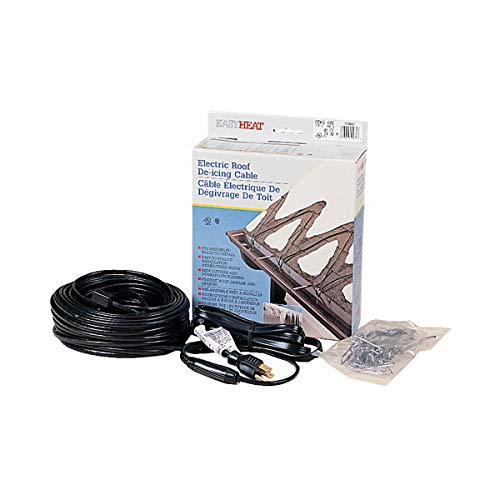
EasyHeat ADKS-400 Fixed-Resistance Electric Roof De-Icing Cable, 120 VAC: Amazon.com
View on Amazon- Hail and wind: Minnesota sits in a hail-prone corridor. Roof and siding claims are common after spring and summer storms. Ask how your carrier handles roof depreciation, matching, and whether your policy has cosmetic damage exclusions for metal roofs or siding.
- Severe thunderstorms, straight-line winds, and occasional tornadoes: verify your wind/hail deductible. If a higher percentage deductible makes you uneasy, price out options for a lower flat deductible and weigh cost vs. risk.
- Winter freeze and ice dams: ice dams happen when rooftop snow melts and refreezes at the eaves, pushing water under shingles. Resulting interior water damage is often covered, but removing the ice dam or improving insulation typically is not. Some policies include limited ice dam removal—ask what’s covered and what isn’t. Keep heat on, insulate attics, and use heat cables where appropriate.
- Frozen pipes: generally covered if you maintained heat and took reasonable steps to prevent freezing. If you shut off heat and left for Florida without winterizing, expect problems with coverage.
- Flooding and groundwater: overland flooding isn’t covered by homeowners insurance. Consider a separate flood policy through the National Flood Insurance Program (NFIP) or private flood insurance, especially near rivers, lakes, or in basements prone to seepage. Water backup and sump overflow endorsements address different, internal water issues—important for finished basements.
- Lightning and power surges: covered under most policies for damage to electronics and appliances. You can add equipment breakdown coverage to extend protection to HVAC and major systems for some “wear-adjacent” failures.
- Wildfire: lower statewide risk than western states, but forested northern regions can see occasional events. Clear defensible space where applicable and verify coverage for outbuildings.
- Docks and lifts: many Minnesota lake homes have docks. Ice, freezing, and thaw damage to docks is often excluded; windstorm damage may be limited. Ask how your policy treats docks and seasonal structures.
- Short-term rentals: cabins listed on platforms like Airbnb/VRBO often require an endorsement or a different policy form. Be upfront about any rentals to avoid denied claims.
How to compare home insurance quotes in Minnesota
You’ll get the clearest picture when you set the same coverage structure across quotes. Here’s a simple process that works in Minnesota’s market:
- Set a realistic rebuild cost.
- Use each carrier’s replacement cost estimator and sanity-check it against local building costs. Don’t anchor to your purchase price; downtown Minneapolis and rural Carlton County rebuilds are very different.
- Match key coverage decisions.
- Liability: aim for $300,000–$500,000; consider $1M if you have significant assets (often via an umbrella policy).
- Deductibles: pick the same all-peril deductible across quotes and verify whether wind/hail is percentage or flat. Price both 1% and 2% wind/hail options to see the tradeoff.
- Personal property: choose replacement cost coverage if you want new-for-old payouts on belongings.
- Water backup: pick a limit that reflects your basement finish—$10,000, $15,000, or $25,000.
- Ordinance or law: older homes often benefit from 25%–50%—match this across quotes.
- Ask Minnesota-specific questions.
- How do you handle roof claims and depreciation? Any cosmetic damage exclusions?
- Do you offer discounts for Class 4 impact-resistant shingles?
- What’s covered for ice dams and frozen pipes? Any freeze exclusions for vacant/seasonal homes?
- Are docks and lifts covered for wind or only for specific perils?
- How do you handle matching siding/roof materials after a partial repair?
- Evaluate service, not just price.
- Look at claim satisfaction trends in your region and ask local contractors which carriers are responsive after hail events. You don’t want to learn this after a derecho rolls through.
- Get 3–5 quotes, minimum.
- The fastest way to see what you would actually pay is to compare quotes from 3–5 carriers side by side. Markets change quickly; a company that was expensive last spring may be competitive after updating its hail models.
Pro tip for lake homes and cabins: some carriers underwrite seasonal or secondary homes differently (distance to fire station, wood stoves, occupancy). Provide accurate details up front to avoid surprises at binding.
Discounts and bundling opportunities for Minnesota homeowners
Every carrier prices discounts differently, but here are savings worth asking about in Minnesota:
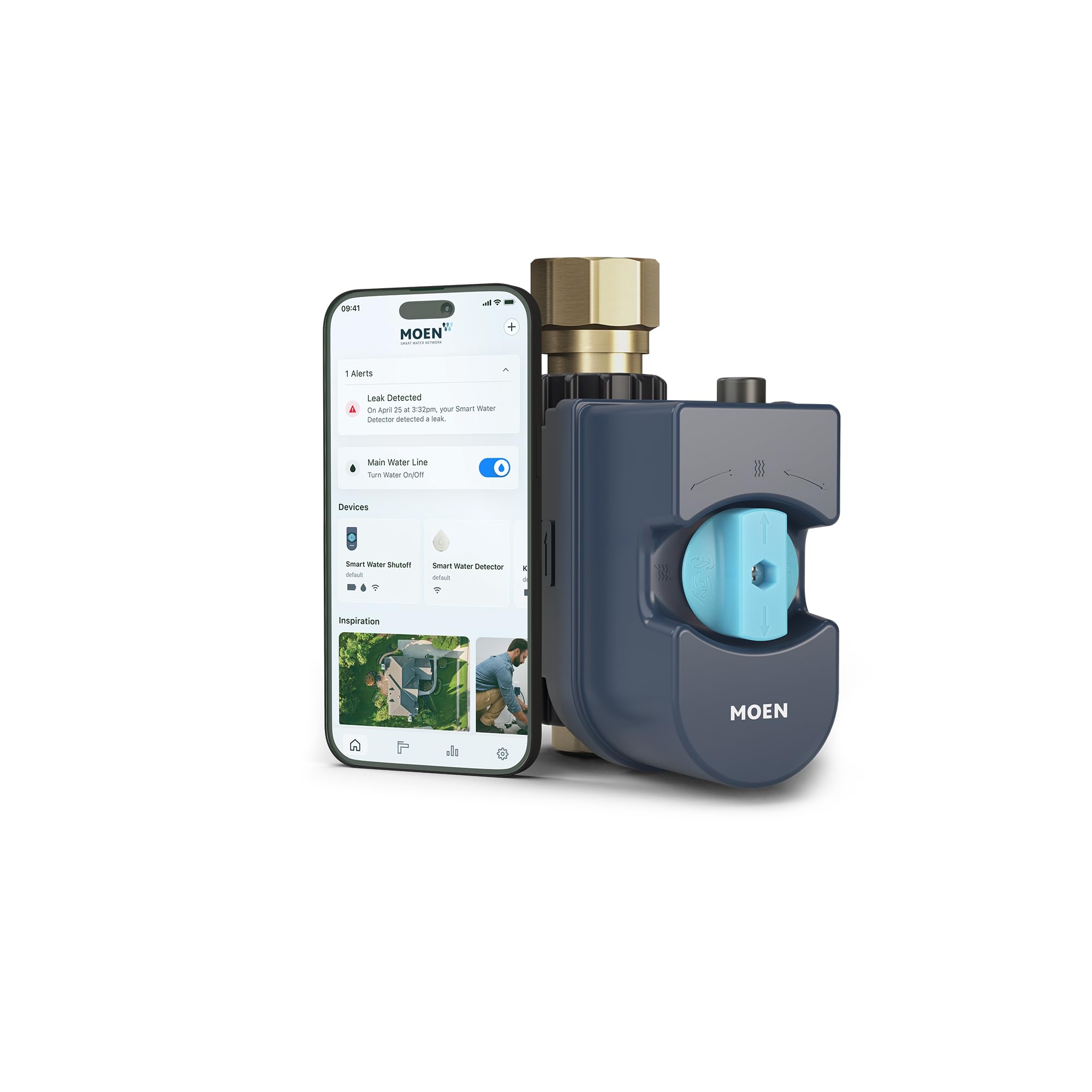
Moen Flo Smart Water Monitor and Automatic Shutoff Sensor, Wi-Fi Water Leak Detector for 3/4-Inch Diameter Pipe, 900-001 - Tub And Shower Faucets - Amazon.com
View on Amazon- Bundle with auto: often 10%–25% in combined savings, depending on the carrier and claim history. If you want to shop your auto at the same time, our Minnesota guide can help: Auto Insurance in Minnesota: Rates, Requirements & How to Save
- Impact-resistant roof (Class 3 or 4): typically earns a discount and can reduce hail damage headaches.
- New roof or roof age credit: many carriers price roofs aggressively; a documented replacement date helps.
- Protective devices: centrally monitored smoke/CO alarms, security systems, water leak sensors/shutoff valves.
- Claim-free: rates typically improve after 3–5 years without claims.
- Pay-in-full, e-billing, and autopay: small but easy wins.
- Newer home or major updates: electrical, plumbing, heating—provide permits or receipts if you have them.
- Mature homeowner and loyalty credits: vary by carrier.
Important: sometimes the cheapest policy uses a higher wind/hail deductible or actual cash value on the roof. Make sure you understand the tradeoff. A $200 annual savings is thin comfort if a hailstorm leaves you with a $10,000 deductible and depreciated roof payout.
Filing a home insurance claim in Minnesota
Storm just hit? Here’s a calm, step-by-step path Minnesotans can follow:
The Disaster Recovery Handbook & Household Inventory Guide
Amazon.com: The Disaster Recovery Handbook & Household Inventory Guide: 9780978504304: Bach, Amy, Custodio, Carol Ingalls: Books
Check Price on Amazon- Safety first and stop further damage.
- Shut off water if needed, board up broken windows, tarp the roof if safe. Keep receipts—reasonable emergency expenses are typically reimbursable.
- Document everything.
- Take photos and videos of all damage before cleanup. For ice dams, photograph interior staining and the exterior ice buildup.
- Notify your insurer promptly.
- Many policies require prompt notice. Ask about your specific time limits and the process for additional damage discovered later (common with roofs and siding).
- Be selective with contractors.
- After hail, “storm chasers” canvas neighborhoods. You generally have the right to choose your contractor. Avoid signing any assignment of benefits or open-ended “authorization to proceed” before your carrier inspects and you understand the scope.
- Understand how you’ll be paid.
- With replacement cost coverage, you often receive an initial actual cash value (ACV) payment minus depreciation, then recoverable depreciation after repairs are completed and documented. Ask how supplements for hidden damage are handled.
- Keep a claim diary.
- Dates, names, and summaries of conversations help if questions come up later.
If you’re not sure whether to file, ask your agent how a claim could affect your premium. Small claims can sometimes cost more in future surcharges than they pay out—especially if you carry a high wind/hail deductible.
Minnesota home insurance companies: how to spot the best fit
The “best” company depends on your home and zip code. Here’s how to vet carriers that tend to do well in Minnesota:
- Strong roof coverage: competitive deductibles, replacement cost on newer roofs, and clear rules on matching materials.
- Hail-savvy underwriting: meaningful discounts for Class 4 shingles and a track record of fair claims handling after big storms.
- Options for basements: higher water backup limits and sump overflow coverage.
- Seasonal/lake home expertise: flexible occupancy rules, realistic dock/boat house treatment, and guidance on short-term rental endorsements if you host.
- Responsive local support: established presence in Minnesota and solid contractor networks when claims surge.
Ask a licensed agent to show you options from both national brands and regional mutuals. In many Minnesota towns, regional carriers price older homes or hail exposure competitively—but it varies by year.
Ready to see your real price?
After you’ve set the coverage you want, the fastest way to see what you would actually pay is to compare quotes from 3–5 carriers. It takes the same 10–15 minutes to feed your home details into multiple systems when you shop through an independent agent or a reputable online marketplace.
If you prefer to self-educate first, keep this open for reference: Home Insurance Guide 2026 — Compare Quotes, Coverage & Costs.
FAQ: common questions about Minnesota homeowners insurance
Is homeowners insurance required in Minnesota? Not by state law. But lenders require it if you have a mortgage, and most homeowners choose coverage to protect their finances.
Are ice dams covered? Typically, resulting interior water damage is covered, but removing the ice dam itself and preventing future dams (insulation, ventilation) usually aren’t. Some policies include limited ice dam removal—ask for specifics.
Does home insurance cover hail damage to my roof? In most cases, yes, for sudden and accidental damage. Payouts depend on your roof coverage (replacement cost vs. ACV) and your wind/hail deductible. Older roofs may be depreciated.
Are frozen pipes covered? Usually, if you maintained heat and took reasonable steps to prevent freezing. If a property is vacant or unheated, coverage can be limited or excluded.
Is flooding covered? No. Overland flooding requires a separate flood policy (NFIP or private). Water backup from sewers/sumps requires a specific endorsement.
I have a dock and lift—are they covered? Often with limits and exclusions, and ice damage is commonly excluded. Ask your agent to review how your policy treats docks and what perils are covered.
Can I rent my cabin on Airbnb? You usually need an endorsement or a different policy type. Don’t rely on a standard homeowners policy without confirming short-term rental coverage.
What about boats? Small boats may have limited coverage for damage and liability. Larger or faster boats often need a separate boat policy. Liability for watercraft can be limited—verify before summer.
What liability limit should I buy? Many Minnesota homeowners choose $300,000–$500,000. If your assets are higher, consider an umbrella policy for $1M+ of extra liability protection. Rates vary.
Will my credit affect my rate? Many Minnesota insurers use credit-based insurance scores (as allowed by state rules). Good credit typically helps your rate; it’s one reason quotes vary by company.
A quick word on advice and next steps
Insurance isn’t one-size-fits-all. A licensed Minnesota agent can help you set accurate rebuild costs, choose the right wind/hail deductible, and spot weak spots like low water backup limits or ACV roof endorsements you didn’t intend to buy.
Smart next step: compare quotes from 3–5 carriers using identical coverage settings. It’s the cleanest way to find the best value without creating gaps you’ll regret later.
Recommended Resources
The Disaster Recovery Handbook & Household Inventory Guide
Amazon.com: The Disaster Recovery Handbook & Household Inventory Guide: 9780978504304: Bach, Amy, Custodio, Carol Ingalls: Books
Moen Flo Smart Water Monitor and Automatic Shutoff Sensor, Wi-Fi Water Leak Detector for 3/4-Inch Diameter Pipe, 900-001 - Tub And Shower Faucets - Amazon.com
Moen Flo Smart Water Monitor and Automatic Shutoff Sensor, <strong>Wi-Fi Water Leak Detector for 3/4-Inch Diameter Pipe</strong>, 900-001 - Tub And Shower Faucets - Amazon.com
EasyHeat ADKS-400 Fixed-Resistance Electric Roof De-Icing Cable, 120 VAC: Amazon.com
EasyHeat ADKS-400 Fixed-Resistance Electric Roof De-Icing Cable, 120 VAC: Amazon.com: Tools & Home Improvement
Related Articles
- Auto Insurance in Minnesota: Rates, Requirements & How to Save
- Home Insurance in Montana: Coverage, Costs & Best Companies
- Home Insurance in South Dakota: Coverage, Costs & Best Companies
- Home Insurance in Colorado: Coverage, Costs & Best Companies
- Home Insurance in North Dakota: Coverage, Costs & Best Companies
- Home Insurance in Indiana: Coverage, Costs & Best Companies
- Home Insurance in Illinois: Coverage, Costs & Best Companies
- Home Insurance in Mississippi: Coverage, Costs & Best Companies