
Home Insurance in Georgia: Coverage, Costs & Best Companies
You’re pricing home insurance in Georgia and the quotes feel all over the place. Is that normal? Short answer: yes. Georgia is a big, weather‑diverse state, and home insurance rates hinge on where you live, your roof, and how your policy handles wind and water. Here’s what actually matters so you can compare confidently and avoid paying for coverage you don’t need.
Note: Actual premiums vary by home features, claims history, and insurer underwriting. Treat the ranges below as directional, then verify with quotes.
Georgia homeowners insurance requirements and typical coverage
- Is home insurance required in Georgia? The state doesn’t require it by law, but your mortgage lender will. If you own your home free and clear, it’s still a smart safety net.
- Policy types you’ll see:
- HO‑3 (the most common policy for owner‑occupied single‑family homes). It covers your home for “open perils” (most causes of loss except those excluded) and your belongings for “named perils” (specific causes listed in the policy).
- HO‑5 (broader version of HO‑3) with more inclusive coverage for belongings and fewer exclusions—typically pricier.
- HO‑6 (condo), DP‑3 (landlord), and mobile/manufactured home policies if that fits your property.
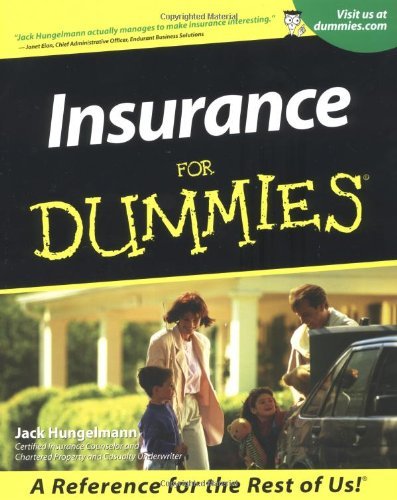
Insurance for Dummies: Hungelmann, Jack
<strong>Manage life, health, and disability risks</strong> ― explore individual and group policies, understand Medicare basics, and evaluate long-term disability and long-term-care insurance ...
Check Price on AmazonTypical policy parts and how they work:
- Dwelling (Coverage A): Rebuild cost for your home—not market value. Many Georgia homes are insured with extended replacement cost (commonly +25% or +50%), which adds a cushion if rebuild costs spike after storms.
- Other Structures (Coverage B): Usually 10% of Coverage A for fences, sheds, detached garages.
- Personal Property (Coverage C): Typically 50%–70% of Coverage A for your belongings. Consider replacement cost for contents so you’re not paid “actual cash value” (depreciated value) on electronics and furniture.
- Loss of Use (Coverage D): Pays for temporary living expenses if a covered claim makes your home uninhabitable—often 20%–30% of Coverage A.
- Personal Liability (Coverage E): Protects you if you’re legally responsible for injuries or property damage to others. Most Georgia homeowners choose $300,000–$500,000. If you have higher assets or a pool, consider $500,000 and possibly an umbrella policy.
- Medical Payments (Coverage F): Limited medical expenses for guests, usually $1,000–$5,000.
Deductibles and special wind/hail terms on the coast:
- Standard deductible: A flat amount (often $1,000–$2,500). Higher deductibles lower your premium.
- Named storm or wind/hail deductible: In coastal Georgia counties, some policies have a separate percentage deductible (1%–5% of Coverage A) that applies to named-storm or wind/hail damage. Ask your agent exactly when that special deductible triggers.
Common exclusions to plan around:
- Flood (rising water from outside) is excluded. Consider the National Flood Insurance Program (NFIP) or private flood insurance—even outside high‑risk zones, heavy rain and drainage issues can flood homes.
- Earth movement (including sinkholes), wear and tear, pests (like termites), and mold are typically excluded or tightly limited.
- Water backup (sewer/sump) is optional—an inexpensive add‑on many Georgia homeowners choose.
- Ordinance or Law covers extra costs to bring older homes up to current building code after a loss—valuable for homes in historic districts or with older systems.
If you’re new to homeowners coverage or want a quick refresher on what each part covers, see What Does Home Insurance Cover? (/home-insurance/what-does-home-insurance-cover)
Can’t find coverage? Georgia’s FAIR Plan (Georgia Underwriting Association, via licensed agents) may be an option of last resort if multiple carriers decline you—often due to coastal wind exposure or older roofs.
Average home insurance costs in Georgia by home value and location
Rates vary widely by county, distance from the coast, roof age/material, claims history, and credit-based insurance scores (used by many carriers in Georgia). Treat these as ballpark ranges for an owner‑occupied, single‑family home with good maintenance and no recent claims.
Typical annual premiums you might see for a $300,000–$350,000 dwelling limit, $1,000–$2,500 deductible, replacement cost on home and contents:
- Metro Atlanta suburbs (e.g., Cobb, Gwinnett, Fayette): roughly $1,200–$1,900
- In‑town Atlanta (older roofs/higher rebuild costs): roughly $1,500–$2,300
- Augusta, Macon, Columbus: roughly $1,300–$2,100
- Athens, Gainesville, Rome: roughly $1,200–$2,000
- Savannah/Chatham and other coastal or near‑coastal areas: roughly $2,000–$4,000+ (often with a separate named‑storm or wind/hail deductible)
- South Georgia (Valdosta, Albany) and central tornado‑prone corridors: roughly $1,400–$2,300 depending on roof age and storm history
How price scales by home value (statewide feel, not city‑specific):
- ~$200,000 dwelling: often $900–$1,600
- ~$300,000 dwelling: often $1,200–$2,200
- ~$500,000 dwelling: often $1,800–$3,600+
- $750,000+ dwelling or custom homes: highly variable; roof, construction type, and claims history matter a lot
Example to ground this:
- Say you own a 1,900‑sq‑ft, 1998‑built home in Peachtree City with a 2017 architectural‑shingle roof, $350,000 dwelling limit, $2,000 deductible, no recent claims. Many homeowners in a scenario like this might see quotes in the $1,300–$1,900 range, depending on the insurer and your insurance score. Move that same home to near‑coastal Richmond Hill, and quotes could jump to $2,200–$3,400 with a separate named‑storm deductible.
The fastest way to see what you would actually pay is to compare quotes from 3–5 carriers side‑by‑side, same coverage limits and deductibles.
Georgia-specific risks: natural disasters, weather, and regional factors
- Hurricanes and coastal wind: While Georgia’s coastline is shorter than Florida’s, coastal and near‑coastal counties still see tropical storms and named‑storm wind. Expect percentage deductibles or stricter roof underwriting nearer the coast.
- Severe thunderstorms, hail, and tornadoes: Central and north Georgia experience spring and summer convective storms. Hail and straight‑line wind are frequent culprits behind roof claims.
- Flooding: Heavy rain, storm surge (coast), and riverine flooding affect parts of the state. Standard home insurance excludes flood; consider NFIP or private flood, even if you’re outside a mandatory zone.
- Winter freeze/burst pipes: Cold snaps happen. Carriers often want proof you maintained heat or shut off/insulated pipes if you’re away.
- Wildfire and drought: Risk is lower than in the West, but pockets of North Georgia forests can see elevated risk in dry seasons.
- Building codes and availability of labor: After regional storms, rebuild costs can spike. Extended replacement cost and inflation guard can help keep coverage aligned with actual rebuild costs.
Coverage details that especially matter in Georgia:
- Roof settlement: Are roofs paid at replacement cost or actual cash value (depreciated)? Older roofs (10–15+ years) may default to ACV on some policies—ask your agent to check.
- Named‑storm vs. wind/hail deductible: Know when each applies. A lower base deductible with a 2% named‑storm deductible could mean a large out‑of‑pocket bill after a hurricane.
- Water backup: Thunderstorms and aging infrastructure make this a high‑value add‑on for many homeowners.
How to compare home insurance quotes in Georgia
The goal is apples‑to‑apples. Line up the same limits, deductibles, and endorsements, then focus on how each insurer treats wind, water, and roofs.
Step‑by‑step:
- Nail down an accurate rebuild cost. Provide square footage, construction type, roof type/age, and upgrades. Ask about extended replacement cost (+25%/+50%).
- Choose your deductibles. Consider a higher all‑perils deductible ($1,500–$2,500) to lower premiums—but be realistic about what you can pay out of pocket. Verify any separate wind/hail or named‑storm percentage.
- Decide on key endorsements: replacement cost on contents, water backup limits, ordinance or law, service line, equipment breakdown, and increased jewelry limits.
- Check roof settlement terms. Replacement cost on the roof is usually worth it, especially with hail exposure. If ACV is the only option on an older roof, factor that into your decision.
- Ask about claim handling. Look for strong claims satisfaction scores, local adjuster availability after storms, and 24/7 reporting.
- Review financial strength. Aim for carriers rated A‑ or better by independent rating agencies.
- Verify underwriting appetite. Some insurers are friendlier to older roofs, coastal ZIPs, or short‑term rentals; others are not.
What to look for when comparing “best companies” in Georgia:
- Stable coastal appetite with clear named‑storm deductible language
- Replacement cost on roof and contents (or a clear path to upgrade)
- Reasonable water backup and ordinance or law limits
- Strong claim service after severe weather and catastrophe surge
- Competitive bundle discounts and transparent home‑surveillance/smart‑device credits
Helpful resource if you’re mapping coverage choices: Home Insurance Guide 2026 — Compare Quotes, Coverage & Costs (/home-insurance/home-insurance-guide-2026)
CTA: Ready to see real numbers? The smartest next step is to compare quotes from 3–5 Georgia‑friendly carriers using the same Coverage A, deductibles, and endorsements. A licensed agent can help you match coverage to your home and spot gaps.
Discounts and bundling opportunities for Georgia homeowners
You can often trim 10%–25% off by stacking multiple credits. Not every insurer offers every discount, but these are common in Georgia:
- Bundle home + auto: Usually the biggest savings lever. If you’re reviewing auto anyway, get bundled quotes. For car coverage specifics in the state, see Auto Insurance in Georgia: Rates, Requirements & How to Save (/auto-insurance/auto-insurance-in-georgia-rates-requirements-save)
- Newer or upgraded roof: Architectural shingles, metal, or impact‑resistant shingles can help. Provide the installation year and documentation.
- Protective devices: Monitored alarms, smart leak sensors/shutoff valves, smoke detectors, wind‑rated shutters or impact glass (especially near the coast).
- Claims‑free: Staying claim‑free for 3–5 years usually earns a discount. Small out‑of‑pocket repairs can sometimes preserve bigger long‑term savings.
- New home or recent renovations: New electrical, plumbing, HVAC, or re‑pipes often price better due to lower risk.
- Gated community/HOA, retiree/senior, loyalty, paperless, pay‑in‑full: Modest but stackable.
- Credit‑based pricing: Many Georgia insurers use insurance scores. Paying bills on time and reducing revolving debt can improve pricing over time.
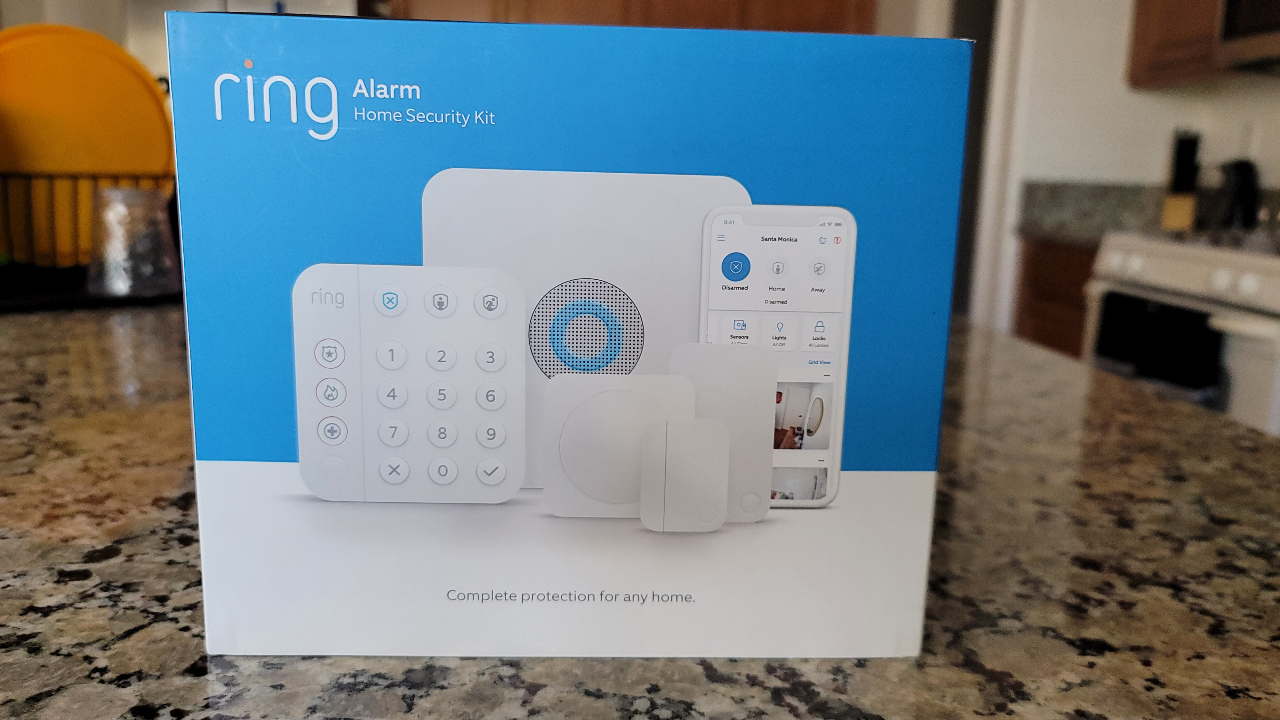
Ring Alarm 8-piece kit (2nd Gen) – home security system
View on Amazon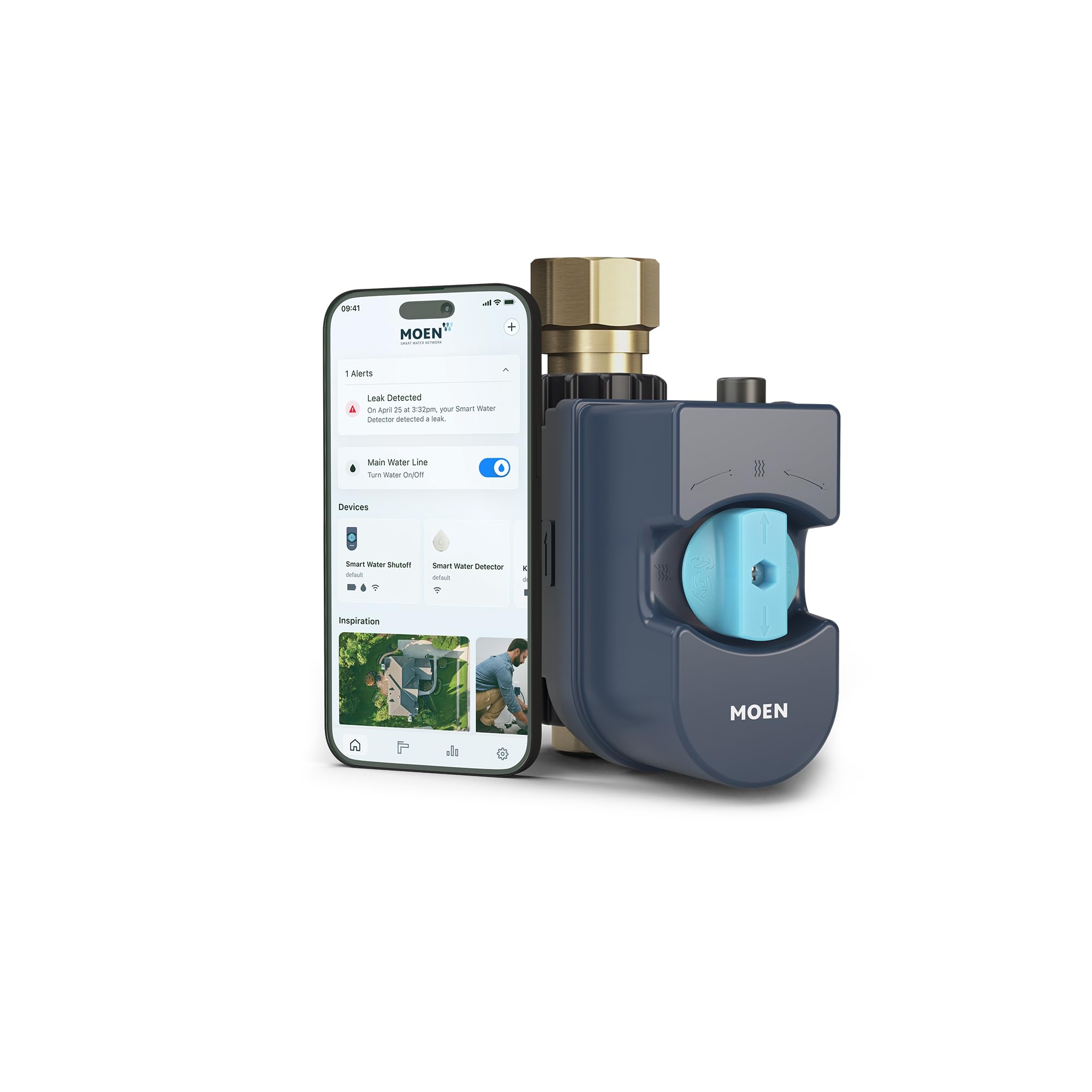
Moen Flo Smart Water Monitor and Automatic Shutoff Sensor, Wi-Fi Water Leak Detector for 3/4-Inch Diameter Pipe, 900-001 - Tub And Shower Faucets - Amazon.com
Moen Flo Smart Water Monitor and Automatic Shutoff Sensor, <strong>Wi-Fi Water Leak Detector for 3/4-Inch Diameter Pipe</strong>, 900-001 - Tub And Shower Faucets - Amazon.com
Check Price on AmazonPro tip: If you add smart home water sensors or a monitored alarm, send proof to your insurer—some require documentation to apply or keep the discount.
Filing a home insurance claim in Georgia
When something goes wrong, solid documentation and quick mitigation get you paid faster.
- Protect people and prevent more damage. Shut off water, board up broken windows, and keep receipts—these costs are typically reimbursable when tied to a covered loss.
- Document everything. Take wide shots and close‑ups, note dates and times, and list damaged items with approximate prices and ages.
- File the claim promptly. Most policies require “prompt notice.” Use the carrier app or hotline; get a claim number.
- Meet the adjuster prepared. Share photos, contractor estimates, and your inventory. Ask whether your roof or contents are settled at replacement cost or actual cash value and how to recover depreciation.
- Understand payment stages. Many claims pay in parts—an initial ACV payment, then “recoverable depreciation” after you complete repairs and submit invoices.
- Choose your contractor. You’re not required to use the insurer’s preferred vendor network. Vet licenses and reviews, and avoid signing over benefits unless you fully understand the paperwork.
- Track deadlines. Carriers have timelines to acknowledge and process claims, but keep nudging politely if things stall. If you disagree with a decision, ask about reinspection or appraisal provisions in your policy.
If you hit a wall, a licensed public adjuster or attorney can explain options. You can also contact the Georgia Office of Insurance and Safety Fire Commissioner to understand your rights under state claims‑handling laws.
FAQ: common questions about Georgia homeowners insurance
- Is homeowners insurance required in Georgia? Not by state law, but lenders require it for mortgages. It’s still wise even if you’re mortgage‑free.
- Does home insurance cover hurricanes in Georgia? Wind damage from named storms is typically covered, but many coastal policies have a separate percentage deductible for named storms or wind/hail. Flood (storm surge or rising water) is not covered—buy flood insurance separately.
- Do I need flood insurance if I’m not on the coast? Many Georgia flood claims occur outside high‑risk zones. If heavy rainfall or nearby creeks could threaten your property, consider NFIP or private flood coverage.
- How does roof age affect my premium? Older roofs generally raise rates and may be paid at actual cash value. Newer or impact‑resistant roofs can earn discounts and better settlement terms.
- What deductible should I choose? Pick the highest amount you can comfortably pay out of pocket—often $1,000–$2,500 for all‑perils. In coastal areas, confirm your separate named‑storm or wind/hail percentage and model a real‑world out‑of‑pocket amount.
- Are termites or mold covered? Termite damage is generally excluded as maintenance. Mold coverage is limited unless you buy extra; prevention and quick dry‑out after leaks matter.
- What liability limit do most Georgians carry? Many choose $300,000–$500,000. If you have a pool, trampoline, or higher assets, consider $500,000 and possibly an umbrella policy.
- What if I’m declined because of location or roof age? An independent agent can shop regionally focused carriers. If you still can’t find a policy, ask about Georgia’s FAIR Plan (GUA) through a licensed agent.
- Which companies are “best” in Georgia? It depends on your roof, location, and desired endorsements. Look for A‑ or better financial strength, clear wind/hail terms, strong claims reviews, and competitive bundle discounts.
A quick word on advice: Home insurance can be nuanced. A licensed Georgia agent can review your home’s specifics—roof, wiring, plumbing, local fire protection—and tailor endorsements so you’re not over‑ or under‑insured.
CTA: Spend 10 minutes comparing quotes from 3–5 carriers on the same coverage and deductibles. That’s the fastest way to pinpoint your true price and see who treats wind and water coverage the most fairly for your area.
Recommended Resources
Insurance for Dummies: Hungelmann, Jack
<strong>Manage life, health, and disability risks</strong> ― explore individual and group policies, understand Medicare basics, and evaluate long-term disability and long-term-care insurance ...
Moen Flo Smart Water Monitor and Automatic Shutoff Sensor, Wi-Fi Water Leak Detector for 3/4-Inch Diameter Pipe, 900-001 - Tub And Shower Faucets - Amazon.com
Moen Flo Smart Water Monitor and Automatic Shutoff Sensor, <strong>Wi-Fi Water Leak Detector for 3/4-Inch Diameter Pipe</strong>, 900-001 - Tub And Shower Faucets - Amazon.com
Ring Alarm 8-piece kit (2nd Gen) – home security system
<strong>24/7 Professional Monitoring</strong> If a break-in or emergency is detected, we’ll request emergency response.² <strong>24/7 Professional Monitoring</strong> · If a break-in or emergency is d
Related Articles
- Auto Insurance in Georgia: Rates, Requirements & How to Save
- Cheapest Car Insurance in Georgia: Compare Low Rates & Get Quotes
- Home Insurance in Ohio: Coverage, Costs & Best Companies
- Home Insurance in Alabama: Coverage, Costs & Best Companies
- Life Insurance in Georgia: What Residents Should Know Before Buying
- Home Insurance in South Carolina: Coverage, Costs & Best Companies
- Home Insurance in Tennessee: Coverage, Costs & Best Companies
- Home Insurance in Florida: Coverage, Costs & Best Companies