
Health Insurance in New York: Plans, Costs & How to Enroll
You’re shopping for health insurance in New York and want straight answers: What plans can you get, what do they typically cost, and how do you actually enroll without overpaying or getting stuck with the wrong network? Here’s what actually matters when choosing health insurance in New York, plus clear steps to compare options and get covered.
Health insurance options in New York
New Yorkers can get coverage in several ways. The right path depends on your income, household size, employer benefits, and how much flexibility you need with doctors and hospitals.
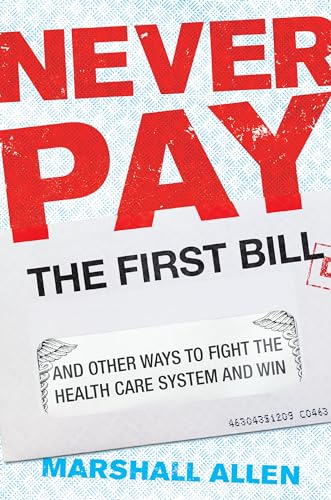
Never Pay the First Bill: And Other Ways to Fight the Health Care System and Win: Allen, Marshall
Drawing on 15 years of investigating the health care industry, reporter Marshall Allen <strong>shows how companies and individuals have managed to force medical providers to play fair, and shows how y
Check Price on Amazon- NY State of Health marketplace (the state’s official exchange): This is where you can compare private plans and see if you qualify for financial help. Many people also qualify here for New York’s Essential Plan (a low-cost "Basic Health Program") or Medicaid.
- Medicaid: Free or very low-cost coverage for people with lower incomes. Eligibility is based on income, household size, and certain categories (children, pregnant people, people with disabilities, older adults).
- Child Health Plus (New York’s CHIP): Low-cost coverage for children under 19, with premiums based on household income. Many families pay little to no premium.
- Employer-sponsored insurance (ESI): If your job offers a plan that meets minimum standards, it’s usually the most affordable option. You can still shop on the marketplace, but you typically won’t qualify for subsidies if your employer plan is considered affordable and adequate.
- Private plans off-exchange: Some insurers sell plans directly. These do not include subsidies (premium tax credits) but may have slightly different networks or plan designs.
Common plan types you’ll see:
- HMO (Health Maintenance Organization): Lower premiums, requires using in-network providers and often a primary care physician (PCP) for referrals.
- EPO (Exclusive Provider Organization): Similar to HMO but usually no referrals required; out-of-network care is typically not covered except emergencies.
- PPO (Preferred Provider Organization): More flexibility with out-of-network care, typically higher premiums. Less common in marketplace plans in New York.
Key cost terms to know (and watch):
- Premium: What you pay each month for the plan.
- Deductible: The amount you pay out of pocket for covered care before the plan starts paying for most services.
- Copay: A fixed dollar amount you pay for a service (for example, a $30 primary care visit).
- Coinsurance: Your share of costs after the deductible, shown as a percentage (for example, 20% of the allowed amount).
- Out-of-pocket maximum: The most you’ll pay in a year for covered, in-network care. After you hit it, the plan pays 100% for covered services the rest of the year.
Average health insurance premiums in New York by plan type and age
Unsubsidized premiums (before any financial assistance) in New York vary by county, plan metal level, and insurer. Age also affects price—older adults typically pay more, with ACA rules capping the increase to about three times the rate of a 21-year-old.
Typical monthly premium ranges for a single adult in New York (unsubsidized):
- Bronze (lower premiums, higher deductibles):
- Age 21: about $300–$420
- Age 40: about $400–$550
- Age 60: about $700–$1,200
- Silver (moderate premiums and cost-sharing; required for cost-sharing reductions):
- Age 21: about $350–$500
- Age 40: about $500–$700
- Age 60: about $900–$1,400
- Gold/Platinum (higher premiums, lower deductibles and copays):
- Age 21: about $450–$650
- Age 40: about $650–$900
- Age 60: about $1,100–$1,700
What you actually pay can be much lower after subsidies, the Essential Plan, or Medicaid. Location matters—a 40-year-old in Albany may see different rates than a 40-year-old in Brooklyn for similar metal tiers, because networks and competition differ by region.
Real-world example (illustrative only; rates vary):
- Say you’re 35, single, living in Queens, making $36,000/year. You may qualify for the Essential Plan with a $0 premium and very low copays, depending on the year’s income limits.
- If you’re 40 in Buffalo, earning $55,000/year, you might see a Silver plan list price around $550–$700/month, but a premium tax credit could reduce that significantly if you’re eligible.
New York Medicaid eligibility and enrollment
Medicaid provides comprehensive coverage at no or very low cost for people with lower incomes. New York has expanded Medicaid, so many adults qualify based on income alone.
- Income thresholds: For many adults, eligibility is based on the federal poverty level (FPL). As a rough guide, adults up to about 138% of FPL may qualify for Medicaid. Children and pregnant people have higher thresholds. Exact limits update annually.
- Coverage: Doctor visits, hospital care, prescriptions, behavioral health, lab work, maternity care, and more. Many enrollees select a managed care plan from a list of participating insurers.
- Year-round enrollment: You can apply any time of year. Coverage can often begin retroactively to cover recent medical bills if you qualify.
How to check if you qualify
- Use NY State of Health to apply—your application will screen you for Medicaid, Child Health Plus, the Essential Plan, and marketplace plans with subsidies.
- If your income is just above Medicaid limits, you may qualify for the Essential Plan (see below), which keeps premiums extremely low.
New York’s Essential Plan (why it matters)
New York’s Essential Plan is a standout benefit that many states don’t have. It’s a Basic Health Program for adults with incomes above Medicaid limits but still modest. The key advantages are typically a $0 premium and very low out-of-pocket costs, with robust coverage including doctor visits, prescriptions, and hospital services. Many New Yorkers who think they “make too much for Medicaid” still qualify for the Essential Plan. Eligibility is based on household income and legal residency status requirements; income thresholds are set relative to the FPL and may be updated by the state—check NY State of Health for the latest limits.
Practical example: A single adult in the Bronx earning in the mid-$30,000s may qualify for the Essential Plan at $0 monthly premium with low copays for primary care, specialists, and generic drugs. If your income rises mid-year, you can report the change; you may transition to a marketplace plan with subsidies, often without a coverage gap.
New York health insurance marketplace: open enrollment and special periods
New York runs its own exchange—NY State of Health—where you compare plans and enroll.
- Open Enrollment Period (OEP): Typically runs from November into January. Exact dates can change year to year, so check NY State of Health for the current window. If you want coverage starting January 1, enroll by the December deadline.
- Special Enrollment Periods (SEPs): You may qualify to enroll mid-year if you have a qualifying life event (QLE). Common QLEs include losing other coverage, moving to New York, getting married, having a baby, or a significant change in household income that affects your subsidy.
- Year-round enrollment for certain programs: Medicaid, Child Health Plus, and the Essential Plan generally have year-round enrollment.
Tip: If you’re losing Medicaid or the Essential Plan due to a change in income, that loss qualifies you for a 60-day SEP to choose a marketplace plan with subsidies.
How to compare and choose the best health plan in New York
Here’s a clear, step-by-step way to shop like a pro.
BookFactory Medication Log Book/Daily Medicine, Pills ...
View on Amazon- Start with your must-have doctors and prescriptions
- Network check: Search the insurer’s provider directory to confirm your primary care doctor and any specialists are in-network. In New York, EPO and HMO networks are common; out-of-network coverage is typically very limited.
- Drug formulary: Confirm your medications are covered, and note the tier (for example, Tier 1 generic vs. Tier 3 brand) which affects your copays.
- Pick the right metal level for your health and budget
- Bronze: Lower premiums but higher deductibles and out-of-pocket costs. Works for generally healthy people who can handle larger bills if something happens.
- Silver: The “middle” option—and the only tier that qualifies for cost-sharing reductions (CSRs) if your income is eligible. If you get CSRs, Silver can feel like a Gold plan at a lower price.
- Gold/Platinum: Higher premiums, lower deductibles and copays. Good if you expect frequent care, ongoing prescriptions, or want predictable costs.
- Compare total annual cost, not just the premium
- Add up the premium, expected copays, and likely use of care. If you have a planned surgery or costly medication, a higher-premium plan with a low deductible can be cheaper overall.
- Weigh plan type and access
- HMO vs. EPO vs. PPO: EPOs are common in NY marketplace plans—they don’t require referrals but usually don’t cover out-of-network care. If you split time between upstate and NYC, or see specialists in different systems, make sure the network works for your lifestyle.
- Look closely at out-of-pocket maximums
- The out-of-pocket maximum (the cap on your yearly spending for covered, in-network care) varies by plan and is subject to federally set limits that update each year. If you’re risk-averse, prioritize a lower cap.
- Check extras that matter to you
- Mental health: All marketplace plans cover behavioral health, but networks differ by insurer.
- Prenatal and maternity care: Covered as essential health benefits; compare hospital networks and delivery costs.
- Telehealth: Many NY plans include strong virtual care options—handy in winter or for quick consults.
- Dental/vision: Adult dental and vision are often separate add-ons.
- Use real examples to pressure-test your choice
- Example A: You’re a 28-year-old freelancer in Brooklyn with no chronic conditions. A Bronze EPO with a low premium plus an HSA-eligible option could make sense—just be comfortable with a higher deductible.
- Example B: You’re 45 in Rochester with recurring specialist visits and a brand-name medication. A Silver plan with CSR eligibility (if your income qualifies) or a Gold plan could reduce your total out-of-pocket costs.
- Example C: You’re 60 in Westchester planning a knee replacement. A Gold or Platinum plan with a low out-of-pocket maximum may save you money despite the higher premium.
- Double-check the fine print
- Preauthorization rules, referral policies, and whether your preferred hospitals are considered in-network can make or break your experience.
Short on time? The fastest way to see what you would actually pay is to compare quotes from 3–5 carriers side by side. Plans can look similar until you put your doctors, drugs, and expected care into the mix.
New York-specific subsidies and financial assistance
New Yorkers can benefit from several layers of financial help, depending on income and household size.
- Premium Tax Credits (APTC): A federal subsidy that lowers your monthly premium for marketplace plans if your income is within the eligible range. The credit is based on a benchmark Silver plan in your county and your household income.
- Cost-Sharing Reductions (CSRs): Extra help that lowers deductibles, copays, and out-of-pocket maximums for people who qualify by income—but only if you enroll in a Silver plan.
- Essential Plan: New York’s Basic Health Program for adults with modest incomes above Medicaid. Often a $0 monthly premium with very low copays. If you’re choosing between a subsidized marketplace Silver plan and the Essential Plan, compare provider networks and total costs—many find the Essential Plan hard to beat.
- Medicaid: No or very low cost if you meet income and category requirements.
- Child Health Plus: Sliding-scale premiums for children, often very low.
Note: Eligibility thresholds and benefit details are updated regularly. Always check current limits on NY State of Health or speak with a licensed agent to confirm what you qualify for this year.
New York health insurance marketplace: how to enroll
What you’ll need
- Social Security numbers (or document numbers for eligible non-citizens)
- Dates of birth for all household members
- Employer and income information (pay stubs or last year’s tax return)
- Policy numbers for any current health plans
- A list of your doctors and prescriptions for network and formulary checks

Samsill Duo 2-in-1 Document and File Organizer, 1 Inch 3 Ring Binder + 7 Pocket Accordion/Expanding File, Coral
View on AmazonSteps
- Create an account on NY State of Health and complete the household application. The system will determine whether you’re eligible for Medicaid, the Essential Plan, Child Health Plus, or marketplace subsidies.
- Compare plan options filtered by your doctors, prescriptions, and estimated costs. Pay attention to the metal level, network type (HMO/EPO/PPO), and out-of-pocket maximum.
- Select a plan and submit your enrollment. To start coverage by January 1, enroll by the December deadline posted each year.
- Pay your first premium (if applicable) to the insurer by the due date to activate your coverage.
What to look for when choosing health insurance in New York
- Your providers in-network: Confirm your primary care doctor, specialists, and preferred hospital system are in-network.
- Drug coverage (formulary): Check tiers and any prior authorization or step therapy rules for your medications.
- Total annual cost: Weigh premiums, deductibles, copays, coinsurance, and out-of-pocket maximum.
- Referral rules: Some HMOs require referrals; many EPOs do not. Make sure the rules match how you use care.
- Customer support and digital tools: New York insurers vary in app quality, telehealth offerings, and care management programs.
- Value-added benefits: Gym reimbursements, diabetes programs, and 24/7 nurse lines are common perks—nice-to-haves but not deal-makers.
Common pitfalls (and how to avoid them)
- Ignoring networks: Choosing the cheapest premium only to learn your specialist is out-of-network is an expensive mistake. Always check providers before you enroll.
- Over- or under-insuring: If you rarely see doctors, a high-premium Platinum plan may be overkill. If you have known procedures coming up, a low-premium, high-deductible Bronze plan can backfire. Match plan design to expected care.
- Missing deadlines: Outside Open Enrollment, you generally need a qualifying life event to enroll in a marketplace plan. Put the dates on your calendar.
- Not updating income: If your income changes, update your marketplace application. It can increase your subsidy now and prevent a tax-time headache later.
Quick examples: what New Yorkers typically pay (after help)
These are illustrative scenarios; actual costs vary by county, plan, and year.
- A 30-year-old in Syracuse making $28,000 may qualify for the Essential Plan at $0/month with low copays.
- A 40-year-old in Albany making $48,000 may qualify for a premium tax credit that reduces a Silver plan to a few hundred dollars per month, depending on the benchmark and local options.
- A 62-year-old in Nassau County making $42,000 may find a Silver plan with CSRs lowers deductibles dramatically, making care more affordable than a Bronze plan despite a higher premium.
FAQs: health insurance in New York
What is the Essential Plan?
- New York’s Essential Plan is a low-cost coverage option for adults with incomes above Medicaid but still modest, often with a $0 premium and very low cost-sharing. It’s part of the state’s Basic Health Program. Eligibility depends on income and other factors and can change year to year.
When can I enroll?
- Marketplace plans: Typically during Open Enrollment (usually November into January) or within 60 days of a qualifying life event. Medicaid, Child Health Plus, and the Essential Plan generally allow year-round enrollment.
Do I get help paying for coverage?
- Many New Yorkers qualify for federal premium tax credits and, if eligible and enrolled in a Silver plan, cost-sharing reductions. Depending on income, you may qualify for the Essential Plan or Medicaid, which can drastically lower costs.
Can I keep my doctors?
- It depends on the plan. Networks vary by insurer and region, and many marketplace plans in NY are EPOs with no out-of-network coverage (other than emergencies). Always verify your providers are in-network before enrolling.
What if I’m offered employer coverage?
- If your employer plan is considered affordable and meets minimum value standards, you typically won’t qualify for marketplace subsidies. You can still shop off-exchange, but you’d pay full price.
How do deductibles, copays, and coinsurance work?
- Deductible: What you pay before the plan pays most costs. Copay: A fixed amount per visit or prescription. Coinsurance: A percentage of the cost after you meet your deductible. Your out-of-pocket maximum caps your total spending for covered, in-network care each year.
I’m turning 26 and losing a parent’s plan—now what?
- Losing coverage qualifies you for a 60-day Special Enrollment Period to choose a new plan via NY State of Health. Depending on your income, you might qualify for the Essential Plan, Medicaid, or marketplace subsidies.
I commute or may move to New Jersey—does that affect coverage?
- Your marketplace plan is generally for your state of residence. If you move to New Jersey, you’ll typically need to switch to a New Jersey plan and can enroll via a Special Enrollment Period. See our guide to New Jersey options if you anticipate a move.
A quick word on getting help
Health insurance is personal. A licensed agent can help you compare networks, estimate out-of-pocket costs for your specific care, and confirm eligibility for programs like the Essential Plan or Medicaid. There’s no extra cost to you for using an agent, and it can save hours of research.
Smart next step: compare your real options
- Take 10 minutes to gather your doctors and prescriptions.
- Check your estimated 2024/2025 income.
- Compare quotes from 3–5 carriers on NY State of Health or with a licensed agent so you can see your actual premium after subsidies.
The fastest way to see what you would actually pay is to line up plans side by side and filter by your doctors and drugs. That’s how you avoid surprises and lock in value.
While you’re reviewing your coverage
If you’re doing a broader insurance check-up in New York this year, these resources can help:
- Shopping for car coverage? See Auto Insurance in New York: Rates, Requirements & How to Save.
- Buying or renewing a homeowners policy? See Home Insurance in New York: Coverage, Costs & Best Companies.
- Thinking of moving across the river? Our Health Insurance in New Jersey guide can help you plan your transition.
Note: Examples and ranges in this guide are for educational purposes. Actual eligibility and costs vary by individual circumstances, insurer, county, and plan year. Always verify details on NY State of Health or with a licensed agent before enrolling.
Recommended Resources
Never Pay the First Bill: And Other Ways to Fight the Health Care System and Win: Allen, Marshall
Drawing on 15 years of investigating the health care industry, reporter Marshall Allen <strong>shows how companies and individuals have managed to force medical providers to play fair, and shows how y
Samsill Duo 2-in-1 Document and File Organizer, 1 Inch 3 Ring Binder + 7 Pocket Accordion/Expanding File, Coral
The spacious pockets let you keep your important documents, certificates, bills, files, etc. organized. It is perfect for using as a 7-subject organizer for school. It comes with blank write-on index
BookFactory Medication Log Book/Daily Medicine, Pills ...
medication list for wallet · medication list card · medication cards · Previous · 1 · 2 · 318 · Next · Visit the help section or contact us · Go back to filtering menu · Skip to main search results ·
Related Articles
- Health Insurance in New Jersey: Plans, Costs & How to Enroll
- Health Insurance in New Mexico: Plans, Costs & How to Enroll
- Health Insurance in Delaware: Plans, Costs & How to Enroll
- Health Insurance in New Hampshire: Plans, Costs & How to Enroll
- Health Insurance in Ohio: Plans, Costs & How to Enroll
- Health Insurance in Hawaii: Plans, Costs & How to Enroll
- Health Insurance in Maine: Plans, Costs & How to Enroll
- Health Insurance in Michigan: Plans, Costs & How to Enroll