
Health Insurance in Ohio: Plans, Costs & How to Enroll
You’re shopping for health insurance in Ohio and want straight answers: Which plans are available, what do they actually cost, and how do you enroll without overpaying or picking the wrong network? You’re in the right place. Below, we break down your options, typical premiums, Medicaid eligibility, key enrollment windows, and a step‑by‑step way to compare plans with confidence.
Quick note on pricing: Health insurance costs vary by county, age, tobacco status, plan type, and whether you qualify for federal subsidies. Numbers below are examples to help you set expectations, not guaranteed quotes.
Your health insurance options in Ohio
Ohio residents typically get coverage through one of these paths. If a term is new, we explain it right after it appears.
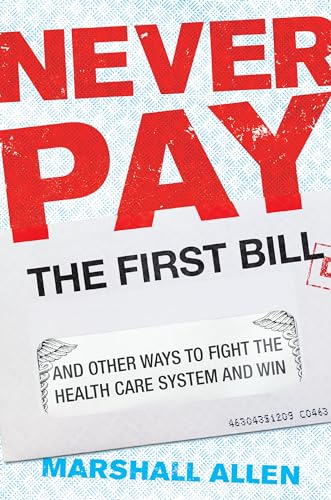
Never Pay the First Bill: And Other Ways to Fight the Health Care System and Win: Allen, Marshall
Drawing on 15 years of investigating the health care industry, reporter Marshall Allen <strong>shows how companies and individuals have managed to force medical providers to play fair, and shows how y
Check Price on Amazon1) Marketplace (ACA/“Obamacare”) plans via HealthCare.gov
- What it is: Individual and family plans that meet Affordable Care Act standards, sold on the federal marketplace at HealthCare.gov. Plans must cover essential health benefits (core services like doctor visits, hospital care, maternity, mental health, and prescriptions) and can’t deny you for pre‑existing conditions.
- Who it’s for: People without job-based insurance or those who can’t get Medicare/Medicaid. Self‑employed Ohioans often shop here.
- Why it’s popular: Most enrollees qualify for federal premium tax credits (a discount that lowers your monthly premium) and, if income is more limited, cost-sharing reductions (extra help that lowers your deductible and copays on Silver plans).
2) Medicaid (Ohio Medicaid) and CHIP
- What it is: No‑ or low‑cost public coverage for eligible Ohioans. Ohio expanded Medicaid, so more adults qualify based on income.
- Who it’s for: Adults with low incomes, children, pregnant people, some seniors and people with disabilities. Enrollment is open year‑round.
- How it works: Eligibility is based on your household income as a percentage of the federal poverty level (FPL). Adults ages 19–64 typically qualify up to 138% FPL (the ACA expansion level; this includes a 5% disregard in most cases). Children and pregnant people are covered at higher income limits. Asset limits may apply for certain categories (like aged, blind, and disabled Medicaid).
3) Employer-sponsored coverage (group health insurance)
- What it is: Plans arranged by your employer. Your company pays part of the premium (the monthly cost to keep your plan active), and you pay the rest via payroll deductions.
- Who it’s for: Full‑time employees (and sometimes part‑time) and their dependents. Coverage details and costs vary by employer size and plan type.
- Tip: If your employer plan is considered “affordable” under federal rules, you typically can’t get marketplace subsidies. “Affordable” is defined each year—ask HR how your plan measures up.
4) Private plans off-exchange and short‑term policies
- Off‑exchange ACA plans: The same ACA‑compliant coverage you’d find on HealthCare.gov, but purchased directly from an insurer or broker. You won’t get federal subsidies off‑exchange—so if you might qualify for a discount, it’s smarter to shop on HealthCare.gov.
- Short‑term health plans: Usually cheaper month to month but not ACA‑compliant. They can exclude pre‑existing conditions (a condition you had before enrolling), cap benefits, and deny claims for things an ACA plan would cover. These are best considered temporary gap coverage, not a long‑term substitute. Rules for how long these plans can last can change—check current limits before enrolling.
Average health insurance premiums in Ohio
Let’s talk price ranges so you can budget. These are typical, unsubsidized premiums for a non‑smoker before any financial help. Actual quotes in your Ohio county may be lower or higher.
- Bronze plans (lowest premiums, highest deductibles): For a 40‑year‑old, commonly around $300–$420/month.
- Silver plans (middle‑ground on premiums and cost-sharing): For a 40‑year‑old, commonly around $380–$520/month. Silver is where cost-sharing reductions apply if you qualify.
- Gold plans (higher premiums, lower deductibles): For a 40‑year‑old, commonly around $480–$650/month.
Age matters due to ACA age rating (insurers can vary adult rates by up to 3:1 based on age):
- 27‑year‑old: Often 20–25% less than the 40‑year‑old price for the same plan.
- 50‑year‑old: Often about 40–60% more than the 40‑year‑old price.
- 60‑year‑old: Often close to double the 40‑year‑old price.
Examples to make it real (these are illustrative):
- You’re 35, non‑smoker in Franklin County looking at a Silver plan: You might see options roughly $360–$480/month before subsidies.
- You’re 45 in Cuyahoga County, prefer a Gold plan to lower your deductible: Expect something like $520–$700/month before subsidies.
- You’re 60 in Lucas County on a Bronze plan to keep premiums low: You might see around $550–$750/month before subsidies.
How subsidies change the math: If you qualify for premium tax credits, your monthly premium could drop substantially—sometimes to under $100/month for lower‑income households, depending on the plan and your county. If your income is between 100% and 250% FPL and you choose a Silver plan, cost-sharing reductions can lower your deductible (the amount you pay out of pocket before insurance kicks in) and out‑of‑pocket maximum (the most you’d pay in a year for covered care).
Ohio Medicaid eligibility and enrollment
Ohio has expanded Medicaid. Here’s the quick framework:
- Adults ages 19–64: Typically eligible up to 138% of the federal poverty level (FPL). Because FPL amounts update yearly, check the current dollar limits for your household size.
- Children: Ohio generally covers kids at higher income levels through Medicaid/CHIP (often around 200% FPL or more). If you were denied before, re‑check—eligibility may be more generous than you expect.
- Pregnant people: Covered at higher FPL levels than non‑pregnant adults. If you recently became pregnant, apply as soon as possible—coverage can often start quickly.
- Seniors and people with disabilities: Different rules may apply, including resource (asset) tests in some categories. If you need long‑term services and supports, talk with a benefits counselor.
Enrollment steps:
- Apply anytime (Medicaid is year‑round). You can apply online, by phone, or in person with help from a community assister or navigator.
- If approved, you’ll pick (or be assigned) a managed care plan. Networks and extra benefits can vary, so review your options if you have a choice.
- If denied but your income is close to the limit, explore marketplace plans—many Ohioans qualify for strong subsidies.
Tip: If your income changes during the year, you can report it and your Medicaid or subsidy eligibility may adjust.
Ohio health insurance marketplace: open enrollment and special periods
Ohio uses the federal marketplace at HealthCare.gov.
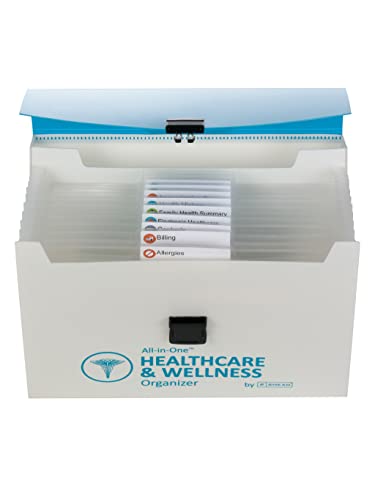
Smead All-in-One Healthcare & Wellness Organizer, 13 Pockets, Letter Size, Flap with Elastic Closure, White/Teal (92070)
View on AmazonOpen Enrollment Period (OEP):
- Typically runs November 1 through January 15 each year. Plans selected by mid‑December usually start January 1; plans selected after that date typically start February 1. Exact federal deadlines can change slightly year to year—always check current dates.
Special Enrollment Periods (SEPs): You can enroll outside OEP if you have a qualifying life event, such as:
- Losing other coverage (for example, job‑based insurance ending)
- Moving to a new county or state
- Marriage or divorce
- Having or adopting a child
- Gaining eligible immigration status
- A significant, documented error with your plan or the marketplace
Low‑income SEP: In many years, households with incomes up to 150% FPL may qualify for a continuous SEP on HealthCare.gov as long as they’re eligible for premium tax credits. This policy has been extended before, but always verify current rules when you shop.
Coverage effective dates usually depend on when you enroll (for example, picking a plan by the 15th of the month often leads to coverage starting the first day of the next month).
How to compare and choose the best health plan in Ohio
Here is what actually matters when choosing among plans in your county.
- Keep your doctors and hospitals in‑network
- Network: The list of doctors, hospitals, and clinics a plan has contracted with.
- HMO (Health Maintenance Organization): Generally requires you to use in‑network providers and get referrals for specialists. Lower cost, tighter network.
- EPO (Exclusive Provider Organization): No out‑of‑network coverage except emergencies, but often no referrals required. Common on the marketplace.
- PPO (Preferred Provider Organization): Offers out‑of‑network coverage (you’ll pay more), usually higher premiums.
- Action step: Make a short list of your must‑have doctors and the hospitals you’d use in an emergency. Check each plan’s directory before you enroll. Ohio markets often have strong regional networks—don’t assume access to systems like Cleveland Clinic, The Ohio State University Wexner, or UC Health without confirming.
- Run the numbers on total cost of care—not just the premium
- Premium: What you pay every month to keep your coverage.
- Deductible: What you pay before your plan starts covering most care.
- Copay: A flat fee for a service (like $30 for a primary care visit).
- Coinsurance: Your percentage of the cost after the deductible (for example, 20% of a hospital bill).
- Out‑of‑pocket maximum (OOP max): The most you’ll pay in a year for covered services; hitting it triggers 100% coverage for the rest of the year.
- Example: If you have a chronic condition with monthly specialist visits and brand‑name drugs, a Silver or Gold plan with lower deductible and copays might beat the cheapest Bronze plan once you add everything up.
- If your income qualifies, consider Silver for cost‑sharing reductions (CSR)
- CSR: Extra discounts that lower your deductible, copays, and OOP max—but only if you pick a Silver plan and your income is within the CSR range (typically 100%–250% FPL). Many Ohio families see their most affordable overall costs with CSR‑enhanced Silver.
- Check prescription coverage
- Look up your medications on the plan’s formulary (covered drug list). Verify the tier (which affects your copay/coinsurance) and whether prior authorization is required. Insulin and GLP‑1 coverage can vary by plan and tier.
- Consider an HSA‑eligible option if you’re a careful saver
- HSA (Health Savings Account): A tax‑advantaged account you can use for qualified medical expenses. You need an HSA‑eligible High Deductible Health Plan (HDHP) to contribute. Premiums are often lower, but you’ll face higher upfront costs before coverage kicks in. It can be a smart fit if you rarely use care and can fund the HSA.
- Look beyond the headline benefits
- Telehealth coverage for primary care and mental health
- Mental health provider access and visit limits
- Maternity and newborn benefits if you’re planning a family
- Rehab, physical therapy, and durable medical equipment rules
Two Ohio‑focused examples:
- You’re in Summit County and want access to specific cardiologists at a local hospital. Prioritize plans that clearly list that hospital system in‑network—even if the premium is slightly higher.
- You’re a freelancer in Hamilton County taking two brand‑name meds. Price the total annual cost for at least three plans (your premium × 12 + expected copays/coinsurance up to the OOP max) before deciding.
The fastest way to see what you would actually pay is to compare quotes from 3–5 carriers side by side. A licensed broker can do this at no extra cost to you and help confirm your doctors and drugs are covered.
Ohio‑specific subsidies and financial assistance
- Federal premium tax credits: Most marketplace shoppers qualify based on household income and family size. The credit caps what you pay for a benchmark Silver plan; you can apply it to any metal tier.
- Cost‑sharing reductions (CSR): Extra savings available only on Silver plans for eligible incomes. This can cut deductibles and out‑of‑pocket maximums dramatically.
- American Indian/Alaska Native (AI/AN) benefits: Eligible AI/AN enrollees may qualify for zero cost-sharing on certain plans.
- State subsidies: Ohio does not currently add its own state-funded premium subsidy on top of federal help. Your main financial assistance comes from federal programs.
- Local resources: Community health centers, hospital financial assistance programs, and patient drug assistance foundations can help with specific services or medications if you’re between coverages or facing high costs.
If your income is near Medicaid limits, check your eligibility first—Medicaid often provides more comprehensive coverage at little to no cost.
FAQ: Common questions about health insurance in Ohio
What’s the cheapest health insurance in Ohio?
- “Cheapest” typically means a Bronze marketplace plan with a narrow network and high deductible. But the cheapest premium isn’t always the lowest total cost. If you qualify for CSR, a Silver plan might leave you paying less overall.
Can I still get coverage if I missed Open Enrollment?
- Yes—if you have a qualifying life event (loss of coverage, move, marriage, birth/adoption, etc.), you may get a Special Enrollment Period. If your income is up to 150% FPL, you may qualify for a low‑income SEP on HealthCare.gov in many years. Medicaid and CHIP are open year‑round.
Are short‑term plans a good idea?
- They can be a temporary stopgap but are not ACA‑compliant. They can exclude pre‑existing conditions, cap benefits, and deny claims you’d expect an ACA plan to cover. If you can enroll in an ACA or Medicaid plan, that’s usually the safer route for comprehensive protection.
My employer offers coverage. Can my family still get marketplace subsidies?
- If your employer plan is considered “affordable” for the employee and meets minimum value, you typically can’t get subsidies for yourself. For dependents, a federal “family affordability” fix expanded subsidy access in recent years—ask a licensed agent to evaluate your specific costs, because results vary by employer premiums and plan design.
Do college students in Ohio need their own plan?
- Many can stay on a parent’s plan until age 26. Students can also buy their own marketplace plan (with subsidies if eligible), enroll in a school‑sponsored plan if offered, or qualify for Medicaid based on income.
How does COBRA compare to a marketplace plan?
- COBRA lets you keep your employer plan but you pay the full premium plus a small admin fee. Marketplace plans can be far cheaper after subsidies, but networks and deductibles will differ. If you lose job coverage, compare COBRA vs. marketplace side by side before deciding.
Can undocumented immigrants buy coverage?
- They can purchase private, off‑exchange plans directly from insurers but generally cannot receive federal marketplace subsidies. Community clinics and financial assistance programs may help with certain services.
Does Ohio have expanded Medicaid?
- Yes. Adults ages 19–64 with incomes up to 138% FPL may qualify, with higher thresholds for children and pregnant people.
Your next smart step
- Check your estimated subsidy and see real plan options in your county. The fastest way to find your actual price is to compare quotes from 3–5 carriers and filter by your doctors and prescriptions.
- Not sure where to start? Talk with a licensed health insurance agent or navigator. There’s no extra cost for expert help, and they can walk you through eligibility, networks, and enrollment timing.
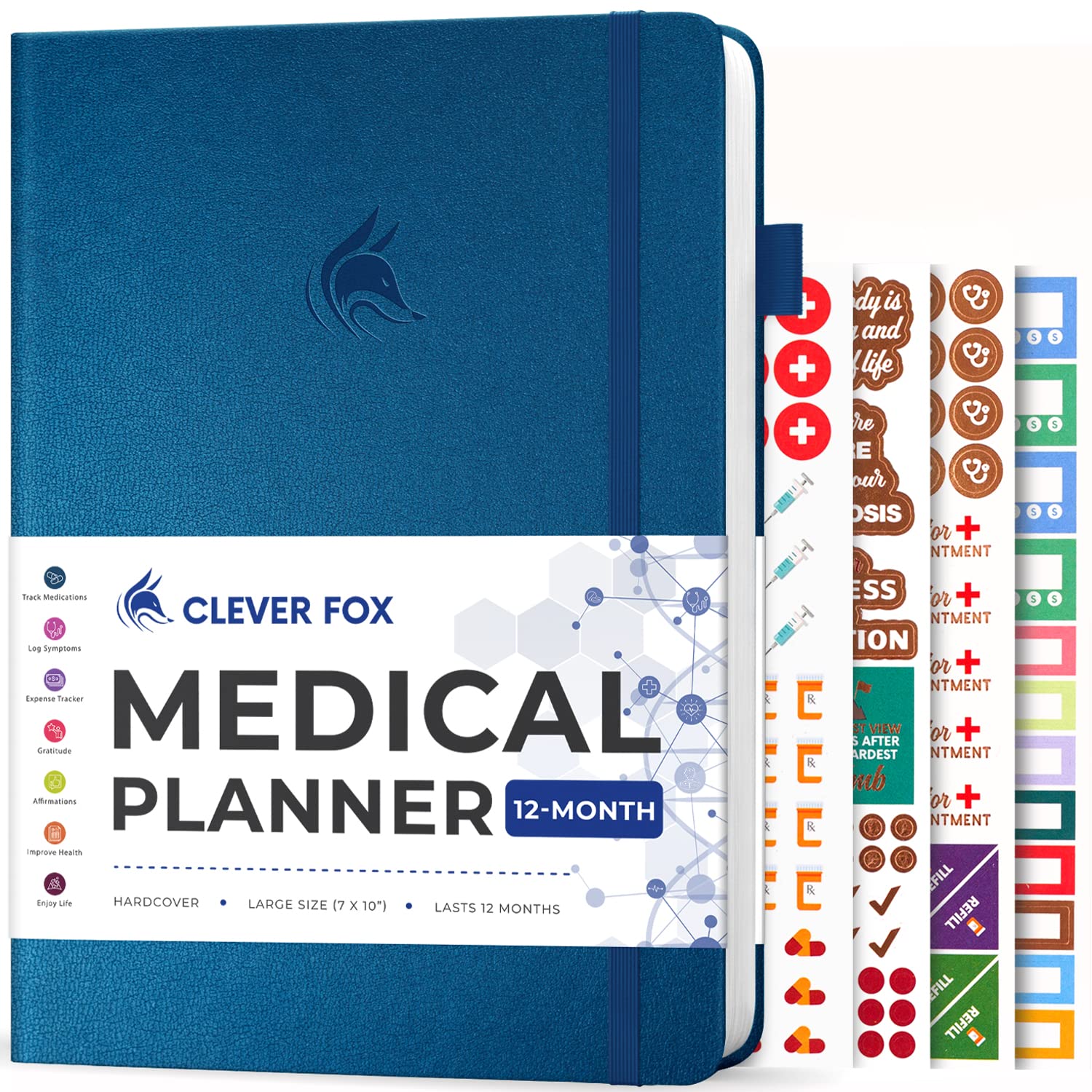
Clever Fox Large Medical Planner 12-Month – Medical Notebook, Health Diary, Wellness Journal & Logbook to Track Health – Self-Care Medical Journal – 12 Months, Undated, 7″ x 10.5″ (Forest Green)
Unexpected healthcare bills can put a large dent in your finances. Be prepared and manage your expenses well with the medical expense tracker. Blood pressure, lab tests, insurance providers, and medic
Check Price on AmazonReady to compare? Get personalized quotes, verify your doctors are in‑network, and see how much you could save with subsidies. A 10‑minute comparison today can prevent a year of surprise bills.
Note: This guide provides general information for Ohio residents. For advice tailored to you, consult a licensed agent or navigator who can review your specific needs, medications, and provider preferences.
Recommended Resources
Never Pay the First Bill: And Other Ways to Fight the Health Care System and Win: Allen, Marshall
Drawing on 15 years of investigating the health care industry, reporter Marshall Allen <strong>shows how companies and individuals have managed to force medical providers to play fair, and shows how y
Clever Fox Large Medical Planner 12-Month – Medical Notebook, Health Diary, Wellness Journal & Logbook to Track Health – Self-Care Medical Journal – 12 Months, Undated, 7″ x 10.5″ (Forest Green)
Unexpected healthcare bills can put a large dent in your finances. Be prepared and manage your expenses well with the medical expense tracker. Blood pressure, lab tests, insurance providers, and medic
Smead All-in-One Healthcare & Wellness Organizer, 13 Pockets, Letter Size, Flap with Elastic Closure, White/Teal (92070)
Healthcare documents are stored ... or the hospital. Flap and cord closure adds protection and security. <strong>File includes 12 expanding pockets</strong>....
Related Articles
- Health Insurance in Oregon: Plans, Costs & How to Enroll
- Health Insurance in Delaware: Plans, Costs & How to Enroll
- Health Insurance in Kentucky: Plans, Costs & How to Enroll
- Health Insurance in Michigan: Plans, Costs & How to Enroll
- Health Insurance in Oklahoma: Plans, Costs & How to Enroll
- Health Insurance in Indiana: Plans, Costs & How to Enroll
- Health Insurance in Hawaii: Plans, Costs & How to Enroll
- Health Insurance in New York: Plans, Costs & How to Enroll