
Health Insurance in Connecticut: Plans, Costs & How to Enroll
You’re shopping for health insurance in Connecticut and the choices, deadlines, and prices feel confusing. What does a plan really cost? Should you use Access Health CT (the state marketplace) or buy direct? And what’s the fastest way to lock in coverage you can actually afford?
Here’s what actually matters when choosing health insurance in Connecticut—plus concrete next steps so you can compare your options and enroll on time.
Health insurance options in Connecticut: marketplace, Medicaid, employer, and private
Connecticut residents typically get coverage in one of four ways. Each path has different rules, costs, and timelines.

The Health Care Handbook: A Clear and Concise Guide to the United States Health Care System
The fully revised third edition <strong>provides concise coverage on health care delivery, insurance and economics, policy, and reform</strong>—all critical components of the system in which health ca
Check Price on AmazonAccess Health CT (the state marketplace): This is Connecticut’s official place to compare Affordable Care Act (ACA) plans, see if you qualify for federal premium tax credits (discounts that lower your monthly premium), and enroll. Plans are required to cover essential health benefits like doctor visits, prescriptions, hospital care, mental health, and preventive care with no cost sharing. If you want financial help, you must apply through Access Health CT.
Medicaid/HUSKY Health: Connecticut’s Medicaid and Children’s Health Insurance Program (CHIP) is called HUSKY Health (HUSKY A, B, C, and D). It provides free or very low-cost coverage for eligible children, pregnant people, parents/caregivers, some seniors and people with disabilities, and many low‑income adults. Enrollment is available year‑round.
Employer coverage: If your job offers health insurance, it’s often the most cost‑effective option because your employer typically pays part of the premium. You can usually enroll during your employer’s annual open enrollment or after a qualifying life event (QLE) like losing other coverage, marriage, or having a baby.
Private (off‑marketplace) plans: You can buy ACA‑compliant plans directly from a carrier. These plans cover the same essential benefits and preexisting conditions, but you won’t get premium tax credits or cost‑sharing reductions unless you enroll through Access Health CT. There are also limited‑benefit or short‑term policies on the market; in most cases these exclude preexisting conditions and essential benefits, so read the fine print carefully and confirm what Connecticut allows before considering one.
If you’re new to plan types or terms like deductible (the amount you pay out of pocket before insurance pays) or out‑of‑pocket maximum (the most you’d pay in a year for covered care), a quick refresher can help. See Health Insurance Basics: Plans, Terms, and How to Choose for a plain‑English overview.
- Link: /health-insurance/health-insurance-basics
Average health insurance premiums in Connecticut by plan type and age
Let’s level‑set expectations. Unsubsidized premiums (what you’d pay before any discounts) vary by county, insurer, metal tier, and age. Under the ACA’s age curve, a 64‑year‑old can be charged up to 3 times what a 21‑year‑old pays for the same plan—so age matters.
Typical full‑price ranges we see in recent Connecticut plan years for a single 40‑year‑old shopper:
- Bronze (lower premiums, higher deductibles): roughly $400–$600 per month
- Silver (middle ground, eligible for cost‑sharing reductions if you qualify): roughly $550–$800 per month
- Gold (higher premiums, lower out‑of‑pocket costs): roughly $650–$900+ per month
Examples to show how age and metal tier affect price (illustrative, not quotes):
- Age 27: Bronze $330–$500; Silver $470–$700; Gold $560–$820
- Age 40: Bronze $400–$600; Silver $550–$800; Gold $650–$900+
- Age 60: Bronze $700–$1,000+; Silver $900–$1,300+; Gold $1,050–$1,450+
Important:
- Most Connecticut shoppers don’t pay the full price. If you buy through Access Health CT, premium tax credits can lower your monthly bill based on your household income, family size, and the cost of the benchmark Silver plan in your area. Many middle‑income families qualify.
- Your actual cost depends on your ZIP code, tobacco status, and the specific plan’s network and benefits. Always compare a few carriers.
The fastest way to see your real price is to compare quotes from 3–5 carriers on Access Health CT. It takes about 10 minutes and shows your eligible discounts.
Connecticut Medicaid eligibility and enrollment (HUSKY Health)
Connecticut has expanded Medicaid, which means many low‑income adults qualify for comprehensive coverage through HUSKY Health. Eligibility is based on household income and other factors like age, disability, pregnancy, and caregiving status.
- HUSKY A: Covers children, pregnant people, and many parents/caregivers with low to moderate incomes. There are no monthly premiums for most members.
- HUSKY B: Connecticut’s CHIP program for children in families with incomes too high for HUSKY A but still below certain limits. Premiums and copays are modest.
- HUSKY C: For seniors and individuals who are blind or disabled with limited income and assets; may include long‑term services and supports.
- HUSKY D: Medicaid for low‑income adults ages 19–64 (generally up to 138% of the federal poverty level). No premiums and low or no copays for most services.
Key points:
- You can apply year‑round through Access Health CT or the Department of Social Services (DSS). If eligible, coverage can start the first day of the month you apply and may be retroactive up to three months if you had medical bills and were eligible during that time.
- Documents you may need: proof of identity, Social Security numbers (if available), income verification (like pay stubs), and immigration status for non‑citizens seeking coverage. Some groups of lawfully present immigrants qualify; emergency Medicaid may be available for others.
If your income fluctuates, consider applying—many adults and families qualify even if they’re working. If you’re just over the Medicaid limit, financial help on Access Health CT can make a private plan affordable.
Connecticut health insurance marketplace: open enrollment and special periods
Access Health CT runs the state’s open enrollment for ACA plans.
- Open Enrollment: Typically November 1 through January 15. Enroll by mid‑December for coverage starting January 1; enroll in the second half of the window for coverage starting February 1. Dates can shift slightly each year, so always check the current schedule.
- Special Enrollment Period (SEP): Outside of open enrollment, you can sign up if you have a qualifying life event (QLE). Common QLEs include losing other coverage, moving to Connecticut, marriage or divorce, birth or adoption, or gaining eligible immigration status. You generally have 60 days from the event to enroll.
- Medicaid/CHIP (HUSKY A/B/C/D): Enrollment is open year‑round.
After you pick a plan, make your first premium payment (called the binder payment) by the due date to activate coverage.
How to compare and choose the best health plan in Connecticut
Here’s how to cut through the noise and choose confidently.
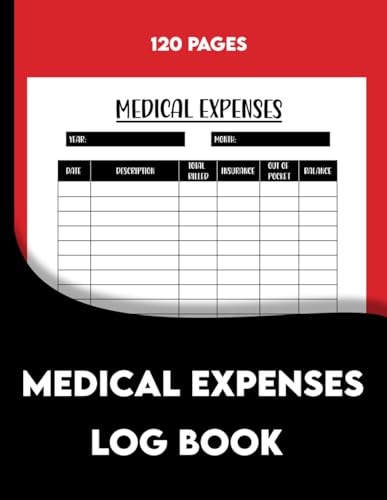
Medical Expense Log: A Tracker for Keeping Track of Your Medical Spending, Bills, and Payment All in One Place | Health Expense Organizer: Media, Tylissa A.: Amazon.com
View on AmazonWhat to look for:
- Total yearly cost, not just the premium: Add the monthly premium to the plan’s deductible (what you pay before insurance kicks in), typical copays and coinsurance (the percentage you pay after the deductible), and the out‑of‑pocket maximum (the cap on your annual spending for covered care). A slightly higher premium can be worth it if you’ll save much more when you use care.
- Your doctors and hospitals: Check the provider network. Is your primary care doctor in‑network? What about top hospitals near you (e.g., in New Haven, Hartford, or Stamford)? Out‑of‑network care can be very expensive or not covered.
- Prescriptions: Look up your medications on the plan’s formulary (the covered drug list). Note tiers, prior authorization, and mail‑order options.
- Referrals and plan type: HMOs usually require referrals to see specialists; PPOs typically allow you to see specialists without referrals and may include some out‑of‑network coverage, but often at a higher price. EPOs sit in between (no out‑of‑network benefits, but usually no referrals required).
- Metal level and actuarial value: Bronze covers about 60% of average costs, Silver about 70%, Gold about 80%, and Platinum about 90%. If you qualify for cost‑sharing reductions (CSR), they only work on Silver plans—and they can make a Silver plan act like Gold or even Platinum for eligible households.
- HSA‑eligibility: If you rarely use care and are comfortable with a higher deductible, consider a high‑deductible health plan (HDHP) that’s HSA‑eligible. A health savings account (HSA) lets you set aside pre‑tax dollars for qualified medical expenses. Make sure the plan is explicitly labeled HSA‑eligible.
- Extra benefits: Some plans include 24/7 telehealth, mental health coaching, or fitness reimbursements. Nice to have—just don’t overpay for perks you won’t use.
Real‑world scenarios:
- You’re a 35‑year‑old freelancer in New Haven with a couple of maintenance meds. If you qualify for premium tax credits and modest CSRs, a Silver plan with a moderate deductible and predictable copays may beat a cheaper Bronze plan that has a high deductible and coinsurance for your prescriptions.
- You’re a 60‑year‑old couple in Hartford County with regular specialist visits. Even if a Gold plan’s premium is higher, the lower out‑of‑pocket maximum might reduce your total yearly spend—especially if your doctors are solidly in‑network on that carrier.
- Your teen needs a specific ADHD medication. Prioritize plans where that drug is on a lower formulary tier and your preferred pediatrician is in‑network.
Smart next step: The fastest way to see what you would actually pay is to compare quotes from 3–5 carriers on Access Health CT and sort by “lowest estimated total cost,” not just premium. If you’d like help, a licensed, no‑cost navigator or broker can walk you through it.
Connecticut‑specific subsidies and financial assistance
Connecticut residents can tap into several layers of financial help when they enroll through Access Health CT.
- Federal premium tax credits (APTC): Based on household income and family size, these lower your monthly premium. You can apply them upfront or claim at tax time. If your income changes, update your application so your credit stays accurate.
- Cost‑sharing reductions (CSR): If your income is within certain limits, CSRs lower your deductible, copays, and out‑of‑pocket maximums—but only if you choose a Silver plan. For many eligible households, this makes Silver the best value.
- Covered Connecticut Program: Connecticut funds additional assistance for certain households that are above Medicaid limits but still have low incomes. Eligible residents who enroll through Access Health CT can get their monthly premiums and cost sharing fully paid on specific Silver plans, plus added benefits like adult dental and non‑emergency medical transportation. Income thresholds and details can change, so check current program rules during enrollment.
- HUSKY Health (Medicaid/CHIP): If your income is low enough for HUSKY A, B, C, or D, your coverage will typically be free or very low cost.
Tip: If you’re on unemployment or your hours just dropped, re‑run your application mid‑year. You may newly qualify for a bigger premium tax credit, Covered Connecticut, or even HUSKY.
How to enroll in a Connecticut plan (step‑by‑step)
- Gather info: Social Security numbers (if available), immigration documents (if applicable), last year’s tax return, recent pay stubs or income estimates, and a list of your doctors and prescriptions.
- Compare plans on Access Health CT: Filter by your doctors, hospitals, and medications; preview premiums with and without financial help.
- Estimate total yearly costs: Use the site’s cost calculator if available; check the plan brochure for deductibles and copays.
- Choose and enroll: Pick a plan, submit your application, and make the binder payment by the deadline.
- Keep records: Save your eligibility notice and plan documents. If your income or household changes, update your application within 30 days.
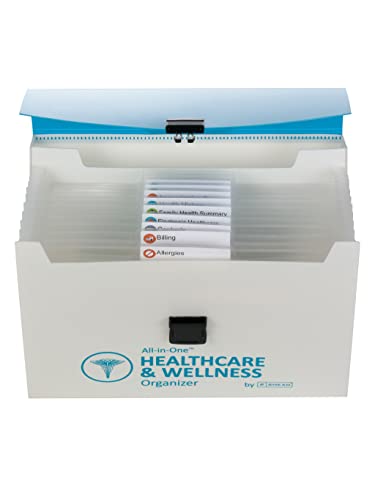
Smead All-in-One Healthcare & Wellness Organizer, 13 Pockets, Letter Size, Flap with Elastic Closure, White/Teal (92070)
View on AmazonNote: For advice tailored to your situation, it can be worth speaking with a licensed agent or certified navigator. Their help is typically free to you.
FAQ: Common questions about health insurance in Connecticut
Which companies sell marketplace coverage in Connecticut? Each year, a small number of insurers offer on‑exchange plans through Access Health CT. Carrier participation and plan options can change annually. When shopping, compare at least two carriers to see differences in networks and prices in your county.
When can I get coverage? Open enrollment usually runs Nov 1–Jan 15. Outside that window, you need a qualifying life event for a special enrollment period—unless you qualify for HUSKY Health, which is open year‑round.
Are preexisting conditions covered? Yes. All ACA plans on and off the marketplace cover preexisting conditions and essential health benefits. Preventive care like annual checkups and many screenings is covered with no copay when in‑network.
Are dental and vision included? Adult dental and vision are not typically included in medical plans, but you can add stand‑alone dental or, in some cases, choose a medical plan with embedded pediatric dental and vision. The Covered Connecticut Program may include adult dental for eligible members.
I’m turning 26 and losing coverage—what now? That loss of coverage is a qualifying life event. You generally have 60 days before and after the loss to enroll through Access Health CT.
COBRA vs. marketplace—what’s smarter? COBRA lets you continue your employer plan, but you pay the full premium (often high). The marketplace may offer a similar network for less, especially if you qualify for premium tax credits. Compare both before deciding.
I live near the state border. Will my plan cover out‑of‑state doctors? It depends on the network. Some plans have regional or national networks; others are more local. If you get care in Massachusetts, Rhode Island, or New York, confirm that those providers are in‑network before you enroll.
Can non‑citizens get coverage? Many lawfully present immigrants can enroll in marketplace plans and may qualify for financial help. Some may qualify for HUSKY depending on status and income. Emergency Medicaid may be available regardless of immigration status for emergency services.
What if I estimate income wrong? If you underestimate and receive too much premium tax credit, you may repay some at tax time. If you overestimate, you could get a refund. Update your application if income changes so credits stay accurate.
How do I keep costs down if I rarely use care? Consider an HSA‑eligible Bronze plan with a low premium and put tax‑advantaged dollars into your HSA for the occasional visit. Just make sure you have enough savings to cover the higher deductible if something big happens.
Ready to see your price?
The most reliable way to know what you’ll actually pay for health insurance in Connecticut is to compare real plans side‑by‑side with your doctors and prescriptions. Spend 10 minutes getting quotes from 3–5 carriers on Access Health CT and see your eligible discounts instantly. If you want a second set of eyes, talk to a licensed agent or navigator at no cost.
The bottom line
- Use Access Health CT if you want financial help—it’s where premium tax credits, cost‑sharing reductions, and programs like Covered Connecticut are applied.
- Check HUSKY Health eligibility if your income is low or you’ve had a recent change in employment.
- Compare across at least two carriers and focus on total yearly cost, provider networks, and drug coverage—not just the monthly premium.
Your next step: Gather your doctors, prescriptions, and an income estimate, then compare quotes today. Lock in the plan that fits your life—and your budget—before the deadline.
Recommended Resources
The Health Care Handbook: A Clear and Concise Guide to the United States Health Care System
The fully revised third edition <strong>provides concise coverage on health care delivery, insurance and economics, policy, and reform</strong>—all critical components of the system in which health ca
Smead All-in-One Healthcare & Wellness Organizer, 13 Pockets, Letter Size, Flap with Elastic Closure, White/Teal (92070)
Healthcare documents are stored ... or the hospital. Flap and cord closure adds protection and security. <strong>File includes 12 expanding pockets</strong>....
Medical Expense Log: A Tracker for Keeping Track of Your Medical Spending, Bills, and Payment All in One Place | Health Expense Organizer: Media, Tylissa A.: Amazon.com
This medical expense log is <strong>a useful tool for tracking your healthcare expenses in one convenient place</strong>. You can use it to record the date, amount, and purpose of each payment you mak
Related Articles
- Health Insurance in Delaware: Plans, Costs & How to Enroll
- Life Insurance in Connecticut: What Residents Should Know
- Health Insurance in Massachusetts: Plans, Costs & How to Enroll
- Health Insurance in Maine: Plans, Costs & How to Enroll
- Auto Insurance in Connecticut: Rates, Requirements & How to Save
- Health Insurance in Rhode Island: Plans, Costs & How to Enroll
- Health Insurance in New Jersey: Plans, Costs & How to Enroll
- Health Insurance in Tennessee: Plans, Costs & How to Enroll