
Cheap Car Insurance: How to Save on Coverage & Get Fast Quotes
You want cheap car insurance, but you also want to be protected if something goes wrong. Here’s how to cut your premium without cutting the coverage that actually matters — and how to get fast quotes to see your real price.
Why “cheap” differs from “adequate”: price vs. protection
“Cheap” is great until a claim exposes a coverage gap. The goal is affordable, adequate protection — coverage that fits your budget and still shields your wallet when life happens.
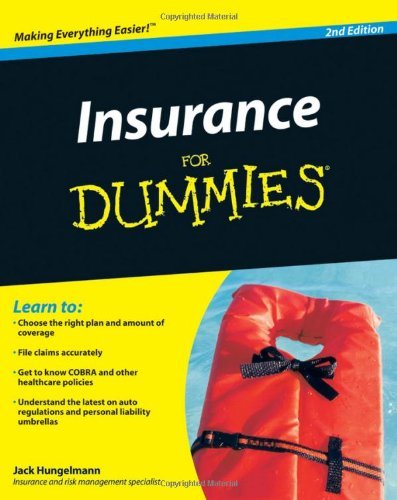
Insurance For Dummies?: Hungelmann, Jack
Whether you’re a homeowner or ... need on: ... Author Jack Hungelmann <strong>uses his twenty-five years of experience in the insurance industry to make buying insurance as simple as possible</strong>
Check Price on AmazonKey coverages to know (jargon decoded):
- Liability coverage (pays others if you cause a crash): Split into bodily injury liability (pays medical bills/claims for people you injure) and property damage liability (pays to fix what you hit). It’s shown as numbers like 100/300/100 — meaning $100,000 per person, $300,000 per accident for injuries, and $100,000 for property damage.
- Collision coverage (fixes your car if you crash): Pays for your vehicle after an at-fault accident, minus your deductible (the amount you pay out of pocket before insurance pays).
- Comprehensive coverage (covers non-crash damage): Theft, vandalism, fire, flood, hail, hitting an animal — also subject to a deductible.
- Uninsured/Underinsured Motorist (UM/UIM): Protects you if the other driver has no insurance or too little.
- Medical Payments (MedPay) or Personal Injury Protection (PIP): Helps with medical bills for you/your passengers regardless of fault; PIP may also cover lost wages, depending on your state.
What “adequate” often looks like in practice:
- Many drivers choose liability limits like 100/300/100 rather than state minimums (which can be very low). Why? Medical bills and modern car repairs can easily exceed minimums.
- Keep comprehensive and collision if your car is newer or financed. Lenders typically require “full coverage” (liability + comp + collision) until the loan or lease is paid off.
- Carry UM/UIM that matches your liability limits in most cases. It’s relatively affordable and can be a financial lifesaver.
Example: Say you rear-end a $75,000 SUV and there are injuries. If your property damage limit is $25,000 and damages total $40,000, you’re on the hook for the extra $15,000 — plus potential injury costs if your bodily injury limits are low. Cheap car insurance with too-low limits can get very expensive, very fast.
Understand your state minimums and legal requirements (how to check)
Every state sets minimum car insurance requirements, but they’re just that — minimums. They’re intended to keep you legal, not necessarily well-protected.
What state minimums usually include:
- Bodily injury and property damage liability (amounts vary by state)
- Sometimes MedPay or PIP (common in “no-fault” states)
- Sometimes UM/UIM (mandatory or offered by default unless you reject it in writing)
How to check your exact rules today:
- Go to your state Department of Insurance or DMV website (search “your state + auto insurance minimums”).
- Confirm required coverages and limits, plus any PIP or UM/UIM rules.
- Verify whether proof-of-insurance and ID card requirements changed recently (laws do change).
- If you finance or lease, confirm coverage requirements with your lender/lessor.
Typical examples (for illustration — always verify):
- Texas minimums are commonly 30/60/25 for liability.
- Some states have modest property damage limits (e.g., $10,000), which often isn’t enough to cover repairs to many modern vehicles after a significant crash.
Aim to be legal — and then decide how much extra protection you want based on your assets, medical coverage, commute, and risk tolerance.
How insurers set rates: 7 factors that drive your premium
Insurers price risk. Here are the big levers that typically influence your premium (your price for coverage):
- Age and driving experience
- Newer drivers (especially teens and drivers under 25) generally pay more due to limited driving history.
- Mature drivers with clean records often pay less, though rates may rise again for some seniors depending on claims and state.
- Your car
- Repair costs, safety ratings, anti-theft technology, and theft rates matter. Family sedans and small SUVs with strong safety scores typically cost less to insure than luxury or performance models.
- Credit (where allowed)
- Many states allow a credit-based insurance score (a rating based on credit-related factors, not your credit line amounts). Better scores usually get better rates.
- Some states restrict or ban credit use for auto rating (for example, California, Hawaii, and Massachusetts). Rules vary by state.
- Driving record
- Tickets, at-fault accidents, and DUIs raise rates. Most violations affect rates for 3–5 years, though serious offenses can linger longer.
- Where you live (your garaging ZIP code)
- Higher traffic density, theft rates, and claim frequency in your area can push premiums up.
- Coverage choices and deductibles
- Higher liability limits and adding collision/comprehensive cost more; higher deductibles usually reduce premiums. We’ll cover smart ways to adjust these without creating gaps.
- Mileage and usage
- Fewer miles typically equals lower risk. Commuting during rush hour often costs more than occasional, off-peak driving.
Rates can also be influenced by your insurance history (a lapse can increase rates), marital status in some states, and past claims. No single factor tells the whole story — that’s why shopping multiple carriers is so powerful.
Top ways to lower your premium (without losing real protection)
Quick wins plus longer-term strategies can add up. Here’s what actually moves the needle for cheap car insurance while keeping solid coverage.
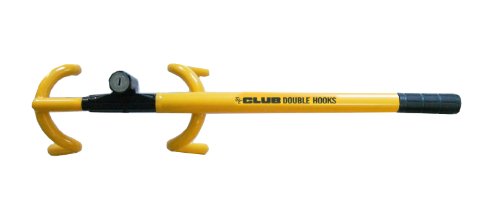
Winner International The Club 3000 Twin Hooks Steering Wheel Lock, Yellow : Automotive
View on Amazon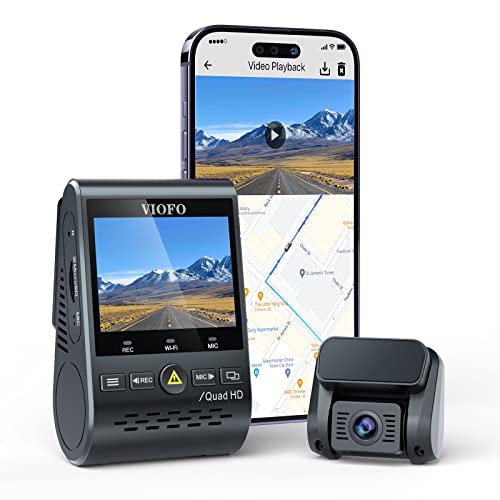
VIOFO Dual Dash Cam, 2K 1440P 60fps+1080P 30fps Front and Rear Dash Camera with Wi-Fi GPS, Parking Mode, Emergency Recording, Super Capacitor, Motion Detection (A129 Plus Duo) : Electronics
View on AmazonDiscounts to ask for (they’re not always automatic):
- Multi-policy (bundling): Combine auto with homeowners or renters insurance for a discount in most cases.
- Safe driver: Clean records often qualify; some carriers add accident-free discounts at milestones (e.g., 3+ years).
- Good student: Typically for full-time students with qualifying GPAs.
- Defensive driving course: Approved classes can reduce premiums and points in some states.
- Vehicle safety/anti-theft: Factory-installed airbags, anti-lock brakes, and vehicle recovery systems may help.
- Pay-in-full, autopay, and paperless: Small but easy savings that add up.
Telematics and usage-based insurance (UBI):
- Telematics uses a mobile app or device to track driving habits like braking, acceleration, and time of day. Safer patterns can earn sizable discounts, especially for low-mileage drivers.
- Ask if the program can increase your rate if driving data is risky. Some carriers offer “only discount, no surcharge” programs; others can raise your price at renewal.
Mileage strategies:
- Estimate your annual miles accurately. If you now work from home or drive less, update your policy.
- Consider pay-per-mile coverage if your driving is consistently low. Savings vary by state and carrier.
Deductible strategy:
- Your deductible is what you pay before insurance kicks in. Increasing comprehensive/collision deductibles from, say, $500 to $1,000 can lower your premium. Make sure you can afford the higher out-of-pocket if you have a claim.
Vehicle choice:
- Before buying, get insurance quotes on specific trims. A modest SUV with strong safety scores typically insures cheaper than a turbocharged performance model.
- Adding aftermarket performance parts can raise rates; anti-theft devices can reduce them.
Coverage fine-tuning:
- If your vehicle’s actual cash value (what it’s worth today) is low, you might consider dropping collision or comprehensive — but only if you can afford to replace or repair the car yourself and your lender doesn’t require them.
- Keep liability and UM/UIM limits strong even if you trim elsewhere. These protect your assets and your health.
Longer-term habits that pay off:
- Maintain continuous coverage (no lapses). Gaps often increase rates when you restart.
- Improve your credit profile over time where allowed; it typically leads to better pricing.
- Compare quotes at renewal and after life changes (move, new car, new driver, finished a violation period).
Step-by-step: compare and get cheap quotes
The fastest way to see what you’d actually pay is to compare quotes from 3–5 carriers, apples-to-apples. Here’s how to do it right.
What to have ready:
- Driver’s license numbers for all drivers
- Vehicle information (VIN if possible), mileage, and usage (commute vs. pleasure)
- Garaging address (where the car is kept overnight)
- Prior insurance details (current carrier, expiration date, current limits/deductibles)
- Accident/violation dates and details (honesty matters; carriers will verify)
- Desired coverages and deductibles (e.g., 100/300/100 liability; $500 or $1,000 comp/collision deductibles)
- Lienholder/lease information if applicable
How to compare like a pro:
- Keep coverages identical across quotes. If one quote uses state minimums and another uses higher limits, the cheaper one isn’t a fair comparison.
- Check financial strength ratings (e.g., A.M. Best). Stronger carriers typically have more stable pricing and claims-paying ability.
- Look beyond price: claim satisfaction scores, rental coverage options, and roadside assistance can matter when you need help.
- Review fees: some carriers add policy fees or higher installment fees for monthly billing.
When to call an agent:
- You need an SR‑22 (a state filing that proves you carry required insurance after certain violations).
- You drive for rideshare or delivery — you’ll likely need a rideshare endorsement (an add‑on that covers the gap between personal and commercial coverage).
- You’re a new or young driver, or you have international driving history.
- You have unusual vehicles (classic, modified) or business use.
Ready to see your options? Compare personalized rates here:
- Car Insurance Quotes: Compare Rates & Get Personalized Quotes Fast: /auto-insurance/car-insurance-quotes-compare-rates
- Compare Car Insurance: Best Coverage and Price Today: /auto-insurance/compare-car-insurance
Tip: If a quote looks much lower, verify the liability limits, deductibles, and whether collision/comprehensive are included. “Cheap” that leaves out key protections isn’t a deal.
When cheap can cost you more: gaps and red flags
Smart saving is about knowing what not to cut.
Common coverage gaps to avoid:
- Rock‑bottom liability limits: Property damage minimums like $10,000 can be blown past by a single crash. Consider higher limits like 100/300/100 in most cases.
- No UM/UIM: If a driver with minimal or no insurance hits you, this coverage can pay medical bills and lost wages. It’s typically affordable.
- Skipping MedPay/PIP where it’s useful: Even with health insurance, small medical coverages can help with deductibles and co‑pays.
- High deductibles you can’t pay: A $1,000 deductible saves money — unless you don’t have $1,000 available after a loss.
- No rental reimbursement: If you rely on your car, this low-cost add-on can keep you moving during repairs after a covered claim.
- Dropping comp/collision on a car you can’t afford to replace: Consider the car’s value and your savings cushion.
- Rideshare/delivery gaps: Personal policies often exclude “driving for hire” without an endorsement. Ask for a rideshare add-on if you drive for Uber/Lyft or deliver.
Shopping red flags:
- “Too good to be true” quotes that use state minimums or leave out comp/collision without telling you.
- Large monthly installment or policy fees that erase the savings.
- Aggressive “no down payment” pitches that raise the total cost or require expensive add-ons.
- Hard-to-reach customer service or poor claims reviews.
Cheap-car-insurance checklist: 10 actions to try today
- Raise your comp/collision deductibles to an amount you can afford.
- Increase liability limits to at least 100/300/100 in most cases; add UM/UIM to match when possible.
- Enroll in a discount-only telematics program if available.
- Bundle auto with homeowners or renters for a multi-policy discount.
- Update your annual mileage and garaging address (especially if you moved or now work from home).
- Ask about every discount: safe driver, good student, defensive driving, pay‑in‑full, autopay, paperless.
- Get quotes on specific car trims before you buy; choose models with strong safety ratings and lower repair costs.
- Keep coverage continuous; avoid lapses by setting renewal reminders and using autopay.
- Compare quotes from at least 3–5 carriers using identical coverages.
- If you’re a newer or younger driver, check for specialized savings and programs tailored to your age group. See: Cheapest Car Insurance for Young Drivers: /auto-insurance/cheapest-car-insurance-young-drivers-cut-rates
FAQ: SR‑22s, lapses, moving states, and payment plans
What is an SR‑22 and who needs it?
- An SR‑22 is a state-required certificate of financial responsibility (proof you carry required insurance) often mandated after serious violations, a DUI, or a lapse following a major accident. Your insurer files it with the state. Fees and timeframes vary by state, typically 3 years, but it depends on your situation.
I had a lapse in coverage. What now?
- Get insured as soon as possible. Consider a non‑owner policy (liability coverage when you don’t own a car) if you’re between vehicles — it can keep your insurance history active. Expect higher rates initially; they can improve with continuous coverage and a clean record.
I’m moving to a new state. Do I need a new policy?
- Usually yes. Coverage forms, minimums, and rating rules differ by state. Start quotes 2–3 weeks before your move. You may need a new policy to register your car in the new state.
Can I get “no deposit” or $0 down car insurance?
- Some carriers offer low-down-payment plans depending on state rules and underwriting. The total cost may be higher with installment fees. Learn how it works here: Cheap Car Insurance No Deposit: /auto-insurance/cheap-car-insurance-no-deposit-get-coverage-without-upfront-payment
When do tickets and accidents stop affecting my rate?
- Many violations fall off after 3 years, some after 5. Major offenses can take longer. Shop again when a violation anniversary passes — you might see better offers.
Do I really need collision and comprehensive on an older car?
- If the car’s value is low and you can afford to repair or replace it yourself, you might drop one or both. But keep solid liability and UM/UIM. If you have a loan or lease, your lender likely requires them regardless of vehicle age.
Are telematics programs worth it?
- Often, yes for low-mileage and careful drivers. Confirm whether the program can raise your rate if the data shows risky habits. Some are discount‑only; others can increase premiums at renewal.
A quick note: For personalized advice about your coverage needs and state rules, speaking with a licensed insurance agent can help you avoid gaps and find carrier-specific discounts you might miss online.
Your next step
You don’t have to guess what you’ll pay. The smartest next move is to compare quotes from several insurers using the same coverage limits and deductibles. It takes minutes and often finds real savings.
- Get fast, personalized quotes now: /auto-insurance/car-insurance-quotes-compare-rates
If you want a head-to-head look at prices and features side by side, you can also use: /auto-insurance/compare-car-insurance
Rates always vary by driver, vehicle, and state — but with the right coverage strategy and a few smart comparisons, cheap car insurance that still protects you is absolutely within reach.
Recommended Resources
Insurance For Dummies?: Hungelmann, Jack
Whether you’re a homeowner or ... need on: ... Author Jack Hungelmann <strong>uses his twenty-five years of experience in the insurance industry to make buying insurance as simple as possible</strong>
VIOFO Dual Dash Cam, 2K 1440P 60fps+1080P 30fps Front and Rear Dash Camera with Wi-Fi GPS, Parking Mode, Emergency Recording, Super Capacitor, Motion Detection (A129 Plus Duo) : Electronics
Buy VIOFO Dual Dash Cam, 2K 1440P 60fps+1080P 30fps Front and Rear Dash Camera with <strong>Wi-Fi GPS, Parking Mode</strong>, Emergency Recording, Super Capacitor, Motion Detection (A129 Plus Duo): On
Winner International The Club 3000 Twin Hooks Steering Wheel Lock, Yellow : Automotive
The Club'S Patented Self-Locking Feature Locks With One Pull. Keyless Locking, for ease of use ... The Club 3000 Twin Hooks Steering Wheel Lock is <strong>a part of The Club line of quality produ
Related Articles
- Cheap Auto Insurance: How to Lower Your Premiums & Get Quotes
- Cheapest Car Insurance in Texas: Compare Rates & Get Quotes Today
- How to Find Cheap Life Insurance: Smart Ways to Lower Your Premiums Without Sacrificing Coverage
- Cheap Auto Insurance for Seniors: Smart Ways to Cut Premiums Without Sacrificing Coverage
- Affordable Auto Insurance for Families: Smart Ways to Cut Costs Without Sacrificing Protection
- How to Find the Cheapest Homeowners Insurance (Get Quotes & Save)
- How to Lower Car Insurance: 15 Smart Ways to Cut Your Premiums
- Cheap Life Insurance for Young Adults: How to Get Affordable Coverage without Overpaying