
How to Find the Cheapest Homeowners Insurance (Get Quotes & Save)
You want the cheapest homeowners insurance that still actually protects your home. Fair. Here’s what really moves the price, how to lower it without gutting protection, and the fastest way to see what you would actually pay: compare quotes from 3–5 carriers.
Note: Rates vary widely by home, insurer, and state. Use this as a roadmap, then get personalized quotes.
Quick answer: Can you get truly “cheap” homeowners insurance?
Short answer: yes, but “cheap” should never mean underinsured. The cheapest homeowners insurance is a policy that meets your real rebuilding costs, shields your assets with solid liability limits, and trims price with smart discounts and a right-sized deductible.
Key takeaways:
- The biggest price drivers are your home’s rebuild cost, location risk, roof age/material, prior claims, and (where allowed) your credit-based insurance score.
- Typical homeowners pay somewhere between $1,500 and $3,000 per year for standard coverage, but some states average much higher or lower.
- Your fastest path to a low premium you can trust: compare apples-to-apples quotes from 3–5 carriers and ask the right questions about coverage (not just price).
CTA: Ready to see your price? Gather a few details (address, roof age, current limits) and compare quotes from multiple insurers today. If you want a refresher on coverages before you shop, visit our Homeowners Insurance guide: Homeowners Insurance: A Complete Guide to Coverage, Costs & Quotes.
How homeowners insurance pricing works: the 6 core factors
Insurers largely use the same building blocks to price your policy. Here’s what actually matters when choosing and how each factor typically affects cost.
- Rebuild value of your home (Coverage A)
- What it is: The estimated cost to rebuild your home with similar materials and labor—different from market price.
- Why it matters: Higher rebuild costs mean a higher base premium. A 3,000 sq. ft. custom home with high-end finishes costs more to insure than a 1,400 sq. ft. starter home.
- Tip: Ask for a replacement cost estimate report and review it line by line. If you’ve updated kitchens/baths, tell the insurer—replacement cost (what it costs to rebuild new) should reflect those upgrades.
- Location risk
- What it is: Your area’s exposure to perils (wildfire, wind/hail, hurricane, theft), distance to a fire station/hydrant, and even roof fraud prevalence.
- Why it matters: Homes in wildfire or wind zones typically see higher premiums and/or special deductibles.
- Tip: Installing mitigation—Class 4 impact-resistant roofing, hurricane shutters, wildfire defensible space—can unlock meaningful credits in many states.
- Your claims history (CLUE report)
- What it is: A record of property insurance claims tied to you and, in some cases, the property.
- Why it matters: Multiple claims—especially water damage—usually increase premiums.
- Tip: For small fixes under or near your deductible (the amount you pay out of pocket before insurance kicks in), consider paying out of pocket to preserve your claims-free discount—ask your agent before filing.
- Home age and condition
- What it is: The age of your roof, plumbing, electrical, and foundation.
- Why it matters: Older roofs or outdated systems (like polybutylene pipes or knob-and-tube wiring) can drive up rates or lead to coverage limits.
- Tip: Newer roofs almost always help. If you replace your roof, call your insurer right away—don’t wait until renewal.
- Construction and materials
- What it is: Roof type (shingle, tile, metal), frame type (masonry vs. wood), and fire resistance.
- Why it matters: Fire-resistant or impact-resistant materials often reduce rates; wood shake and complex custom features can increase them.
- Tip: If you’re remodeling, ask your agent which materials qualify for credits before you buy.
- Credit-based insurance score (where allowed)
- What it is: A credit-derived score used by many insurers to predict claim likelihood—separate from your lending credit score.
- Why it matters: In most states, stronger credit typically means lower premiums; some states limit or restrict its use.
- Tip: Paying bills on time, reducing credit utilization, and checking for errors can help over time—just know rules vary by state.
Average costs and differences by state
Let’s set expectations. For a standard policy (dwelling coverage around $300,000–$400,000), many homeowners pay roughly $1,500–$3,000 per year. Some states run notably higher due to catastrophe risk and rebuilding costs; others are lower.
- Higher-cost examples: Coastal and wildfire-prone states often see the steepest premiums and stricter underwriting. If you’re in a high-risk wildfire area, see state-specific insights here: Best Homeowners Insurance in California (2026): Top Picks & How to Choose.
- Moderate-cost examples: Many Midwest states land closer to the national middle. If you’re in the region, this guide can help you benchmark: Home Insurance in Ohio: Coverage, Costs & Best Companies.
What drives the state-to-state swings
- Catastrophe exposure: Hurricanes, hail, tornadoes, and wildfire risks are priced into premiums and deductibles.
- Insurance regulations: Each state sets its own rules on filings, rate approvals, and how insurers can use factors like credit-based scores and prior claims.
- Rebuild inflation: Local labor and materials costs can move faster than general inflation, especially after major storms.
State rules that affect pricing
- Separate deductibles: Many coastal states use hurricane or wind/hail deductibles—a percentage of your Coverage A—separate from your standard deductible.
- Underwriting restrictions: In higher-risk areas, some carriers limit new business or require stronger mitigation (e.g., Class A roofs, defensible space, or water shutoff devices).
- Credit usage: Some states restrict how credit-based insurance scores are used in pricing. Your agent can confirm your state’s rules.
Bottom line: Your best “cheap” is local. Compare quotes with the same coverages in your ZIP code rather than relying on national averages.
Top ways to lower your premium (without gutting coverage)
- Right-size your deductible
- How it helps: Raising your deductible (what you pay before insurance pays) from, say, $1,000 to $2,500 can lower premiums—often 10–20% depending on the insurer.
- Watch out for: Separate hurricane or wind/hail deductibles expressed as a percentage (e.g., 2%) of your dwelling limit. A 2% deductible on a $400,000 home is $8,000 out of pocket in a storm claim—budget for it.
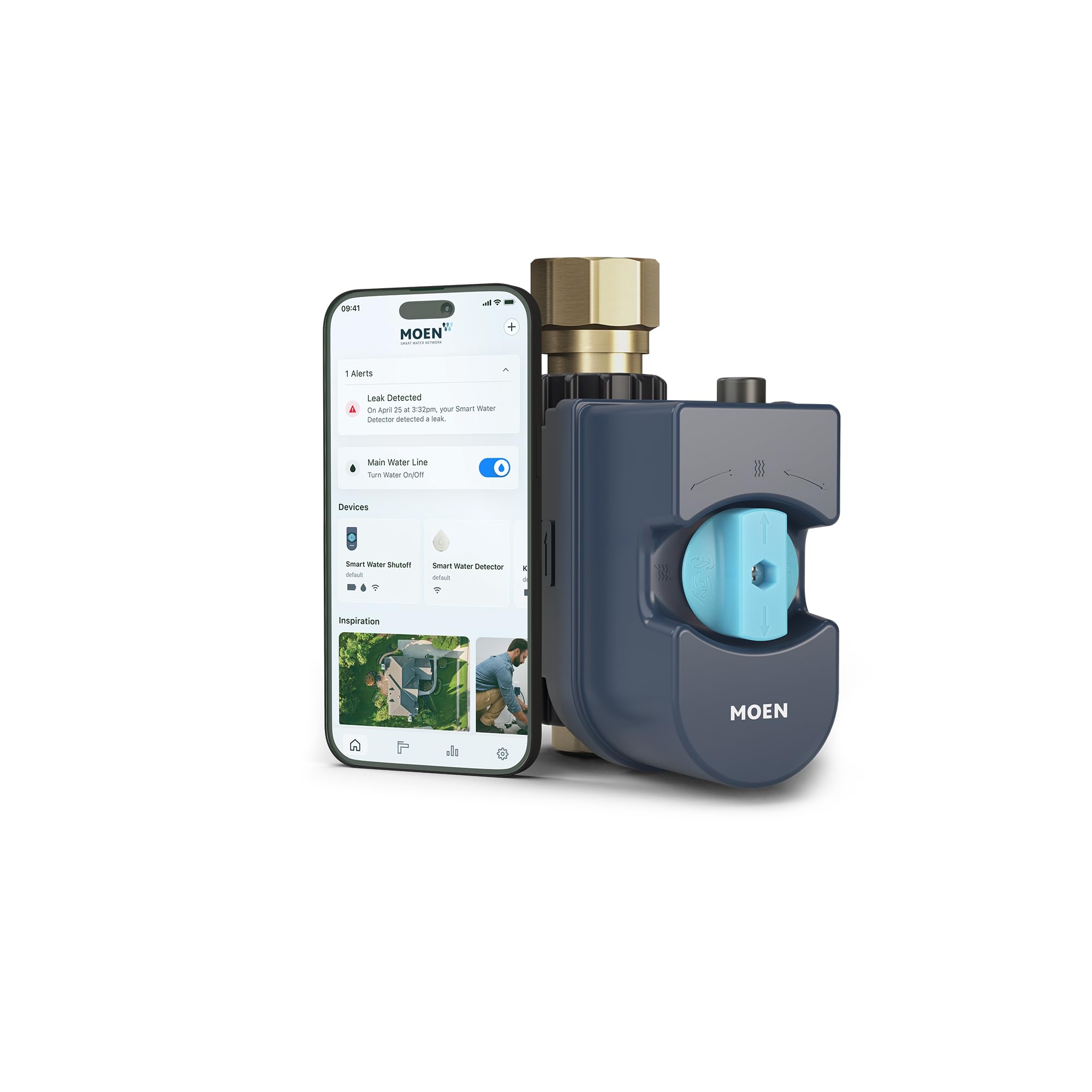
Moen Flo Smart Water Monitor and Automatic Shutoff Sensor, Wi-Fi Water Leak Detector for 3/4-Inch Diameter Pipe, 900-001 - Tub And Shower Faucets - Amazon.com
View on Amazon- Stack the easy discounts
- Common credits: Home + auto bundle, claims-free, alarm/monitored security, smart water leak sensors, new roof, fire sprinklers, HOA/gated, electronic docs, pay-in-full, and new homebuyer.
- Pro tip: Bundling can be one of the biggest levers. Always price your home with and without the auto bundle to see the true savings.
- Invest in mitigation
- Wind/hail: Impact-resistant (Class 4) shingles, fortified roofs, hurricane clips, and storm shutters.
- Wildfire: Class A fire-rated roofs, ember-resistant vents, cleared vegetation (defensible space), and noncombustible fencing near the home.
- Water: Automatic leak detection + shutoff valves, water alarms near water heaters, and upgraded supply lines.
- Why it works: Many carriers offer specific mitigation credits; in some markets, these upgrades meaningfully improve eligibility.
- Mind your claims strategy
- Consider the math: Filing multiple small claims often costs more in future premiums than it pays today. Ask your agent for a “what-if” before filing a borderline claim.
- Preventive maintenance: Replace aging water heaters, maintain roofs, and re-caulk tubs to prevent water losses—the number one source of costly claims.
- Improve credit where allowed
- Over time, better credit can mean better pricing. Even modest improvements (lower utilization, fewer late payments) may help at renewal in many states.
- Shop smarter, not just cheaper
- Compare 3–5 carriers with identical limits/deductibles. If a quote is far lower, check for coverage tradeoffs (actual cash value roof, low loss-of-use, or named-peril coverage). We keep a current view of standouts here: Best Home Insurance 2026: Top Picks, How to Choose & Get Quotes.
Compare coverage vs. price: what NOT to cut
Here’s what actually matters when choosing so you don’t chase a low premium that leaves you exposed.
Insurance for Dummies: Hungelmann, Jack
<strong>Manage life, health, and disability risks</strong> ― explore individual and group policies, understand Medicare basics, and evaluate long-term disability and long-term-care insurance ...
Check Price on AmazonDwelling coverage (Coverage A): This should reflect true rebuild cost, not market value. Underinsure this and a partial loss can turn into a financial mess. Ask for “extended replacement cost” or “guaranteed replacement cost” if available—these add a cushion if building costs spike after a storm.
Personal liability: Covers injuries or property damage you’re legally responsible for. Skimping from $300,000 down to $100,000 often saves only a few dollars a month but meaningfully increases risk. Consider $300,000–$500,000; higher if you have assets to protect.
Additional Living Expenses (ALE or Loss of Use): Pays for temporary housing if a covered loss makes your home uninhabitable. Verify limits are realistic for your area’s rent and hotel rates.
Replacement cost vs. actual cash value (ACV): Replacement cost pays to rebuild or replace new; ACV deducts depreciation. Some “cheap” policies quietly switch roofs or personal property to ACV—claims can pay far less than you expect. Ask specifically, “Is my roof covered at replacement cost or ACV?”
Water backup and service line: Often optional but crucial. Water backup covers sump or drain backups; service line covers buried utility lines on your property. These are common, not-always-included losses.
Ordinance or law: Pays the extra cost to bring an older home up to current building code after a covered loss. Without this, you could be stuck with code upgrade bills.
Want a deeper coverage refresher before you shop? Start here: What Does Home Insurance Cover?
How to shop for the cheapest policy: a step-by-step quote checklist
Make every quote comparable and you’ll instantly spot the best value.
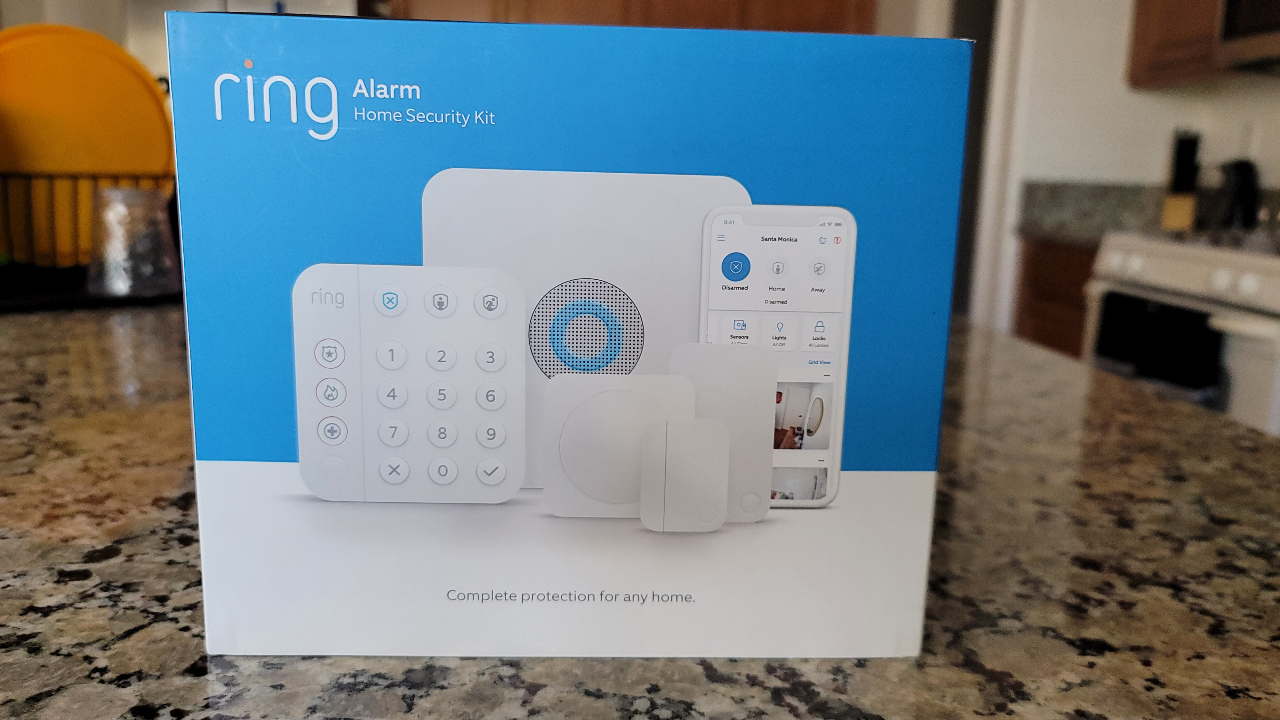
Ring Alarm 8-piece kit (2nd Gen) – home security system
View on AmazonBefore you get quotes, gather:
- Property details: Year built, square footage, roof age/material, updates to plumbing/electrical/HVAC, foundation type.
- Safety features: Monitored alarm, water leak sensors, fire sprinklers, deadbolts.
- Current policy info: Coverage A limit, other structure/personal property/ALE limits, liability limit, deductible(s), endorsements (water backup, ordinance/law).
- Claims history: Dates and types of prior claims in the last 3–5 years.
Ask each insurer or agent the same questions:
- Is the roof covered at replacement cost or actual cash value? Any age-based roof schedule?
- Are wind/hail or hurricane deductibles separate? If percentage-based, what’s the exact dollar amount?
- Is water backup included? At what limit? Is service line coverage available?
- Are there any named-peril limitations vs. open-peril coverage on the dwelling or personal property?
- What are the sublimits for jewelry, firearms, collectibles, or business property? How do I schedule valuables?
- Do I have ordinance or law coverage? At what percentage of Coverage A?
- Are there eligibility or price credits for mitigation (impact-resistant roof, storm shutters, wildfire hardening, leak shutoffs)?
- How is my dwelling limit calculated? Can I review the replacement cost valuation?
How to compare quotes fairly:
- Keep the same Coverage A, liability limit, ALE, and deductibles across quotes.
- Note any roof ACV, named-peril policies, or exclusions—those explain “too good to be true” prices.
- Consider financial strength and claims service alongside price.
When the cheapest policy is a red flag
Low price is great—unless it’s hiding gaps. Watch for these common warning signs.
- Roof ACV or age-based schedules: If your 15-year-old roof is paid at depreciated value, your claim check could be thousands less than a replacement-cost policy.
- Very high deductibles by default: A standard deductible that looks low, paired with a 2–5% wind/hail or hurricane deductible you didn’t spot, can mean big out-of-pocket costs.
- Named-peril personal property: If your belongings are only covered for listed perils (rather than broader coverage), common situations might not be covered.
- Missing basics: No water backup, low ALE, no ordinance/law—these are frequent loss drivers.
- Vague documentation: If you can’t get a full quote breakdown and specimen policy, pass.
If you’re new to home insurance and want a broader overview before choosing, here’s a helpful primer: Homeowners Insurance: A Complete Guide to Coverage, Costs & Quotes
Real-world examples: What savings can look like
Texas wind-and-hail example: A homeowner with a $1,500 deductible and a separate 2% wind/hail deductible on a $350,000 home ($7,000) raised the all-perils deductible to $2,500 and installed a Class 4 roof. Combined, the premium dropped by roughly 18%—with better roof protection.
Midwest bundle example: A 1,900 sq. ft. home in Ohio with a clean claims history saved about 12% by bundling home + auto and adding monitored water sensors for a small extra credit.
Wildfire mitigation example: In a fire-prone ZIP code, adding ember-resistant vents, clearing defensible space, and upgrading to a Class A roof made the home eligible with two additional carriers and reduced the quote spread by nearly $1,000 per year.
Your numbers will vary, but the pattern is consistent: mitigation + smart deductible + discount stacking typically does more than carrier-hopping alone.
Quick shopping checklist and next steps
Your 15-minute plan to find the best price without cutting muscle:
- Decide your minimum coverage: replacement-cost dwelling, at least $300,000–$500,000 liability, realistic ALE.
- Choose a deductible you can truly afford (and note any special storm deductibles).
- Get 3–5 quotes with identical limits and ask the coverage questions above.
- Add easy discounts (bundle, alarm, e-docs) and ask about mitigation credits.
- Review each quote’s endorsements (water backup, ordinance/law, service line).
- Pick the best value, not just the lowest sticker price.
CTA: The fastest way to see your real price is to compare personalized quotes from multiple carriers. Have your roof age, updates, and current limits ready—most quotes take under 10 minutes each.
FAQs: Cheapest homeowners insurance
Is homeowners insurance required by law?
- Not by state law in most cases, but your mortgage lender will require it. Even if you own your home outright, going without puts your finances at serious risk.
Will filing a small claim raise my premium?
- Often, yes—especially for water damage claims. Ask your agent to model the impact before you file if the loss is near your deductible.
Can I get cheap homeowners insurance with an older home?
- Usually, yes—if you update key systems. Newer roofs, modern wiring, and updated plumbing can improve eligibility and pricing.
Does a home security system really save money?
- Typically a small discount, but paired with bundle and claims-free credits, it adds up. Some carriers offer extra credits for monitored systems or smart water shutoffs.
How often should I shop?
- Annually, or sooner after big life or home changes (new roof, remodels, change in occupancy). Market conditions shift, and so do discounts.
Where can I see top carriers and what to look for?
- Start here for current picks and how to choose: Best Home Insurance 2026: Top Picks, How to Choose & Get Quotes
A quick note: For personalized advice, consult a licensed insurance agent who can consider your home, budget, and state-specific rules.
Strong next step
Ready to find your cheapest homeowners insurance without sacrificing coverage? Line up your limits and deductible, then compare quotes from 3–5 insurers side by side. Ask about roof coverage type, special deductibles, and must-have endorsements like water backup. That’s how you lock in a lower premium that still does its job when you need it.
Recommended Resources
Insurance for Dummies: Hungelmann, Jack
<strong>Manage life, health, and disability risks</strong> ― explore individual and group policies, understand Medicare basics, and evaluate long-term disability and long-term-care insurance ...
Moen Flo Smart Water Monitor and Automatic Shutoff Sensor, Wi-Fi Water Leak Detector for 3/4-Inch Diameter Pipe, 900-001 - Tub And Shower Faucets - Amazon.com
Moen Flo Smart Water Monitor and Automatic Shutoff Sensor, <strong>Wi-Fi Water Leak Detector for 3/4-Inch Diameter Pipe</strong>, 900-001 - Tub And Shower Faucets - Amazon.com
Ring Alarm 8-piece kit (2nd Gen) – home security system
<strong>24/7 Professional Monitoring</strong> If a break-in or emergency is detected, we’ll request emergency response.² <strong>24/7 Professional Monitoring</strong> · If a break-in or emergency is d
Related Articles
- Best Home Insurance 2026: Top Picks, How to Choose & Get Quotes
- Cheap Car Insurance: How to Save on Coverage & Get Fast Quotes
- Find the Cheapest Insurance Company: A Practical Guide
- How to Find Cheap Life Insurance: Smart Ways to Lower Your Premiums Without Sacrificing Coverage
- How Much Is Homeowners Insurance? Average Costs, By State & How to Save
- Must‑Ask Questions About Home Insurance: What Every Homeowner Should Ask
- Cheapest Car Insurance in Texas: Compare Rates & Get Quotes Today
- Get the Best Renters Insurance: Coverage, Costs, and Smart Savings