
Cheap Car Insurance No Deposit: Get Coverage Without an Upfront Payment
You want cheap car insurance no deposit because money is tight and you need to get on the road today. Is “no deposit” real, and how do you actually find it without getting burned by fees or bare-bones coverage you’ll regret? Here’s the straight talk on what no-deposit auto insurance really means, how insurers handle down payments, and the smartest ways to qualify.
How car insurance deposits and down payments work
Let’s decode the terms first:
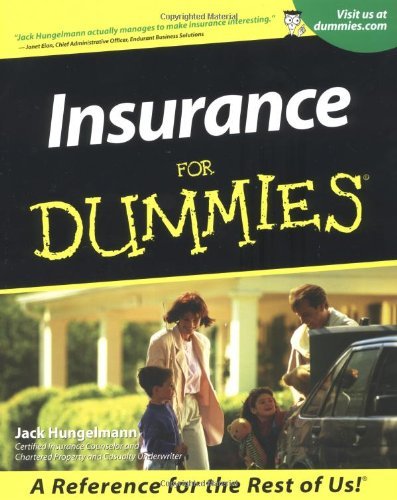
Insurance for Dummies: Hungelmann, Jack
<strong>Manage life, health, and disability risks</strong> ― explore individual and group policies, understand Medicare basics, and evaluate long-term disability and long-term-care insurance ...
Check Price on Amazon- Down payment or deposit: The amount you pay at the start of your policy to activate coverage. In most cases, this is simply your first month’s premium (the amount you pay for insurance each month). Some insurers call it a deposit, but it’s not a security deposit you’ll get back; it’s just part of your premium.
- Premium: The total cost of your policy for the term (typically 6 or 12 months). You can pay in full or in installments.
- Binder: Temporary proof of coverage issued when your policy is set up and the first payment is accepted.
What “no deposit” usually means: You start coverage with $0 due today and your first bill hits on your chosen billing date (for example, in two weeks or a month). This is not common, but it’s possible with certain billing plans, autopay enrollment, or special promotions. More often, you’ll be asked to pay the first month upfront or a small starter amount (for example, 10–20% of the term’s premium) depending on your risk profile and state billing rules.
Why many companies ask for money up front: It reduces the risk of immediate cancellation and covers the earliest days of coverage (when you could file a claim). If you’ve had a prior lapse (a break in coverage), tickets, or credit challenges, some carriers tighten their initial payment requirements.
Which insurers and products commonly allow no-deposit policies
No one carrier offers $0 down for everyone all the time. Instead, eligibility tends to come from the product type, your profile, and how you choose to pay.
You’re more likely to find no-deposit or very low-deposit options when:
- You choose monthly EFT/autopay: Setting up automatic electronic payments from a bank account can qualify you for the smallest upfront payment, and sometimes $0 today.
- You select a pay-per-mile policy: Some pay-per-mile insurers charge a low base rate monthly and then bill per mile. They may not require a large upfront payment, though device or activation fees can apply.
- You buy minimum liability coverage only: Liability-only (coverage that pays others if you cause an accident) is cheaper than full coverage. Some carriers are more flexible on the deposit for state-minimum liability policies.
- You have strong risk factors in your favor: Clean driving record, continuous prior insurance, stable address, and good payment history can unlock better billing plans.
On the other hand, you’re less likely to see a true no-deposit offer if:
- You need an SR-22 filing (a state form that proves you carry the required liability limits) after a major violation—some companies require a larger initial payment or even payment in full.
- You’ve had recent lapses or cancellations for nonpayment.
- You’re seeking full coverage (liability plus collision and comprehensive) on a newer or financed car, which is pricier overall.
State rules and when insurers can require a deposit (what to check)
Insurance is regulated state by state, and that includes billing practices. While most states allow insurers to require the first month’s premium up front, specific rules and consumer protections vary. Here’s what to check in your state:
- Installment rules and fees: Some states cap installment or billing fees. Ask the insurer to itemize all monthly fees so you can compare true costs.
- Cancellation timelines: States set minimum notice periods for cancellation due to nonpayment and may require a grace period. Know your window so you don’t end up driving uninsured.
- SR-22 requirements: If you need an SR-22, your state mandates how long it must stay on file (often 3 years). That can affect which billing plans are available to you.
- Use of credit or insurance scores: A few states limit or restrict how credit history can be used. Where allowed, lower credit often means higher premiums and may influence the initial payment required.
Pro tip: If a no-deposit ad sounds too good to be true, check the fine print—or contact your state Department of Insurance to confirm whether such billing plans are common and what protections you have.
7 proven ways to get cheap car insurance with no deposit
- Enroll in EFT/autopay and pick the right billing date
- Why it works: Many insurers offer their lowest initial payment—sometimes $0 today—if you link a bank account and accept automatic monthly drafts.
- What to do: Ask specifically for “$0 down” or “bill me on the first cycle” plans and request a billing date right after your paycheck hits.
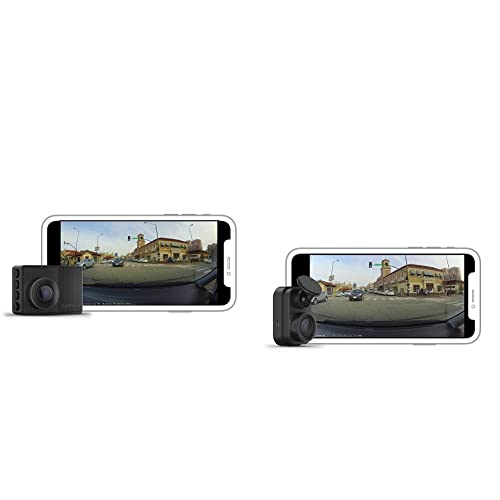
Garmin Dash Cam Mini 2, Tiny Size, 1080p and 140-degree FOV, Monitor Your Vehicle While Away w/ New Connected Features, Voice Control (Renewed) : Electronics
View on Amazon- Start with minimum liability limits (then reassess)
- Why it works: Liability-only at state minimums is typically the least expensive path to start a policy, which can also reduce the required upfront amount.
- Watch out: State minimum limits can be too low to cover a serious accident. For example, property damage minimums can be exhausted quickly by a newer vehicle. Consider raising limits when your budget allows.
- Choose a higher deductible (the amount you pay out of pocket before insurance pays)
- Why it works: A higher deductible on collision/comprehensive lowers the premium. If you’re keeping full coverage, bumping a $500 deductible to $1,000 can meaningfully cut costs.
- Watch out: Only choose a deductible you can realistically afford after a loss.
- Try a telematics or usage-based discount
- Why it works: Programs that track driving habits via an app or device often include a sign-up discount and deeper savings for safe driving (smooth braking, daytime driving, lower mileage).
- Pro tip: If you mostly drive during daylight and avoid heavy traffic, this can be a big win.
- Keep continuous coverage—even if it’s basic
- Why it works: A lapse in coverage usually raises your rate and can force a larger upfront payment. Maintaining any valid policy, even minimal, keeps your “continuous insurance” streak intact.
- Compare nonstandard and standard carriers side by side
- Why it works: Nonstandard carriers (companies that specialize in higher-risk drivers) may have more flexible billing plans, while standard carriers may be cheaper overall if your record is clean. The only way to know who will offer a no-deposit plan for your profile is to compare.
- Ask about installment and policy fees in advance
- Why it works: A $0 today plan can get more expensive than expected if there are $10–$15 monthly installment fees, paper billing charges, or broker fees. You want the lowest total cost over 6 or 12 months—not just the smallest payment today.
Looking for a quick head start on comparing? You can shop multiple companies in minutes here: Car Insurance Quotes: Compare Rates & Get Personalized Quotes Fast
What to watch for: fees, cancellation, limited coverage, and SR-22s
- Hidden fees: Ask for a breakdown of premium vs. fees (policy fee, broker fee, installment fee, SR-22 filing fee, roadside assistance add-ons). Some fees are nonrefundable if you cancel early.
- Cancellation traps: If you cancel after the first month, you typically owe for the days you were insured. Some carriers apply a short-rate cancellation penalty (a small percentage of the remaining premium). Confirm the cancellation policy before you bind coverage.
- Limited coverage risk: Going minimum liability only can leave you exposed. If you cause an accident that exceeds your limits, you are personally responsible for the rest. Balance affordability with realistic protection.
- SR-22 considerations: With an SR-22, expect fewer billing plan choices and potentially higher first payments. Ask whether the SR-22 filing fee is one-time or per term, and whether the carrier will keep the SR-22 on file automatically at renewal as long as you pay on time.
How to compare no-deposit offers the smart way
Here’s what actually matters when choosing among “no down” options:
- True cost for 6 or 12 months: Add up 6 or 12 monthly payments plus fees. A $0 start doesn’t help if the total cost is way higher.
- Billing date flexibility: Can you move the due date? Align it with payday to avoid late fees or cancellations.
- Autopay discount and requirements: Some plans require EFT from a bank account (not a card). Make sure you’re comfortable linking it.
- Claims and service: Read a few recent reviews focused on claims handling and billing errors. If something goes wrong, you want responsive support.
- Coverage basics: Confirm liability limits, any excluded drivers, and whether your car is covered for theft or crash damage (that’s collision and comprehensive).
If you want a structured way to shop side by side, try this walkthrough: Compare Car Insurance: Best Coverage and Price Today
Step-by-step: get quotes, compare offers, and bind a no-deposit policy
- Gather your details
- Drivers: Full names, dates of birth, license numbers, and any recent tickets/accidents.
- Vehicles: Year/make/model, VIN if available, mileage, and where the car is parked overnight.
- Current coverage: Your present limits and deductibles, or the date you last had insurance if you’ve had a lapse.
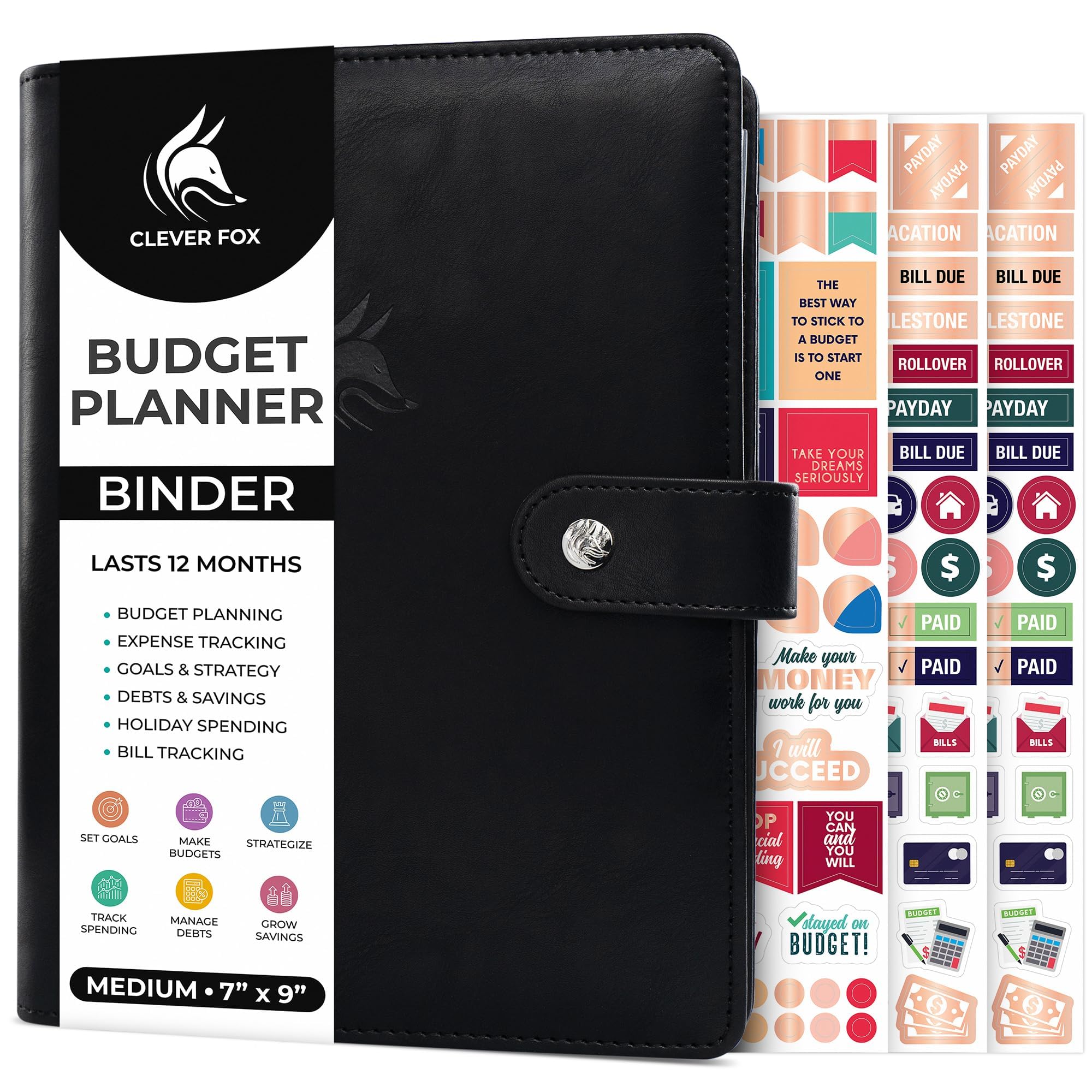
Clever Fox Budget Planner & Monthly Bill Organizer With ...
View on Amazon- Request 3–5 quotes
- Ask specifically for “no deposit” or “$0 today” billing options and monthly EFT. If the agent or site doesn’t understand, say: “What’s the lowest amount due to start coverage today?”
- Price out two coverage sets
- Option A: State-minimum liability (to minimize upfront cost).
- Option B: Higher liability limits (for better protection), plus collision/comprehensive if you need them. This shows the tradeoff in dollars—not just theory.
- Compare the full 6- or 12-month total
- Include installment, policy, and SR-22 fees if applicable. Watch for paper billing or “broker” fees in nonstandard markets.
- Select the plan and confirm the billing setup
- Choose EFT/autopay and the billing date that matches your pay cycle. If you’re using a prepaid debit card, confirm it’s allowed for recurring payments.
- Bind coverage and verify documents
- E-sign, set your effective date (often same-day), and get digital ID cards. If your state requires an SR-22, confirm the filing is submitted and ask for proof.
- Put reminders on autopilot
- Add calendar reminders for billing dates and policy renewal 30 days before it expires. Set a mileage or driving-behavior check-in if you enrolled in telematics.
Prefer working with a local agent who can hunt for $0-down billing plans? Start here: Car Insurance Near Me: Compare Local Quotes & Find Agents Fast
FAQs — common questions about no-deposit car insurance
Is “cheap car insurance no deposit” legit? Typically yes—but it’s less common than ads make it sound. In most cases, you’ll pay the first month’s premium to start. Some carriers and billing plans let you start with $0 today if you enroll in EFT and meet underwriting criteria.
Do I still pay the first month at some point? Yes. Even with a $0-today plan, your first bill will hit on the agreed date. “No deposit” just means no money due at the moment you bind.
Can I get no deposit with bad credit or a lapse? Sometimes, but it’s harder. Insurers may require a larger initial payment when they see more risk. Comparing several carriers is the best way to spot any flexible plans for your profile.
How about SR-22 drivers? Expect fewer billing options and potentially higher upfront amounts. Ask specifically which payment plans are available with an SR-22 and whether the filing fee is included.
Is no-deposit insurance more expensive overall? Not necessarily. Sometimes the total is similar; sometimes installment fees make it pricier. Always compare the full 6- or 12-month total, not just the first payment.
Can students or young drivers get $0 down? It’s possible, but young drivers usually face higher premiums, which can drive a higher initial payment. Look for good student, driver training, and telematics discounts to offset costs.
Can I cancel after the first month? You can typically cancel any time, but you’ll owe for the days you were insured and may face a short-rate penalty or nonrefundable fees. Get the cancellation terms in writing before you bind.
Do I need a bank account for no deposit? Often yes—many $0-down plans require EFT from a checking account. Some carriers allow debit cards, but make sure recurring charges are supported.
How quickly can I get coverage? Same day is common once you provide details and the payment method. If you need an SR-22, the filing can often be submitted electronically the same day.
A quick note on coverage basics (so you don’t underinsure to save a few dollars)
- Liability coverage: Pays others if you cause an accident. This is legally required in most states. Consider higher limits than the state minimum where you can.
- Collision coverage: Pays for your car’s repairs after a crash, regardless of fault, minus your deductible (the amount you pay before insurance pays).
- Comprehensive coverage: Pays for non-crash damage—theft, vandalism, hail, flood, fire, or hitting an animal—minus your deductible.
- Uninsured/underinsured motorist: Helps if the other driver doesn’t have enough insurance. In some states this is required or automatically included.
Your next step: see real numbers for your profile
The fastest way to find cheap car insurance no deposit is to compare quotes from 3–5 carriers and ask for EFT-based billing plans with the lowest amount due today. You’ll immediately see whether $0 down is available for your situation and what the total 6- or 12-month cost looks like.
- Start here to compare multiple companies side by side: Car Insurance Quotes: Compare Rates & Get Personalized Quotes Fast
If you prefer a guided conversation, a licensed agent can confirm state-specific rules and search for carriers that offer low or no upfront payments in your area.
Friendly reminder: We don’t promise eligibility or specific rates—actual costs and billing options vary by state, insurer, driving record, credit-based factors where allowed, prior insurance history, and vehicle. A quick chat with a licensed agent can help tailor coverage and billing to your budget.
Recommended Resources
Insurance for Dummies: Hungelmann, Jack
<strong>Manage life, health, and disability risks</strong> ― explore individual and group policies, understand Medicare basics, and evaluate long-term disability and long-term-care insurance ...
Garmin Dash Cam Mini 2, Tiny Size, 1080p and 140-degree FOV, Monitor Your Vehicle While Away w/ New Connected Features, Voice Control (Renewed) : Electronics
Amazon.com: Garmin Dash Cam Mini 2, <strong>Tiny Size, 1080p and 140-degree FOV, Monitor Your Vehicle While Away w/ New Connected Features, Voice Control</strong> (Renewed) : Electronics
Clever Fox Budget Planner & Monthly Bill Organizer With ...
Clever Fox Budget Planner - Expense Tracker Notebook. Monthly Budgeting Organizer, Finance Logbook & Accounts Book, Bill Tracker, A5 (Dark Green) · Clever Fox Budget Planner & Monthly Bill Org
Related Articles
- Cheap Car Insurance: How to Save on Coverage & Get Fast Quotes
- Cheapest Car Insurance in California: How to Find the Lowest Rates
- Cheapest Car Insurance in Texas: Compare Rates & Get Quotes Today
- Cheapest Car Insurance in Florida: Compare Quotes & Save
- Cheap Life Insurance for Young Adults: How to Get Affordable Coverage without Overpaying
- Best Car Insurance for New Drivers: Top Picks & How to Save
- Cheapest Car Insurance for Young Drivers: How to Cut Your Rates
- Auto Insurance for New Drivers: Coverage, Costs, and Smart Ways to Save