
Best Car Insurance for New Drivers: Top Picks & How to Save
You’re hunting for the best car insurance for new drivers and the quotes look sky-high. Is that normal, and who’s actually good for teens, students, and first-time adult drivers? Here’s what really drives the price, which insurers typically treat new drivers fairly, and how to bring the number down without cutting critical protection.
Why new drivers pay more — what insurers look at
Insurers price risk. New drivers, by definition, don’t have a long driving history, and crash data shows higher claim frequency and severity in the first few years behind the wheel. That’s the core reason the best car insurance for new drivers still costs more than for experienced drivers.
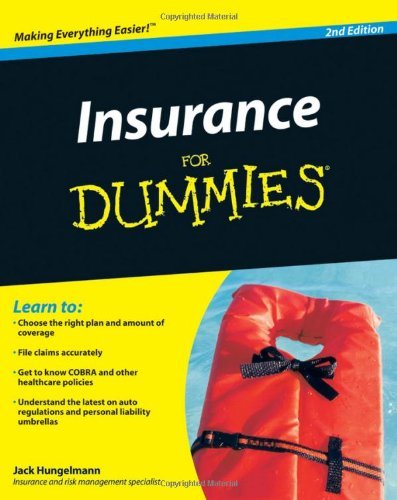
Insurance For Dummies?: Hungelmann, Jack
Whether you’re a homeowner or ... need on: ... Author Jack Hungelmann <strong>uses his twenty-five years of experience in the insurance industry to make buying insurance as simple as possible</strong>
Check Price on AmazonCommon rating factors that impact new-driver premiums:
- Driving experience: Fewer years licensed generally equals higher risk (and higher price).
- Age: Teen drivers typically pay the most; rates often improve at 21 and again around 25 with a clean record.
- Vehicle: High-horsepower or expensive-to-repair cars cost more to insure. A safe, modest sedan can shave hundreds per year.
- Location: Urban areas with more accidents and thefts usually mean higher premiums; rates vary by state and even ZIP code.
- Coverage and deductibles: Higher liability limits and adding collision (pays to fix your car after an at-fault crash) and comprehensive (covers non-crash damage like theft, hail, deer) raise costs. A higher deductible (the amount you pay out of pocket before insurance kicks in) lowers the premium.
- Credit/insurance score (where allowed): In many states, insurers use a credit-based insurance score; new or poor credit can push rates up. Some states limit or prohibit credit use.
- Household and policy structure: Adding a teen to a family policy is typically cheaper than a separate policy. Multi-car and multi-policy discounts can meaningfully reduce costs.
- Telematics driving data: Usage-based programs track driving via app or device. Safe habits can earn sizable discounts; risky habits can reduce or eliminate the savings, and in some programs may raise rates at renewal.
Real-world ballparks (your numbers will vary):
- Adding a 17-year-old with a clean record to a family full-coverage policy can raise the total premium by 50%–150% in many states.
- A 25-year-old first-time driver with no violations and a sensible car might see $1,300–$2,500 per year for full coverage, depending on state and coverage choices.
Best car insurance for new drivers: top picks for 2026
No single company is cheapest for everyone. Availability, state laws, and underwriting appetite all matter. Based on multi-year pricing patterns, discount programs, and young-driver features, these carriers are often competitive for new drivers. Always compare at least 3–5 quotes.
State Farm — strong for teens and young adults
- Why it’s often a good fit: Competitive pricing in many states, generous young-driver discounts, robust agent network.
- Standout features: Steer Clear (safe driving program for under-25 drivers), good student discount, driver training discount.
- Keep in mind: Pricing varies widely by state; telematics savings depend on actual driving.
GEICO — often low rates and easy online management
- Why it’s often a good fit: Consistently competitive for adding a teen to a family policy; straightforward online tools.
- Standout features: DriveEasy telematics for potential savings; wide discount menu including multi-car and vehicle safety.
- Keep in mind: Limited local agent support in some areas.
Progressive — flexible pricing and robust telematics
- Why it’s often a good fit: Snapshot telematics can reward safe habits; accident forgiveness options.
- Standout features: Name Your Price tool to tailor coverage; solid digital experience.
- Keep in mind: Snapshot results vary; risky driving can reduce the discount.
Nationwide — great for students and low-mileage drivers
- Why it’s often a good fit: SmartRide telematics and SmartMiles pay-per-mile can benefit students who drive less.
- Standout features: Vanishing Deductible option; broad discount list.
- Keep in mind: Pay-per-mile programs may not be available in every state.
Travelers — strong bundling and new-car perks
- Why it’s often a good fit: Multi-policy and multi-car discounts can offset new-driver surcharges.
- Standout features: New car replacement and accident forgiveness options in many states.
- Keep in mind: Features and availability vary by state.
USAA — top choice for military families (if eligible)
- Why it’s often a good fit: Historically strong prices and service for active, retired military and their families.
- Standout features: Youthful driver discount programs; broad military-specific support.
- Keep in mind: Eligibility restricted to military members and qualifying family.
Erie — excellent regional value (where available)
- Why it’s often a good fit: Competitive rates and strong customer satisfaction in its footprint.
- Standout features: Rate Lock feature in many states; first-accident forgiveness options.
- Keep in mind: Limited state availability; must work with an Erie agent.
American Family — helpful for families with teens
- Why it’s often a good fit: Family-friendly discounts and a strong agent network.
- Standout features: Teen Safe Driver program; loyalty and bundling discounts.
- Keep in mind: Availability by state; pricing competitiveness varies.
Allstate — broad availability and discount stack
- Why it’s often a good fit: Drivewise telematics and Safe Driving Bonus options.
- Standout features: New-car replacement options; strong digital app.
- Keep in mind: Not always the cheapest; savings depend on discount stacking.
Regional carriers (Mercury, Auto-Owners, MAPFRE, NJM, The Hanover, etc.)
- Why they can be a sleeper pick: In certain states, regional insurers beat nationals for new drivers due to localized underwriting.
- Keep in mind: Always include at least one regional carrier in your quote set if available in your ZIP.
Tip: Every company has an appetite. If one carrier is punishingly high for your profile, another may be far lower. That’s why shopping around is non-negotiable for new drivers.
How we picked these insurers — methodology and eligibility notes
Our picks are based on multi-year pricing patterns and program features that matter to new drivers, including:
- Rate competitiveness for teens, students, and first-time adult drivers based on publicly available filings and aggregated quote sampling across multiple states.
- Discount depth (good student, multi-vehicle, multi-policy, driver training, telematics) and the ease of qualifying.
- Young-driver programs (e.g., Steer Clear, Snapshot, SmartRide) and the maturity of telematics platforms.
- Claims handling reputation and complaint levels, drawing on recent public complaint data and widely reported consumer satisfaction studies.
- Financial strength (the company’s ability to pay claims) based on independent rating agencies.
Eligibility notes and caveats:
- Not all programs or discounts are offered in every state. Insurers file rates and rules by state, and they change.
- Telematics programs can both raise or lower what you pay at renewal, depending on your driving behavior and the insurer’s rules.
- Military-only eligibility (USAA) applies; regional carriers may not operate in your state.
Because actual premiums are highly individualized, the fastest way to see what you would actually pay is to compare real quotes side by side. You can start here: Car Insurance Quotes: Compare Rates & Get Personalized Quotes Fast.
Essential coverages and recommended limits for new drivers
Cutting coverage to the legal minimum can be a costly mistake. New drivers are more likely to have a claim, so the right protection matters.
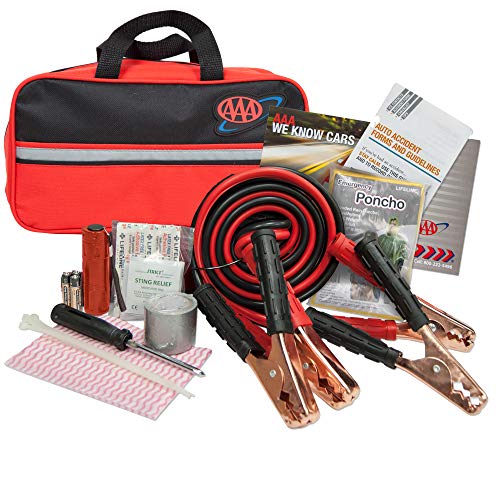
Lifeline AAA Premium Road Kit, 42 Piece Emergency Car Kit with Jumper Cables, Flashlight and First Aid Kit,4330AAA,Black : Everything Else
View on AmazonCore coverages to understand (and how much to consider):
- Bodily injury liability (pays for injuries you cause to others): Consider at least $100,000 per person / $300,000 per accident, often written as 100/300. Many families opt for 250/500 for more cushion.
- Property damage liability (pays for damage you cause to others’ property): Consider $100,000 or higher. New vehicles and infrastructure are expensive to fix.
- Uninsured/underinsured motorist, UM/UIM (covers you if the at-fault driver has no or too little insurance): Aim to match your liability limits where available. This protects your medical costs and, in some states, pain-and-suffering damages.
- Collision (fixes your car after an at-fault crash or if you hit an object): Recommended for newer or financed vehicles. Choose a deductible you can cover tomorrow (commonly $500–$1,000).
- Comprehensive (non-crash damage — theft, hail, fire, vandalism, animal strike): Pair with collision; same deductible logic.
- Medical payments (MedPay) or personal injury protection (PIP): Helps pay medical bills for you and passengers, regardless of fault. PIP is required in many no-fault states.
- Roadside assistance and rental reimbursement: Inexpensive add-ons that can save stress if a new driver’s car is in the shop after a claim.
If you’re new to these terms, this refresher helps: Understanding Auto Insurance Coverage Types.
Recommended setup example for a teen on the family policy:
- Liability: 250/500/100 (or at least 100/300/100)
- UM/UIM: Match liability
- Comp/collision: Deductible $500–$1,000 on the teen’s primary vehicle
- PIP/MedPay: Follow your state’s norms and health insurance situation
- Add-ons: Roadside, rental reimbursement
Discounts and money-saving strategies that actually work
Stacking the right discounts can make a big dent in the price of the best car insurance for new drivers. Ask about:
- Good student: Usually for GPA of 3.0/B average or better; provide transcripts each renewal.
- Driver training: State-approved defensive driving or young-driver education can reduce premiums.
- Telematics/programs: Safe-driving apps or devices that track braking, speed, time of day; safe habits can earn 10%–30%+ in potential savings with some carriers.
- Multi-car and multi-policy: Add all vehicles and bundle with home or renters for bigger percentage-offs.
- Student away at school: If the student is 100+ miles from home without a car (distance varies by insurer), premiums on that driver may drop.
- Vehicle choice: A safe, moderately priced car with strong safety ratings and lower repair costs is the cheapest to insure.
- Pay-in-full and autopay: Small but easy savings; also ask about paperless billing.
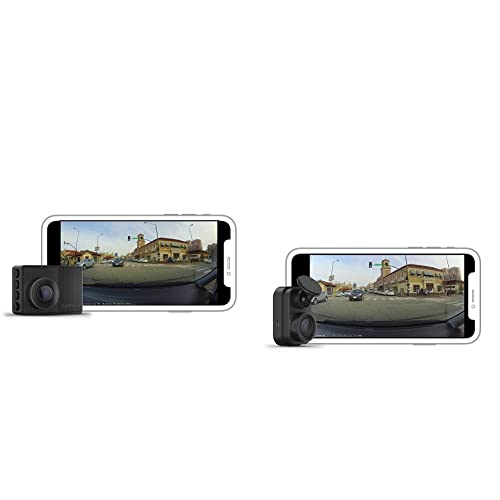
Garmin Dash Cam Mini 2, Tiny Size, 1080p and 140-degree FOV, Monitor Your Vehicle While Away w/ New Connected Features, Voice Control (Renewed) : Electronics
View on AmazonWant a dedicated breakdown of common discounts and how to qualify? See: Insurance Discounts for Safe Drivers: Types, Eligibility & How to Maximize Your Savings.
Quick scenario: A family in Ohio adds a 17-year-old to a 2016 Accord. By choosing 250/500/100 liability, $500 deductibles, enrolling the teen in State-approved driver ed, submitting a B+ transcript, and activating telematics, they saw quotes vary by more than $2,000 between carriers — with the best offers stacking 20%+ in combined discounts. Your numbers will differ, but the strategy is the same.
How to compare quotes — a step-by-step checklist
A clean comparison beats guesswork. Here’s how to shop smart:
- Decide on coverage first
- Set the same liability limits, deductibles, and add-ons for every quote so you’re comparing apples to apples.
- Gather your details
- Driver info: Full names, dates of birth, license numbers, years licensed, driver training certificates, student status/GPA.
- Vehicle info: VIN, mileage, safety features, who primarily drives which car.
- Driving history: Accidents, tickets, claims for the past 3–5 years.
- Quote 3–5 carriers (at least one regional)
- Include a telematics option if you’re open to it.
- Consider bundling home or renters to test the package discount.
- Ask smart questions
- How do your telematics discounts work? Can rates go up, or only down? What data do you collect and how is it used?
- What happens to my price if my teen completes driver ed or their GPA changes?
- Is accident forgiveness included? After how many years? Does it apply to youthful drivers?
- Are there monthly installment or paper billing fees? Any early cancellation penalties?
- Do you offer distant-student discounts? What distance qualifies?
- If we buy a newer car this year, how would new car replacement or gap coverage work?
- Look past the first-year teaser
- Does the quote include an introductory discount that goes away at renewal?
- What is the company’s average rate change trend in your state over the last year?
- Verify service and claims support
- Check financial strength ratings and state complaint data. If you value local advice, confirm there’s a nearby agent.
When you’re ready, you can compare multiple options here: Compare Car Insurance: Best Coverage and Price Today or jump straight to quick quotes: Car Insurance Quotes: Compare Rates & Get Personalized Quotes Fast.
State minimums and teen driver rules — what varies by state
Two big things differ by state: legal minimum insurance and teen licensing rules.
- State minimum liability limits: Every state sets required liability limits, often too low to cover a serious crash. Examples you’ll see: 25/50/25, 30/60/25, or 50/100/50. These numbers are the thousands of dollars for bodily injury per person, bodily injury per accident, and property damage per accident. Many households choose higher limits for real protection.
- No-fault/PIP states: In some states, personal injury protection (PIP) is required and pays medical bills regardless of fault.
- Uninsured motorist: Some states require UM/UIM; others make it optional. Opting in is wise in areas with high uninsured rates.
- Graduated Driver Licensing (GDL): Teen drivers usually face nighttime driving curfews, passenger limits, and extended learner periods. Completing driver ed can unlock earlier licensure or discounts in some states.
- Title and policy decisions: Titling the car in a teen’s name and placing them on a standalone policy is typically more expensive than adding them to a parent’s policy. Insurers often require listing all household drivers.
Where to verify: Your state Department of Motor Vehicles (DMV) and Department of Insurance post current minimums, GDL stages, and insurance rules. Laws and filings change often, so check before you buy or renew.
Quick checklist for new-driver insurance
- Pick a safe, affordable-to-insure car; avoid high-performance models.
- Choose meaningful liability limits (aim for at least 100/300/100; higher if you can).
- Match UM/UIM to your liability limits where available.
- Add comp/collision for newer or financed cars; set a deductible you can truly afford.
- Stack discounts: good student, driver training, telematics, multi-car, multi-policy.
- Compare quotes from at least 3–5 insurers, including one regional.
- Re-shop at each renewal or after milestones (turning 18, 21, 25; completing driver ed; GPA changes; moving).
FAQ
Q: What documents do I need to get quotes? A: Driver’s license numbers, dates first licensed, VINs for each car, current odometer, garaging address, prior insurance details (if any), and any driver ed or good student proof.
Q: Should I put my teen on their own policy? A: In most cases, keeping a teen on the family policy is cheaper because you can share multi-car and multi-policy discounts. A separate policy may make sense if ownership or household circumstances require it, but expect higher pricing.
Q: When should I raise coverage limits? A: For new drivers, starting at 100/300/100 (or higher) is usually smarter than bare minimums. Increase limits if you add assets (a new car, savings) or if driving exposure grows (longer commute, more highway miles).
Q: Does credit matter? A: In many states, insurers use a credit-based insurance score. New or poor credit can raise rates. Some states restrict or prohibit using credit — check your state’s rules. Either way, safe driving and discount stacking still move the needle.
Q: When will the price drop? A: Many drivers see improvements at 21 and again around 25 with a clean record, but there are no guarantees. Mileage, claims, violations, and state-level rate changes also affect your price.
Q: What is an SR-22 and do we need one? A: An SR-22 is a form an insurer files with the state to prove you carry minimum required coverage, usually after serious violations. Most new drivers do not need an SR-22 unless a court or DMV requires it.
Ready to see real numbers for your household? The fastest way to find the best car insurance for new drivers at a fair price is to compare live quotes side by side: Car Insurance Quotes: Compare Rates & Get Personalized Quotes Fast.
Note: This guide offers general education. For personalized advice, speak with a licensed agent who can account for your specific state rules, vehicle, and driving history.
Recommended Resources
Insurance For Dummies?: Hungelmann, Jack
Whether you’re a homeowner or ... need on: ... Author Jack Hungelmann <strong>uses his twenty-five years of experience in the insurance industry to make buying insurance as simple as possible</strong>
Garmin Dash Cam Mini 2, Tiny Size, 1080p and 140-degree FOV, Monitor Your Vehicle While Away w/ New Connected Features, Voice Control (Renewed) : Electronics
Amazon.com: Garmin Dash Cam Mini 2, <strong>Tiny Size, 1080p and 140-degree FOV, Monitor Your Vehicle While Away w/ New Connected Features, Voice Control</strong> (Renewed) : Electronics
Lifeline AAA Premium Road Kit, 42 Piece Emergency Car Kit with Jumper Cables, Flashlight and First Aid Kit,4330AAA,Black : Everything Else
Amazon.com: <strong>Lifeline AAA Premium Road Kit</strong>, 42 Piece Emergency Car Kit with Jumper Cables, Flashlight and First Aid Kit,4330AAA,Black : Everything Else
Related Articles
- Auto Insurance for New Drivers: Coverage, Costs, and Smart Ways to Save
- Cheapest Car Insurance for Young Drivers: How to Cut Your Rates
- Car Insurance for 18-Year-Olds: Costs, Discounts & How to Get Quotes
- Affordable Car Insurance for Young Adults: Practical Ways to Lower Your Premiums
- Best Car Insurance for New Cars: Coverage Priorities, Top Policy Features, and Money-Saving Tips
- Best Car Insurance Options for Families: Coverage, Savings, and Top Picks
- Auto Insurance for High‑Risk Drivers: Finding Coverage, Cutting Costs, and Rebuilding Your Record
- Auto Insurance Quotes: Compare Rates & Get a Fast Free Quote