
Auto Insurance for New Drivers: Coverage, Costs, and Smart Ways to Save
You just got licensed (or you’re about to), and the quotes look…big. Totally normal. Auto insurance for new drivers is almost always pricier at first because insurers don’t have much of a driving record to go on. The good news: you can still get solid protection and keep costs in check. This guide breaks down the coverage you actually need, what drives your price, and proven ways to save—plus how to shop without getting tripped up.
What New Drivers Need: Required and Recommended Coverage
Let’s start with what the law requires and what’s smart to add. Requirements vary by state, but here’s the practical breakdown for auto insurance for new drivers.
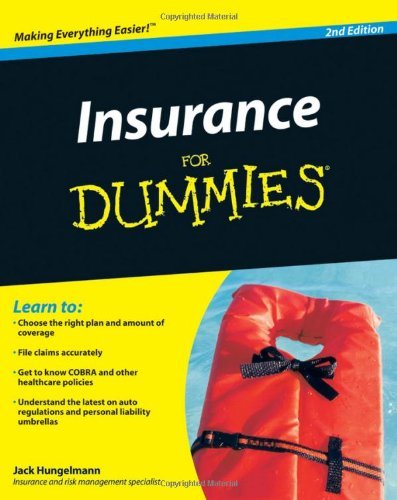
Insurance For Dummies?: Hungelmann, Jack
Whether you’re a homeowner or ... need on: ... Author Jack Hungelmann <strong>uses his twenty-five years of experience in the insurance industry to make buying insurance as simple as possible</strong>
Check Price on AmazonState minimum liability (required in most states)
- Bodily injury liability (BI): Pays for injuries you cause to others. It’s shown as per-person/per-accident limits, like $50,000/$100,000.
- Property damage liability (PD): Pays for damage you cause to someone else’s car or property, like a fence or mailbox.
Liability coverage only pays others, not you. State minimums are often low (think $25,000 for injuries per person in some states). One moderate crash can easily exceed that. New drivers should strongly consider higher limits, like $100,000/$300,000 for BI and $50,000–$100,000 for PD, depending on your budget.
Tip: “Full coverage” isn’t a policy type; it’s a nickname for liability plus collision and comprehensive. Always check the actual coverages and amounts.
Collision and comprehensive (recommended if you own or finance newer cars)
- Collision: Pays to repair your car after a crash, regardless of fault. Has a deductible (the amount you pay out of pocket before insurance pays), commonly $500–$1,000.
- Comprehensive: Pays for non-crash damage—theft, vandalism, fire, hail, falling objects, and animal strikes. Also has a deductible.
If you finance or lease, your lender typically requires both. Even if you own the car outright, these are worth considering for anything with meaningful value.
Uninsured/underinsured motorist (UM/UIM)
UM/UIM pays for your injuries (and sometimes your car, depending on the state) if a driver who hits you has no insurance or too little. In many states, UM/UIM mirrors your liability limits. Given how many drivers carry low limits, new drivers should strongly consider it.
Personal injury protection (PIP) or medical payments (MedPay)
- PIP: Covers your medical bills and often lost wages, regardless of fault. Required in no-fault states; optional elsewhere.
- MedPay: A simpler version that covers medical bills up to a set limit, regardless of fault, usually without wage coverage.
If your state offers PIP/MedPay, these can help keep surprise medical bills from derailing your budget.
Helpful add-ons (optional)
- Rental reimbursement: Pays for a rental car while yours is in the shop after a covered claim.
- Roadside assistance: Towing, jump starts, lockouts—handy for new drivers.
- GAP coverage: If you total a financed or leased car, GAP (Guaranteed Asset Protection) pays the difference between what you owe and the car’s actual cash value. Often smart for low down payments or fast-depreciating cars.
- New car replacement or better car replacement: Some insurers offer to replace with a comparable new or newer model after a total loss, typically for newer cars.
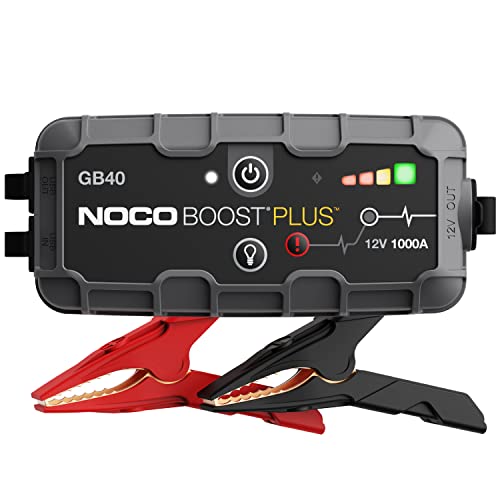
NOCO Boost GB40: 1000A UltraSafe Jump Starter – 12V ...
View on AmazonWhat to look for when picking coverage
- Liability limits high enough to protect savings and wages
- Collision/comprehensive with deductibles you can truly afford today
- UM/UIM that matches your liability where possible
- PIP/MedPay that aligns with your health insurance gaps
- Add-ons that fit your real-world needs (e.g., a long commute might justify rental reimbursement)
How Insurers Price New Drivers
Insurers use detailed risk models. Being newly licensed bumps risk up at first, then prices generally fall as you build a safe track record. Here are the big factors for auto insurance for new drivers.
Key pricing factors
- Age and years licensed: Teens and anyone newly licensed (even at 25 or 35) typically pay more until they establish a clean history.
- Location: Rates vary widely by state and even ZIP code due to traffic density, accident frequency, litigation trends, and theft rates.
- Vehicle: Repair costs, safety ratings, engine size, and theft likelihood matter. A modest sedan usually costs less to insure than a sporty model.
- Driving history: Tickets and at-fault accidents raise rates; a clean record helps over time.
- Credit-based insurance score (in most states): Better credit is generally associated with fewer claims, so it can lower premiums. Some states restrict or prohibit its use.
- Mileage and use: Long commutes, rideshare, or delivery use typically cost more than low-mileage personal use.
- Prior insurance/continuous coverage: Gaps in coverage can increase rates. Insurers often price more favorably after 6–12 months of continuous, clean driving.
Typical premium ranges (very rough, for orientation only)
Actual prices vary widely by state, insurer, and your specifics. But here’s how scenarios often shake out:
- 17-year-old added to a parent’s policy: It’s common for the household’s total premium to rise by $1,500–$3,000 per year, depending on state, vehicle, and discounts. Buying a separate solo policy at 17 can be much higher.
- 20-year-old with a clean record, driving a 2015 Toyota Corolla in Texas: You might see ballpark quotes in the $160–$300/month range for liability plus collision/comprehensive, but rates vary.
- 30-year-old new to the U.S. with a fresh state license: Even with years of overseas driving, U.S. insurers often rate you as newly licensed. Depending on the state and car, $150–$280/month for broad coverage is not unusual early on.
These are not guarantees—just directional. The fastest way to see your real number is to compare quotes from 3–5 carriers.
Smart Ways New Drivers Can Lower Premiums
You can’t change your age, but you have more control than you think. Here are strategies that typically help.
Join a parent’s policy vs. buying solo
- Adding a teen or young adult to a parent’s policy is usually cheaper than a separate policy because it leverages the household’s existing discounts and driving history.
- All household drivers should be listed. Omitting a regular driver can lead to denied claims or policy cancellation.
- If you live away at college without a car, ask about a “student away” discount.
For carrier recommendations tailored to first-time drivers, see our picks in Best Car Insurance for New Drivers: Top Picks & How to Save (/auto-insurance/best-car-insurance-new-drivers-top-picks-save).
Use every relevant discount
- Good student: Typically for a B average (3.0 GPA) or better.
- Driver education/defensive driving: An approved course can trim rates in many states.
- Student away at school: If you’re over 100 miles from home without a car, some insurers reduce your rate.
- Multi-car and multi-policy (bundling): Insure more than one car or combine auto with renters/home for a discount.
- Safe driver/accident-free: Kicks in after you build clean time with the insurer.
Want a deeper dive into discount types and eligibility? See Insurance Discounts for Safe Drivers: Types, Eligibility & How to Maximize Your Savings (/auto-insurance/insurance-discounts-safe-drivers).
Try telematics or usage-based programs
Telematics tracks driving behavior via an app or device—things like hard braking, phone handling, time of day, and miles. Safe habits can earn sizable discounts over time. A few tips:
- Understand how your insurer measures behavior and whether surcharges are possible in your state.
- Install and activate promptly after purchase; some discounts start only after data collection.

iOttie Easy One Touch Signature Dashboard & Windshield Universal Car Mount Phone Holder Desk Stand with Suction Cup Base and Telescopic Arm for iPhone, Samsung, Google, More Smartphones : Cell Phones & Accessories
View on AmazonChoose the right vehicle
- Favor cars with strong safety ratings, widespread/affordable parts, and lower theft rates.
- Avoid high-horsepower or heavily modified vehicles as a first car—they typically cost more to insure.
Adjust deductibles carefully
Raising your collision/comprehensive deductibles (the amount you pay before insurance pays) usually lowers your premium. Just make sure you can comfortably pay that amount out of pocket the day after a claim.
Mind your credit and coverage continuity
- In most states, improving your credit profile can help over time.
- Keep continuous coverage. Even a short lapse can increase your next rate.
Billing choices that can help
- Pay-in-full, autopay, paperless delivery, and early shopping (quoting 7–10 days before your start date) may earn small discounts with some insurers.
If you’re in your late teens or 20s and shopping solo, you might also like Affordable Car Insurance for Young Adults: Practical Ways to Lower Your Premiums (/auto-insurance/affordable-car-insurance-young-adults-lower-premiums).
Call to action: The fastest way to see what you’d actually pay is to compare side-by-side quotes. Start here: Car Insurance Quotes: Compare Rates & Get Personalized Quotes Fast (/auto-insurance/car-insurance-quotes-compare-rates).
How to Shop and Buy Like a Pro
A little prep work saves hours and dollars.
What to gather before you quote
- Driver info: Full names, dates of birth, license numbers, and years licensed for all household drivers
- Vehicle info: VINs (17-digit vehicle ID numbers), mileage, safety features, lienholder/lease info
- Driving history: Dates/details for tickets, accidents, or claims in the past 3–5 years
- Garaging address: Where each car is kept overnight
- Current policy declarations page (if any): Shows your existing coverages and limits
- Estimated annual mileage and use (commuting, pleasure, business)
How to compare quotes “apples to apples”
Standardize these items across all quotes:
- Liability limits: For example, $100,000/$300,000 BI and $100,000 PD
- UM/UIM: Match your liability where available
- PIP/MedPay: Match the same limits across carriers
- Collision/comprehensive deductibles: For example, $500/$500 or $1,000/$1,000
- Add-ons: Decide upfront on rental reimbursement, roadside, GAP, etc.
If one quote looks cheaper, check for missing coverages, lower limits, or higher deductibles before assuming it’s the best deal.
What to disclose (honestly) during quoting
- All household drivers, including roommates or family members who might regularly drive
- Tickets/accidents/claims in the lookback period
- Where the car really sleeps (your garaging address)
- True usage: commute distance, rideshare or delivery work, business use, and annual mileage
- Vehicle modifications or performance upgrades
Misrepresentation can lead to denied claims or policy cancellation—and being labeled high risk, which raises your next price.
Questions to ask an agent or rep
- Which discounts am I missing today, and what can I qualify for in 6–12 months?
- How does your telematics program work, and can it increase my rate?
- Do you offer accident forgiveness or small-claim waivers, and when do they apply?
- What are the rental reimbursement limits and daily caps? Any waiting periods?
- If I finance/lease, do I need GAP here or through the lender? Which is cheaper?
- Do you surcharge for young drivers on performance cars or certain trims?
- Are windshield/glass claims subject to the deductible in my state?
- If I study away from home, how do I keep the “student away” discount active?
- Can you use a foreign driving record to help rating if I’m new to the U.S.?
After you buy: next steps
- Get your ID cards: Digital and paper. Keep a copy in the glovebox and on your phone.
- Review your declarations page: Confirm drivers, vehicles, coverages, deductibles, and discounts are correct.
- Lienholder listed: Ensure your lender/lessor is shown correctly if you finance/lease.
- Install telematics: Many carriers require activation within a set window for discounts.
- Cancel the old policy (if replacing one): Only after the new policy is active to avoid a lapse.
- Save your agent’s contact and claims number in your phone.
Common Pitfalls and Quick FAQs
- Is a learner’s permit covered? Typically yes, if the permitted driver is listed in the household and using a properly insured car, but rules vary by state and insurer. Ask your carrier when the permit holder must be added as a rated driver.
- Should I buy minimum limits? You can legally, but one moderate accident can exceed them fast. Many families choose higher limits for peace of mind, especially with new drivers.
- Can I get insurance without my own car? Yes, a non-owner policy can provide liability coverage when you drive borrowed or rented cars. It doesn’t include collision for a car you don’t own.
- Is it okay to use a parent’s address if I live elsewhere? No. Always use the true garaging address. Using the wrong address can cause claim issues.
- High deductibles to cut the price—smart? Only if you can cover that amount today. A $1,000 deductible you can’t pay delays repairs.
- Will one ticket ruin my rate? It may increase it, but many insurers weigh severity, your age, and overall record. Telematics and safe driving can help earn back discounts over time.
What to Look For When Comparing Policies
- Transparent pricing and clear explanations of surcharges or fees
- Easy-to-earn discounts for new drivers (good student, driver training, telematics)
- Strong claims reputation and 24/7 support
- Repair flexibility: choice of body shops and OEM vs. aftermarket parts policies
- Rental and roadside limits that match your real needs
- Flexibility to adjust deductibles and coverages as you gain experience and your rate improves
Ready to See Your Real Price?
Quotes for auto insurance for new drivers are all over the map. Comparing a few carriers is the surest way to find a good rate for your situation. Get multiple estimates in minutes: Car Insurance Quotes: Compare Rates & Get Personalized Quotes Fast (/auto-insurance/car-insurance-quotes-compare-rates).
A quick note: This guide is general education. For advice specific to your situation, talk with a licensed insurance agent who understands your state’s rules and your budget.
Recommended Resources
Insurance For Dummies?: Hungelmann, Jack
Whether you’re a homeowner or ... need on: ... Author Jack Hungelmann <strong>uses his twenty-five years of experience in the insurance industry to make buying insurance as simple as possible</strong>
NOCO Boost GB40: 1000A UltraSafe Jump Starter – 12V ...
Find portable jump starters for emergency preparedness. Browse options with intelligent protection systems and extended battery life.
iOttie Easy One Touch Signature Dashboard & Windshield Universal Car Mount Phone Holder Desk Stand with Suction Cup Base and Telescopic Arm for iPhone, Samsung, Google, More Smartphones : Cell Phones & Accessories
The Easy One Touch 5 Dash and Windshield Mount is <strong>the next generation top car mount in the U.S.</strong> Featuring the Patented Easy One Touch Mechanism, you can lock and release smartphones q
Related Articles
- Best Car Insurance for New Drivers: Top Picks & How to Save
- Car Insurance for 18-Year-Olds: Costs, Discounts & How to Get Quotes
- Cheapest Car Insurance for Young Drivers: How to Cut Your Rates
- Affordable Car Insurance for Young Adults: Practical Ways to Lower Your Premiums
- Auto Insurance for High‑Risk Drivers: Finding Coverage, Cutting Costs, and Rebuilding Your Record
- Best Car Insurance for New Cars: Coverage Priorities, Top Policy Features, and Money-Saving Tips
- Auto Insurance in New York: Rates, Requirements & How to Save
- Auto Insurance Quotes: Compare Rates & Get a Fast Free Quote