
Best Car Insurance for New Cars: Coverage Priorities, Top Policy Features, and Money-Saving Tips
You just bought a new car and want it protected from day one — but what’s the best car insurance for new cars, and which add-ons are actually worth it? If you’re wondering whether you need gap coverage, new-car replacement, or OEM parts guarantees (and what any of that means), you’re in the right place.
Below, we’ll break down the must-have coverages, policy features that matter for brand-new vehicles, what truly drives your premium, and exactly how to compare quotes the smart way.
The best car insurance for new cars: essential coverages and recommended limits
A new vehicle deserves more than bare-minimum coverage. Here’s what to prioritize and why, with plain-English definitions.
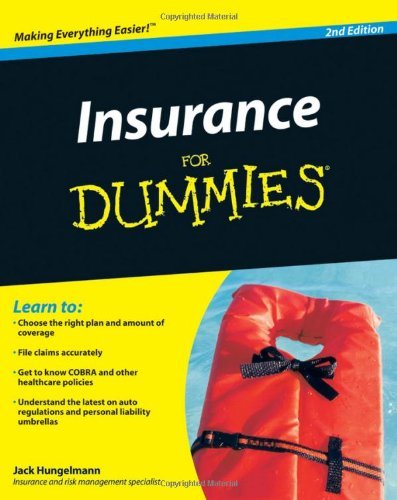
Insurance For Dummies?: Hungelmann, Jack
Whether you’re a homeowner or ... need on: ... Author Jack Hungelmann <strong>uses his twenty-five years of experience in the insurance industry to make buying insurance as simple as possible</strong>
Check Price on AmazonLiability coverage (BI/PD)
- What it is: Liability covers the other party when you’re at fault. Bodily injury (BI) pays for injuries you cause to others. Property damage (PD) pays for damage you cause to another person’s car or property.
- Why it matters for new cars: A serious crash can easily exceed low state minimums. If your limits run out, you pay the rest out of pocket.
- Recommended limits: In most cases, aim for at least $100,000 per person/$300,000 per accident for bodily injury and $100,000 for property damage (often written as 100/300/100). Many homeowners carry $250/500/100 or higher for extra protection. Your state minimums may be far lower, but those are rarely sufficient.
Example: If you cause a multi-vehicle crash and total a luxury SUV, $25,000 of PD (a common minimum) won’t cover it. The difference comes from you.
Collision coverage
- What it is: Collision pays to repair or replace your car after a crash with another vehicle or object, regardless of fault, minus your deductible (the amount you pay out of pocket before insurance applies).
- For new cars: Essential — and required by lenders if you have a loan or lease. Typical deductibles range from $500–$1,000. Higher deductibles lower your premium but increase your out-of-pocket cost in a claim.
Comprehensive coverage
- What it is: Comprehensive covers non-crash damage — theft, vandalism, fire, hail, flooding, falling objects, and animal strikes — minus your deductible.
- New-car tip: Ask about glass coverage. In some states, you can choose a zero-deductible glass endorsement (no out-of-pocket for windshield replacements). This can be valuable because modern windshields often require ADAS (advanced driver-assistance systems) recalibration, which adds cost.

Mission Darkness Faraday Bag for Keyfobs (2-Pack) // RF Shielding Protective Case for Smart Always On Keys Fobs Transmitters Small Electronics Vehicle Security Anti-Hacking Block Signal Relay : Automotive
View on AmazonUninsured/underinsured motorist (UM/UIM)
- What it is: UM/UIM pays for your injuries (and in some states, vehicle damage) if you’re hit by a driver with no insurance or not enough insurance. Underinsured motorist coverage fills the gap when the at-fault driver’s limits are too low.
- Recommendation: Typically match your UM/UIM limits to your liability limits, because medical costs from a serious crash can be high.
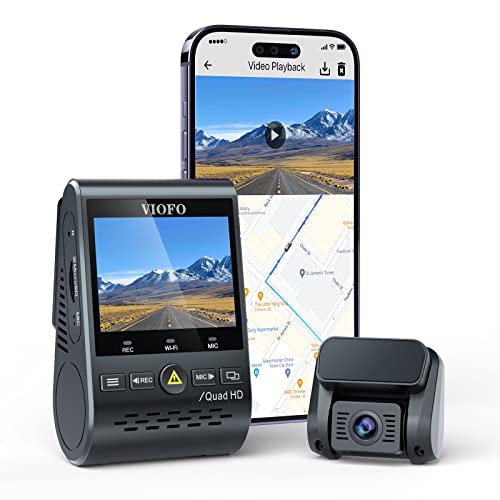
VIOFO Dual Dash Cam, 2K 1440P 60fps+1080P 30fps Front and Rear Dash Camera with Wi-Fi GPS, Parking Mode, Emergency Recording, Super Capacitor, Motion Detection (A129 Plus Duo) : Electronics
View on AmazonMedical Payments (MedPay) or Personal Injury Protection (PIP)
- What it is: MedPay or PIP help cover medical expenses for you and your passengers, regardless of fault. PIP is required in some states and can also cover lost wages and essential services; MedPay is a simpler medical-only benefit.
- Typical choices: $5,000–$10,000 in MedPay is common. PIP limits and requirements vary by state.
Rental reimbursement
- What it is: Pays for a rental car while yours is in the shop after a covered claim. It’s usually set as a daily/$ total limit (for example, $40/day up to $1,200 max).
- Why it matters for new cars: Repairs that involve sensors or calibrations can take longer. Choose a daily limit that actually gets you a comparable vehicle in your area.
Roadside assistance
- What it is: Towing, jump-starts, tire changes, and lock-out service.
- New-car tip: Many new vehicles include manufacturer roadside coverage for a few years. Don’t pay twice — compare what’s included with your warranty to the insurer’s roadside program.
Gap insurance or loan/lease payoff coverage
- What it is: Gap insurance pays the “gap” between your loan/lease balance and your car’s actual cash value (ACV — the current market value with depreciation) if your vehicle is totaled.
- Why it matters: New cars depreciate fast. Without gap, you could owe thousands after a total loss.
- Options: Dealership GAP is a one-time add-on. Insurer “loan/lease payoff” endorsements often cost a few dollars per month but may cap the payout (commonly at 25% over ACV). Ask about caps, exclusions, and whether aftermarket add-ons are covered.
New-car replacement or agreed value
- New-car replacement: Some carriers will replace your totaled car with a brand-new one of the same make/model/trim (or the current-year equivalent) if the loss happens within a set window (often 12–24 months and under a mileage cap). Not available in all states.
- Better car replacement: A few insurers offer a “better car” replacement (for example, pay you for a car one model year newer with fewer miles). Read eligibility rules closely.
- Agreed value: You and the insurer agree on a specific payout value upfront, instead of ACV. This is more common for specialty or high-value vehicles. Premiums are usually higher, but it removes uncertainty about depreciation.
Bonus: Diminished value — the reduction in your car’s resale value after a major repair — is generally not covered by your own policy unless you buy a specific endorsement. In some states you may pursue diminished value from the at-fault party’s insurer. Ask how your carrier handles this.
Insurer and policy features to prioritize for new vehicles
Not all policies treat new cars the same. When you’re evaluating companies, look beyond the price tag.
OEM-approved repairs and parts
- OEM parts: Original Equipment Manufacturer parts are made by your car’s maker. Many standard policies authorize aftermarket or remanufactured parts by default. Ask for an OEM parts endorsement (a policy add-on that specifies OEM parts when available) and confirm it applies to both body and safety components.
- Certified repair shops: Look for carriers that partner with manufacturer-certified shops and cover required ADAS recalibration. This matters for vehicles with features like lane-keep assist or adaptive cruise control — sensor alignment is critical to safety and can be costly.
Real-world example: Say you drive a 2025 Honda CR-V with a cracked windshield. A replacement may require camera calibration behind the glass. An insurer that guarantees OEM glass and pays for calibration helps you avoid “surprise” out-of-pocket costs.
Replacement-vehicle guarantees
If you’re comparing “new-car replacement” or “better car replacement” benefits, note the fine print:
- Eligibility window (months since purchase, mileage limit)
- Whether it applies only to the original owner
- Maximum payout caps and trim-level restrictions
- Whether taxes/fees are included
Fast glass and streamlined claims service
- Express glass: Some carriers offer mobile glass service and dedicated scheduling, plus zero-deductible glass where allowed. Ask about calibration coverage as part of glass claims.
- Claims cycle time and guarantees: Look for lifetime repair guarantees when you use a preferred shop and average cycle times that reflect current parts availability.
Direct repair networks — and your right to choose
Preferred shop networks can speed things up, but you typically still have the right to choose any licensed shop. Confirm that choice is protected and that labor rates, OEM procedures, and calibration are honored.
Financial strength and ratings
Check A.M. Best or similar ratings. An A- (Excellent) or better typically signals strong claims-paying ability — important for big losses on higher-value new cars.
Warranty and extended protection coordination
- Roadside and rentals: Avoid overlapping perks you already get from your manufacturer warranty or extended service contract.
- Mechanical breakdown vs. insurance: Mechanical breakdown insurance or extended warranties cover wear-and-tear failures, not collision or comprehensive losses. Your auto policy covers accidents, theft, and weather — separate worlds, but you want them to play nicely on rentals and roadside.
Digital support and telematics options
- Digital claims: Photo estimates, status tracking, and direct deposits can speed things up.
- Telematics: Usage-based insurance (UBI) tracks driving behaviors (like braking, acceleration, time of day) via an app or device. Good drivers can earn ongoing discounts, though programs vary by state and carrier. Ask how your data is used and whether rates can increase based on results.
What drives premiums on new cars — and how to save without cutting corners
Vehicle make, model, and safety tech
Newer vehicles often cost more to insure because parts, paint, and sensors are pricey. Advanced safety features may reduce crash frequency but can increase repair costs. High theft rates or costly glass (panoramic roofs, HUD windshields) also move premiums.
Your profile and location
Your ZIP code, driving history, annual mileage, and (where allowed) credit-based insurance score influence rates. Urban garaging and high-traffic commutes typically cost more.
Deductibles: finding the sweet spot
Raising a $500 collision/comprehensive deductible to $1,000 can lower premiums, often by 10–20% combined, depending on your state and vehicle. Make sure you can comfortably pay the higher deductible if you file a claim.
Discounts that actually help
- Bundle home/condo/renters with auto for a multi-policy discount.
- Multi-car and continuous insurance discounts typically apply.
- New vehicle and safety-feature discounts may be available when your car is under a certain age and has specific equipment.
- Take an approved defensive driving course (where eligible) or enroll young drivers in driver training.
Usage-based programs
If you’re a smooth, low-mileage driver, telematics can meaningfully reduce costs over time. Many programs offer an initial sign-up discount and then adjust based on your driving. Results vary, and some programs can raise rates for riskier driving — ask before you enroll.
Timing after purchase
Most insurers offer a “newly acquired vehicle” grace period (often 7–30 days) to add your new car to an existing policy, but you need proof of insurance to drive off the lot. If you’re financing or leasing, the lender will require comprehensive and collision. Call your insurer before delivery so ID cards and lienholder details are ready.
When — and when not — to drop full coverage
- If you have a loan or lease: You typically must keep comprehensive and collision.
- If you own the car outright: A common rule of thumb is to consider dropping comp/collision when the annual cost of those coverages approaches 10% or more of your car’s current value. For most new cars in the first several years, that threshold isn’t met.
- Practical check: If a total loss would be a financial shock, keep full coverage and consider gap or new-car replacement in the early years.
Shop smart — and avoid dealer upsells on GAP
The fastest way to see what you would actually pay is to compare quotes from 3–5 carriers. Prices for the exact same limits can vary widely.
Pro tip on gap insurance: Dealers often charge a flat fee that can be $600–$1,200 or more. Your auto insurer or a credit union may offer similar protection for a monthly cost that typically ends up lower over the life of the loan. Always compare before you sign at the finance desk.
Action step: Ready to see real numbers for your car? Start by comparing the same limits and deductibles side by side with multiple carriers. You can do that here: Compare Car Insurance: Best Coverage and Price Today.
How to compare options and take action
Key questions to ask insurers about new-car coverage
- Do you offer new-car replacement or better car replacement? What are the time/mileage limits and payout caps?
- Is there an OEM parts endorsement? Does it apply to safety components and glass?
- How are ADAS calibrations handled and paid for after a windshield or body repair?
- What are your average claims cycle times and do you offer a lifetime repair guarantee with preferred shops?
- How does your loan/lease payoff endorsement work? Any cap (e.g., 25% over ACV) or exclusions?
- Is zero-deductible glass available in my state?
- How is diminished value handled, if at all?
Questions to ask your dealer or lender
- Is GAP required by my lender? If yes, can I provide proof of equivalent coverage from my insurer instead of buying at the dealership?
- What maximum deductibles are allowed for collision and comprehensive? (Some lenders set limits.)
- What exact proof of insurance and lienholder wording do you need before delivery?
Apples-to-apples quote checklist
When comparing, keep these items identical across carriers so you’re evaluating price and service — not hidden coverage differences:
- Liability: at least 100/300/100 (or your chosen higher limits)
- UM/UIM: match liability where possible
- MedPay or PIP: same limits across quotes
- Collision and comprehensive deductibles: same amounts for both
- Rental reimbursement: same daily/total limits (e.g., $45/day up to $1,350)
- Roadside assistance: either include or exclude consistently
- Endorsements: the same selections (gap/loan-lease payoff, OEM parts, new-car replacement, zero-deductible glass)
State and financing requirements to keep in mind
- State minimums: Every state has minimum liability limits; some require UM/UIM or PIP. These are legal floors, not best-practice levels.
- Lenders/lessors: Typically require comprehensive and collision, proof of insurance with the lienholder listed, and may limit your maximum deductibles. Confirm before you pick your policy.
- Availability: Not all endorsements (like OEM parts or new-car replacement) are offered in every state.
Documents you’ll need to get accurate quotes
- Vehicle info: VIN, purchase agreement, odometer reading, and garaging address
- Driver info: License numbers, dates of birth, and driving history for all household drivers
- Usage: Estimated annual mileage and primary use (commute, business, rideshare)
- Lender details: Lienholder name and address for the ID card
- Safety and anti-theft features: Helps ensure you get applicable discounts
- Proof of prior insurance: Often earns a better rate, depending on the carrier
Your next steps
- Decide on your target limits and deductibles (for many, 100/300/100 with $500–$1,000 deductibles is a solid starting point).
- Make a short list of must-have endorsements for a new car: gap/loan-lease payoff, OEM parts, and either new-car replacement or higher rental limits.
- Compare quotes from 3–5 insurers using identical coverage selections. Consider adding a telematics trial quote if offered.
- Verify lender requirements, then bind coverage and confirm your lienholder is listed correctly on the policy and ID cards.
- Store your ID cards in the glovebox and app, and save your claims and roadside numbers in your phone.
Want local help? You can also compare rates and find nearby agents here: Car Insurance Near Me: Compare Local Quotes & Find Agents Fast.
Note: For personalized guidance, consult a licensed insurance agent who can review your vehicle, lender requirements, and state rules.
Ready to lock in coverage for your new ride? Get personalized quotes in minutes: Car Insurance Quotes: Compare Rates & Get Personalized Quotes Fast.
Disclaimers: Features and discounts vary by insurer and state. New-car replacement, OEM parts coverage, zero-deductible glass, and loan/lease payoff may not be available everywhere. Rates depend on your individual profile, vehicle, and location; no article can predict your exact cost.
Recommended Resources
Insurance For Dummies?: Hungelmann, Jack
Whether you’re a homeowner or ... need on: ... Author Jack Hungelmann <strong>uses his twenty-five years of experience in the insurance industry to make buying insurance as simple as possible</strong>
VIOFO Dual Dash Cam, 2K 1440P 60fps+1080P 30fps Front and Rear Dash Camera with Wi-Fi GPS, Parking Mode, Emergency Recording, Super Capacitor, Motion Detection (A129 Plus Duo) : Electronics
Buy VIOFO Dual Dash Cam, 2K 1440P 60fps+1080P 30fps Front and Rear Dash Camera with <strong>Wi-Fi GPS, Parking Mode</strong>, Emergency Recording, Super Capacitor, Motion Detection (A129 Plus Duo): On
Mission Darkness Faraday Bag for Keyfobs (2-Pack) // RF Shielding Protective Case for Smart Always On Keys Fobs Transmitters Small Electronics Vehicle Security Anti-Hacking Block Signal Relay : Automotive
Buy Mission Darkness Faraday Bag for Keyfobs (2-Pack) // <strong>RF Shielding Protective Case for Smart Always On Keys Fobs Transmitters Small Electronics Vehicle Security Anti-Hacking Block Signal Re
Related Articles
- Best Car Insurance for New Drivers: Top Picks & How to Save
- Auto Insurance for New Drivers: Coverage, Costs, and Smart Ways to Save
- Best Home Insurance for New Homeowners: Top Picks, Costs, and What to Look For
- How to Get Car Insurance: What You Need to Know to Choose, Buy, and Save
- Cheap Car Insurance: How to Save on Coverage & Get Fast Quotes
- Gap Insurance: What It Covers, Costs, and How to Get a Quote
- Best Car Insurance for Seniors: Top Companies, Coverage Needs & How to Save
- Best Car Insurance Options for Families: Coverage, Savings, and Top Picks