
Gap Insurance: What It Covers, Costs, and How to Get a Quote
You just drove off the lot, and your car’s value drops faster than you expected. If it’s totaled or stolen next month, would your insurance and loan payoff match up—or would you still owe thousands? This is exactly what gap insurance is designed to handle.
Gap insurance (short for Guaranteed Asset Protection) bridges the “gap” between what your car is worth at the time of a total loss and what you still owe on your auto loan or lease. In this guide, I’ll explain how gap insurance works, when you need it, what it costs, where to buy it, and the fine print most people miss—so you can decide if it’s a smart move for your situation.
What is gap insurance?
Gap insurance covers the difference between your vehicle’s actual cash value (ACV—the fair market value of your car right before it was totaled or stolen) and your remaining loan or lease balance. Standard auto insurance—liability, collision, and comprehensive—typically pays up to the ACV after a covered total loss. If you owe more than that amount, gap insurance can pay the shortfall so you’re not stuck making payments on a car you no longer have.
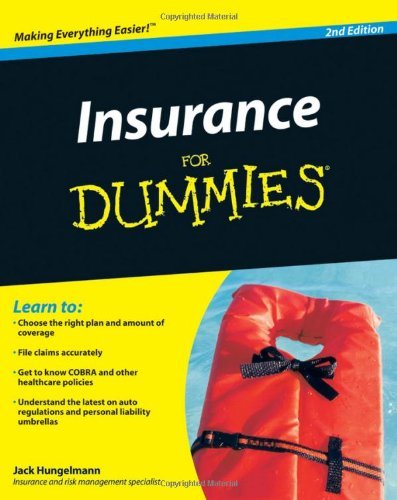
Insurance For Dummies?: Hungelmann, Jack
Whether you’re a homeowner or ... need on: ... Author Jack Hungelmann <strong>uses his twenty-five years of experience in the insurance industry to make buying insurance as simple as possible</strong>
Check Price on Amazon- Standard collision/comprehensive: Pays your car’s ACV after a covered total loss, minus your deductible (the amount you pay out of pocket before insurance kicks in).
- Gap insurance: Pays the difference between ACV and your outstanding loan/lease payoff, up to policy limits. Some policies also cover your auto deductible up to a stated amount (often $500–$1,000), but not all do—check the contract.
If you’re fuzzy on ACV, deductibles, and other terms, our plain-English glossary can help: see the Insurance Glossary. [/auto-insurance/insurance-glossary]
For a quick refresher on how collision and comprehensive work together, you may also find this helpful: Understanding Auto Insurance Coverage Types. [/auto-insurance/understanding-auto-insurance-coverage-types]
When you need gap insurance (and when you probably don’t)
You’re most likely to need gap insurance if your loan balance is higher than your car’s market value—often in the first few years of ownership, or anytime you’re “upside down” (owe more than the car is worth). Common situations:
- New cars with small or no down payment. If you put less than 20% down and financed taxes/fees, you can be upside down right away due to immediate depreciation.
- Long loan terms (60–84 months). Slower principal paydown means the car can depreciate faster than your balance drops.
- Leased vehicles. Many leases include gap coverage automatically, but not all. If it’s not included, you should almost always add it because lease balances are typically very close to the vehicle’s value.
- Rolled-in negative equity. If you carried over debt from your last car into the new loan, gap insurance helps protect against that extra balance.
- Vehicles with faster-than-average depreciation. This can include some luxury models, high-mileage vehicles, and—depending on the model year and incentives—some EVs (electric vehicles).
When you may not need gap insurance:
- You put 20% or more down, and/or you’ve built positive equity. If your loan payoff is comfortably below the vehicle’s ACV, gap may be unnecessary.
- You can afford to pay off a small shortfall from savings. If you’re okay covering a few thousand dollars yourself, you may choose to skip it.
- You’re close to paying off the loan. The remaining “gap” window is usually small.
How gap insurance works: real-world examples
Here’s exactly how gap insurance would respond in common total-loss scenarios. We’ll assume your collision/comprehensive claim is approved and that your state and insurer follow typical practices. Actual results vary by provider and contract.

Vantrue N4 Pro S 4K 3 Channel Dash Cam w/Triple STARVIS 2, 4K+1080P+2.5K Front Inside Rear Dash Camera, 4+2.5K Dual Channel, HDR IR Night Vision, Voice Control, Parking Mode, GPS, Wi-Fi, Support 1TB : Electronics
View on AmazonExample 1: Standard new-car loan
- Purchase price: $34,000
- Down payment: $1,000
- Initial loan: $33,000 (plus taxes/fees financed)
- 10 months later: Total loss after an accident
- ACV at time of loss: $27,500
- Loan payoff at time of loss: $30,900
- Auto insurer collision payout (after $500 deductible): $27,000
Without gap: You’d still owe $3,900 to your lender after the insurer’s payout.
With gap: Gap insurance pays up to $3,900 to the lender. If your gap policy includes deductible coverage (e.g., up to $1,000), it may reimburse that $500 to you—check your contract.
Example 2: Rolled-in negative equity
- You trade in a car where you still owe $5,000 more than it’s worth
- That $5,000 is rolled into your new $32,000 loan → total financed: $37,000
- One year later: ACV is $28,000; loan payoff is $34,200
- Collision payout after $1,000 deductible: $27,000
Without gap: You owe $7,200 after the claim is paid.
With gap: Gap pays up to $7,200 (subject to its limits). Some contracts exclude prior negative equity beyond a certain cap—read your terms.
Example 3: Loan-to-value (LTV) cap at 125%
- Policy limit: 125% of ACV
- ACV: $24,000 → Maximum eligible payoff under gap = $30,000 (125% of $24,000)
- Actual loan payoff: $31,500
- Collision payout: $23,500 (after deductible)
The gap is $8,000 ($31,500 – $23,500). But because the contract caps benefit at $30,000 payoff, the covered gap may be reduced—leaving you to pay any remainder out of pocket.
Example 4: Lease with built-in gap
- Many captive finance companies (e.g., the manufacturer’s leasing arm) include gap coverage in the lease automatically and disclose it in the lease agreement. If included, you generally don’t need to buy separate gap insurance. Still, verify what’s covered, any exclusions (like late fees), and whether your auto deductible is reimbursed.
Gap insurance costs: typical price ranges and how to lower them
What you pay depends on where you buy gap insurance and your risk profile (loan size vs. car value, vehicle type, and state rules). Typical price ranges:

Clever Fox Budget Planner - Expense Tracker Notebook. ...
View on Amazon- Add-on from your auto insurer: About $20–$100 per year (roughly $2–$8 per month with some carriers), often the most budget-friendly option if available in your state and your carrier offers it.
- Gap waiver from a lender/credit union: Often a one-time $200–$600 fee, added to your loan amount.
- Dealer-sold gap at time of purchase: Commonly $400–$1,000+ as a one-time add-on, rolled into financing. Convenient, but usually the costliest route.
Factors that affect gap pricing and availability:
- Loan-to-value (LTV). Higher LTV—small down payment, rolled-in taxes/fees/negative equity—means more risk and often a higher cost.
- Loan term. Longer terms keep you upside down longer; pricing may reflect that.
- Vehicle type and depreciation profile. Luxury models and some EVs can lose value quickly, increasing gap exposure.
- State rules. Some states treat gap waivers as debt-cancellation products rather than insurance; availability and pricing can differ.
- Where you buy. Insurer add-ons are usually cheapest; dealer products tend to be priciest.
Ways to lower your cost (or avoid needing gap entirely):
- Make a larger down payment (ideally 20%).
- Choose a shorter loan term if your monthly budget allows.
- Avoid rolling negative equity from a previous car into the new loan.
- Compare options before you sign at the dealership—insurer and credit union offerings are often cheaper.
- Drop gap once you have positive equity. Many policies allow you to cancel and request a pro-rated refund.
The fastest way to see what you’d actually pay is to compare quotes from 3–5 carriers. Start here: Car Insurance Quotes: Compare Rates & Get Personalized Quotes Fast. [/auto-insurance/car-insurance-quotes-compare-rates]
Where to buy gap insurance: dealer vs. insurer vs. lender
You have three common sources. Each has pros and cons.
1) Your auto insurer (as an add-on)
- Pros: Usually the lowest ongoing cost; easy to manage with your existing policy; simple to cancel when you have equity.
- Cons: Not all insurers offer gap; not available in every state; may require you carry both collision and comprehensive.
- Good fit: You already have full coverage and your carrier offers gap or “loan/lease payoff” coverage.
2) Your lender or credit union (gap waiver)
- Pros: One-time fee; often cheaper than dealer and easy to add at loan signing or soon after; commonly refundable if you pay off early.
- Cons: Terms vary; still might be pricier than insurer add-ons; may have LTV caps and exclusions.
- Good fit: You finance through a bank/credit union that offers a reasonably priced waiver and you want a one-time charge.
3) The dealership (gap add-on)
- Pros: Super convenient; bundled at purchase.
- Cons: Often the most expensive; financed into the loan so you pay interest on it; sometimes tough to cancel.
- Good fit: Only if the price is competitive after you’ve compared alternatives—and the contract is clear and cancellable.
State and lender rules to know
Rules vary by state, and gap can be regulated differently depending on whether it’s insurance or a debt-cancellation waiver.
What to watch for:
- Optional, not required. Dealers and lenders must typically disclose that gap is optional. You can’t be denied financing just because you decline it.
- Free-look period. Many states require a free-look window (often 30–60 days) to cancel and receive a full refund if you bought through a dealer or lender.
- Refunds for early payoff. If you sell or pay off your loan early, many gap waivers require a pro-rated refund—request it in writing.
- Price and LTV caps. Some states cap the maximum fee or limit coverage to a percentage of ACV (e.g., 125%). Know your contract’s cap.
- What’s excluded. Late payments, deferred payments, past-due amounts, add-on products (like service contracts), and excess mileage/lease wear charges are commonly excluded from gap benefits.
- Total loss only. Gap generally applies only when your vehicle is declared a total loss. It usually doesn’t pay for repairs, rental cars, or diminished value.
- Lease specifics. Many leases include gap coverage—confirm within your lease agreement so you don’t buy it twice.
Always read the contract language carefully and, if needed, ask a licensed agent to walk you through it for your state.
Alternatives to gap insurance
If you’re on the fence, consider these options that can reduce or replace the need for gap.
- Loan/lease payoff coverage from your insurer. Similar to gap; often pays up to a set percentage above ACV (for example, 25%). It may not cover as large a shortfall as full gap but can be less expensive and easier to add.
- New car replacement coverage. Some insurers offer coverage that replaces your totaled car with a brand-new one of the same make/model (typically available for cars under a certain age/mileage). This tackles depreciation differently than gap; availability and terms vary.
- Bigger down payment or shorter loan term. Reduces the chance of being upside down.
- Aggressive principal payments. Pay extra toward principal early to close the gap window faster.
- Emergency fund. If you can comfortably self-insure a few thousand dollars, you may choose to skip gap.
How to compare gap insurance quotes (what to look for)
Comparison checklist you can use today:
- Coverage cap and LTV limit. Is there a maximum payout or a limit like 125% of ACV? Will it fully cover your likely shortfall?
- Deductible coverage. Does it reimburse your collision/comprehensive deductible (and up to what amount)?
- Negative equity treatment. If you rolled over debt from a prior loan, is that balance covered, and are there limits?
- What’s excluded. Late fees, deferred payments, aftermarket add-ons, and lease wear-and-tear are often excluded.
- Cost structure. Ongoing premium (insurer add-on) vs. one-time fee (lender/dealer). If financed, consider the interest you’ll pay on top.
- Cancellation and refunds. Can you cancel anytime once you have equity? Is there a pro-rated refund for early payoff or trade-in?
- Claims process. Who handles the claim—your auto insurer or the gap administrator? How are documents submitted and how long do payouts typically take?
- State availability. Confirm the product is offered in your state and that terms match state requirements.
Want real numbers? Get quotes from your current carrier plus 2–3 competitors, and compare with a credit union/lender quote before saying yes at the dealership. You can start here: Insurance Quotes: Compare & Get Accurate Quotes Fast. [/auto-insurance/insurance-quotes-compare-accurate-fast]
FAQs: quick answers about gap insurance
- Does gap insurance cover my deductible? Sometimes. Many policies reimburse your auto deductible up to a limit (often $500–$1,000), but not all do. Check your contract.
- Can I buy gap after I purchase the car? Typically yes, within a certain timeframe. Insurers may let you add it anytime you carry full coverage; lenders often allow adding a waiver shortly after loan origination.
- How do I file a gap claim? Usually, your auto insurer settles the total-loss claim first (pays ACV). Then the gap provider pays the remaining balance to the lender, subject to limits. You or the lender may need to submit payoff letters, settlement documents, and proof of loss.
- Will gap pay if I’m behind on payments? Late fees, deferred payments, and past-due amounts are commonly excluded. Gap typically covers the principal balance per the contract, not penalties.
- Does gap cover extras I financed, like warranties or service contracts? Usually not. Most contracts exclude add-ons; they focus on your vehicle’s principal balance.
- Is gap insurance tax-deductible? For personal-use vehicles, generally no. For business-use vehicles, it may be deductible—ask a tax professional.
- Can I cancel gap once I have equity? Yes, in most cases. Insurer add-ons can be dropped mid-term; lender/dealer waivers typically allow pro-rated refunds when you pay off early or trade in.
- How long should I keep gap? Keep it while your loan payoff is near or above your car’s ACV—often the first 1–3 years, depending on your down payment, term, and depreciation.
- Is gap worth it for used cars? Sometimes. If your LTV is high or you rolled in negative equity, used-car buyers can still benefit from gap.
Quick notes by situation
- Leases: Many leases include gap. Verify in your lease; if included, you likely don’t need to buy extra. Ask whether your deductible is reimbursed.
- New financed cars with small down payment: Gap is often smart for the first few years, especially with long terms (72–84 months) or higher-interest loans.
- Used financed cars: Consider gap if you financed most of the purchase price or rolled in negative equity.
- EVs and high-depreciation models: Gap can be especially helpful early on due to faster depreciation and incentives that reduce used values.
- Paid-off or big-down-payment buyers: You may be fine skipping gap; revisit only if your equity position changes.
A quick reality check and your next step
No one plans to total a car, but it happens—and depreciation doesn’t care. Gap insurance exists to protect your finances during that risk window when your loan balance outpaces your car’s value. The key is buying it smartly and not overpaying.
- If your lease already includes gap, you can likely skip buying more.
- If you financed with a small down payment or long term, get a few quotes before saying yes at the dealership.
- If you now have equity, consider canceling gap and pocketing any refund you’re owed.
If you want help sorting the details, a licensed local agent can review your loan, vehicle, and state rules and recommend the most cost-effective approach for you.
Ready to see what you’d actually pay? Compare quotes from 3–5 carriers and check a lender/credit union option before you buy. Start with Car Insurance Quotes: Compare Rates & Get Personalized Quotes Fast. [/auto-insurance/car-insurance-quotes-compare-rates]
Recommended Resources
Insurance For Dummies?: Hungelmann, Jack
Whether you’re a homeowner or ... need on: ... Author Jack Hungelmann <strong>uses his twenty-five years of experience in the insurance industry to make buying insurance as simple as possible</strong>
Clever Fox Budget Planner - Expense Tracker Notebook. ...
<strong>Manage finances with a comprehensive budget planner</strong>. Track expenses, organize bills, set savings goals, and review progress - all in one structured book.
Vantrue N4 Pro S 4K 3 Channel Dash Cam w/Triple STARVIS 2, 4K+1080P+2.5K Front Inside Rear Dash Camera, 4+2.5K Dual Channel, HDR IR Night Vision, Voice Control, Parking Mode, GPS, Wi-Fi, Support 1TB : Electronics
[ 24/7 Parking Mode ] The N4 Pro S 3 channel dash cam <strong>provides round-the-clock security for your parked vehicle</strong>. Its buffered motion detection captures footage from 10ss before an eve
Related Articles
- Best Car Insurance for New Cars: Coverage Priorities, Top Policy Features, and Money-Saving Tips
- Auto Insurance for New Drivers: Coverage, Costs, and Smart Ways to Save
- How to Get Car Insurance: What You Need to Know to Choose, Buy, and Save
- Cheap Car Insurance: How to Save on Coverage & Get Fast Quotes
- How Much Is Car Insurance? Average Costs, Factors & Ways to Save
- Auto Insurance for High‑Risk Drivers: Finding Coverage, Cutting Costs, and Rebuilding Your Record
- Best Auto Insurance Discounts: How to Find, Qualify For, and Maximize Savings
- Auto Insurance Quotes: Compare Rates & Get a Fast Free Quote