
Best Car Insurance for Seniors: Top Companies, Coverage Needs & How to Save
You want the best car insurance for seniors, not just the cheapest. Maybe your premium jumped after turning 70, or you’re retiring and driving less. Which companies actually treat senior drivers fairly, offer strong coverage, and won’t make you dread a claims call? Here’s what really matters—and how to choose with confidence.
How we picked the best car insurance for seniors
We compared major insurers on four things that matter most to older drivers. Here’s our transparent scoring framework:
- Price for seniors (50% weight): Consistency of good rates for drivers 60–80, across several ZIP codes and coverage levels. We looked at patterns from public filings, test quotes, and known discount structures. Rates vary by state and your profile.
- Coverage strength and options (25%): Availability of higher liability limits, strong Uninsured/Underinsured Motorist (UM/UIM), Medical Payments/Personal Injury Protection (MedPay/PIP), accident forgiveness, new car replacement, roadside, rental reimbursement, and pay-per-mile/telematics.
- Claims and service (15%): Claims satisfaction trends, 24/7 support, local agents or strong digital tools, flexible billing, and bilingual service (usually English/Spanish).
- Senior-friendly features (10%): Mature driver and defensive driving discounts, lifetime renewability (where offered), disappearing deductibles, caregiver/authorized contact options, paper statements, and easy phone access.
Note: No one insurer is “best” for everyone. Your actual price depends on your driving record, vehicle, mileage, credit (in most states), garaging ZIP, and selected coverages.
Best car insurance for seniors: top companies compared
Below are our top picks and why they stand out for seniors. We also include sample quote ranges to show typical price positioning. These are illustrative examples for a 70-year-old driver with a clean record, 10,000 miles/year, a 2018 Toyota Camry, full coverage (100/300/100 liability; $500 deductibles). Your rates will differ.
The Hartford (AARP Auto Insurance Program) — Best for senior-specific benefits
- Why it’s strong: Tailored to older drivers, with features like RecoverCare (help with transportation/household tasks after an accident), new car replacement, and lifetime renewability in many states if you qualify. Often bundles a mature driver discount and accident forgiveness.
- Service fit: Excellent phone support, easy-to-read documents, and a claims concierge feel.
- Tradeoffs: Not always the cheapest; availability and features vary by state.
- Sample full-coverage monthly ranges for a 70-year-old:
- Columbus, OH: about $120–$180
- Houston, TX: about $200–$300
- Tampa, FL: about $320–$500
State Farm — Best mix of price and local agents
- Why it’s strong: Consistently competitive for many older drivers, with tons of local agents and solid claims handling. Drive Safe & Save (usage-based) can reward low-mileage and gentle driving.
- Discounts seniors actually get: Defensive driving course, multi-car, bundling, low annual mileage.
- Tradeoffs: App/telematics savings vary widely; some features depend on your agent and state.
- Sample full-coverage monthly ranges:
- Columbus, OH: about $100–$150
- Houston, TX: about $160–$240
- Tampa, FL: about $240–$380
GEICO — Best online rates for many seniors
- Why it’s strong: Frequently among the lowest for safe, low-mileage older drivers comfortable managing policies online. Defensive driver and vehicle equipment discounts are common.
- Service fit: 24/7 phone support; mobile app for ID cards and claims.
- Tradeoffs: Limited local-agent relationships; accident forgiveness availability varies.
- Sample full-coverage monthly ranges:
- Columbus, OH: about $100–$150
- Houston, TX: about $170–$260
- Tampa, FL: about $260–$420
Nationwide — Best telematics and pay-per-mile options
- Why it’s strong: SmartRide (telematics) can give upfront participation discounts, with more savings for safe driving. SmartMiles (pay-per-mile) can work well for retirees who truly drive less.
- Other pluses: Good bundle savings if you have a home/condo policy.
- Tradeoffs: Pay-per-mile availability varies by state; not always the cheapest without telematics.
- Sample full-coverage monthly ranges:
- Columbus, OH: about $105–$160
- Houston, TX: about $170–$260
- Tampa, FL: about $270–$430
Amica — Best for claims satisfaction
- Why it’s strong: Top-tier claims experience and optional dividend policies in some states. Known for low complaint levels and attentive service.
- Senior-friendly features: Accident forgiveness, roadside assistance, generous rental coverage options.
- Tradeoffs: Premiums can trend higher than budget carriers.
- Sample full-coverage monthly ranges:
- Columbus, OH: about $130–$190
- Houston, TX: about $210–$320
- Tampa, FL: about $340–$520
USAA — Best for military seniors and families
- Eligibility: Active/retired military, veterans, and eligible family members only.
- Why it’s strong: Typically excellent rates and claims service; strong digital tools; generous accident forgiveness options for many.
- Tradeoffs: Limited to military community.
- Sample full-coverage monthly ranges:
- Columbus, OH: about $95–$140
- Houston, TX: about $150–$230
- Tampa, FL: about $220–$360
Erie Insurance — Best value where available
- Footprint: Available in select states (e.g., OH, PA, VA, NC, TN, WI, and others—not in TX or FL).
- Why it’s strong: Competitive pricing, Rate Lock (premium often doesn’t change unless you make a policy change), diminishing deductible, accident forgiveness.
- Tradeoffs: Limited availability; must go through an agent.
- Sample full-coverage monthly range (Columbus, OH): about $90–$140
Auto-Owners — Best agent service in many states
- Footprint: Regional carrier available in select states (including OH and FL; not in TX).
- Why it’s strong: Excellent agent support, strong financials, plenty of discount stacking for safe and low-mileage drivers.
- Tradeoffs: No direct online quoting in many areas; availability varies.
- Sample full-coverage monthly ranges:
- Columbus, OH: about $100–$155
- Tampa, FL: about $280–$440
Important rate note: These illustrations are for comparison only—insurers refile rates frequently, and your premium can be higher or lower based on your location, vehicle, driving history, credit (in most states), chosen limits, and other factors.
If you want to focus on cutting costs without losing key protection, see our guide to Cheap Auto Insurance for Seniors: Smart Ways to Cut Premiums Without Sacrificing Coverage.
Coverage must‑haves for seniors (and where to be careful)
Older drivers often have different risk profiles: more assets to protect, less annual mileage, and sometimes more focus on medical coverage. Here’s how to right-size your policy.
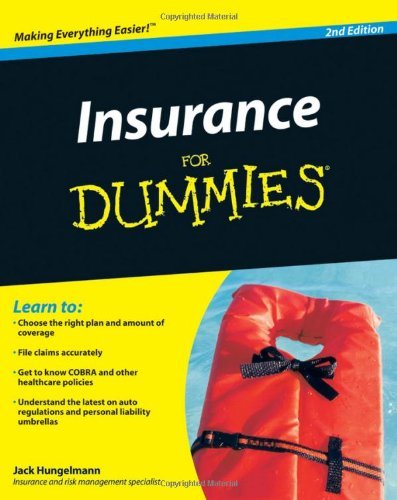
Insurance For Dummies?: Hungelmann, Jack
Whether you’re a homeowner or ... need on: ... Author Jack Hungelmann <strong>uses his twenty-five years of experience in the insurance industry to make buying insurance as simple as possible</strong>
Check Price on AmazonLiability coverage: raise it, don’t lower it
- What it is: Liability pays for injuries and damage you cause others. It’s shown as split limits like 100/300/100, meaning $100,000 per person/$300,000 per accident for bodily injury, and $100,000 for property damage.
- Why it matters more now: If you own a home or have savings, you have more to protect from lawsuits. Many seniors should consider at least 100/300/100 or even 250/500/100, depending on state norms and budget.
UM/UIM (Uninsured/Underinsured Motorist): don’t skimp
- What it is: UM/UIM covers your injuries if the at-fault driver has little or no insurance.
- Why it matters: Older drivers can face higher medical costs and longer recovery times. Matching your UM/UIM to your liability limits is a smart move in most cases.
Medical Payments (MedPay) or PIP: coordinate with Medicare
- MedPay: Helps pay medical bills for you and passengers after a crash, regardless of fault, and can cover copays/deductibles.
- PIP (Personal Injury Protection): Required in no-fault states; can include lost wages and essential services.
- Medicare interplay: In many no-fault states, auto PIP pays first, then Medicare may act as secondary. In at-fault states, MedPay can be extremely helpful for out-of-pocket costs Medicare doesn’t fully cover, and it can help passengers who aren’t on Medicare. Check with your insurer and, if needed, a benefits expert to avoid coverage gaps.
Comprehensive and collision: adjust to your car’s value
- What they are: Comprehensive covers non-crash losses (theft, hail, deer). Collision pays to repair your car after a crash.
- Senior angle: If your car is older and worth only a few thousand dollars, consider a higher deductible or even dropping collision. Keep comprehensive if you worry about weather or animal strikes—it’s usually cheaper than collision.
Gap/loan payoff: mostly for newer, financed or leased cars
- What it is: Covers the difference if your car is totaled and you owe more than it’s worth.
- Senior angle: If you own the car outright, you usually don’t need gap. If you recently financed or leased, ask about loan/lease payoff coverage.
Reduced mileage: tell your insurer—honestly
- Retiring or driving less than 7,500–8,000 miles/year can lower premiums. Don’t lowball mileage just to save; misreporting can cause issues at claim time. Consider telematics or pay-per-mile if available.
Want a refresher on the building blocks of a policy? See Understanding Auto Insurance Coverage Types.
Which features and services make a policy senior-friendly?
- Claims reputation: Look for carriers with strong claims satisfaction trends and low complaint ratios.
- Financial strength: Aim for AM Best ratings of A- (Excellent) or better for long-term claims-paying ability.
- Easy access: 24/7 claims phone line, the option to speak with a human, and local agents if you prefer in-person help. Bilingual (English/Spanish) support is a plus.
- Billing flexibility: Paper statements, pay-in-full discounts, or monthly autopay without junk fees.
- Policy flexibility: Accident forgiveness, vanishing/diminishing deductibles, and lifetime renewability (where available) can reduce surprises after a claim.
- Caregiver/authorized contact: Some insurers will add a trusted contact to help manage the policy if needed.

Garmin Dash Cam 67W, 1440p and Extra-Wide 180-degree FOV, Monitor Your Vehicle While Away w/New Connected Features, Voice Control, Compact and Discreet, Includes Memory Card - 010-02505-05 : Electronics
The pocket-sized Garmin Dash Cam™ 67W with voice control (only available in English, German, French, Spanish, Italian and Swedish) <strong>automatically records 1440p video and provides discreet eyewi
Check Price on AmazonReal-world examples: how price changes by state and age
Here’s how rates typically trend for clean-driving seniors with full coverage, using the same 2018 Camry, 10,000 miles/year profile. These are broad illustrations; your mileage will absolutely vary.
- Age 65 vs. 75 in a lower-cost state (e.g., Ohio):
- Age 65: roughly $95–$150/month with competitive carriers
- Age 75: roughly $120–$200/month
- Age 65 vs. 75 in a medium-cost state (e.g., Texas):
- Age 65: roughly $150–$230/month
- Age 75: roughly $200–$300/month
- Age 65 vs. 75 in a higher-cost state (e.g., Florida):
- Age 65: roughly $220–$380/month
- Age 75: roughly $280–$420+/month
Again, these are not quotes—just directional ranges to help you benchmark. The fastest way to see what you’d actually pay is to compare quotes from 3–5 carriers using the same coverage limits.
How seniors can save on car insurance without losing key protection
You shouldn’t have to trade away important coverage to afford your policy. Target these savings first.
Discounts commonly available to older drivers
- Mature driver or 55+ discount: Often automatic at certain ages or after a brief eligibility check.
- Defensive driving course: A state-approved class (like the AARP Smart Driver course) can trim 5–10% in many states for 2–3 years. Ask your insurer which classes they accept.
- Bundling: Combine home/condo/renters with auto for 10–25% in many cases.
- Low-mileage/retired: If you now drive 6,000–8,000 miles a year or less, make sure your policy reflects it.
- Safe vehicle: Anti-lock brakes, airbags, anti-theft, and advanced driver-assistance systems (ADAS) can earn discounts.
- Payment-related: Pay-in-full, autopay, paperless billing (if you’re comfortable), or loyalty discounts.
Want a deeper dive on saving safely? Visit Insurance Discounts for Safe Drivers: Types, Eligibility & How to Maximize Your Savings.
Telematics and pay-per-mile: when it works for seniors
- Telematics/usage-based insurance tracks habits like hard braking, time of day, and mileage. Careful daytime drivers with low miles can do well.
- Pay-per-mile (such as Nationwide SmartMiles): Best if you truly drive infrequently. If you take periodic road trips, ask how miles are counted and capped.
- Heads up: Some programs can raise rates if the data shows risky habits. Ask whether your program only discounts (no surcharges) before you enroll.
When to raise or lower limits and deductibles
- Keep liability high: Lawsuits are expensive. Seniors often benefit from higher liability and UM/UIM limits, not lower.
- Adjust comp/collision: If your car’s value is low, consider higher deductibles or dropping collision—but keep comprehensive if hail/deer/theft are real risks.
- Rental and roadside: If paying out of pocket would be a hardship during a repair, keep these. Roadside assistance is inexpensive peace of mind.
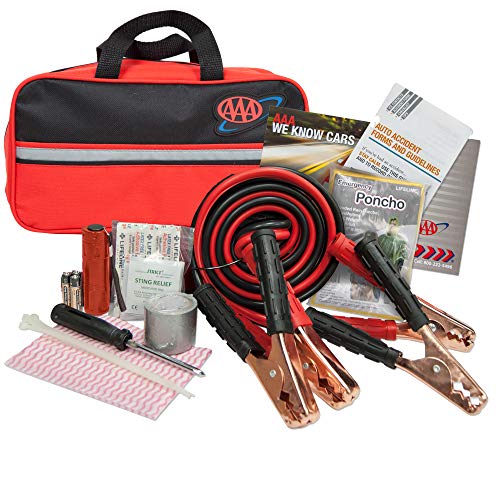
Lifeline AAA Premium Road Kit, 42 Piece Emergency Car Kit with Jumper Cables, Flashlight and First Aid Kit,4330AAA,Black : Everything Else
View on AmazonHow to compare car insurance quotes as a senior
- Decide your coverage first: Pick liability (e.g., 100/300/100), UM/UIM, MedPay or PIP, comp/collision deductibles, rental, and roadside. Keep the same settings across quotes so you’re comparing apples to apples.
- Gather details: VIN if handy, current odometer and annual mileage, drivers, garaging address, any tickets/claims.
- Check senior-specific savings: Defensive driving course, 55+ discount, low mileage, and bundling with your home policy.
- Evaluate service fit: Prefer a local agent? Need paper statements? Want phone-first claims? Prioritize carriers that match your style.
- Review financial strength and claims reputation: Look for strong ratings and steady service, not just a teaser price.
- Get 3–5 quotes: Small, regional carriers can surprise you on price and service, so include one or two where available.
Ready to see real numbers? Start with Car Insurance Quotes: Compare Rates & Get Personalized Quotes Fast. The fastest way to confirm your best option is to compare offers side by side.
Frequently asked senior questions
- Will Medicare make MedPay or PIP unnecessary? Usually not. In no-fault states, PIP often pays first. MedPay can still help with copays/deductibles, passengers not on Medicare, and ambulance costs. Benefits and coordination rules vary by state—ask your insurer and, if needed, a benefits specialist.
- Should I drop collision on my older car? If the car is worth only a few thousand dollars and you could replace it without hardship, it may make sense. Keep comprehensive if wildlife or storms are a risk—it’s relatively affordable.
- My premium spiked at 70 or 75. Is that normal? Often, yes. Some insurers adjust rates as reaction times change and crash severity increases. Shop around—another carrier may weigh those factors differently.
- Is it okay to list fewer miles than I actually drive? Don’t. Misreporting can cause claim headaches. Ask about telematics or pay-per-mile if you drive less than you used to.
A quick note on personalized advice
Rules, discounts, and coverage coordination (especially around PIP/MedPay and Medicare) vary by state and insurer. A licensed agent can help you tailor limits and discounts to your situation.
Your next step
- Compare at least 3–5 quotes using the same coverage settings—include one company known for senior benefits and one regional carrier if available.
- Ask each insurer to apply mature driver, defensive driving, low-mileage, and bundling discounts.
- Decide which matters more to you: the absolute lowest price, or slightly higher price for stronger claims support and senior-friendly features.
When you’re ready, you can quickly line up offers here: Compare Car Insurance: Best Coverage and Price Today.
Recommended Resources
Insurance For Dummies?: Hungelmann, Jack
Whether you’re a homeowner or ... need on: ... Author Jack Hungelmann <strong>uses his twenty-five years of experience in the insurance industry to make buying insurance as simple as possible</strong>
Garmin Dash Cam 67W, 1440p and Extra-Wide 180-degree FOV, Monitor Your Vehicle While Away w/New Connected Features, Voice Control, Compact and Discreet, Includes Memory Card - 010-02505-05 : Electronics
The pocket-sized Garmin Dash Cam™ 67W with voice control (only available in English, German, French, Spanish, Italian and Swedish) <strong>automatically records 1440p video and provides discreet eyewi
Lifeline AAA Premium Road Kit, 42 Piece Emergency Car Kit with Jumper Cables, Flashlight and First Aid Kit,4330AAA,Black : Everything Else
Amazon.com: <strong>Lifeline AAA Premium Road Kit</strong>, 42 Piece Emergency Car Kit with Jumper Cables, Flashlight and First Aid Kit,4330AAA,Black : Everything Else
Related Articles
- Cheap Auto Insurance for Seniors: Smart Ways to Cut Premiums Without Sacrificing Coverage
- Affordable Life Insurance for Seniors: How to Find Low-Cost, Appropriate Coverage
- Life Insurance for Seniors Over 70: Options, Costs & How to Buy
- Best Car Insurance for New Drivers: Top Picks & How to Save
- Cheap Car Insurance: How to Save on Coverage & Get Fast Quotes
- Travel Insurance for Seniors: What to Cover, What to Watch, and How to Choose
- Health Insurance Options for Seniors: Comparing Medicare, Supplements, and Alternatives
- Best Car Insurance in Michigan: Top Companies, Rates & How to Save