
Best Car Insurance Options for Families: Coverage, Savings, and Top Picks
You’re juggling school runs, weekend trips, and multiple drivers—so what are the best car insurance options for families, and how do you know if you’re actually protected without overspending? Here is what actually matters when choosing family car insurance, how to compare plans side by side, and smart ways to save without cutting essential coverage.
Family-Specific Coverage Needs: The Best Car Insurance Options for Families
Insurance jargon alert—let’s break down the core coverages families typically need and why.
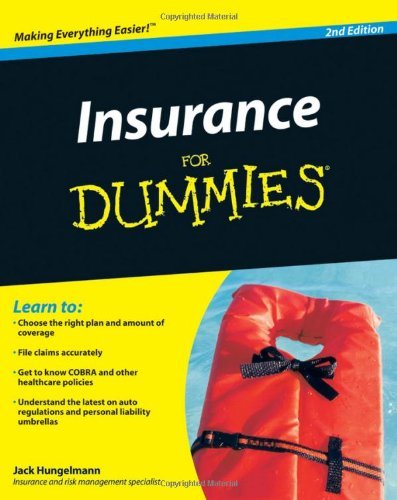
Insurance For Dummies?: Hungelmann, Jack
Whether you’re a homeowner or ... need on: ... Author Jack Hungelmann <strong>uses his twenty-five years of experience in the insurance industry to make buying insurance as simple as possible</strong>
Check Price on AmazonLiability coverage (bodily injury and property damage)
- What it is: Liability is what pays others if you cause an accident—bodily injury covers medical bills and lost wages; property damage covers repairs to the other person’s car or property.
- Why families need more: With multiple drivers on the road (including teens), your exposure is higher. Settlements can quickly exceed state minimums.
- Recommended limits: Many families step up to at least 100/300/100 (that’s $100,000 per person, $300,000 per accident for injuries, and $100,000 for property damage). If you own a home or have savings, 250/500/100 or higher is common. Consider an umbrella policy (extra liability protection that sits on top of your auto/home) once your auto limits are maxed out.
Collision coverage
- What it is: Pays to repair or replace your car if you hit another vehicle or object, minus your deductible (the amount you pay out of pocket before insurance kicks in).
- Family tip: Choose a deductible you can comfortably handle—$500–$1,000 is common. Higher deductible usually means a lower premium, but make sure you could pay it tomorrow if needed.
Comprehensive coverage
- What it is: Covers non-collision damage—think theft, hail, fire, vandalism, and hitting a deer—again minus your deductible.
- Family tip: If you park outside or drive through storm-prone areas, comprehensive is often worth it. For older vehicles, compare the car’s value to the premium + deductible to decide.
Uninsured/Underinsured Motorist (UM/UIM)
- What it is: Protects you if you’re hit by a driver with no insurance or not enough insurance.
- Family tip: Match your UM/UIM limits to your liability limits in most cases—medical bills for multiple passengers add up fast.
Medical Payments (MedPay) or Personal Injury Protection (PIP)
- What it is: MedPay (in many states) or PIP (in no-fault states) helps with medical expenses for you and your passengers regardless of fault. PIP can also cover lost wages and essential services.
- Family tip: For busy households with frequent carpools, this can be a valuable layer of protection. Amounts vary by state; many families choose $5,000–$10,000 MedPay if available.
For a deeper dive into these terms, see our plain-English explainer: Understanding Auto Insurance Coverage Types.
Multi-car households: One policy or separate?
- One policy typically wins: Most families save with a single policy covering all cars and drivers because of multi-car discounts and easier management.
- Matching coverage: Align liability limits across cars; you can vary physical damage coverage (collision/comprehensive) by vehicle value to save.
- Rental reimbursement: If one car is in the shop after a covered accident, rental coverage can keep the household running. It’s usually inexpensive.
Teen drivers: How to keep premiums manageable
- Add to your policy: It’s typically cheaper to add your teen to the family policy than to buy a separate one.
- Good student discount: Often available for a “B” average or better—submit transcripts each renewal.
- Driver training: Completing a licensed driver education course can lower rates and builds safer habits.
- Distant student: If your child is 100+ miles away at school without a car (varies by insurer), you may get a discount.
- Choose the right car: Assign your teen to the least expensive-to-insure vehicle when possible (many carriers do this automatically, but ask). A safe, older sedan often costs less than a new SUV.
- Telematics: Usage-based insurance (a mobile app or plug-in device that tracks driving behaviors like hard braking and speeding) can deliver significant discounts for careful teen drivers. Results vary by carrier and state.

Bouncie GPS Tracker for Vehicles with Real-Time Location, Route History, Speed Monitoring, Geo-Fence & Accident Notifications - for Fleets & Family - Cancel Anytime : Electronics
View on AmazonWant more teen-specific tips and company picks? Visit: Best Car Insurance for New Drivers: Top Picks & How to Save.
Family members with tickets or accidents
- Expect surcharges: At-fault accidents and major violations (like DUI) raise premiums for 3–5 years, sometimes longer.
- Accident forgiveness: Some carriers offer this perk for long-time safe drivers, which can blunt the first at-fault increase.
- Named driver exclusion: In some states, you can exclude a high-risk driver to lower costs—but that driver is never covered when operating your vehicles. Only consider if it’s legal in your state and truly reflects how you use your cars.

Vantrue N4 Pro S 4K 3 Channel Dash Cam w/Triple STARVIS 2, 4K+1080P+2.5K Front Inside Rear Dash Camera, 4+2.5K Dual Channel, HDR IR Night Vision, Voice Control, Parking Mode, GPS, Wi-Fi, Support 1TB : Electronics
View on AmazonHow to Compare Cost vs. Value Across Providers
You’ll see big price differences for the same drivers and cars. The trick is comparing apples to apples and looking past the headline premium.
Premium vs. deductible trade-offs
- Scenario: You’re a two-car household with a $500 collision deductible paying $2,100/year. Raising the deductible to $1,000 might drop your premium by, say, $150–$250/year, depending on your vehicles and insurer. If you can afford the higher out-of-pocket cost after an accident, that trade-off can make sense.
- Rule of thumb: Don’t stretch beyond what you can realistically pay after a claim. Families typically prefer a “moderate” deductible so the budget isn’t derailed.
Watch for coverage gaps
- OEM parts: If you want original manufacturer parts after a covered repair, look for OEM parts coverage (some policies default to aftermarket).
- New car replacement: Common for newer vehicles—if your car is totaled within a set time/mileage window, the insurer pays to replace it with a brand-new one, not just the depreciated value.
- Gap coverage: If you have a loan or lease with a small down payment, gap covers the difference between your loan balance and the car’s actual cash value after a total loss.
- Rental and roadside: Helpful add-ons for families who can’t be without a car during repairs or who drive long distances.
Customer service and claims handling
- What to check: 24/7 claims, local adjuster availability, preferred repair networks with lifetime guarantees, rental support, and real customer reviews.
- Where to look: J.D. Power claims satisfaction studies and your state’s department of insurance complaint index can reveal patterns. (No insurer is perfect—look for consistency.)
Financial strength matters
- Why it counts: Insurers with strong financial ratings (e.g., A or better from A.M. Best) are generally better positioned to pay claims during widespread events.
Example: Balancing price and protection
- Say you’re a family of four in Illinois with two drivers and one teen on the policy. One carrier offers $1,950/year for 50/100/50 limits and $1,000 deductibles. Another quotes $2,250/year for 250/500/100 plus UM/UIM matched and rental coverage. The second quote costs more but raises protection substantially. If you own a home and have savings, paying $25/month more for vastly higher liability limits is often a smarter long-term choice.
CTA—see your real numbers: The fastest way to see what you would actually pay is to compare quotes from 3–5 carriers. Start here: Car Insurance Quotes: Compare Rates & Get Personalized Quotes Fast. Rates vary by driver profile, vehicle, and state.
Maximize Savings for Families Without Sacrificing Protection
You don’t have to pick between safety and savings. Here’s how families typically lower premiums while keeping the right coverage.
Common discounts and how to qualify
- Multi-car: Insure all vehicles on one policy. Confirm each car is listed and accurately rated.
- Multi-policy (bundling): Combine home, renters, or life with the same company. Bundling often saves 10–25%, but compare standalone pricing too—occasionally separate carriers still win.
- Good student: Maintain a B average or better; send proof every renewal.
- Safe driver/claim-free: Clean records help a lot; ask when accident forgiveness kicks in.
- Vehicle safety features: Advanced braking, lane assist, anti-theft—make sure all features are listed. VIN decoding isn’t perfect; verify manually.
- Low mileage or usage-based programs: If you commute less, or drive gently based on telematics, you could save. Discounts vary—sometimes sizable for very low mileage or excellent scores.
- Pay-in-full, auto-pay, and paperless: Small but easy wins when cash flow allows.
Practical steps that move the needle
- Right-size liability (don’t skimp): Increasing liability limits is usually cheap per $1,000 of protection. Cut costs elsewhere if needed, but keep strong liability and UM/UIM.
- Adjust deductibles thoughtfully: Consider $500–$1,000 on collision/comprehensive for newer cars; higher on older vehicles whose value is modest.
- Separate coverage by vehicle: Keep collision/comprehensive on newer or financed cars; consider dropping on older paid-off cars when premiums approach 10%+ of the car’s value annually.
- Review drivers and assignments: Make sure the teen is assigned to the most affordable vehicle. Remove old vehicles and update garaging addresses when kids go to college.
- Defensive driving course: In some states, completing an approved course reduces premiums for both teens and seniors.
- Shop at key milestones: Adding a teen, buying a new car, moving zip codes, or after tickets fall off your record—get fresh quotes.
Looking for more ways to bring premiums down? Check out: Affordable Auto Insurance for Families: Smart Ways to Cut Costs Without Sacrificing Protection.
Real-world savings snapshot
- Example 1: A Texas family with two cars adds a teen. Premium jumps to $3,800/year. By enrolling the teen in a telematics program and submitting a good student form, the family sees a combined 12% discount—about $450/year. Results vary by carrier and driving behavior.
- Example 2: A New Jersey family raises deductibles from $500 to $1,000 on two newer vehicles and drops collision on a 12-year-old third car with low value. Premium reduction: roughly $300–$600/year, depending on the insurer and claims history.
Spotlight: Top Insurer Options and Smart Shopping Tips for Families
Types of insurers to consider
- National carriers: Broad discounts (telematics, good student, bundles), robust apps, extensive repair networks, and 24/7 claims. Good for multi-car households and travelers.
- Strong regional insurers: Often competitive pricing, high satisfaction scores locally, and attentive claims service. Examples vary by state; ask an independent agent who knows your market.
- Membership-based/affinity groups: Some credit unions and auto clubs offer competitive rates or discounts. Membership rules apply.
- Independent agents vs. direct online: Independent agents quote multiple carriers for you and help tailor coverage; direct carriers let you control the details online and may offer digital discounts. Many families compare both.
Characteristics of family-friendly carriers
- Transparent teen pricing and strong good-student/telematics discounts
- Helpful endorsements like accident forgiveness, OEM parts, rental reimbursement, and roadside
- Solid claims support: easy rentals, guaranteed repairs, proactive communication
- Strong financial ratings and clear billing options (auto-pay, pay-in-full discounts)
How to get and compare quotes (What to Look For)
- Gather details: VINs, drivers’ license numbers, mileage, garaging addresses, any tickets/accidents in the last 3–5 years.
- Quote comparable limits: Start with at least 100/300/100 liability and matched UM/UIM; add collision/comprehensive where needed; include rental and roadside if you’d use them.
- Match deductibles: Keep deductibles consistent across quotes so price differences reflect the company, not the structure.
- Ask about discounts explicitly: Multi-car, multi-policy, good student, driver training, telematics, vehicle safety, pay-in-full. Not all are applied automatically.
- Check the fine print: Look for exclusions, depreciation rules, part types (OEM vs. aftermarket), and any caps on rental coverage.
- Verify claims reputation: Scan recent customer reviews and your state’s complaint index; balance with financial strength ratings.
Red flags when choosing a policy
- Rock-bottom quotes with very low liability limits or missing UM/UIM
- Inflexible underwriting for teens (no good-student or telematics options)
- Poor or opaque claims reviews; limited repair networks without guarantees
- Hard-to-reach service or unclear billing/fee policies
Example Family Profiles and Recommended Approaches
Family with a new SUV and an older sedan
- Coverage approach: High liability (at least 100/300/100), UM/UIM matched, collision/comprehensive on the SUV with a $500–$1,000 deductible, comprehensive only on the sedan if value is low.
- Add-ons: Rental reimbursement and roadside, OEM parts coverage for the SUV, gap coverage if financed with a small down payment.
Parents with a 17-year-old new driver
- Coverage approach: Keep strong liability and UM/UIM, add the teen to the least expensive-to-insure car, consider telematics.
- Discounts: Good student, driver training, distant student (if applicable). Ask about accident forgiveness thresholds.
Household with a prior at-fault accident
- Coverage approach: Maintain liability limits; you need them most after a claim history. Consider a higher deductible temporarily to offset surcharges, if affordable.
- Shopping tip: Quote with both national and regional carriers—some rate recent claims more leniently than others.
Your Next Step
You’ve got the framework to choose the best car insurance options for families: right-size your coverage, compare cost vs. value, and stack the discounts you can actually qualify for. The fastest way to see your real price is to compare quotes from 3–5 insurers with the same limits and deductibles.
Start here to compare personalized options: Car Insurance Quotes: Compare Rates & Get Personalized Quotes Fast.
A quick note: Insurance rates and eligibility vary by state and individual circumstances—age, driving history, credit (in most states), vehicle type, and more. For personalized advice, consider speaking with a licensed insurance agent who can review your full situation and recommend carriers known to treat families fairly in your area.
Recommended Resources
Insurance For Dummies?: Hungelmann, Jack
Whether you’re a homeowner or ... need on: ... Author Jack Hungelmann <strong>uses his twenty-five years of experience in the insurance industry to make buying insurance as simple as possible</strong>
Bouncie GPS Tracker for Vehicles with Real-Time Location, Route History, Speed Monitoring, Geo-Fence & Accident Notifications - for Fleets & Family - Cancel Anytime : Electronics
Customer ReviewEZ Affordable Tracking & Alerts - Bouncie GPS Quick ReviewSee Full Review · Features & Specs · Measurements · Additional details · Product Warranty: For warranty information abo
Vantrue N4 Pro S 4K 3 Channel Dash Cam w/Triple STARVIS 2, 4K+1080P+2.5K Front Inside Rear Dash Camera, 4+2.5K Dual Channel, HDR IR Night Vision, Voice Control, Parking Mode, GPS, Wi-Fi, Support 1TB : Electronics
[ 24/7 Parking Mode ] The N4 Pro S 3 channel dash cam <strong>provides round-the-clock security for your parked vehicle</strong>. Its buffered motion detection captures footage from 10ss before an eve
Related Articles
- Affordable Auto Insurance for Families: Smart Ways to Cut Costs Without Sacrificing Protection
- Best Travel Insurance for Families — Compare Coverage, Costs & Top Picks
- Best Health Insurance for Families: How to Compare Plans and Choose the Right Coverage
- Best Car Insurance for New Drivers: Top Picks & How to Save
- Auto Insurance for College Students: What Students and Parents Need to Know
- Best Life Insurance: Top Picks & How to Choose (2026 Guide)
- Best Insurance for College Students: Health, Auto, Renters & More
- Cheap Car Insurance: How to Save on Coverage & Get Fast Quotes