
Best Home Insurance for New Homeowners: Top Picks, Costs, and What to Look For
You just got the keys (or you’re under contract) and the lender is asking for proof of coverage. You want the best home insurance for new homeowners — but what does “best” actually look like for a first-time buyer, and how much should you expect to pay? Here’s the straight talk: the right policy protects your biggest asset without overpaying for bells and whistles you don’t need. Let’s walk through the coverages to prioritize, carriers that typically treat new owners well, what drives your price, and how to choose with confidence.
The core coverages new homeowners need (and the gaps people miss)
A standard homeowners policy (often called an HO-3 or HO-5) bundles several protections. Here’s what actually matters and how to translate the jargon.
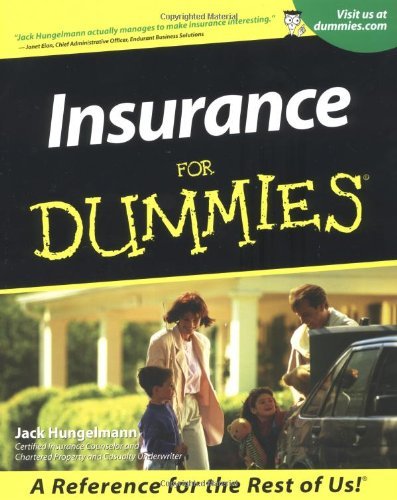
Insurance for Dummies: Hungelmann, Jack
<strong>Manage life, health, and disability risks</strong> ― explore individual and group policies, understand Medicare basics, and evaluate long-term disability and long-term-care insurance ...
Check Price on AmazonEssential coverages
Dwelling coverage: This insures the structure itself — your walls, roof, floors, built-in cabinets. Your dwelling limit should reflect the home’s replacement cost (what it would cost to rebuild the same house today), not your purchase price. Many insurers estimate this with a replacement cost calculator.
Personal property: This covers your belongings — furniture, clothing, electronics. Ask whether it’s Actual Cash Value or Replacement Cost. Replacement cost pays to buy new items today; Actual Cash Value subtracts depreciation (age/wear). In most cases, new homeowners should choose replacement cost for personal property.
Liability: If someone is injured at your home or you accidentally damage someone else’s property, liability helps with legal costs and settlements. Limits commonly start at $100,000; many homeowners bump this to $300,000–$500,000 for a small additional premium.
Loss of Use (also called Additional Living Expense): Pays for temporary housing, meals, and other extra costs if a covered claim makes your home uninhabitable. Check the dollar limit or time cap.
New to this and want a quick primer on what a home policy covers day to day? See our guide: What Does Home Insurance Cover?
Common gaps first-time buyers overlook
Water backup of sewer/drain: Covers damage if water backs up through sewers, drains, or a sump pump. This is a separate endorsement (an add-on to your policy) with its own limit — often $5,000–$25,000. Without it, a $9,000 basement cleanup after a sump failure is typically not covered.
Extended replacement cost: Adds an extra 10%–50% (sometimes more) above your dwelling limit if rebuilding runs higher than expected. This helps if construction costs spike after a major storm or wildfire.
Ordinance or law coverage: Pays the extra cost to bring your home up to current building codes during a covered repair. Useful for older homes; a simple electrical upgrade can add thousands.
Flood insurance: Standard home insurance doesn’t cover flood (rising water from outside). If you’re in a high-risk flood zone, your lender will require a separate flood policy (through the NFIP or private market). Even outside mandatory zones, consider a low-cost preferred risk policy if local flooding is a “once every few years” reality.
Earthquake coverage: Not included in standard policies. If you’re in parts of CA, WA, OR, UT, MO, or OK, ask about a separate earthquake policy or endorsement.
Scheduled personal property: Jewelry, watches, art, and collectibles often have low “sublimits” (smaller maximums inside your personal property coverage). Scheduling means itemizing valuables with appraisals so they’re covered for higher limits and broader causes of loss, sometimes with no deductible (the amount you pay out of pocket before insurance pays).
Service line and equipment breakdown: Optional but practical. Service line helps with underground pipes or wiring from the street to your home. Equipment breakdown helps if a power surge fries your HVAC.
Pro tip: When you’re new to owning, you’re still building your “what could go wrong” list. Start with these add-ons first; you can fine-tune in year two once you know the home better.
Best home insurance for new homeowners: carriers worth a quote
Availability and pricing vary by state, home, and personal profile — there’s no single winner. But some insurers typically stand out for first-time buyers on affordability, claims service, fast policy issuance, and helpful discounts for new purchases and smart-home safety. Use this as a starting shortlist and get quotes from 3–5 of them to see real numbers for your address.
State Farm — Best agent support and bundling value: Wide availability, strong agent network for hand-holding your first policy, and robust catastrophe response. Often competitive when you bundle home and auto. Look for new roof and protective device discounts. Online quotes are straightforward; bind-through-agent is common.
Travelers — Great for first-time buyer discounts: Frequently offers a “home buyer” discount (newly purchased home), plus options like replacement cost on contents and green home discounts. Solid for newer construction and moderate-risk ZIP codes.
Nationwide — Flexible endorsements and features: Options like “Brand New Belongings” (replacement cost for personal items) and better-roof coverage in many states. Often strong discounts for smart-home devices, updated roofs, and renovated systems.
Amica — High claims satisfaction and dividends: Known for top-tier service in many surveys. Dividend policies (where available) return part of the premium, lowering your net cost over time. Premiums may run a bit higher upfront but can pay off after a claim.
Erie Insurance — Outstanding value where available: Regional carrier with competitive rates and generous coverage options in many Mid-Atlantic/Midwest states. Often includes guaranteed or extended replacement cost options and very responsive local agents.
Auto-Owners — Strong regional pick with tailored advice: Sold through independent agents with excellent claims reputation. Wide menu of endorsements (water backup, service line, equipment breakdown) to customize a first policy correctly.
USAA — Best for military families: Consistently strong claims handling and member benefits. Eligibility is limited to active/retired military and eligible family members. Often includes replacement cost for personal property.
Liberty Mutual — Fast digital tools and first-time buyer savings: Frequently competitive for newly purchased homes and newer roofs, with a quick online quote-to-bind flow in many states.
Farmers — Good for customization: Agents can tailor endorsements like extended replacement cost, ordinance or law, and water backup. Savings often materialize with multi-policy and newer home discounts.
Lemonade and Hippo — Quick issuance and smart-home savings: Digital-first carriers with fast quoting/binding, often with discounts for connected devices (water leak sensors, smoke detectors). Review coverage details and sublimits closely to match a traditional HO-3/HO-5.
Not sure where to start? We keep an updated view of strong options here: Best Home Insurance 2026: Top Picks, How to Choose & Get Quotes
How we compared for new homeowners
- Affordability for first-time buyers: New-home and newly purchased home discounts, plus bundle savings
- Claims satisfaction: Reputation, catastrophe response, and complaint levels (consider J.D. Power studies and your state’s DOI complaint index)
- Speed to policy: Ability to quote and issue same day (important when the lender’s closing clock is ticking)
- Coverage depth: Availability of extended replacement cost, water backup, ordinance or law, and replacement cost on contents
- Tech and service: Easy digital tools plus access to knowledgeable agents when you want a human
What drives your premium — and realistic cost ranges
Your price is personal. Insurers weigh the home itself, your location, and your history. Here are the big levers and typical impacts.
Location and catastrophe risk: Coastal wind/hail and hurricane exposure, wildfire zones, and local crime patterns can move premiums by thousands. Distance to a fire hydrant and fire station matters too.
Home age and condition: Newer roofs, updated wiring/plumbing, and wind/hail-resistant materials usually lower premiums. Older roofs, aluminum wiring, and galvanized plumbing can raise them.
Construction type and rebuild cost: Square footage, stories, foundation, roof shape/material, and local labor costs drive the dwelling limit and premium.
Credit-based insurance score (where allowed): In many states, better credit correlates with lower rates. Some states prohibit or limit credit use.
Claims history: Prior home claims (even from a previous address) can push rates up for 3–5 years. A clean history helps.
Coverage limits and deductibles: Higher dwelling and liability limits cost more. Raising your deductible (the amount you pay before insurance pays) from $1,000 to $2,500 can reduce premiums, sometimes meaningfully. In coastal states, separate percentage deductibles for wind/hail or named storms are common.
Sample scenarios (illustrative only — rates vary by state and home)
Newly built 2,000 sq. ft. home in a suburban Midwest ZIP, composite roof, no prior claims, $300K dwelling, $1,000 deductible: Typically $900–$1,600 per year.
1998 1,800 sq. ft. home in North Texas hail belt, 30-year architectural roof, $350K dwelling, $2,500 wind/hail deductible: Typically $1,800–$3,400 per year.
1975 1,600 sq. ft. home in a coastal Florida county, shutters/mitigation credits applied, $350K dwelling, 2% hurricane deductible: Often $3,500–$7,500+ per year.
1985 1,900 sq. ft. home near a Western wildfire interface zone, Class A roof, cleared defensible space, $400K dwelling: Commonly $2,200–$5,000 per year.
Townhome-style condo (HO-6 policy) in a lower-risk metro, $50K personal property, $300K liability: Often $350–$900 per year.
These are ranges, not quotes. The fastest way to see what you would actually pay is to compare quotes from 3–5 carriers for your exact address and coverage.
How to choose and buy your first policy with confidence
Know your lender’s requirements
- Proof of insurance by closing: Your lender will require a declarations page and usually a paid receipt or proof of escrow before closing.
- Sufficient dwelling coverage: Lenders expect coverage that meets the home’s replacement cost as estimated by the insurer (not just the loan amount). The bank must be listed as mortgagee on the policy.
- Special requirements by area: If your home is in a high-risk flood zone, separate flood insurance is typically mandatory. In hurricane zones, certain wind/hail deductibles or mitigation features (like shutters) may be required.
Endorsements that often make sense for first-time buyers
- Extended replacement cost (or guaranteed, where available): Helps if rebuild costs run over the limit.
- Water backup of sewer/drain: Common, affordable, and high-value.
- Ordinance or law: Especially for older homes or those subject to strict codes.
- Service line and equipment breakdown: Small add-ons that can save headaches.
- Scheduled personal property: For engagement rings, watches, or collections with value above standard sublimits.
Smart ways to lower your premium without underinsuring
- Bundle home and auto: Multi-policy discounts can be significant. If you’re shopping auto too, start here: Car Insurance: Compare Quotes & Save on Coverage Today
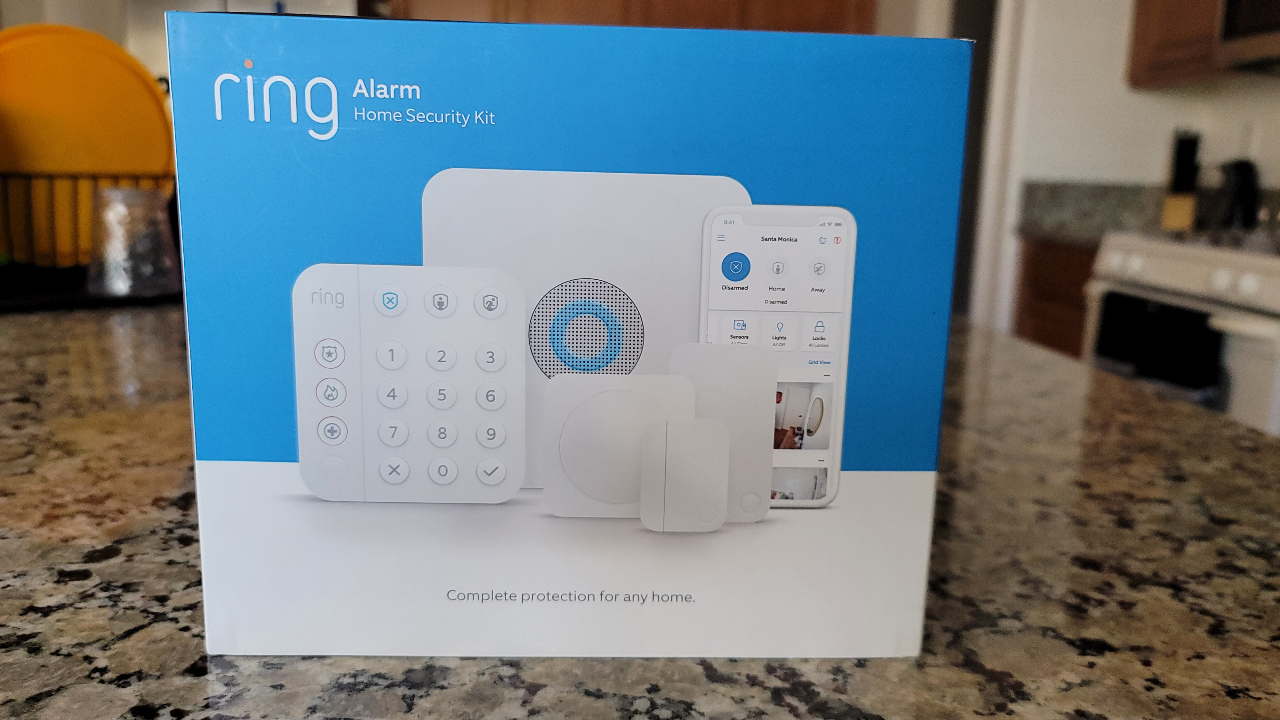
Ring Alarm 8-piece kit (2nd Gen) – home security system
View on Amazon
Govee WiFi Water Leak Detector 3 Packs, Leak Alert with Remotely Email/APP Push and Sound Alarm, Smart Water Sensor with 100dB Adjustable Alarm, Suit for Home and Basement - Amazon.com
View on AmazonRaise your deductible thoughtfully: Moving from $1,000 to $2,500 or $5,000 can drop premiums; keep an emergency fund to cover it.
Capture home updates: New roof, updated electrical or plumbing, water leak sensors, monitored smoke/CO alarms — all can earn credits.
Ask for first-time buyer/newly purchased home discounts: Several carriers offer them within the first 12 months of ownership.
Stay claims-aware: Small nuisance claims can raise premiums for years. Consider paying out of pocket for minor fixes below or near your deductible.
Vet the insurer’s strength and service
- Financial strength: Look for A.M. Best A- (Excellent) or better to gauge claims-paying ability.
- Claims handling: Check J.D. Power customer satisfaction studies, your state insurance department’s complaint index, and independent agent feedback.
- Catastrophe response: If you live in a storm or wildfire-prone area, ask how they handle surge events (temporary CAT teams, mobile claim centers, direct-pay options to contractors).
A practical checklist to compare quotes
Match coverage apples-to-apples: Same dwelling limit and endorsements (extended replacement cost, water backup, ordinance or law, service line) across all quotes.
Confirm replacement cost on contents: Ensure personal property is covered at replacement cost, not actual cash value, if that’s your preference.
Set realistic deductibles: Pick an all-perils deductible you can pay tomorrow, and note any separate wind/hail or hurricane percentage deductibles.
Check sublimits: Jewelry, firearms, collectibles, and business property often have small caps unless scheduled.
Inventory your stuff: A simple phone video walkthrough helps prove ownership later.
Validate discounts: Bundle, protective devices, renovated systems, new purchase, pay-in-full, paperless, and claims-free credits.
Read recent reviews and ask your agent two questions: “How fast can we bind if my close date moves?” and “What endorsements do most of your first-time clients end up using here?”
Ready to see real numbers? Compare personalized quotes here: Home Insurance Guide 2026 — Compare Quotes, Coverage & Costs
Real-world examples new owners ask us about
“We’re closing in 10 days and the agent’s estimate seems high. Is that normal?” If you’re in a catastrophe-prone zone (coastal wind or wildfire), yes — rates have risen in recent years. Ask for savings via higher deductibles, updated mitigation features, and bundle credits, then compare with 2–3 more carriers today.
“Do I need water backup if I don’t have a basement?” Backups can occur through any drain line, not just basements. If your laundry room or bathroom is on the main level, a backup can still create a costly mess. This endorsement is usually inexpensive relative to the risk.
“My ring is worth $8,000. Will the policy cover it?” Standard jewelry sublimits often cap at $1,500–$2,500 for theft. Schedule it to the appraised value to avoid gaps — often with no deductible and worldwide coverage.
“Our home is 60 years old. What should we add?” Strong candidates: ordinance or law coverage, water backup, extended replacement cost, and possibly service line. Also confirm replacement cost on contents.
Your next step
You don’t have to become an insurance expert overnight. The best home insurance for new homeowners balances the right protections with a price that fits your budget — and the only way to know your real cost is to see quotes side by side. The fastest way to see what you would actually pay is to compare quotes from 3–5 carriers for your address.
- Start with our vetted picks and get live quotes: Best Home Insurance 2026: Top Picks, How to Choose & Get Quotes
If you want a deeper dive into coverage terms and costs before you shop, this walkthrough helps: Homeowners Insurance: A Complete Guide to Coverage, Costs & Quotes
Note: Insurance pricing and eligibility vary by state and individual profile. For personalized advice, speak with a licensed agent who can tailor endorsements and limits to your home, lender requirements, and risk tolerance.
Recommended Resources
Insurance for Dummies: Hungelmann, Jack
<strong>Manage life, health, and disability risks</strong> ― explore individual and group policies, understand Medicare basics, and evaluate long-term disability and long-term-care insurance ...
Govee WiFi Water Leak Detector 3 Packs, Leak Alert with Remotely Email/APP Push and Sound Alarm, Smart Water Sensor with 100dB Adjustable Alarm, Suit for Home and Basement - Amazon.com
Govee WiFi Water Leak Detector 3 Packs, <strong>Leak Alert with Remotely Email/APP Push and Sound Alarm, Smart Water Sensor with 100dB Adjustable Alarm, Suit for Home and Basement</strong> - Amazon.co
Ring Alarm 8-piece kit (2nd Gen) – home security system
<strong>24/7 Professional Monitoring</strong> If a break-in or emergency is detected, we’ll request emergency response.² <strong>24/7 Professional Monitoring</strong> · If a break-in or emergency is d
Related Articles
- Best Home Insurance 2026: Top Picks, How to Choose & Get Quotes
- Best Car Insurance for New Cars: Coverage Priorities, Top Policy Features, and Money-Saving Tips
- Must‑Ask Questions About Home Insurance: What Every Homeowner Should Ask
- Home Insurance in New Hampshire: Coverage, Costs & Best Companies
- Best Home Insurance for Renters: Compare Coverage, Cost & Top Picks
- How to Find the Cheapest Homeowners Insurance (Get Quotes & Save)
- Homeowners Insurance: A Complete Guide to Coverage, Costs & Quotes
- Best Car Insurance for New Drivers: Top Picks & How to Save