
Auto Insurance Requirements by State — State‑by‑State Coverage Rules & What You Really Need
You just want a straight answer: what coverage do I actually need where I live (or where I’m moving)? This guide lays out auto insurance requirements by state so you can see the minimums, the states with PIP (personal injury protection), where UM/UIM (uninsured/underinsured motorist) is mandatory, and what insurers don’t always tell you about driving with bare‑bones limits.
Note: Laws change. Several states have raised minimums recently. Use the DMV/insurance department links below to confirm today’s rules before you buy or renew.
Auto insurance requirements by state: the minimums at a glance
Below are each state’s required coverages and minimum liability limits — shown as BI/PD, meaning bodily injury liability per person / bodily injury per accident / property damage liability. I flag where PIP (your own medical benefits regardless of fault), MedPay (medical payments), and UM/UIM (coverage if you’re hit by a driver with little or no insurance) are required. “Offer” means the insurer must offer it, but you can usually reject in writing.
- Alabama (AL): 25/50/25 BI/PD; UM/UIM offered; no PIP.
- Alaska (AK): 50/100/25; UM/UIM offered; no PIP.
- Arizona (AZ): 25/50/15; UM/UIM offered; no PIP. (AZ raised limits in 2023.)
- Arkansas (AR): 25/50/25; no mandatory PIP, but insurers must offer no‑fault medical/disability; UM/UIM offered.
- California (CA): 15/30/5 (scheduled to increase to 30/60/15 in 2025); UM/UIM and MedPay offered; no PIP.
- Colorado (CO): 25/50/15; MedPay $5,000 included by default unless rejected; UM/UIM offered.
- Connecticut (CT): 25/50/25; UM/UIM required (25/50).
- Delaware (DE): 25/50/10; PIP at least $15,000 per person/$30,000 per accident; UM/UIM required (25/50).
- District of Columbia (DC): 25/50/10; PIP required; UM/UIM required at least to BI minimums.
- Florida (FL): No BI required for most drivers; PIP $10,000 and property damage liability $10,000 required. UM/UIM optional. No‑fault PIP state.
- Georgia (GA): 25/50/25; UM/UIM optional (must be offered).
- Hawaii (HI): 20/40/10; PIP $10,000 required; UM/UIM offered. No‑fault PIP state.
- Idaho (ID): 25/50/15; UM required (25/50) unless rejected; UIM optional.
- Illinois (IL): 25/50/20; UM/UIM required (25/50).
- Indiana (IN): 25/50/25; UM/UIM included unless rejected in writing.
- Iowa (IA): 20/40/15; UM/UIM offered; no PIP.
- Kansas (KS): 25/50/25; PIP required (medical, disability, rehab benefits by statute); UM/UIM required (25/50). No‑fault PIP state.
- Kentucky (KY): 25/50/25; PIP $10,000 required; UM required (25/50), UIM optional. Choice no‑fault state.
- Louisiana (LA): 15/30/25; UM/UIM optional (must be offered).
- Maine (ME): 50/100/25; MedPay $2,000 required; UM/UIM required (50/100).
- Maryland (MD): 30/60/15; PIP $2,500 unless waived; UM/UIM required at least 30/60/15.
- Massachusetts (MA): 20/40/5; PIP $8,000 required; UM 20/40 required. No‑fault PIP state.
- Michigan (MI): 50/100/10 BI required; PIP required (various limit options/coordination); Property Protection Insurance (PPI) $1,000,000 required; UM/UIM optional. No‑fault PIP state.
- Minnesota (MN): 30/60/10; PIP $40,000 per person ($20k medical/$20k income) required; UM/UIM required (25/50). No‑fault PIP state.
- Mississippi (MS): 25/50/25; UM/UIM optional.
- Missouri (MO): 25/50/25; UM required (25/50); UIM optional.
- Montana (MT): 25/50/20; UM required unless rejected in writing.
- Nebraska (NE): 25/50/25; UM/UIM required (25/50).
- Nevada (NV): 25/50/20; UM/UIM optional (must be offered).
- New Hampshire (NH): No compulsory insurance for most drivers. If you buy a policy: 25/50/25, MedPay $1,000, and UM/UIM 25/50 are required. Proof of financial responsibility is required after certain offenses.
- New Jersey (NJ): Standard policy: 25/50/25; PIP at least $15,000 per person (more for specific injuries); UM/UIM required. “Basic” policy with limited benefits exists but is very narrow. No‑fault PIP state.
- New Mexico (NM): 25/50/10; UM/UIM optional (must be offered).
- New York (NY): 25/50/10; PIP $50,000 required; UM required (25/50); UIM optional. No‑fault PIP state.
- North Carolina (NC): 30/60/25; UM/UIM required (UIM typically activates above certain UM limits).
- North Dakota (ND): 25/50/25; PIP $30,000 required; UM required (25/50); UIM required (25/50). No‑fault PIP state.
- Ohio (OH): 25/50/25; UM/UIM optional (must be offered).
- Oklahoma (OK): 25/50/25; UM/UIM optional (must be offered).
- Oregon (OR): 25/50/20; PIP $15,000 required; UM/UIM required (25/50).
- Pennsylvania (PA): 15/30/5; first‑party medical benefits (PIP) $5,000 required; UM/UIM optional (must be offered). Choice no‑fault state.
- Rhode Island (RI): 25/50/25; UM/UIM required unless rejected in writing.
- South Carolina (SC): 25/50/25; UM required (25/50/25); UIM optional (must be offered).
- South Dakota (SD): 25/50/25; UM required (25/50); UIM required (25/50).
- Tennessee (TN): 25/50/25; UM/UIM optional (must be offered).
- Texas (TX): 30/60/25; PIP included unless rejected; UM/UIM offered; neither required.
- Utah (UT): 25/65/15; PIP $3,000 required; UM required unless rejected. No‑fault PIP state.
- Vermont (VT): 25/50/10; UM/UIM required (commonly 50/100 for BI; PD UM/UIM may apply).
- Virginia (VA): 30/60/20 (scheduled increases in future years); UM/UIM required equal to liability limits unless rejected; uninsured motorist fee for new registrations has been eliminated.
- Washington (WA): 25/50/10; PIP and UM/UIM must be offered; not required.
- West Virginia (WV): 25/50/25; UM/UIM required (25/50; PD UM may apply).
- Wisconsin (WI): 25/50/10; UM required (25/50); UIM required (50/100).
- Wyoming (WY): 25/50/20; UM must be offered; not required.
Helpful deep dives if you live in or are moving to these states:
- Florida’s no‑fault PIP rules and penalties: Auto Insurance in Florida: Rates, Requirements & How to Save
- Massachusetts minimums and PIP basics: Auto Insurance in Massachusetts: Rates, Requirements & How to Save
- New Hampshire’s “no compulsory insurance” nuances: Auto Insurance in New Hampshire: Rates, Requirements & How to Save
- New Jersey’s Standard vs. Basic policy: Auto Insurance in New Jersey: Rates, Requirements & How to Save
- Arizona’s increased minimums and how they affect premiums: Auto Insurance in Arizona: Rates, Requirements & How to Save
Quick note: Minimums are exactly that — the floor, not a recommendation. See the “What you really need” section below for realistic protection levels.
Proof, penalties and special filings (SR‑22s), plus out‑of‑state and rentals
Proof‑of‑insurance rules
- What counts: Your ID card (paper or electronic) from the insurer, a declarations page, or a binder typically works. All states accept some form of electronic proof during a traffic stop.
- When you must show it: At registration/renewal in most states, after a crash, and during traffic stops. Some DMVs verify insurance electronically and will suspend registrations if your policy cancels.
Penalties for driving uninsured
- First offense: Typically $100–$500 in fines, possible court costs, and proof‑of‑insurance required. Some states add registration and/or license suspensions until you show coverage and pay reinstatement fees.
- Repeat offenses: Higher fines, longer suspensions, vehicle impoundment in some jurisdictions, and a requirement to carry an SR‑22 filing (see below).
- After an at‑fault crash with no insurance: You can face civil judgments, wage garnishment, and in some states your license can be suspended until you satisfy damages.
SR‑22 and FR‑44 — what they are and when they apply
- SR‑22: Not insurance. It’s a certificate your insurer files with the state to prove you carry at least the minimum liability coverage after certain violations (DUI, major at‑fault crash, driving uninsured). It usually must stay on file for 3 years (varies by state). Your premium typically increases and your insurer may charge a filing fee.
- FR‑44: A stricter filing used in a few states (notably Virginia and Florida) after serious offenses like DUI, requiring higher liability limits than the standard minimums.
- Lapses matter: If your policy cancels during an SR‑22/FR‑44 period, your insurer notifies the state and your license/registration can be suspended again.
Out‑of‑state driving and rentals
- Reciprocity: Your policy typically “broadens” to meet the minimum auto liability insurance required by the state you’re driving in. Example: you carry 25/50/25 and drive in a 30/60/25 state; most policies automatically step up to that state’s minimums for that trip.
- No‑fault/PIP states: Your out‑of‑state policy may not provide PIP benefits the way local policies do. If you move or register your car in a no‑fault state, you’ll need a policy issued in that state to comply fully.
- Rentals: Your own liability coverage generally follows you to a rental car in the U.S. The rental company’s state‑minimum liability may apply if you have no policy. The collision damage waiver (CDW/LDW) is not insurance but can save you from paying for the rental’s damage and loss‑of‑use charges.
CTA: The fastest way to see what you would actually pay for the right coverage where you live is to compare real quotes from 3–5 insurers. Get personalized quotes and ask each carrier to price both minimum limits and stronger options so you can see the trade‑offs.
What you really need beyond the minimums
Minimum limits are designed to make you legal, not fully protected. Medical costs and vehicle prices have climbed fast, and even a “moderate” crash can exceed 25/50/25.
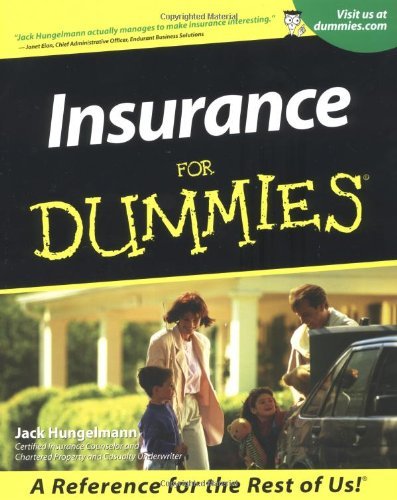
Insurance for Dummies: Hungelmann, Jack
<strong>Manage life, health, and disability risks</strong> ― explore individual and group policies, understand Medicare basics, and evaluate long-term disability and long-term-care insurance ...
Check Price on AmazonSmarter starting points (typical recommendations — adjust to your budget and assets)
- Liability (BI/PD): Aim for at least 100/300/50. If you own a home or have savings/income to protect, consider 250/500/100.
- UM/UIM: Match your liability limits if possible. This protects you and your passengers if you’re hit by a driver with little or no insurance — common in many states.
- PIP or MedPay: If required, pick a limit that actually helps — many drivers choose $10,000–$25,000 where options exist. If optional in your state, consider at least $5,000–$10,000 to handle deductibles and immediate medical bills, especially if your health plan has high deductibles or out‑of‑network gaps.
- Comprehensive and collision: Add these if your car is leased/financed or you can’t afford to replace it. Typical deductibles are $250–$1,000. Comprehensive covers non‑crash losses (theft, hail, fire, vandalism, deer). Collision covers crash damage to your car regardless of fault.
- Gap or loan/lease payoff: If you owe more than the car is worth, gap can cover the difference after a total loss. Often required on leases.
- Rental reimbursement and roadside: Helpful, low‑cost add‑ons that keep you moving after a covered claim.
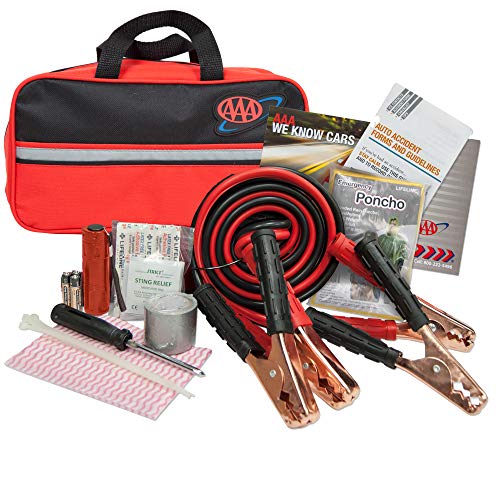
Lifeline AAA Premium Road Kit, 42 Piece Emergency Car Kit with Jumper Cables, Flashlight and First Aid Kit,4330AAA,Black : Everything Else
View on AmazonReal‑world scenarios that show why minimums fall short
- Three‑car chain‑reaction: You rear‑end a luxury SUV, which taps a third car. Property damage totals $74,000. With a 25/50/25 policy, you’re about $49,000 short on property damage — that difference can come out of your pocket.
- Serious injury: You injure two people. Hospital and rehab bills hit $210,000. With 25/50 BI, the per‑accident cap is $50,000 — leaving $160,000 uncovered. With 100/300 BI, you’d likely be covered for this claim.
- Uninsured driver hits you: In many states, more than 1 in 8 drivers is uninsured. If you carry UM/UIM equal to your liability (say 250/500), it can pay for your medical bills and lost wages when the at‑fault driver can’t.
- Rideshare driving: Personal policies exclude “driving for hire.” If you drive for Uber/Lyft, you typically need a rideshare endorsement; the app’s coverage varies by period (app on vs. passenger in). Don’t assume your personal policy covers you.
- Leased/financed vehicles: Your lender will require comprehensive/collision, may cap your deductible, and often requires you to be listed as loss payee. Skipping this can trigger expensive force‑placed coverage.

Garmin Dash Cam Mini 2, Tiny Size, 1080p and 140-degree FOV, Monitor Your Vehicle While Away w/New Connected Features, Voice Control - 010-02504-00 : Electronics
View on AmazonHow to compare policies (what to look for)
- Match the must‑haves: Confirm you meet your state’s minimums, then price stronger options side‑by‑side (100/300/50 vs. 250/500/100; UM/UIM to match liability).
- Deductible math: Higher deductibles lower premiums, but make sure you can pay that amount tomorrow without stress.
- First‑party medical: Check how PIP or MedPay coordinates with your health insurance — duplication isn’t always bad if it reduces out‑of‑pocket costs after a crash.
- Claims reputation: Look for carriers with strong claims service and OEM parts or guaranteed repair networks if those matter to you.
- Discounts you actually qualify for: Telematics/usage‑based, safe driver, multi‑policy, homeowner, good student, new car, anti‑theft, and paid‑in‑full can meaningfully reduce premiums.
- Financial strength: Favor insurers with solid AM Best or equivalent ratings — particularly if you’re buying high limits.
Note: For personal guidance — especially if you drive for work, have a teen driver, or you’re moving between states — talk with a licensed agent. Rules and rates vary by state and insurer.
Authoritative resources and how to keep up with changes
State minimums can and do change. Set a reminder to confirm requirements at each renewal and any time you move, add a driver, or buy a car.
Reliable places to verify current rules:
- Your state DMV or motor vehicle agency: Find links at USA.gov’s directory: https://www.usa.gov/motor-vehicle-services
- Your state insurance department: NAIC directory of state insurance departments: https://content.naic.org/state-insurance-departments
- Your policy contract: Look for the “out‑of‑state coverage” or “conformity to state law” clause; it typically raises your limits to another state’s minimums when you’re driving there.
What changes and how often:
- Liability minimums: Legislatures occasionally increase BI/PD minimums (examples in recent years include Arizona and Virginia). Insurers adjust rates over time to reflect higher payouts.
- PIP/UM rules: No‑fault states periodically update PIP benefit structures. Some states strengthen UM/UIM requirements to address uninsured motorist rates.
- Electronic verification: More DMVs auto‑verify insurance, which can trigger faster suspensions after lapses.
Action you can take now:
- Verify your state’s current minimums through the links above.
- Pull your declarations page and check your limits and deductibles.
- Compare quotes from 3–5 carriers for both minimum and recommended limits — it’s the fastest way to see your real price difference.
If you’d like help making sense of options, a licensed agent can walk you through trade‑offs without upselling. Bring your current policy so you can compare apples to apples.
Bottom line: Meeting the legal minimums keeps you on the road; choosing the right limits keeps your savings and income protected. When in doubt, price it out — you may find that moving from 25/50/25 to 100/300/50 costs less than you think, and UM/UIM is one of the best value coverages you can buy.
Recommended Resources
Insurance for Dummies: Hungelmann, Jack
<strong>Manage life, health, and disability risks</strong> ― explore individual and group policies, understand Medicare basics, and evaluate long-term disability and long-term-care insurance ...
Garmin Dash Cam Mini 2, Tiny Size, 1080p and 140-degree FOV, Monitor Your Vehicle While Away w/New Connected Features, Voice Control - 010-02504-00 : Electronics
Buy Garmin Dash Cam Mini 2, <strong>Tiny Size, 1080p and 140-degree FOV, Monitor Your Vehicle While Away w/New Connected Features, Voice Control</strong> - 010-02504-00: On-Dash Cameras - Amazon.com ✓
Lifeline AAA Premium Road Kit, 42 Piece Emergency Car Kit with Jumper Cables, Flashlight and First Aid Kit,4330AAA,Black : Everything Else
Amazon.com: <strong>Lifeline AAA Premium Road Kit</strong>, 42 Piece Emergency Car Kit with Jumper Cables, Flashlight and First Aid Kit,4330AAA,Black : Everything Else
Related Articles
- Auto Insurance in Florida: Rates, Requirements & How to Save
- Auto Insurance in Massachusetts: Rates, Requirements & How to Save
- Auto Insurance in Pennsylvania: Rates, Requirements & How to Save
- Auto Insurance in Illinois: Rates, Requirements & How to Save
- Auto Insurance in Nebraska: Rates, Requirements & How to Save
- Auto Insurance in Maine: Rates, Requirements & How to Save
- Auto Insurance in Wisconsin: Rates, Requirements & How to Save
- Auto Insurance in Mississippi: Rates, Requirements & How to Save