
Auto Insurance in Illinois: Rates, Requirements & How to Save
You’re shopping for auto insurance in Illinois and want to know two things: what the state actually requires and what a fair price looks like. Here’s what matters, how rates really work in Illinois, and the smartest ways to save without leaving yourself underinsured.
Note: Rates and rules change over time and vary by insurer and your personal details. Use this guide to get oriented, then compare a few real quotes to see your number.
Illinois auto insurance requirements and minimum coverage
Illinois is a “fault” state. That means the driver who is found at fault in a crash (and their insurer) is generally responsible for the other party’s injuries and property damage.
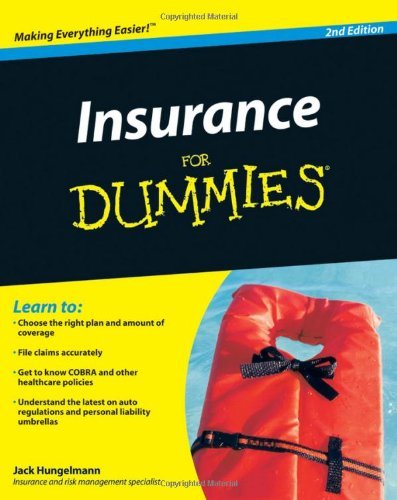
Insurance For Dummies?: Hungelmann, Jack
Whether you’re a homeowner or ... need on: ... Author Jack Hungelmann <strong>uses his twenty-five years of experience in the insurance industry to make buying insurance as simple as possible</strong>
Check Price on AmazonTo legally drive, Illinois requires you to carry at least:
- Bodily Injury Liability: $25,000 per person / $50,000 per accident. This pays for injuries you cause to others.
- Property Damage Liability: $20,000 per accident. This pays for damage you cause to someone else’s car or property.
- Uninsured Motorist Bodily Injury (UMBI): $25,000 per person / $50,000 per accident. This protects you if you’re hit by a driver without insurance.
A quick jargon check:
- Liability coverage: pays others when you’re at fault. It does not pay to repair your car.
- Uninsured motorist (UM): pays when the at-fault driver has no insurance.
- Underinsured motorist (UIM): pays when the at-fault driver’s policy isn’t enough.
In Illinois, UMBI is required at the same minimum limits as your bodily injury liability. Insurers must also offer Underinsured Motorist Bodily Injury (UIMBI). If you choose higher liability limits, Illinois typically requires you to carry some level of UIMBI unless you reject the higher UIM limits in writing. Ask your agent how your UM/UIM limits line up with your liability limits.
Optional but important coverages:
- Collision: pays to repair or replace your car after a crash, regardless of fault. Your deductible (the amount you pay out of pocket before insurance kicks in) applies.
- Comprehensive: pays for non-crash damage like theft, hail, flood, fire, vandalism, or hitting a deer.
- Medical Payments (MedPay): helps with medical bills for you and passengers, regardless of fault.
- Rental reimbursement: helps cover a rental car while yours is in the shop after a covered claim.
- Roadside assistance: towing, jump-starts, lockouts, and more.
If you have a loan or lease, your lender will almost always require comprehensive and collision.
Proof-of-insurance and electronic verification: Illinois uses electronic verification to confirm active insurance. If the system can’t verify your policy, you may be asked to provide proof. Failing to maintain insurance can lead to fines and registration suspension until you provide proof and pay reinstatement fees.
For a deeper breakdown of liability vs. comprehensive vs. collision, see our guide: Understanding Auto Insurance Coverage Types.
Average car insurance rates in Illinois by age, vehicle, and driving record
Let’s talk ballpark numbers so you know what’s typical. Actual quotes depend on dozens of factors (your ZIP code, your car, your driving history, credit-based insurance score, and more), but here’s how prices generally stack up in Illinois.
Typical annual ranges in many Illinois ZIP codes (not a quote):
- Minimum liability-only policies: often around $500–$900 per year for clean drivers.
- Full coverage (liability + comp/collision): often around $1,400–$2,100 per year for a 30–40-year-old driver with a clean record.
By age (full coverage, clean record, many areas of IL):
- Teens (16–19): commonly $4,000–$7,000. New drivers are high-risk.
- Early 20s: often $2,200–$3,200.
- 30s–50s: commonly $1,400–$2,100.
- 60s: often similar to 40s–50s or slightly lower.
- 70s+: can rise again due to increased claim severity.
By vehicle type (relative to a midsize sedan):
- Compact sedan: sometimes 5–10% lower.
- Midsize SUV: similar to slightly higher.
- Pickup truck: varies; liability claims can be higher, comp/collision can be similar or higher.
- Luxury or high-performance: often 30–100% higher due to repair costs and theft risk.
- Electric vehicles: can be higher due to parts and repair networks; battery costs matter.
By driving record (impact vs. a clean record):
- One speeding ticket: often +10–25% at renewal.
- At-fault accident: commonly +30–50% for 3–5 years.
- DUI: can be +60–100% (or more), and an SR-22 filing (a certificate your insurer files to prove you carry required insurance) is typically required for a period set by the state.
City vs. rural: Chicago and nearby suburbs typically see higher rates than many downstate areas due to higher traffic density, accident frequency, and theft. Two identical drivers can see very different quotes depending on their ZIP codes.
The fastest way to know your price: compare 3–5 quotes for the same limits and deductibles. You’ll often see a $600–$1,000+ spread between carriers for the exact same coverage, especially in metro areas.
Factors that affect Illinois auto insurance premiums
Here’s what insurers in Illinois usually weigh when pricing your policy:
- Driving history: Accidents, tickets, and DUIs have the biggest impact and typically stay in rating for 3–5 years.
- Vehicle: Repair and replacement costs, safety features, theft rates, and even trim level matter.
- Coverage selections: Higher liability limits cost more. Choosing comprehensive and collision adds cost, and your deductibles influence the premium.
- Mileage and use: Long commutes or rideshare use raise risk.
- ZIP code: Claim frequency, medical costs, litigation frequency, and theft in your area affect rates.
- Credit-based insurance score: Legal in Illinois. In most cases, better credit correlates with fewer claims and can lead to lower premiums. Insurers must follow state rules and cannot use credit as the sole reason to deny coverage.
- Household and policy structure: Adding teen drivers or multiple vehicles changes the math. Bundling home or renters usually lowers the total.
- Prior insurance and lapses: A recent lapse in coverage is a red flag and can raise rates.
- Discounts and telematics: Safe-driver programs and usage-based insurance can lower prices for many drivers who opt in.
How to compare and get the cheapest auto insurance in Illinois
If you want the best price for the right coverage, use a repeatable process.
- Set realistic coverage targets first
- Start with liability limits that protect your assets. In most cases, Illinois drivers choose at least 50/100/50 or 100/300/100 rather than the 25/50/20 minimum, because medical bills and modern vehicles are expensive.
- Pick your comprehensive and collision deductibles based on what you could comfortably pay tomorrow (e.g., $500 or $1,000). Higher deductibles lower premium, but make sure that out-of-pocket number is doable.
- Align UM/UIM with your liability where possible; it protects you from underinsured drivers.
- Get quotes the smart way
- Quote the same limits/deductibles with each carrier so you can do an apples-to-apples comparison.
- Include at least one regional or Illinois-focused insurer and two national carriers. Pricing can be very different by ZIP code.
- Add all eligible discounts (more on these below) before you compare totals.
- Use telematics selectively
- Usage-based programs (tracking your driving through a smartphone app or device) in Illinois can cut 10–30% for safe drivers. They monitor things like hard braking, late-night driving, and phone use. If you drive mostly during the day and don’t speed, it’s often worth it. If you regularly drive at midnight on busy city streets, skip it.
- Re-shop at the right times
- After a ticket or accident falls off, after you move, replace a vehicle, add/remove a driver, or your credit improves, re-quote. Market conditions also change—Illinois saw rate increases in recent years due to inflation in repair and medical costs, then some carriers stabilized.
- Don’t forget total cost of ownership
- A slightly higher premium from a carrier with better claims service and local repair networks can be worth it when something goes wrong. Glowing repair shop relationships tend to mean faster cycle times and fewer headaches.
Ready to see your own number? It typically takes 5–10 minutes to compare. Start here: Car Insurance Quotes: Compare Rates & Get Personalized Quotes Fast
Illinois-specific discounts and savings opportunities
Most companies advertise similar discounts, but a few are especially useful for Illinois drivers:
- Multi-policy (bundling): Combine auto with home, condo, or renters and you can often shave 10–25% off the auto side.
- Telematics/usage-based: Great for suburban and downstate drivers with predictable commutes; can still work in Chicago if you avoid late-night driving.
- Good driver and accident-free: Typically the largest long-term discount.
- Good student and distant student: Full-time students with good grades or those living far from home without a car.
- Defensive driving course: Some Illinois insurers provide a discount for state-approved courses, especially for drivers 55+. Ask which courses qualify before enrolling.
- Low-mileage or pay-per-mile plans: If you mostly use CTA/Metra and drive under 6,000–8,000 miles a year, these programs can be cost-effective.
- Vehicle safety and anti-theft: Factory-installed safety tech and anti-theft devices may reduce rates—particularly helpful in theft-prone ZIP codes.
- Affinity and employer groups: Certain Illinois employers, unions, alumni associations, or professional groups may unlock small but stackable discounts.

Winner International The Club 1000 Original Club Steering Wheel Lock, Red : Automotive
View on AmazonPro tip: Discounts vary by carrier and can phase out. Confirm which ones applied to your quote and for how long they last.
Filing a claim in Illinois: what to expect
No one plans to file a claim, but here’s how it usually works in Illinois and what state rules mean for you.
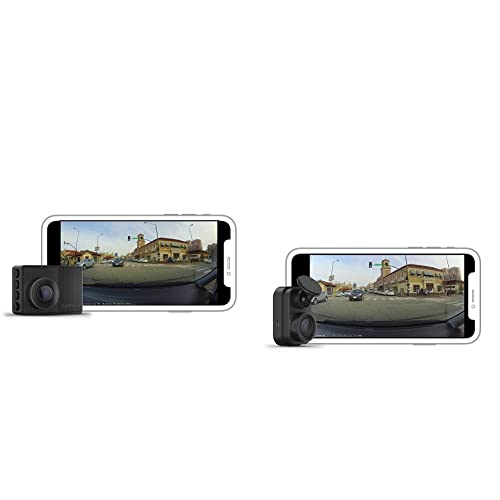
Garmin Dash Cam Mini 2, Tiny Size, 1080p and 140-degree FOV, Monitor Your Vehicle While Away w/ New Connected Features, Voice Control (Renewed) : Electronics
View on Amazon- Start with safety and documentation
- Check for injuries and call 911 if needed.
- Exchange information and gather evidence: photos, witness names, dashcam footage if available.
- Report to police if required (serious injuries, major damage) and get a report number.
- Notify insurance
- Call your insurer or use the app as soon as practical. Provide details and upload photos.
- If another driver was clearly at fault, you can file with their insurer (a third-party claim) or your own collision coverage if you want faster repairs. Your deductible applies if you use your collision coverage, but you may recover it later if your insurer subrogates (seeks repayment from the at-fault party).
- Fault and estimates
- Illinois follows a modified comparative negligence rule. If you’re more than 50% at fault, you generally can’t collect from the other party’s liability coverage. If you’re 50% or less at fault, you can collect—but your recovery can be reduced by your percentage of fault.
- An adjuster will review damage, possibly inspect the vehicle, and provide an estimate. You can usually choose your own repair shop; insurer “preferred” shops may streamline paperwork and warranties.
- Total loss and title
- If repair costs exceed a percentage of the car’s value (varies by insurer and state guidelines), your car may be declared a total loss. You’ll be offered actual cash value (ACV)—the vehicle’s market value just before the loss—minus your deductible if using your coverage.
- Injury claims and timelines
- Medical claims take longer. Keep treatment records and bills organized.
- Illinois statutes of limitations typically are two years for bodily injury and five years for property damage claims if you need to pursue legal action. Timelines vary; consult a licensed attorney for legal advice.
- Diminished value
- If another driver is at fault, you can ask for diminished value (the loss in market value after repairs). It’s not guaranteed, but worth discussing with the other insurer.
If your license or registration was suspended for insurance-related issues, Illinois may require an SR-22 filing for a set period before reinstatement. An SR-22 is not insurance—it’s a certificate filed by your insurer proving you carry the required coverage.
What to look for when choosing an Illinois auto policy
Focus on these criteria to avoid common pitfalls:
- Adequate liability limits: Medical costs and late-model vehicle repairs add up fast. Many Illinois families choose at least 100/300/100.
- Matched UM/UIM: Protects you from drivers with little or no insurance. Align limits with your liability when possible.
- Genuine savings, not stripped coverage: A rock-bottom quote that quietly drops UM/UIM or sets a $2,000 collision deductible can cost you more later.
- Repair network strength near you: In Chicago, look for insurers with strong urban shop networks; downstate, confirm rural coverage and rental availability.
- Claims reputation: Scan recent third-party ratings and local reviews. Fast, fair claims matter more than a small premium difference.
- Telematics fit: If your driving pattern is predictable and daytime-heavy, try it. If not, skip it and avoid potential surcharge programs.
Real-world Illinois examples
- Chicago commuter with street parking: A 35-year-old in Logan Square who parks on the street might prioritize comprehensive coverage for theft and vandalism risk, consider an anti-theft discount, and shop carriers with strong urban repair networks. Telematics savings may be moderate if most trips are during rush hour.
- Downstate family with two cars: A Bloomington household often sees better pricing than Chicago. Bundling home + auto, opting for 100/300/100 liability, and a $500–$1,000 deductible usually balances protection and price.
- New teen driver in Naperville: Expect a significant jump when adding a teen. Look for good student and distant student discounts, compare telematics options, and shop multi-vehicle pricing across at least three carriers.
FAQ: common questions about Illinois car insurance
Do I need insurance to register a car in Illinois?
- Yes. You must have active liability insurance to legally drive, and Illinois uses electronic verification to confirm ongoing coverage.
Can I show digital proof of insurance?
- Typically yes. Most insurers provide digital ID cards and Illinois accepts electronic proof during traffic stops.
Is full coverage required in Illinois?
- No. Only liability and UMBI are required by the state. Your lender may require comprehensive and collision if you finance or lease.
What is an SR-22 in Illinois?
- An SR-22 is a certificate your insurer files with the state to prove you carry required liability insurance, often after certain violations or a lapse. It can raise costs and is typically required for a set period (often around 3 years, depending on the reason). Always confirm your exact requirement with the Illinois Secretary of State.
How much does a speeding ticket raise rates in Illinois?
- It varies by carrier and severity. Many drivers see a 10–25% increase at renewal for a single ticket, with the impact lasting 3 years in typical cases.
What if the other driver has no insurance?
- Your required UMBI helps with injuries. Adding collision and UM property damage (where available) or relying on your collision coverage helps with car repairs.
Will my credit affect my premium in Illinois?
- In most cases, yes. Illinois allows credit-based insurance scoring, subject to state rules and consumer protections. Improving your credit can help lower rates over time.
How often should I shop around?
- At least once a year, and any time your situation changes (move, new car, teen driver, ticket/accident falls off, credit improves).
Get quotes the easy way
The fastest way to see what you would actually pay is to compare quotes from 3–5 carriers using the same limits and deductibles. Start here and see real options side-by-side: Car Insurance Quotes: Compare Rates & Get Personalized Quotes Fast
Prefer local help? You can also compare nearby agents and get in-person guidance: Car Insurance Near Me: Compare Local Quotes & Find Agents Fast
A quick note: For advice tailored to your situation—especially on setting the right liability and UM/UIM limits—speak with a licensed Illinois agent. They can weigh your assets, commute, and vehicle mix to right-size your policy.
Next step: Decide your target limits (for most households: at least 50/100/50, often 100/300/100), pick deductibles you’re comfortable paying, then grab 3–5 quotes. Lock in the best value, set calendar reminders to re-shop, and you’ll stay ahead of rate swings without sacrificing protection.
Recommended Resources
Insurance For Dummies?: Hungelmann, Jack
Whether you’re a homeowner or ... need on: ... Author Jack Hungelmann <strong>uses his twenty-five years of experience in the insurance industry to make buying insurance as simple as possible</strong>
Garmin Dash Cam Mini 2, Tiny Size, 1080p and 140-degree FOV, Monitor Your Vehicle While Away w/ New Connected Features, Voice Control (Renewed) : Electronics
Amazon.com: Garmin Dash Cam Mini 2, <strong>Tiny Size, 1080p and 140-degree FOV, Monitor Your Vehicle While Away w/ New Connected Features, Voice Control</strong> (Renewed) : Electronics
Winner International The Club 1000 Original Club Steering Wheel Lock, Red : Automotive
The Club's <strong>patented self-locking feature locks with one pull</strong>.Note: Measure your door's backset, cross bore and thickness to ensure you find the right fit. ... Highly visual
Related Articles
- Car Insurance in Illinois: Rates, Requirements & Best Quotes
- Auto Insurance in Indiana: Rates, Requirements & How to Save
- Life Insurance in Illinois: What Residents Need to Know
- Home Insurance in Illinois: Coverage, Costs & Best Companies
- Auto Insurance in Iowa: Rates, Requirements & How to Save
- Auto Insurance in Wisconsin: Rates, Requirements & How to Save
- Auto Insurance in Arkansas: Rates, Requirements & How to Save
- Auto Insurance in Nebraska: Rates, Requirements & How to Save