
Auto Insurance in Wisconsin: Rates, Requirements & How to Save
You’re shopping for auto insurance in Wisconsin and wondering: what coverage do I actually need, and what’s a fair price? Let’s cut through the noise. Wisconsin is generally a lower-cost state for car insurance, but the cheapest policy isn’t always the best fit. Here’s exactly how coverage works in Wisconsin, typical price ranges, and the smartest ways to compare quotes so you don’t overpay.
Wisconsin auto insurance requirements and minimum coverage
Wisconsin is an at-fault state (the driver who causes a crash is responsible for damages). State law requires you to carry at least the following liability limits and uninsured motorist coverage.
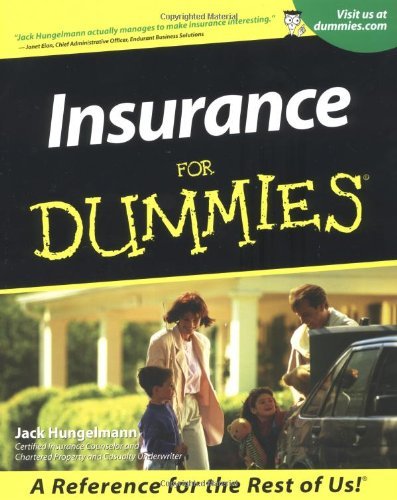
Insurance for Dummies: Hungelmann, Jack
<strong>Manage life, health, and disability risks</strong> ― explore individual and group policies, understand Medicare basics, and evaluate long-term disability and long-term-care insurance ...
Check Price on AmazonRequired minimums in Wisconsin:
- Bodily injury liability (pays for injuries you cause to others): $25,000 per person / $50,000 per accident
- Property damage liability (pays for damage you cause to others’ property): $10,000 per accident
- Uninsured motorist bodily injury (UM BI — protects you if an uninsured driver injures you): $25,000 per person / $50,000 per accident
Quick definitions:
- Liability coverage: Pays other people’s medical bills and property repairs when you’re at fault. It does not pay to fix your car.
- Uninsured motorist (UM): Covers your injuries if the other driver has no insurance or in certain hit-and-run situations.
- Underinsured motorist (UIM): Covers your injuries when the at-fault driver’s liability limits are too low to pay your full medical costs. UIM isn’t required in Wisconsin but is typically recommended.
What most drivers actually carry:
- Higher liability limits like 100/300/100 ($100,000 per person/$300,000 per accident for injuries, $100,000 for property damage) are common for better financial protection. A single serious crash can easily exceed state minimums.
- Collision (pays to repair/replace your car after a crash) and comprehensive (pays for theft, hail, deer, fire, vandalism) are typically required by lenders if you finance or lease.
- Medical payments (MedPay — covers medical bills for you/your passengers regardless of fault) is optional and often affordable in Wisconsin.
Proof of insurance: You must carry proof and show it when requested by law enforcement or after a crash. Driving without insurance can lead to fines and other penalties.
SR-22 in Wisconsin: If you’ve had certain violations (like a DUI/OWI or driving without insurance), the state may require an SR-22 filing (a certificate your insurer files to prove you carry minimum coverage). SR-22 periods typically run about 3 years, but the exact time can vary based on your case.
Average car insurance rates in Wisconsin by age, vehicle, and driving record
Rates vary by driver and insurer, but Wisconsin tends to run lower than the national average. Think in ranges, not exact numbers — and always verify with real quotes for your situation.
Typical statewide ranges (illustrative estimates):
- Minimum coverage: often $30–$60 per month for a driver with a clean record
- Full coverage (liability + comprehensive + collision): often $90–$150 per month for a driver with a clean record
Those are ballpark figures. Your price can land outside these ranges based on where you live (Milwaukee vs. a rural ZIP), your driving history, credit-based insurance score, the car you drive, and the discounts you qualify for.
By age
- Teen driver (16–19) on their own policy: Full coverage can run several hundred dollars per month. Adding a teen to a parent’s policy is usually much cheaper.
- 25-year-old with clean record: Often sees a meaningful drop vs. teen/early 20s. Full coverage may fall near the lower half of the $90–$150 range depending on ZIP and vehicle.
- 35–45 with clean record: Often among the most competitive rates.
- 65+ with clean record: Still competitive in most cases; some insurers add small surcharges as reaction times change, but many seniors get excellent rates, especially with safe-driving discounts.
Example (illustrative only): A 35-year-old driver in Appleton with a clean record and a 2019 Honda CR-V might see full coverage quotes from, say, $95–$135/month across several carriers. The same driver in a denser ZIP code in Milwaukee might see $110–$170/month for the same coverage because of higher claim frequency in urban areas. Your numbers will differ.
By vehicle
- Safe, common vehicles (e.g., Honda CR-V, Toyota Camry): Typically cheaper to insure because repair costs and claim severity are predictable.
- Trucks and SUVs: Often similar to sedans, but higher repair costs or theft rates can nudge premiums up.
- Performance cars (e.g., Subaru WRX, Dodge Charger): Usually higher premiums due to speed/claim severity.
- Newer vehicles with advanced safety tech: May get discounts for crash avoidance, but higher parts and labor costs can raise collision/comprehensive.
By driving record
- Speeding ticket: Many Wisconsin drivers see 15–25% higher premiums at renewal, depending on severity and the insurer’s rules.
- At-fault accident: Surcharges can range from 30–60% or more, usually lasting 3–5 years.
- DUI/OWI: Often the largest impact. Premiums can increase significantly, and an SR-22 filing may be required.
Note: These are educational ranges, not guaranteed quotes. The fastest way to see what you would actually pay is to compare real quotes from 3–5 carriers for the same coverage limits and deductibles.
Factors that affect Wisconsin auto insurance premiums
- Location (your ZIP): Urban areas like Milwaukee and Madison typically have more crashes and theft, which can raise rates vs. smaller cities or rural counties.
- Driving record: Tickets, at-fault accidents, and OWI/DUIs are big pricing signals.
- Credit-based insurance score: Wisconsin allows insurers to consider credit-based insurance scores, which can influence rates. Paying bills on time and lowering credit utilization can help over time.
- Vehicle type and value: Newer and performance models typically cost more to repair, which raises collision/comprehensive.
- Annual mileage: The more you drive, the more exposure to risk.
- Coverage limits and deductibles: Higher liability limits increase premiums but protect your assets. Raising a deductible (the amount you pay out of pocket before insurance kicks in) can lower collision/comprehensive premiums, within reason.
- Prior insurance and lapse history: A recent lapse in coverage can spike rates.
- Household drivers: Adding a teen or high-risk driver will affect the household price.
- Discounts and telematics: Usage-based programs that measure braking, speed, and time of day driving can reduce rates for many safe drivers.
How to compare and get the cheapest auto insurance in Wisconsin
Here is what actually matters when choosing a policy that’s affordable and protective.
1) Set realistic coverage targets before you shop
- Liability: Consider at least 100/300/100 if you own a home or have savings to protect. The cost jump from state minimums to stronger limits is often modest.
- UM/UIM: Match your liability limits if possible. This protects you from drivers with little or no insurance.
- Collision and comprehensive: Keep both if your car is financed/leased or if you can’t afford to replace it out of pocket.
- MedPay: Wisconsin doesn’t require it, but $5,000–$10,000 in MedPay is a common, affordable add-on that helps with immediate medical bills regardless of fault.
2) Quote apples-to-apples with 3–5 carriers
- Price swings are normal. Quote the same limits and deductibles with each insurer so you can make a fair comparison.
- Include at least one insurer offering a telematics program — the discount for safe driving can be substantial over 6–12 months.
3) Tweak deductibles strategically
- Moving a collision deductible from $500 to $1,000 can lower premiums, sometimes by 10–20% depending on the car and insurer. Only choose a deductible you could pay tomorrow without financial stress.
4) Audit discounts up front
- Ask the agent or online form about every discount category: multi-policy (auto + home/renters), multi-vehicle, good student, safe driver, defensive driving/driver safety, telematics, paid-in-full, paperless, auto-pay, anti-theft, and new-car.
5) Check financial strength and complaints
- Look for carriers with strong financial ratings (e.g., AM Best A- or better) and solid customer service. Wisconsin’s Office of the Commissioner of Insurance (OCI) posts consumer resources and complaint data you can review.
6) Consider local nuance
- Wisconsin winters bring snow, ice, and deer collisions. Comprehensive and collision are valuable here even on older vehicles, if replacement would strain your budget. Ask about full glass coverage and rental reimbursement if you rely on your car daily.
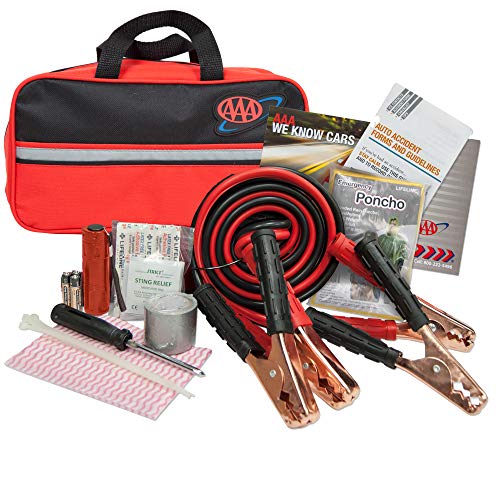
Lifeline AAA Premium Road Kit, 42 Piece Emergency Car Kit with Jumper Cables, Flashlight and First Aid Kit,4330AAA,Black : Everything Else
View on AmazonPro tip: The fastest way to see your real price is to compare quotes from 3–5 carriers. Start with a strong coverage template (like 100/300/100 liability, $500–$1,000 deductibles, UM/UIM to match liability), then adjust to fit your budget.
Call to action: Ready to see your numbers? Compare quotes from a few top carriers side by side — it usually takes about 10 minutes and can save you hundreds per year.
If you’re moving between Wisconsin and a neighboring state, these guides can help you note the differences:
- Auto Insurance in Minnesota: Rates, Requirements & How to Save
- Auto Insurance in Illinois: Rates, Requirements & How to Save
- Auto Insurance in Iowa: Rates, Requirements & How to Save
Wisconsin-specific discounts and savings opportunities
You’ll see the usual national discounts in Wisconsin, plus a few that matter more here.
- Telematics/usage-based insurance: Many Wisconsin drivers qualify for initial sign-up savings and bigger discounts after 90–180 days of safe driving (gentle braking, little late-night driving, and modest mileage are key).
- Multi-policy and multi-vehicle: Bundling auto with home or renters is one of the most reliable ways to save, typically 10–25% depending on the insurer.
- Good student and student away at school: If a teen or young adult maintains a B average (or better) or attends school more than 100 miles away without a car, ask for these.
- Defensive driving/driver safety courses: Especially helpful for mature drivers. Confirm which courses your insurer accepts and how often you can renew the discount.
- Winter/safety features: Anti-lock brakes, airbags, anti-theft devices, and certain advanced safety systems may earn small discounts.
- Low mileage: If you commute less or work from home, make sure your estimated annual miles reflect your real usage.
- Pay-in-full, paperless, and auto-pay: Small but easy wins that stack.
Tip: Ask your agent to do a “discount audit” every renewal. You may qualify for new savings after life changes like moving, buying a home, or changing jobs.
Filing a claim in Wisconsin: what to expect
If you’re in a crash, here’s a simple playbook tailored to Wisconsin’s at-fault rules.

Garmin Dash Cam 57, 1440p and 140-degree FOV, Monitor Your Vehicle While Away w/New Connected Features, Voice Control, Compact and Discreet, Includes Memory Card : Electronics
View on Amazon- Make sure everyone is safe and call 911 for injuries. Move to safety if you can.
- Exchange information: Names, phone numbers, license plates, and insurance details. Take photos of damage, the scene, and road conditions.
- Consider calling the police: A report helps document fault and damages, which matters in an at-fault state.
- Notify your insurer promptly: Most policies require timely notice. Share the facts; avoid speculating about fault.
- Choose repair options: You typically can choose your own repair shop. Insurers may recommend a network shop with warranties — ask about guarantees and OEM vs. aftermarket parts.
- Understanding fault: Wisconsin uses comparative negligence. If you’re partly at fault, your payout may be reduced by your percentage of fault, and you generally can’t recover from the other party if you’re more than 50% at fault.
- Injury claims: If you have MedPay, it can help with immediate medical costs. UM/UIM can apply if the at-fault driver has no insurance or too little.
- Total loss: If repair costs exceed the vehicle’s value threshold, your insurer will settle for actual cash value (ACV — your car’s market value minus depreciation). Bring maintenance records and comparable listings if you believe the valuation is low.
- Diminished value: If you’re not at fault, you can ask the other driver’s insurer about diminished value (the loss in resale value after repairs). Not all insurers pay DV, but it’s worth asking.
Keep records: Save receipts, photos, police reports, and correspondence. If injuries or fault are disputed, consider speaking with a lawyer. For policy and legal time limits, check your policy and consult a professional; deadlines vary.
FAQ: common questions about Wisconsin car insurance
Is Wisconsin a no-fault state?
- No. Wisconsin is an at-fault (tort) state. The at-fault driver’s liability insurance pays for others’ injuries and damages, up to policy limits.
Is uninsured motorist coverage required?
- Yes. Wisconsin requires UM bodily injury of at least 25/50. Underinsured motorist (UIM) is not required but is strongly recommended.
How much liability coverage should I carry?
- Minimums are 25/50/10, but many Wisconsin drivers choose 100/300/100 or higher to protect savings and home equity. One serious injury can blow past state minimums quickly.
What happens if I drive without insurance in Wisconsin?
- You can face fines and other penalties. You may also be personally responsible for damages in a crash and could be required to file an SR-22 to reinstate driving privileges. Bottom line: it’s risky and expensive.
Do I need MedPay in Wisconsin?
- It’s optional but helpful. MedPay pays for medical expenses for you and your passengers regardless of fault and can coordinate with your health insurance.
Will my credit affect my premium?
- In most cases, yes. Wisconsin allows use of credit-based insurance scores. Insurers use them differently, so shopping around is key.
What if I don’t own a car but still drive sometimes?
- Ask about a non-owner auto policy. It can provide liability coverage when you borrow or rent cars, and it can help keep continuous insurance history (which often lowers future rates).
Are deer collisions covered?
- Yes, typically under comprehensive coverage (not collision). If you drive at dawn/dusk or in rural areas, comprehensive is especially valuable.
How long do accidents and tickets affect my rates?
- Commonly 3–5 years, depending on the insurer and violation. Some companies offer accident forgiveness for a first at-fault crash, usually if you’ve been claim-free for a certain period.
Can I get OEM parts after a crash?
- Policies differ. Some insurers pay for OEM parts on newer cars; others pay for aftermarket or used parts. Ask your adjuster and shop about parts and warranties before repairs begin.
A quick note on getting personalized help
Insurance can be nuanced. A licensed agent can help you balance coverage and budget, explain how Wisconsin’s at-fault rules affect your choices, and surface discounts you might miss.
Your next step
- Spend 5 minutes listing the coverage you want: target liability limits, UM/UIM, deductibles, and any add-ons (rental reimbursement, full glass, MedPay).
- Get side-by-side quotes from 3–5 insurers using the same limits and deductibles. The fastest way to see what you would actually pay is to compare quotes now.
- Revisit at renewal: prices change, and so do your discounts. Ask your agent or carrier to re-check telematics and bundle savings annually.
A smarter policy is one you understand, can comfortably afford, and that actually protects you when Wisconsin roads get messy. You’ve got this — and if you want help, we’re here to make the numbers make sense.
Recommended Resources
Insurance for Dummies: Hungelmann, Jack
<strong>Manage life, health, and disability risks</strong> ― explore individual and group policies, understand Medicare basics, and evaluate long-term disability and long-term-care insurance ...
Garmin Dash Cam 57, 1440p and 140-degree FOV, Monitor Your Vehicle While Away w/New Connected Features, Voice Control, Compact and Discreet, Includes Memory Card : Electronics
Buy Garmin Dash Cam 57, 1440p and 140-degree FOV, Monitor Your Vehicle While Away w/New Connected Features, Voice Control, Compact and Discreet, Includes Memory Card: On-Dash Cameras - Amazon.com ✓ FR
Lifeline AAA Premium Road Kit, 42 Piece Emergency Car Kit with Jumper Cables, Flashlight and First Aid Kit,4330AAA,Black : Everything Else
Amazon.com: <strong>Lifeline AAA Premium Road Kit</strong>, 42 Piece Emergency Car Kit with Jumper Cables, Flashlight and First Aid Kit,4330AAA,Black : Everything Else
Related Articles
- Home Insurance in Wisconsin: Coverage, Costs & Best Companies
- Auto Insurance in Wyoming: Rates, Requirements & How to Save
- Auto Insurance in Washington: Rates, Requirements & How to Save
- Auto Insurance in Indiana: Rates, Requirements & How to Save
- Auto Insurance in Illinois: Rates, Requirements & How to Save
- Auto Insurance in South Dakota: Rates, Requirements & How to Save
- Auto Insurance in Montana: Rates, Requirements & How to Save
- Auto Insurance in Minnesota: Rates, Requirements & How to Save