
Auto Insurance in Maine: Rates, Requirements & How to Save
You’re shopping for auto insurance in Maine and want a straight answer: What do I really need, what does it usually cost here, and how do I keep it affordable without getting burned after a claim? Here’s what actually matters when choosing coverage in Maine—and how to compare quotes the smart way.
Maine auto insurance requirements and minimum coverage
Maine is an at-fault state, which means the driver who causes a crash is generally responsible for the other party’s injuries and damages. The state also sets some of the highest minimum liability limits in the country.
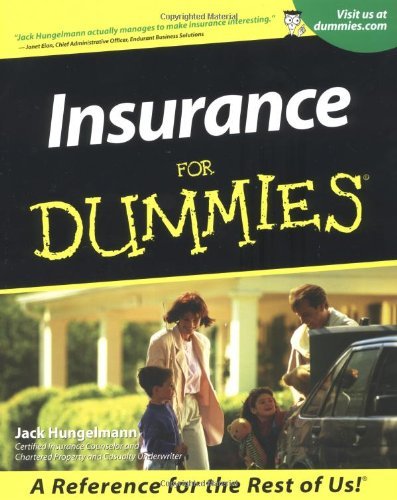
Insurance for Dummies: Hungelmann, Jack
<strong>Manage life, health, and disability risks</strong> ― explore individual and group policies, understand Medicare basics, and evaluate long-term disability and long-term-care insurance ...
Check Price on AmazonRequired minimums in Maine typically include:
- Bodily injury liability: 50/100 ($50,000 per person / $100,000 per accident). Liability pays for injuries you cause to others. It does not pay for your injuries.
- Property damage liability: $25,000. This pays to repair or replace someone else’s vehicle or property you damage.
- Uninsured/underinsured motorist (UM/UIM) bodily injury: 50/100. UM/UIM helps if you’re hit by a driver with no insurance or not enough coverage. In Maine it’s generally required for bodily injury and often mirrors your liability limits (you can usually select lower, but not below the state minimums).
- Medical payments (MedPay): $2,000 per person. MedPay helps pay medical expenses for you and your passengers after a crash, regardless of fault. It’s different from a deductible (the amount you pay out of pocket before your insurance pays on certain coverages)—MedPay has no deductible.
Optional but commonly purchased coverages:
- Collision: Pays to repair your vehicle after a crash with another car or object, after you pay your deductible (your chosen out-of-pocket amount, such as $500 or $1,000).
- Comprehensive: Pays for non-crash damage (theft, vandalism, fire, hail, deer or moose collisions, falling objects) after your deductible.
- Rental reimbursement: Helps pay for a rental car while yours is in the shop after a covered claim.
- Roadside assistance: Towing, jump-starts, lockouts.
- Gap coverage: Pays the difference if your financed or leased car is totaled and you owe more than it’s worth.
What we recommend for most Maine drivers
- Consider at least 100/300/50 for liability (that’s $100,000 per person / $300,000 per accident for injuries; $50,000 for property damage). Medical bills and newer cars can easily exceed state minimums.
- Match UM/UIM to your liability limits so you’re protected if the other driver is uninsured or underinsured.
- Carry collision and comprehensive if you can’t easily afford to replace or repair your vehicle out of pocket (or if you have a loan/lease—your lender will require it).
A note on SR-22 in Maine: If your license is suspended for certain violations (like OUI—Operating Under the Influence), you may need an SR-22 filing (proof of financial responsibility your insurer files with the state). This doesn’t change your coverage but can significantly affect your price and carrier options, usually for three years or more depending on the offense.
Average car insurance rates in Maine by age, vehicle, and driving record
Good news: Auto insurance in Maine is typically among the more affordable in the U.S., thanks to lower population density and historically lower claim frequencies. That said, rates have risen in recent years due to repair costs and inflation. Actual prices vary by driver, vehicle, ZIP code, and insurer.
Ballpark monthly ranges many Maine drivers see today:
- Minimum coverage (state-required only): About $30–$60 per month for a clean-record adult.
- Full coverage (liability higher than minimums plus comp/collision): About $80–$130 per month for a clean-record adult.
Your quote could be outside these ranges—especially if you’re very young, have tickets/accidents, or drive a high-performance vehicle. Here’s how price typically moves by key factors.
By age
- Teen (16–19): $200–$450/month (full coverage). Adding a teen to a family policy is usually cheaper than a separate policy.
- Early 20s: $120–$220/month (full coverage) with a clean record.
- 30s–50s: $80–$140/month (full coverage) if clean.
- 60s–70s: $85–$150/month (full coverage). Rates can tick up slightly again in the 70s.
By vehicle type
- Older sedan (e.g., 2012 Toyota Camry): $65–$110/month (full coverage), less if you drop comp/collision.
- Newer small SUV (e.g., 2021 Subaru Forester): $85–$130/month (full coverage).
- Pickup (e.g., 2020 Ford F-150): $90–$150/month (full coverage), depending on trim and repair costs.
- Sports/performance (e.g., Dodge Charger, WRX): $140–$220+/month (full coverage).
By driving record
- Clean record: Best pricing.
- One speeding ticket (10–15 mph over): Often +10% to +20% for 3 years.
- At-fault accident: Often +25% to +45%, sometimes more if injuries or high property damage.
- OUI (Operating Under the Influence): Can double your rate, may require SR-22 filing.
Real-life example
- A 35-year-old driver in Portland with a clean record, driving a 2018 Subaru Forester, carrying 100/300/50 liability and $500 deductibles for comp/collision, might see full-coverage quotes anywhere from around $95 to $145 per month across carriers. In Bangor or more rural ZIPs, that range could shift lower. Your mileage will vary.
Factors that affect Maine auto insurance premiums
Insurers price each policy on risk—the likelihood and cost of future claims. In Maine, the big levers usually include:
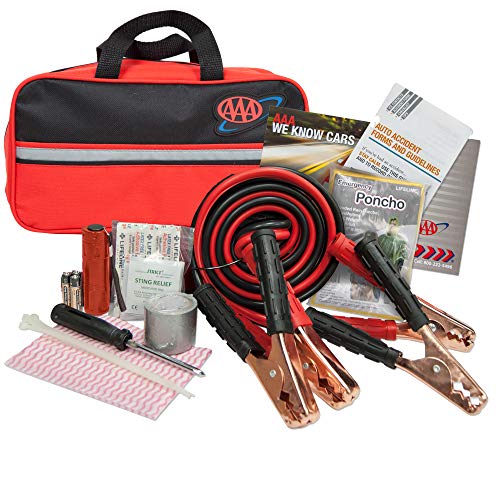
Lifeline AAA Premium Road Kit, 42 Piece Emergency Car Kit with Jumper Cables, Flashlight and First Aid Kit,4330AAA,Black : Everything Else
View on Amazon- Where you live and park: Portland and coastal areas can see higher rates than rural towns due to traffic density and repair costs. Garaging in a locked garage can help a bit with comprehensive claims.
- Driving history: Tickets, at-fault crashes, and OUIs hit hardest for 3–5 years.
- Annual mileage and commute: More miles = more exposure. If you work from home or drive under 7,500 miles a year, ask about a low-mileage rating.
- Vehicle model and repair costs: Newer vehicles with expensive sensors or aluminum bodies cost more to fix. Strong safety ratings can help.
- Coverage and deductibles: Higher liability limits cost more; higher deductibles (e.g., moving from $500 to $1,000) usually lower comp/collision premiums.
- Credit-based insurance score: Most Maine insurers may use credit-based information to help predict risk (subject to state rules). Building and maintaining good credit typically helps your rate over time.
- Household drivers: Adding a teen spikes premiums. Married or multi-driver households often qualify for multi-car discounts.
- Claims in your area: Winter weather, wildlife collisions (deer and moose), and coastal storms can influence comprehensive and collision rates.
- Telematics/usage-based programs: Opt-in programs that monitor driving (hard braking, speed, time of day) can lower rates for safe, low-risk driving.
How to compare and get the cheapest auto insurance in Maine
The fastest way to see what you would actually pay is to compare quotes from 3–5 carriers side by side. Prices for the same driver can differ by hundreds per year.
What to look for when comparing quotes
- Match coverage apples-to-apples
- Liability: Choose limits you’re comfortable with (many Mainers opt for 100/300/50 or higher).
- UM/UIM: Match your liability when possible to protect yourself against underinsured drivers.
- MedPay: Consider increasing beyond the $2,000 minimum for extra cushion.
- Comp/collision deductibles: Test $500 vs. $1,000 to see savings vs. out-of-pocket risk.
- Know the trade-offs
- Higher deductibles lower your premium but raise your cost if you have a claim.
- Dropping comp/collision on an older vehicle saves money, but if it’s totaled you’ll only get what you can sell it for today. A common rule: If annual comp/collision costs exceed 10% of the car’s cash value, reassess.
- Check discount stacking
- Bundling home/condo/renters with auto, telematics, good student, driver training, paperless/EFT, multi-car—ask which apply and how much they save.
- Evaluate claims support
- Ask about repair options and parts. In Maine, you have the right to choose your repair shop; insurers can’t require a specific one.
- Look for 24/7 claims reporting and strong customer service ratings.
- Keep an eye on renewals
- Many carriers re-rate every 6–12 months. Shop again if your rate jumps.
Smart steps to lower your price
- Get at least three quotes and revisit after life changes (move, new car, teen driver, marriage).
- Raise deductibles to $1,000 if you can comfortably cover that out of pocket.
- Enroll in a telematics program for a shot at a safe-driving discount.
- Bundle with home or renters insurance.
- Pay in full or set up EFT/automatic payments for a small break.
- Maintain good credit over time.
- Ask about accident forgiveness and vanishing deductible features.
Ready to see your numbers? Compare local quotes in minutes: Car Insurance Near Me: Compare Local Quotes & Find Agents Fast
Maine-specific discounts and savings opportunities
While discounts vary by insurer, here are common savings Mainers can often capture:
- Multi-policy (bundle) discount: Typically 10%–25% when you bundle auto with homeowners, condo, or renters.
- Multi-vehicle discount: Savings for insuring more than one car on the same policy.
- Good driver/claims-free: Often 10%–20% after a clean period (three years is common).
- Telematics/usage-based: Initial enrollment discount plus ongoing savings for safe driving habits.
- Driver training and defensive driving: Teens who complete driver’s ed and adults who take an approved defensive driving course can qualify. Drivers 55+ who complete a state-approved mature driver course often receive a discount for multiple years—ask your carrier for their approved list.
- Good student: Full-time students with a B average (or better) usually qualify until a set age (often 24).
- Safety features/anti-theft: Airbags, anti-lock brakes, VIN etching, and active anti-theft systems may help.
- Low mileage/commute: If you drive well under the state average, request a low-mileage rating.
- Paperless/EFT, pay-in-full, early quote, and loyalty/affinity: Small but stackable savings.
- Winter-savvy perks: Some Maine insurers offer small discounts for winter tires or garaging; it’s not universal, but worth asking.
Pro tip: Ask your agent or the carrier to do a discount audit each renewal. New discounts appear, and your eligibility can change year to year.
Filing a claim in Maine: what to expect
If you’re in a crash, focus on safety first. Then:
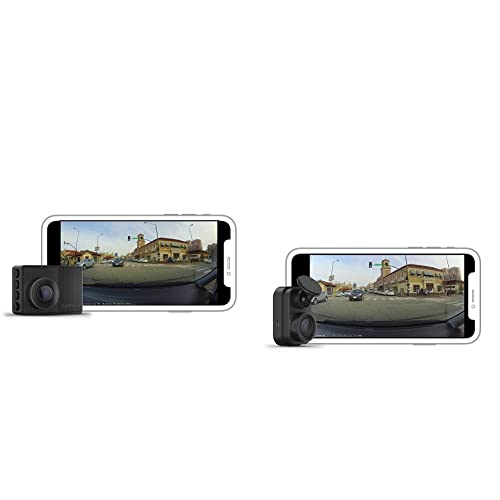
Garmin Dash Cam Mini 2, Tiny Size, 1080p and 140-degree FOV, Monitor Your Vehicle While Away w/ New Connected Features, Voice Control (Renewed) : Electronics
View on Amazon- Document and report
- Call 911 if anyone’s hurt. Photograph damage, the scene, and license plates. Exchange info and get witness contacts.
- Report the claim to your insurer promptly, even if the other driver is at fault. Your policy likely requires timely notice.
- Fault and estimates
- An adjuster will evaluate fault based on statements, police reports, and evidence. Maine generally follows modified comparative negligence—if you’re 50% or more at fault, you typically can’t collect damages from the other driver. If you’re less than 50% at fault, your recovery may be reduced by your share of fault.
- You’ll receive an estimate to repair your vehicle. You can choose your own repair shop in Maine; insurers can suggest preferred shops but cannot force your choice.
- Parts, repairs, and totals
- Repairs use new, OEM (original equipment manufacturer), or aftermarket parts depending on age, availability, and your policy. Ask your adjuster about parts policies if that matters to you.
- If the car is a total loss, you’ll be paid its actual cash value (ACV—the market value right before the loss), minus your deductible if you’re using your collision or comprehensive coverage.
- Rental and towing
- Rental reimbursement only applies if you purchased it. If the other driver is 100% at fault and their insurer accepts liability, they may cover your rental even if you don’t have this coverage.
- Diminished value
- If another driver is at fault, you can generally pursue a diminished value claim (the loss in your car’s resale value after a major repair) from their insurer. Documentation (pre-loss condition, post-repair inspections, market comps) helps.
- Time limits
- Insurance claims should be filed promptly. For lawsuits, Maine typically allows up to six years for vehicle damage or injury claims, but don’t wait—evidence fades, and insurers need timely notice under your policy.
FAQ: common questions about Maine car insurance
Is Maine a no-fault state? No. Maine is an at-fault state. The at-fault driver’s liability insurance pays for others’ injuries and property damage, up to limits. Your MedPay can help with your medical bills regardless of fault, and UM/UIM helps if the other driver lacks insurance.
What happens if I drive without insurance in Maine? You can face fines, license and registration suspension, and potential SR-22 filing requirements to reinstate driving privileges. You’ll also be personally responsible for damages if you cause a crash.
How much UM/UIM should I carry? Many drivers match UM/UIM to their liability limits (e.g., 100/300). Maine requires at least 50/100 for UM/UIM bodily injury, but higher limits better protect you from underinsured drivers.
Do I need collision and comprehensive on an older car? If your car’s value is low and you could afford to repair or replace it out of pocket, you might drop comp/collision to save money. Run the numbers: If comp/collision premiums exceed ~10% of your car’s ACV annually, consider removing them.
Can Maine insurers use credit to price my policy? Typically yes, subject to state consumer protections. A better credit-based insurance score often means lower rates. You’ll get notices if credit information affects your price.
How can I lower teen driver costs in Maine? Add your teen to a family policy, choose a safe, modest vehicle, enroll them in driver’s ed, ask for good student and telematics discounts, and raise comp/collision deductibles if you can handle the out-of-pocket risk.
Will winter tires lower my premium? Not always, but some carriers offer small discounts for winter tires or garaging. The bigger savings often come from telematics and bundling.
A quick word on getting personalized advice
Insurance is personal. Coverage needs and pricing vary by your car, commute, driving history, and budget. A licensed Maine agent can help fine-tune limits and discounts for your situation.
Your next step
The simplest, fastest way to get the best deal is to compare quotes from 3–5 carriers with the same coverage limits. It takes minutes and can save a lot over the next year. Start here: Car Insurance Near Me: Compare Local Quotes & Find Agents Fast
Recommended Resources
Insurance for Dummies: Hungelmann, Jack
<strong>Manage life, health, and disability risks</strong> ― explore individual and group policies, understand Medicare basics, and evaluate long-term disability and long-term-care insurance ...
Garmin Dash Cam Mini 2, Tiny Size, 1080p and 140-degree FOV, Monitor Your Vehicle While Away w/ New Connected Features, Voice Control (Renewed) : Electronics
Amazon.com: Garmin Dash Cam Mini 2, <strong>Tiny Size, 1080p and 140-degree FOV, Monitor Your Vehicle While Away w/ New Connected Features, Voice Control</strong> (Renewed) : Electronics
Lifeline AAA Premium Road Kit, 42 Piece Emergency Car Kit with Jumper Cables, Flashlight and First Aid Kit,4330AAA,Black : Everything Else
Amazon.com: <strong>Lifeline AAA Premium Road Kit</strong>, 42 Piece Emergency Car Kit with Jumper Cables, Flashlight and First Aid Kit,4330AAA,Black : Everything Else
Related Articles
- Home Insurance in Maine: Coverage, Costs & Best Companies
- Health Insurance in Maine: Plans, Costs & How to Enroll
- Auto Insurance in Massachusetts: Rates, Requirements & How to Save
- Auto Insurance in Vermont: Rates, Requirements & How to Save
- Auto Insurance in New Hampshire: Rates, Requirements & How to Save
- Auto Insurance in Oregon: Rates, Requirements & How to Save
- Auto Insurance in Rhode Island: Rates, Requirements & How to Save
- Auto Insurance in Missouri: Rates, Requirements & How to Save