
Auto Insurance in New Hampshire: Rates, Requirements & How to Save
You’re shopping for auto insurance in New Hampshire and notice something odd: the state doesn’t actually require you to carry a policy. So should you skip it? Here’s what actually matters in New Hampshire—how coverage works, what the typical rates look like, and the smartest ways to save without shortchanging your protection.
New Hampshire auto insurance requirements and minimum coverage
New Hampshire is one of the few states that does not require auto insurance for every driver. But here’s the catch: if you cause a crash, you’re financially responsible for injuries and damage. If you can’t prove financial responsibility (the ability to pay for losses you cause), your license can be suspended. That’s why most drivers still carry insurance—it’s the easiest, most affordable way to meet the state’s financial responsibility rules.
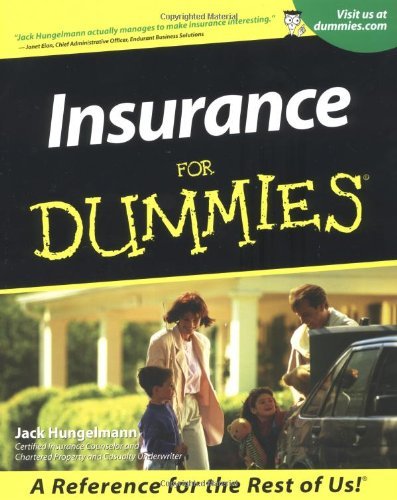
Insurance for Dummies: Hungelmann, Jack
<strong>Manage life, health, and disability risks</strong> ― explore individual and group policies, understand Medicare basics, and evaluate long-term disability and long-term-care insurance ...
Check Price on AmazonIf you buy a policy in New Hampshire—or if you’re required to after certain violations—the policy must include at least these minimums:
- Bodily Injury Liability (the coverage that pays for injuries you cause to others): $25,000 per person / $50,000 per accident (often written as 25/50)
- Property Damage Liability (pays for damage you cause to someone else’s car or property): $25,000 per accident
- Uninsured/Underinsured Motorist (UM/UIM) Bodily Injury (protects you if you’re hit by a driver with too little or no insurance): at least the same limits as your bodily injury liability (minimum 25/50)
- Medical Payments ("MedPay"—helps pay your and your passengers’ medical bills regardless of fault): at least $1,000
A few quick definitions:
- Liability coverage: pays others when you’re at fault. It doesn’t fix your car.
- Uninsured/Underinsured Motorist (UM/UIM): steps in when the other driver lacks enough coverage to pay your injuries.
- Medical Payments (MedPay): pays medical costs for you/your passengers, regardless of who caused the crash. It’s not the same as health insurance.
Optional but highly recommended:
- Collision: pays to repair or replace your car after a crash with another vehicle or object, minus your deductible (the amount you pay out of pocket before insurance pays).
- Comprehensive: pays for non-crash events like theft, vandalism, hail, deer strikes, or a fallen tree, minus your deductible.
New Hampshire is an “at-fault” (tort) state, meaning the at-fault driver’s liability coverage pays for the other party’s injuries and damage. If you don’t carry insurance, you must still pay those costs out of pocket—potentially tens of thousands of dollars or more.
Tip: Minimum limits exist to keep you legal, not to fully protect your finances. Many drivers in New Hampshire choose higher limits—like 100/300/100 for liability—and add collision and comprehensive for better protection.
Average car insurance rates in New Hampshire by age, vehicle, and driving record
Rates vary by driver profile, vehicle, and insurer, so think in ranges rather than absolutes. New Hampshire premiums are typically lower than the national average, but your price depends on your specific risk factors.
Here are ballpark annual costs many drivers see in New Hampshire (for educational purposes only—your price will vary):
- Good driver, 35 years old, full coverage (liability plus comprehensive and collision): typically $1,100–$1,500
- Good driver, 35 years old, minimum coverage only: typically $350–$550
- Younger driver, 18–20 years old, full coverage: often $3,000–$4,800
- Younger driver, 18–20 years old, minimum coverage: often $1,000–$1,800
- Driver with one speeding ticket (10–15 mph over): often 15%–25% higher than a clean record
- Driver with one at-fault crash: often 30%–50% higher
- DUI/OWI conviction (often requires an SR-22—proof of financial responsibility your insurer files with the state): can be 60%–100%+ higher
Vehicle examples (same 35-year-old good driver):
- 2017 Subaru Outback with full coverage: often $1,050–$1,350
- 2022 Ford F-150 with full coverage: often $1,200–$1,600
- 2023 Tesla Model 3 with full coverage: often $1,500–$2,200 (higher repair costs and tech features can push rates up)
Real-world scenario: Say you’re a 35-year-old driver in Manchester with a clean record, driving a 2018 Honda CR‑V and commuting 12 miles each way. Full coverage might land around $1,200–$1,450 per year with a $500 deductible. Bump your deductibles to $1,000 and you might shave $120–$200 off annually, but remember you’ll pay more out of pocket if you file a claim.
Factors that affect New Hampshire auto insurance premiums
Insurers look at dozens of variables when pricing auto insurance in New Hampshire. The big ones:
- Driving record: Tickets, at-fault crashes, and DUIs increase rates—sometimes for 3–5 years.
- Annual mileage: Fewer miles typically mean lower risk and lower premiums. Remote and hybrid workers often benefit.
- Garaging location: Urban areas like Manchester or Nashua may have slightly higher rates than rural towns due to higher traffic and theft frequency.
- Vehicle type and cost to repair: Newer, luxury, and high-performance vehicles usually cost more to insure.
- Coverage selections and deductibles: Higher liability limits and lower deductibles cost more. Raising deductibles reduces premiums but raises your out-of-pocket cost after a claim.
- Credit-based insurance score: New Hampshire allows insurers to use credit-based factors, which can impact pricing. Building stronger credit can help over time.
- Prior insurance history: Lapses in coverage can raise rates; continuous coverage can help you qualify for better pricing.
- Safety features and anti-theft: Airbags, anti-lock brakes, advanced driver-assistance systems, and anti-theft devices may unlock discounts.
- Weather and wildlife: New Hampshire’s winter storms and high deer activity can increase comprehensive and collision claims.
How to compare and get the cheapest auto insurance in New Hampshire
Here’s a step-by-step approach that reliably finds savings without cutting needed protection:
Get 3–5 quotes at once. Carriers price risk differently. The fastest way to see what you would actually pay is to compare side-by-side quotes from multiple insurers.
Match coverages apples-to-apples. Keep liability limits, deductibles, and add-ons the same on each quote so differences in price are meaningful.
Choose liability limits that protect your assets. Minimum limits (25/50/25) can be exhausted quickly. Many New Hampshire drivers opt for 50/100/50 or 100/300/100, especially if you own a home or have savings.
Dial in deductibles thoughtfully. A $1,000 deductible typically costs less than a $500 deductible, but make sure you could comfortably pay it after an accident.
Add UM/UIM and MedPay with intention. In an at-fault state, protecting yourself is key. UM/UIM at the same limits as your liability plus $5,000–$10,000 in MedPay is a common, balanced setup for many households.
Bundle and leverage telematics. Bundling auto and home or renters can shave 10%–25% off with many carriers. Telematics programs (a mobile app or device that tracks driving habits like braking and mileage) can yield solid savings for cautious drivers.
Ask about every discount you can. See the New Hampshire-specific list below—you’ll rarely get discounts you don’t ask about.
Shop at key moments. Quote 30–45 days before renewal, after life changes (move, new job with shorter commute), or after tickets fall off your record.
Prefer a quick start? Compare local quotes and agents here: Car Insurance Near Me: Compare Local Quotes & Find Agents Fast
New Hampshire-specific discounts and savings opportunities
While discounts vary by insurer, here are opportunities commonly available to New Hampshire drivers:
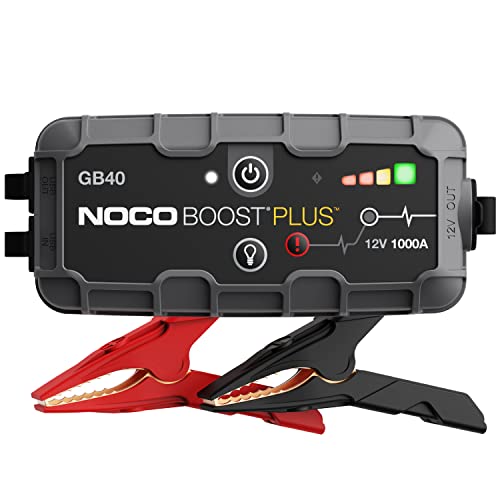
NOCO Boost GB40: 1000A UltraSafe Jump Starter – 12V ...
View on Amazon- Multi-policy (bundle auto with home, condo, or renters)
- Multi-vehicle (two or more cars on one policy)
- Good driver/accident-free
- Telematics/usage-based programs (safe driving, low mileage)
- Good student (typically for full-time students with a B average or better)
- Student away at school (100+ miles from home without a car)
- Mature driver/defensive driving course (especially ages 55+ through providers like AARP)
- Newer vehicle and safety features (advanced braking, collision avoidance)
- Anti-theft and VIN etching (varies by carrier)
- Pay-in-full, automatic payments, paperless billing
- Affinity/group discounts (certain employers, alumni groups)
- Seasonal and storage adjustments (for vehicles garaged in winter, you may switch to comprehensive-only during the off-season—ask your insurer how they handle this)
A note on winter gear: Some carriers may offer small savings for winter tires or traction-control features. It’s not universal, but it’s worth asking during your quote.
Filing a claim in New Hampshire: what to expect
Here’s the typical flow if you’re in a crash in New Hampshire:

VIOFO Dash Cam A119 Mini 2, STARVIS 2 Sensor, 2K 60fps/HDR 30fps Voice Control Car Dash Camera with 5GHz Wi-Fi GPS, Night Vision 2.0, 24H Parking Mode, Supercapacitor (SD Card Not Included) : Electronics
View on AmazonSafety first and call 911 if needed. Move to a safe spot if possible.
Document the scene. Exchange info, take photos, gather witness names. Note weather, road conditions, and time of day.
Decide where to file. Because New Hampshire is an at-fault state, you can file with the at-fault driver’s insurer or with your own policy if you carry collision/UM coverage. If fault is unclear, it’s common to start with your insurer—they’ll investigate and pursue reimbursement (called subrogation) if appropriate.
Use your MedPay. Your Medical Payments coverage can help with immediate medical bills for you and your passengers, regardless of fault, up to your chosen limit.
Estimates and repairs. An adjuster may inspect your vehicle or ask for photos. You’ll get a repair estimate and choose a shop. If your car is a total loss, the insurer typically pays its actual cash value (what it’s worth today) minus your deductible.
Fault and comparative negligence. New Hampshire uses modified comparative negligence. If you’re partially at fault, your recovery from the other party may be reduced by your percentage of fault. If you’re mostly at fault, your own collision coverage is usually what covers your vehicle (subject to your deductible).
Keep deadlines in mind. Insurance policies have prompt notice requirements. New Hampshire civil statutes typically allow several years to bring an injury or property claim, but don’t wait—timely reporting preserves evidence and avoids headaches. For legal questions, consider speaking with an attorney.
When must you call police? In New Hampshire, you generally should report accidents that involve injury, death, suspected impairment, or significant property damage. When in doubt, call the police and your insurer promptly.
What to look for when choosing auto insurance in New Hampshire
- Strong liability limits to protect savings and income
- UM/UIM that matches your liability limits
- Enough MedPay ($5,000–$10,000 is common) to help with immediate medical costs
- Comprehensive and collision if your car is newer, financed, or hard to replace
- Deductibles you can comfortably afford after a loss
- Reliable claims service and local repair network
- Telematics and bundling opportunities for long-term savings
- Clear policy language on rental reimbursement, OEM parts, and glass coverage (windshield claims are common in winter)
Real New Hampshire examples
- Family in Nashua, two vehicles, teen driver with B+ average, full coverage on both cars: $2,800–$4,200/year after good student and multi-car discounts.
- Single driver in Concord with a 2016 Toyota Camry, minimum liability only: $380–$520/year.
- Commuter in Manchester with a 2021 Subaru Forester, full coverage, one minor speeding ticket: $1,450–$1,800/year.
Again, these are typical ranges. Your actual price depends on your record, mileage, garaging address, credit-based factors, and the insurer’s pricing at the time you quote.
Considering a move nearby?
Rules, rates, and required coverages change once you cross state lines. If you’re comparing with neighbors:
- Heading north? See our guide to Auto Insurance in Maine: Rates, Requirements & How to Save
- Relocating south? Massachusetts has different rules and coverages. Read: Auto Insurance in Massachusetts: Rates, Requirements & How to Save
Your next step: compare quotes the easy way
The fastest way to see what you’d actually pay for auto insurance in New Hampshire is to compare quotes from 3–5 carriers on the same day, with matched coverages. Start here to check local options in minutes: Car Insurance Near Me: Compare Local Quotes & Find Agents Fast
Prefer a personal touch? A licensed local agent can help you set the right limits and spot discounts you might miss. They can also explain how MedPay, UM/UIM, and deductibles fit your budget and risk tolerance.
FAQ: common questions about New Hampshire car insurance
What’s the minimum auto insurance in New Hampshire?
- If you buy insurance (or are required to), you must carry at least 25/50/25 in liability, UM/UIM bodily injury at least 25/50, and $1,000 in MedPay.
Is auto insurance required in New Hampshire?
- Not for every driver. But you are financially responsible if you cause a crash. Most drivers carry insurance because it’s the simplest way to meet financial responsibility rules—and it protects your savings.
What does SR-22 mean in New Hampshire?
- An SR-22 is a filing your insurer sends to the state proving you have the required coverage after certain violations (like a DUI). It isn’t a type of insurance, but it often increases your premium. You typically must keep it on file for about three years—confirm your specific requirement.
What’s the average cost of auto insurance in New Hampshire?
- Many good drivers pay around $1,100–$1,500 per year for full coverage and $350–$550 for minimum coverage. Young drivers and those with tickets or accidents often pay more. Rates vary by insurer and your unique profile.
What’s MedPay, and how is it different from PIP?
- MedPay (Medical Payments) helps pay medical bills for you and passengers regardless of fault. New Hampshire uses MedPay, not PIP (Personal Injury Protection). MedPay limits are usually smaller but straightforward and quick to use.
Does New Hampshire allow electronic proof of insurance?
- Yes, most drivers can show digital ID cards on a smartphone as proof of coverage. Keep a paper copy in your glove box just in case.
If I’m hit by an uninsured driver, am I covered?
- If you carry UM/UIM, it can pay for your injuries up to your UM/UIM limits. If you want your car fixed after a hit-and-run or uninsured loss, collision coverage (or in some cases UM property coverage if offered) is what pays, minus your deductible.
Will a winter claim (like hitting a deer or sliding into a guardrail) be covered?
- Deer and most weather-related damage are typically covered under comprehensive or collision, subject to your deductible. Ask about glass coverage—windshield chips and cracks are common in winter.
How can I get the cheapest auto insurance in New Hampshire without losing key protection?
- Compare at least 3–5 quotes, keep liability at 50/100/50 or higher, choose deductibles you can afford, bundle policies, and consider a telematics discount if you’re a cautious driver.
A quick note on advice: This guide offers general information. For recommendations tailored to your situation, talk with a licensed agent.
Ready to see real numbers? Compare local quotes now: Car Insurance Near Me: Compare Local Quotes & Find Agents Fast
Recommended Resources
Insurance for Dummies: Hungelmann, Jack
<strong>Manage life, health, and disability risks</strong> ― explore individual and group policies, understand Medicare basics, and evaluate long-term disability and long-term-care insurance ...
VIOFO Dash Cam A119 Mini 2, STARVIS 2 Sensor, 2K 60fps/HDR 30fps Voice Control Car Dash Camera with 5GHz Wi-Fi GPS, Night Vision 2.0, 24H Parking Mode, Supercapacitor (SD Card Not Included) : Electronics
VIOFO Dash Cam A119 V3 2K 2560x1440P Quad HD+ 60FPS Front Car Dash Camera, 5MP STARVIS Sensor, 140-Degree Wide Angle, GPS Included, Buffered Parking Mode, True HDR, Motion Detection, Time Lapse · VIOF
NOCO Boost GB40: 1000A UltraSafe Jump Starter – 12V ...
Find portable jump starters for emergency preparedness. Browse options with intelligent protection systems and extended battery life.
Related Articles
- Auto Insurance in New Mexico: Rates, Requirements & How to Save
- Home Insurance in New Hampshire: Coverage, Costs & Best Companies
- Auto Insurance in Maine: Rates, Requirements & How to Save
- Auto Insurance in Massachusetts: Rates, Requirements & How to Save
- Auto Insurance in Vermont: Rates, Requirements & How to Save
- Auto Insurance in North Carolina: Rates, Requirements & How to Save
- Auto Insurance in New Jersey: Rates, Requirements & How to Save
- Auto Insurance in Rhode Island: Rates, Requirements & How to Save