
Auto Insurance in Connecticut: Rates, Requirements & How to Save
You’re shopping for auto insurance in Connecticut and the numbers are all over the place. What do you actually need to carry, and what’s a fair price in this state? Here’s what matters, what’s optional, and how to cut your costs without cutting crucial protection.
What auto insurance in Connecticut is required by law
Connecticut is an at-fault state (the driver who causes a crash is responsible for damages). That means liability coverage (pays others if you cause an accident) is the foundation of every policy.
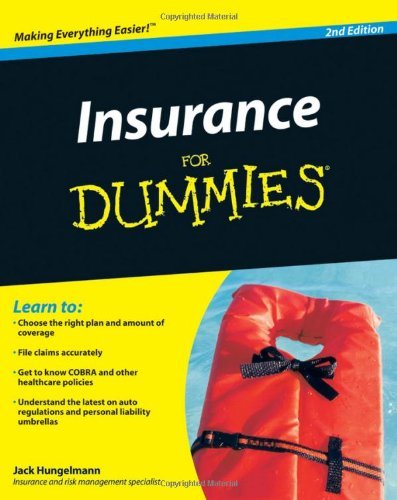
Insurance For Dummies?: Hungelmann, Jack
Whether you’re a homeowner or ... need on: ... Author Jack Hungelmann <strong>uses his twenty-five years of experience in the insurance industry to make buying insurance as simple as possible</strong>
Check Price on AmazonState minimums you must carry:
- Bodily injury liability: $25,000 per person / $50,000 per accident (pays others’ medical bills if you’re at fault)
- Property damage liability: $25,000 per accident (pays for damage you cause to others’ cars or property)
- Uninsured/underinsured motorist (UM/UIM) bodily injury: $25,000 per person / $50,000 per accident (protects you if you’re hit by a driver with no insurance or too little)
A few need-to-knows:
- Liability only protects others, not your car. To cover your car, you add collision and comprehensive.
- Collision coverage pays to repair or replace your car after a crash with another vehicle or object, minus your deductible (the amount you pay out of pocket before insurance pays the rest).
- Comprehensive coverage pays for non-crash events like theft, vandalism, fire, falling objects, hail, or hitting a deer—also subject to your deductible.
- Medical payments (often called MedPay) is optional in Connecticut. It can help pay medical bills for you and your passengers regardless of fault.
- Uninsured/underinsured motorist coverage is required for bodily injury and is critical protection in a state where not everyone carries robust limits.
Practical tip: Minimums meet the law, not real-life costs. A multi-car accident on I‑95 can burn through $25,000 in property damage in a blink. Many Connecticut drivers choose higher limits like 100/300/100 to better protect their assets.
Average car insurance rates in Connecticut by age, vehicle, and driving record
Let’s level-set expectations. Actual premiums vary by your driving history, garaging ZIP code, vehicle, coverage choices, credit-based insurance score (used by many insurers in Connecticut), and discounts. The ranges below are typical for Connecticut as a whole—not quotes.
Typical annual premium ranges you might see:
- Minimum liability only, clean record: roughly $800–$1,400
- Full coverage (liability plus collision and comprehensive) with $500 deductibles, clean record: roughly $1,500–$2,600
By age (clean record, full coverage, common vehicles):
- 18–20: $3,500–$6,000
- 21–24: $2,200–$3,600
- 25–34: $1,700–$2,700
- 35–54: $1,500–$2,400
- 55–69: $1,300–$2,100
- 70+: $1,500–$2,400
By vehicle type (35-year-old, clean record, full coverage):
- Safe midsize sedan (e.g., Toyota Camry): $1,500–$2,100
- Compact SUV (e.g., Honda CR‑V): $1,550–$2,200
- Full-size SUV or pickup: $1,800–$2,600
- Entry-level sports car: $2,200–$3,400
- New EV: $1,900–$2,900 (battery/parts can raise repair costs, but some carriers offer EV discounts)
By driving record impact (35-year-old, full coverage):
- One speeding ticket (10–15 mph over): often +15% to +30%
- At-fault accident with property damage: often +25% to +50%
- DUI/OUI: can double premiums or more; some carriers may decline coverage
Real-world examples to orient you (illustrative only):
- Hartford, 35-year-old non-smoker, 2019 Camry, full coverage, clean record: often $1,700–$2,200.
- New Haven, 22-year-old with a 2016 Civic, full coverage, clean record: often $2,400–$3,400.
- Fairfield County family adding a 17-year-old to a two-car policy: total premium can jump $1,800–$3,500 depending on grades, telematics, and the teen’s vehicle.
The fastest way to see what you would actually pay is to compare quotes from 3–5 carriers for the same coverage limits and deductibles.
Factors that affect Connecticut auto insurance premiums
Insurers price risk. Here’s what typically moves the needle in Connecticut:
- Location details: Denser cities like Hartford, New Haven, Bridgeport, and Stamford can see higher rates due to more traffic, theft, and claim frequency. Coastal storm exposure can influence comprehensive rates.
- Driving record: Tickets, at-fault accidents, and DUIs/OUI raise rates, often for 3–5 years.
- Mileage and commute: Longer I‑84 or I‑95 commutes usually mean higher premiums than low-mileage or work-from-home situations.
- Vehicle cost to repair: Parts and labor for luxury, EVs, or high-performance models increase collision/comprehensive rates. Advanced safety features can help, but calibrations (like for ADAS sensors) can be pricey after a windshield replacement.
- Coverage choices: Higher liability limits cost more but provide better protection. Raising deductibles on collision/comprehensive lowers premiums, but be sure you can afford the deductible if you need to file a claim.
- Credit-based insurance score: Many insurers in Connecticut consider it for pricing. Building strong credit generally helps, though each company weighs it differently and within state rules.
- Household drivers: Young drivers raise premiums. Good student and telematics program participation can offset some of the increase.
- Prior insurance and lapses: A coverage lapse can trigger surcharges and DMV headaches. Keep continuous coverage when switching carriers.
How to compare and get the cheapest auto insurance in Connecticut
Shopping smart beats shopping fast. Here’s a step-by-step that works in Connecticut.
- Decide on coverage targets before you get quotes
- Liability: Consider at least 50/100/50 or 100/300/100 if you have savings, a home, or higher income. This protects you from paying out of pocket after serious crashes.
- Collision/comprehensive: If your car is newer, financed, or valuable to you, keep both. If your car is older with a low market value, you might drop collision. Comprehensive is usually cheaper and still covers theft, deer, hail, and falling branches.
- Deductibles: Try $1,000 on collision/comprehensive if you can cover it from an emergency fund; it can meaningfully lower premiums. Deductible is your out-of-pocket before insurance pays.
- UM/UIM: Match your liability limits if you can. This protects you against drivers with little or no insurance.
- MedPay: Consider $1,000–$5,000 for quick help with medical bills; it’s usually inexpensive.
- Optional endorsements: In Connecticut, “full glass” options (coverage for glass with no deductible) are common—worth it if you drive highways with road debris or have expensive sensors in the windshield. Rental reimbursement (pays for a rental car while yours is in the shop after a covered loss) is handy if you don’t have a backup vehicle.
- Gather apples-to-apples details
- Driver info: License numbers, dates of birth, and driving history accuracy matters.
- Vehicle info: VINs, annual mileage, parking/garaging details.
- Prior insurance: Current limits and deductibles.
- Get 3–5 quotes the same day
- Compare the same limits/deductibles across carriers like Travelers (Connecticut-based), The Hartford, Amica, GEICO, Progressive, State Farm, and regional mutuals. Rates swing widely depending on each company’s appetite for your profile.
- Use discounts and programs strategically
- Telematics/usage-based insurance (UBI): Many Connecticut carriers offer a device or app that monitors driving habits like braking, time of day, and mileage. Safe driving can earn 10%–30% off at renewal; just know hard braking and late-night trips can offset savings.
- Bundle home/condo/renter’s: Multi-policy discounts can be big in Connecticut, often 10%–25% on auto.
- Higher deductibles: Run the math; raising from $500 to $1,000 can be a meaningful cut if you have the savings.
- Pay-in-full, autopay, paperless: Stack the easy ones.
- Check the insurer beyond price
- Claims reputation: Look at complaint ratios and satisfaction scores when available.
- Repair flexibility: Ask about preferred shops vs. your choice of shop. Many insurers honor your choice, but networks can speed repairs.
- OEM parts preferences and glass handling: If you care about original manufacturer parts or windshield calibration coverage, ask how each carrier handles it in Connecticut.
- Lock in and review annually
- Life changes—moves, new jobs, a paid-off car—can change rates. Review every 12 months or after big changes.
Helpful next step: Get quotes from multiple Connecticut carriers for the same coverage setup. The fastest way to see your real price is to compare at least 3–5 quotes side-by-side.
Connecticut-specific discounts and savings opportunities
- Defensive driving/accident prevention course: Many insurers offer a discount for completing a state-approved course. Mature drivers often see guaranteed discounts with eligible programs; ask your carrier what’s recognized in Connecticut.
- Good student and student-away: Teens with a B average (or better) and students living more than 100 miles from home without a car typically save.
- Telematics for families: Adding your teen to a telematics program can substantially reduce the young-driver surcharge if they build a safe driving record.
- Anti-theft and vehicle safety: Factory-installed anti-theft, VIN etching, and advanced safety features can earn discounts.
- EV/Hybrid: Some carriers give a small break for alternative-fuel vehicles.
- Affinity groups: Alumni associations, employers, and membership groups (including programs like AARP-sponsored policies) may unlock savings.
- Low-mileage: If you work from home or commute less, tell your insurer. Lower annual mileage can reduce your rate.
Pro tip: If you commute on the Merritt Parkway or I‑95 and see frequent windshield chips, ask specifically about full glass coverage add-ons. Paying a few extra dollars a month can save you the full deductible on a windshield replacement and required sensor recalibration.
Filing a claim in Connecticut: what to expect
If you’re in a crash, here’s the typical process in an at-fault state like Connecticut.
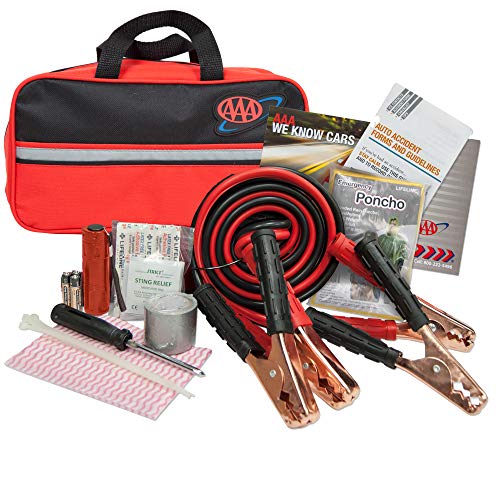
Lifeline AAA Premium Road Kit, 42 Piece Emergency Car Kit with Jumper Cables, Flashlight and First Aid Kit,4330AAA,Black : Everything Else
View on Amazon
Garmin Parking Mode Cable for Compatible Garmin Dash Cams : Electronics
View on Amazon- Safety first and documentation
- Move to a safe spot and call 911 if anyone is hurt.
- Exchange info (photos help): names, addresses, phone numbers, driver’s license numbers, license plates, and insurance cards.
- Take photos/video of vehicles, damage, road conditions, and surroundings.
- Police report: For injuries or significant damage, call the police. Depending on current state rules, you may need to report certain crashes to the DMV—your insurer or local authorities can clarify the threshold.
- Notify your insurer promptly
- Report the loss via app, phone, or online portal. You’ll get a claim number and an adjuster.
- If you weren’t at fault, you can file a third-party claim with the other driver’s insurer or use your collision coverage for faster repairs (you’ll pay your deductible, which your insurer may recover later).
- Estimate and repairs
- Inspection: Virtual photo estimates are common, but complex damage usually gets an in-person look.
- Shop choice: You generally can choose your repair shop. Preferred networks can speed parts ordering and guarantee workmanship—ask how your carrier handles this in Connecticut.
- Total loss: If the car is deemed a total loss, payment is based on actual cash value (ACV—the market value of your car right before the loss), minus your deductible if it’s your claim.
- Medical and UM/UIM
- If you’re hit by someone with no or too little insurance, your UM/UIM bodily injury coverage steps in. Keep medical bills and records organized for your adjuster.
- Timelines and legal windows
- Claims should move within a reasonable timeframe; respond quickly to information requests to avoid delays.
- Lawsuits related to auto accidents typically have filing deadlines under Connecticut law. Many injury and property damage claims are subject to a two-year statute of limitations, but details vary—consider speaking with an attorney for guidance.
Question about diminished value (the idea your repaired car is worth less than before)? In many cases, Connecticut drivers can pursue diminished value from the at-fault driver’s insurer. Results vary by case—ask your adjuster and consider independent valuation if needed.
FAQ: common questions about Connecticut car insurance
Is Connecticut a no-fault state?
No. Connecticut is an at-fault (tort) state. The at-fault driver’s liability insurance pays for others’ injuries and property damage up to the policy limits.
What are the minimum auto insurance requirements in Connecticut?
You must carry at least 25/50/25 liability and 25/50 uninsured/underinsured motorist bodily injury. Many drivers choose higher limits for better protection.
Do I need collision and comprehensive?
Not by law. If your vehicle is leased or financed, your lender will typically require both. They cover your car—collision for crash damage and comprehensive for theft, fire, hail, deer, and similar events—minus your deductible (your out-of-pocket amount).
Is personal injury protection (PIP) required in Connecticut?
No. PIP isn’t required here. Medical payments (MedPay) is optional and can help with medical bills regardless of fault.
Can my credit affect my auto insurance rate in Connecticut?
Often, yes. Many insurers use credit-based insurance scores within state rules. Stronger credit typically means lower premiums, but each company weighs it differently.
What happens if I let my insurance lapse?
Connecticut requires continuous insurance on registered vehicles. A lapse can lead to fines, registration suspensions, and higher premiums when you restart coverage.
Will I need an SR‑22 in Connecticut after a serious violation?
After certain violations or license suspensions, proof of financial responsibility may be required. Your insurer or a licensed agent can tell you if an SR‑22 or similar filing is needed in your situation.
Are there special discounts for seniors or defensive driving courses?
Many insurers offer discounts for completing a state-approved accident prevention/defensive driving course, and mature drivers often qualify. Ask your carrier which programs they recognize in Connecticut.
How do I keep costs down with a teen driver?
Put the teen in a safe, older sedan; ask for good student and student-away discounts; enroll in telematics; and raise collision/comprehensive deductibles if you can afford the risk.
What to look for when choosing a Connecticut auto policy
- Adequate liability limits (aim higher than the minimums if you can)
- UM/UIM matched to your liability limits
- Collision/comprehensive with deductibles you can afford
- Full glass endorsement if you frequently drive highways
- Strong claim service and your choice of repair shop
- Discounts you actually qualify for today (bundle, telematics, driver training)
Note: This guide is general education. For personalized advice that fits your driving habits, budget, and vehicle, speak with a licensed Connecticut insurance agent.
Ready to see your real price? Compare at least 3–5 quotes for the same coverage and deductibles. It’s the quickest way to find the best value.
Your next step
- Set your target limits (e.g., 100/300/100 liability, $1,000 deductibles, UM/UIM to match)
- Grab details for all drivers and vehicles
- Get quotes from multiple Connecticut carriers on the same day for a clean comparison
When you line up apples-to-apples quotes, the best price usually reveals itself—and you can feel confident you’re not overpaying for auto insurance in Connecticut.
Recommended Resources
Insurance For Dummies?: Hungelmann, Jack
Whether you’re a homeowner or ... need on: ... Author Jack Hungelmann <strong>uses his twenty-five years of experience in the insurance industry to make buying insurance as simple as possible</strong>
Garmin Parking Mode Cable for Compatible Garmin Dash Cams : Electronics
Compatible with the following Garmin Dash cams: Dash Cam 45, Dash Cam 46, Dash Cam 47, Dash Cam 55, Dash Cam 56, Dash Cam 57, Dash Cam 65W, Dash Cam 66W, Dash Cam 67W, Dash Cam Mini, Dash Cam Mini 2,
Lifeline AAA Premium Road Kit, 42 Piece Emergency Car Kit with Jumper Cables, Flashlight and First Aid Kit,4330AAA,Black : Everything Else
Amazon.com: <strong>Lifeline AAA Premium Road Kit</strong>, 42 Piece Emergency Car Kit with Jumper Cables, Flashlight and First Aid Kit,4330AAA,Black : Everything Else
Related Articles
- Home Insurance in Connecticut: Coverage, Costs & Best Companies
- Life Insurance in Connecticut: What Residents Should Know
- Auto Insurance in Vermont: Rates, Requirements & How to Save
- Auto Insurance in Massachusetts: Rates, Requirements & How to Save
- Health Insurance in Connecticut: Plans, Costs & How to Enroll
- Auto Insurance in Rhode Island: Rates, Requirements & How to Save
- Auto Insurance in Illinois: Rates, Requirements & How to Save
- Auto Insurance in Tennessee: Rates, Requirements & How to Save