
Home Insurance in New York: Coverage, Costs & Best Companies
Home Insurance in New York: Coverage, Costs & Best Companies
You’re shopping for home insurance in New York and the quotes feel all over the place. Is that normal? Typically, yes—New York is a big state with very different risk profiles from Buffalo to Brooklyn to the Hamptons. Here’s what actually matters when choosing coverage, how much people typically pay by area and home value, the risks unique to New York (hello, nor’easters and coastal wind), and practical steps to compare quotes the right way.
Quick note: New York doesn’t require homeowners insurance by law, but lenders do. And rates vary by home features, location, insurer, and your claim history—so use the ranges below as guideposts, not promises.
New York homeowners insurance requirements and typical coverage
There’s no state law that forces you to buy homeowners insurance. Your mortgage lender will require it, and may have specific rules (like a maximum deductible). Most New York homeowners carry a standard HO‑3 or HO‑5 policy:
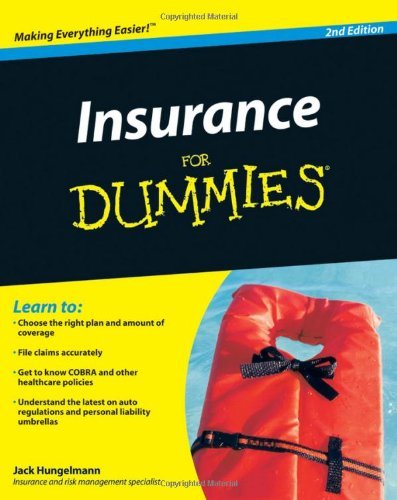
Insurance For Dummies?: Hungelmann, Jack
Whether you’re a homeowner or ... need on: ... Author Jack Hungelmann <strong>uses his twenty-five years of experience in the insurance industry to make buying insurance as simple as possible</strong>
Check Price on Amazon- Dwelling (Coverage A): Pays to repair or rebuild the home’s structure after a covered loss. You’ll want the limit to match your home’s replacement cost (what it would cost to rebuild today, not the market price).
- Other Structures (Coverage B): Things not attached to the home—detached garage, fence, shed. Typically 10% of Coverage A.
- Personal Property (Coverage C): Your belongings—furniture, clothes, electronics. Can be Actual Cash Value (ACV, pays depreciated value) or Replacement Cost (RC, pays brand-new equivalent). Replacement cost is usually worth the small extra cost.
- Loss of Use (Coverage D): Extra living expenses if a covered claim forces you to live elsewhere (hotel, short-term rental, meals).
- Personal Liability (Coverage E): Covers injuries or property damage you’re legally responsible for (for example, a guest slips on your steps). Many New Yorkers choose $300,000–$500,000; higher if you have assets to protect.
- Medical Payments (Coverage F): No-fault medical coverage for minor injuries to guests.
Common add-ons New Yorkers consider:
- Water/sewer backup: Covers damage from a backed-up drain or sump (not flood from outside). Very common in older basements and city homes.
- Ordinance or law: Pays the cost to bring repairs up to current building codes—important for older housing stock in New York.
- Equipment breakdown: Covers systems like HVAC, appliances, and sometimes smart-home devices after a mechanical/electrical failure.
- Service line: Buried water/sewer line breaks on your property. Helpful for older neighborhoods.
- Scheduled valuables: Extra coverage for jewelry, art, or collectibles beyond standard sublimits.
What’s not covered by a standard policy:
- Flood: Water rising from outside (storm surge, river overflow, heavy rainfall overwhelming drainage). You’ll need a separate flood policy through the National Flood Insurance Program (NFIP) or a private flood insurer.
- Earthquake: Low risk in New York, but not zero. Separate endorsement or policy if you want it.
Hurricane and wind deductibles in coastal counties: Many insurers apply a separate percentage deductible (for example, 2% of the dwelling limit) for wind or named storms on Long Island and some downstate counties. The trigger language varies by insurer, so read it closely.
Average home insurance costs in New York by home value and location
New York’s average premium is higher than many states, mostly because of coastal wind exposure and older homes. Actual costs depend on build year, roof type and age, fire protection, proximity to the coast, claims history, and the coverage you pick. Here are rough ranges we see often:
- Upstate small/medium home ($250,000 dwelling limit): $800–$1,300 per year
- Upstate suburban home ($400,000 dwelling limit): $1,000–$1,600 per year
- Downstate suburb (Westchester/Rockland/Nassau, $500,000 dwelling limit): $1,600–$2,800 per year
- Long Island coastal, wind-exposed ($500,000 dwelling limit): $1,800–$3,500+ per year, often with a separate wind/hurricane deductible
- High-value coastal home ($1,000,000 dwelling limit): $3,000–$6,000+ per year, sometimes placed with specialty carriers
Three real-world style examples (for illustration only—rates vary by insurer and details):
- Example A: 1970s ranch near Rochester, new roof, $300K dwelling, $1,000 deductible, RC on contents. Typical quotes: around $950–$1,300/year.
- Example B: 1930s colonial in Westchester, $600K dwelling, $2,500 all-peril deductible, ordinance/law set to 25%. Typical quotes: around $1,900–$3,000/year.
- Example C: 1990s two-story on Long Island a mile from the shore, $550K dwelling, 2% hurricane deductible, water-backup endorsement. Typical quotes: around $2,200–$3,800/year.
The fastest way to see what you would actually pay is to compare quotes from 3–5 carriers on the same coverage levels. Get a few options side-by-side and you’ll quickly see who prices your home most competitively.
New York-specific risks: natural disasters, weather, and regional factors
New York’s geography creates a mix of risks that shape coverage and price.
- Coastal wind and named storms: Long Island and coastal NYC boroughs face wind from hurricanes and tropical storms. Many policies have separate wind or hurricane deductibles. Ask how the deductible triggers (named storm vs. hurricane, and where/when it applies).
- Nor’easters and winter storms: Heavy wet snow, ice dams, and wind. Ice dam damage is often covered, but prevention (insulation/venting) matters and maintenance issues can complicate claims.
- Heavy rainfall and urban flooding: Basement flooding from stormwater isn’t covered by homeowners insurance. Consider flood insurance even if you’re outside FEMA high-risk zones—New York City and Hudson Valley neighborhoods see intense rainfall events.
- Sewer backup: Common exclusion unless you add water/sewer backup coverage. Limits typically range from $5,000–$50,000; pick a limit that reflects your finished basement.
- Older housing stock and building codes: Repairs often trigger code upgrades. Ordinance or law coverage (often 10–50% of Coverage A) can be crucial in older neighborhoods and historic districts.
- Wildfire and brush: Lower risk statewide, but there’s seasonal exposure in some rural areas (Catskills/Adirondacks). Keep defensible space and consider fire-resistant roofing when you re-roof.
- Earth movement/earthquake: Low frequency, but not included by default. You can add an endorsement if you want the extra layer of protection.
How to compare home insurance quotes in New York
Here’s how to make an apples-to-apples comparison that actually protects you when you need it.
What to look for:
- Coverage A (Dwelling) and replacement cost method
- Use a realistic replacement cost, not market value. Construction in New York can run high due to labor, permits, and materials.
- Look for extended replacement cost (an extra 25–50% cushion) or guaranteed replacement cost from carriers that offer it—helpful after widespread storms when building costs spike.
- Deductibles—both all-peril and wind/hurricane
- All-peril deductible: The amount you pay out of pocket before insurance pays, for most covered claims.
- Wind/hurricane deductible: Often a percentage (1–5%) of your dwelling limit. On a $600,000 policy with a 2% hurricane deductible, you’d pay $12,000 on a covered hurricane wind loss. Some carriers offer a flat wind deductible; many coastal homes do not.
- Roof coverage
- Some policies pay roof claims at actual cash value (depreciated) for older roofs. Replacement cost on roofs typically costs a bit more but can save thousands at claim time.
- Personal property (C) and special limits
- Choose replacement cost on contents if available.
- Review sublimits for jewelry, watches, firearms, and collectibles. If your engagement ring is worth $10,000 and your policy limit is $1,500, schedule it.
- Water backup and sump overflow
- If you have a basement, add this. Pick a limit that matches your finished space and mechanicals. Ask whether the coverage includes mold remediation and at what sublimit.
- Ordinance or law coverage
- Older homes should consider at least 25% of Coverage A. Some municipalities require full electrical or structural updates during repairs.
- Liability limits and extras
- Many New Yorkers pick $500,000 liability and add a $1–$2 million umbrella policy for broader protection. If you have a pool, trampoline, or frequent gatherings, ask about exclusions or requirements (like fencing).
- Claim service and carrier strength
- Check financial strength (for example, A.M. Best rating) and claim-handling reputation. In New York, storm events can create backlogs—carriers with strong catastrophe response matter.
- Binding restrictions
- When a named storm is approaching, insurers may temporarily stop binding new policies. If you’re closing on a home, bind coverage early.
Who are the best companies for home insurance in New York?
- There isn’t a single “best” for everyone. Well-known carriers that commonly write in New York include large national companies and strong regional or specialty insurers. Some excel with older homes, others with high-value properties, and some price coastal wind more competitively. Ask an independent agent to quote multiple markets—especially if you’re coastal or have a historic home.
CTA—See your real price: Taking 10 minutes to compare quotes from 3–5 carriers at the same limits is the quickest way to find savings without sacrificing coverage.
Discounts and bundling opportunities for New York homeowners
You don’t control the weather, but you can often trim premiums with these common savings. Not every insurer offers every discount, and eligibility varies.

SimpliSafe 8 Piece Wireless Home Security System - Optional 24/7 Professional Monitoring - No Contract - Compatible with Alexa and Google Assistant , White : Electronics
No wiring or drilling required. Or contact SimpliSafe directly if you need help installing your system. <strong>1 FREE month of professional monitoring for fast police response when you need it most</
Check Price on Amazon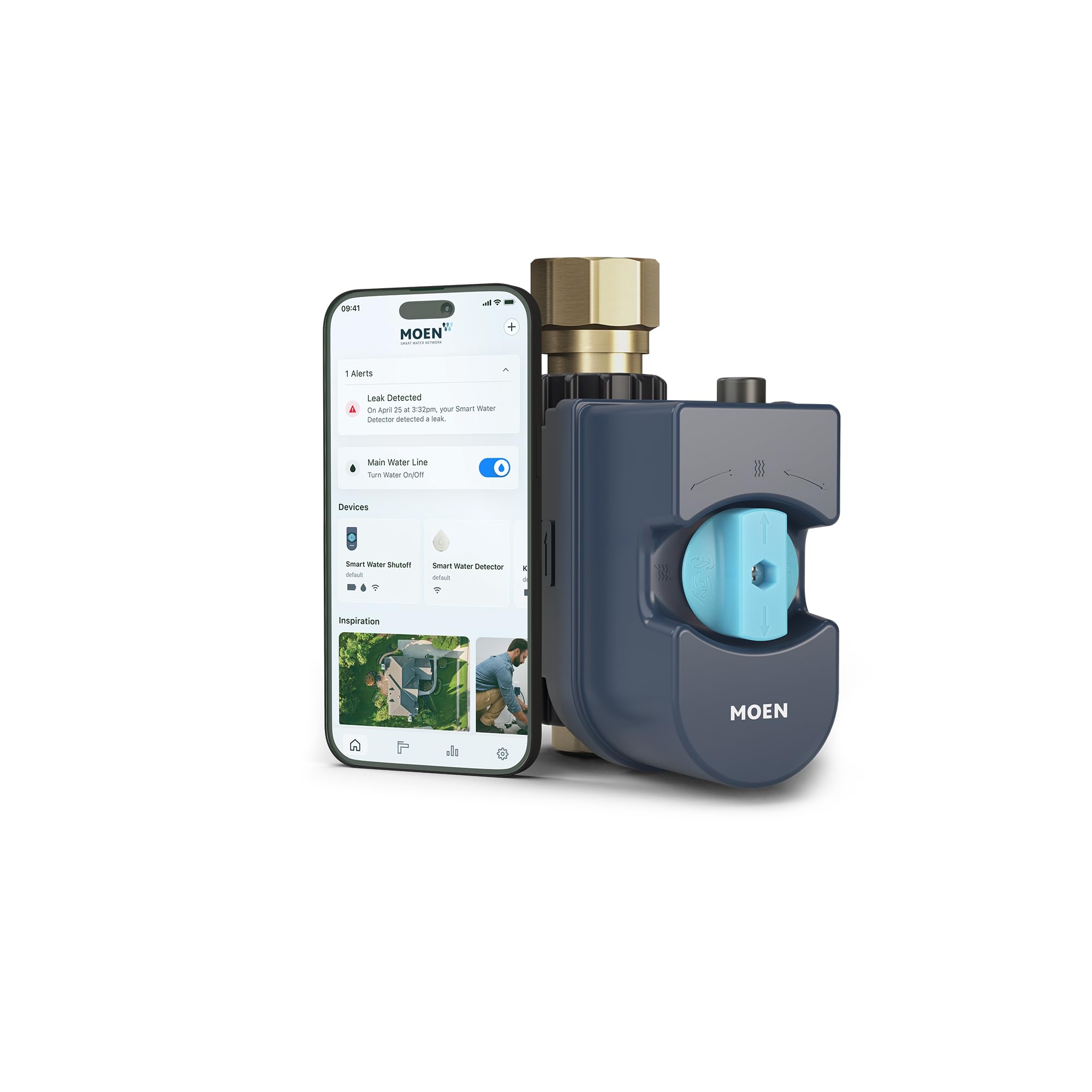
Moen Flo Smart Water Monitor and Automatic Shutoff Sensor, Wi-Fi Water Leak Detector for 3/4-Inch Diameter Pipe, 900-001 - Tub And Shower Faucets - Amazon.com
Moen Flo Smart Water Monitor and Automatic Shutoff Sensor, <strong>Wi-Fi Water Leak Detector for 3/4-Inch Diameter Pipe</strong>, 900-001 - Tub And Shower Faucets - Amazon.com
Check Price on Amazon- Bundle home and auto: Often the biggest discount. Many New Yorkers see meaningful savings when packaging with one carrier.
- New or impact-resistant roof: Credits for newer roofs or certain materials. If you’re re-roofing, ask your agent which materials win discounts.
- Protective devices: Central-station fire and burglar alarms, monitored water-leak sensors, smart shutoff valves.
- Claims-free: Staying claim-free for a few years can reduce premiums.
- New home or recent updates: Wiring, plumbing, HVAC, or electrical updates can help. Keep documentation and permits.
- Gated/HOA communities: Some carriers offer modest credits for additional security.
- Paying in full or auto-pay: Small but easy savings.
Tip: After a major home upgrade (roof, electrical, plumbing), ask your insurer to re-rate your policy. You might unlock a better price.
Filing a home insurance claim in New York
When something goes wrong, here’s a practical roadmap.
- Make it safe and prevent further damage
- Turn off water or electricity if needed. Temporary repairs (tarps, boards, dehumidifiers) are encouraged. Keep receipts—these are typically reimbursable under your policy’s “reasonable repairs” provision.
- Document everything
- Take wide and close-up photos/videos before you move items. List damaged property with make/model/age if possible.
- Notify your insurer promptly
- Most policies require prompt notice. In New York, insurers must acknowledge your claim promptly—typically within 15 business days—under state claims handling rules.
- Understand your deductibles
- Know your all-peril deductible and whether a separate wind/hurricane deductible might apply.
- Meet the adjuster and get estimates
- Walk the adjuster through all damage, including hidden areas (attic, behind walls). For significant losses, getting your own contractor estimate can help. Be cautious about signing any “assignment of benefits” or work authorization that hands over control of your claim.
- Track timelines and communications
- New York’s claims regulations generally require insurers to make a timely coverage decision after receiving your proof of loss. If they need more time, they must explain why. Keep a log of calls and emails.
- After payment
- Review your settlement. If you have replacement cost coverage, you may get an initial ACV payment and a later “recoverable depreciation” payment after repairs. Ask what documentation they’ll need to release the holdback.
If you run into delays or disputes, you can contact the New York State Department of Financial Services (DFS) for help. And a licensed public adjuster or experienced contractor can sometimes assist with complex claims—just verify credentials.
FAQ: common questions about New York homeowners insurance
Is home insurance required in New York? Not by state law. Your lender will require it if you have a mortgage.
Do I need flood insurance in New York? If your home is in a FEMA high-risk zone and you have a mortgage, your lender will require it. Even outside high-risk zones, consider flood insurance—heavy rainfall and storm surge aren’t covered by homeowners policies.
What is a hurricane or wind deductible? It’s a special deductible, often a percentage of your dwelling limit, that applies to certain wind events (like named storms). The exact trigger varies by insurer and policy.
Does homeowners insurance cover my co-op or condo? Co-ops and condos usually need an HO‑6 (condo/co-op) policy. It covers your unit’s interior, your belongings, loss of use, and liability. The building’s master policy handles common areas and the building’s structure.
HO‑3 vs. HO‑5—what’s the difference? HO‑5 generally provides broader “open perils” coverage for both the home and personal property, plus replacement cost on contents by default. HO‑3 is standard but may require endorsements to match.
How much liability coverage should I carry? Many households choose $300,000–$500,000 and add a $1–$2 million umbrella policy if they have significant assets, pool/trampoline, or frequent guests.
Can my dog or trampoline affect coverage? Sometimes. Certain dog breeds or a trampoline/pool without required safety features can change your eligibility or rate. Ask before you buy.
What if I can’t find coverage because I’m too close to the coast? An independent agent can shop specialty markets. As a backstop, New York’s FAIR Plan (NYPIUA) offers basic property coverage for homeowners who can’t get it in the standard market. Many people pair FAIR Plan property coverage with a separate liability policy to round out protection.
How long does it take to start a policy? Often same day, unless there’s an approaching storm or needed inspections. Bind coverage early if you’re near closing.
A quick word on getting help
Insurance can be nuanced—especially in New York’s mix of coastal wind, winter freeze, and older homes. A licensed New York agent can help you dial in realistic replacement cost, the right ordinance-or-law limit, and whether you should add flood or water-backup coverage.
Your next step
- Get 3–5 quotes at the same coverage levels (dwelling limit, deductibles, replacement cost on contents, ordinance or law). This shows true pricing differences.
- Ask each carrier how their wind/hurricane deductible works, whether your roof is covered at replacement cost, and what sublimits apply to valuables.
- If you have a basement or older plumbing, add water/sewer backup coverage with a limit that matches your risk.
CTA—Compare personalized quotes now: The fastest way to see your real price for home insurance in New York is to compare a few top carriers side-by-side. It’s a smart 10-minute move that often uncovers meaningful savings.
Recommended Resources
Insurance For Dummies?: Hungelmann, Jack
Whether you’re a homeowner or ... need on: ... Author Jack Hungelmann <strong>uses his twenty-five years of experience in the insurance industry to make buying insurance as simple as possible</strong>
Moen Flo Smart Water Monitor and Automatic Shutoff Sensor, Wi-Fi Water Leak Detector for 3/4-Inch Diameter Pipe, 900-001 - Tub And Shower Faucets - Amazon.com
Moen Flo Smart Water Monitor and Automatic Shutoff Sensor, <strong>Wi-Fi Water Leak Detector for 3/4-Inch Diameter Pipe</strong>, 900-001 - Tub And Shower Faucets - Amazon.com
SimpliSafe 8 Piece Wireless Home Security System - Optional 24/7 Professional Monitoring - No Contract - Compatible with Alexa and Google Assistant , White : Electronics
No wiring or drilling required. Or contact SimpliSafe directly if you need help installing your system. <strong>1 FREE month of professional monitoring for fast police response when you need it most</
Related Articles
- Home Insurance in New Jersey: Coverage, Costs & Best Companies
- Auto Insurance in New York: Rates, Requirements & How to Save
- Car Insurance in New York: Compare Quotes & Save on NY Auto Policies
- Home Insurance in Wyoming: Coverage, Costs & Best Companies
- Home Insurance in New Hampshire: Coverage, Costs & Best Companies
- Home Insurance in New Mexico: Coverage, Costs & Best Companies
- Home Insurance in Illinois: Coverage, Costs & Best Companies
- Home Insurance in Ohio: Coverage, Costs & Best Companies