
Auto Insurance in Ohio: Rates, Requirements & How to Save
You’re shopping for auto insurance in Ohio and seeing a wide range of prices. What’s actually required in Ohio, what do people typically pay, and how do you lock in a fair rate without cutting corners on protection? Here’s the practical guide a savvy friend would share.
Ohio auto insurance requirements and minimum coverage
Ohio is an at-fault (tort) state, which means the driver who causes a crash is responsible for the other party’s injuries and vehicle damage. To drive legally, you must carry at least the state’s minimum liability coverage:
- Bodily Injury Liability: $25,000 per person and $50,000 per accident (pays others’ medical bills if you cause a crash)
- Property Damage Liability: $25,000 per accident (pays for damage you cause to others’ vehicles or property)
You’ll also see optional coverages that are smart to consider:
- Uninsured/Underinsured Motorist (UM/UIM): Covers you if you’re hit by a driver with no insurance or not enough insurance. It can pay for injuries (and sometimes vehicle damage, depending on the policy). Not required in Ohio but highly recommended.
- Medical Payments (MedPay): Pays medical expenses for you and your passengers regardless of fault. It’s optional and can help with deductibles and co-pays.
- Collision: Pays to repair/replace your car if you hit another vehicle or object. Comes with a deductible (the amount you pay out of pocket before insurance kicks in), typically $500–$1,000.
- Comprehensive: Covers non-collision events like theft, vandalism, hail, or hitting a deer. Also has a deductible.
A quick reality check on minimums: Ohio’s 25/50/25 limits are better than the rock-bottom limits some states used to have, but they can still run out fast. A newer SUV you total could easily exceed $25,000 in property damage, and hospital bills can surpass $50,000 in a serious crash. Many Ohio drivers step up to 100/300/100 for liability to protect savings, a home, and future wages.
Financial responsibility alternatives: Instead of a traditional policy, Ohio allows you to prove financial responsibility by posting a bond or cash/securities deposit (commonly $30,000), or by qualifying for self-insurance if you have a fleet of vehicles. For most people, a standard auto policy is simpler and more cost-effective.
Average car insurance rates in Ohio by age, vehicle, and driving record
Good news: Ohio typically has lower-than-average premiums compared to many states. Exact prices vary by driver and insurer, but here are ballpark figures to help calibrate expectations as you shop for auto insurance in Ohio. These examples assume typical driving habits and average annual mileage.
- Minimum liability-only policy: often $35–$70 per month for many adult drivers with clean records
- Full coverage (liability plus comprehensive and collision): often $95–$160 per month for a typical midsize sedan or compact SUV
By age (clean record, full coverage):
- 18-year-old: $220–$400 per month (adding a teen to a parent’s policy is usually cheaper than a standalone teen policy)
- 25-year-old: $110–$185 per month
- 40-year-old: $95–$160 per month
- 65-year-old: $100–$170 per month
By vehicle (40-year-old, clean record, full coverage):
- 2016 Toyota Camry: $95–$140 per month
- 2021 Honda CR‑V: $105–$155 per month
- 2020 Ford F‑150: $110–$165 per month
- 2023 Tesla Model 3: $150–$230 per month (higher repair costs and specialty parts can increase rates)
By driving record (40-year-old, Camry, full coverage):
- Clean record: $95–$140 per month
- One speeding ticket (10–14 mph over): $120–$180 per month
- At-fault accident: $145–$220 per month
- DUI/OVI: $180–$320+ per month, often with an SR‑22 filing (a certificate your insurer files with the state to prove you carry at least the minimum coverage)
Rates are estimates based on industry data and Ohio market trends; your price depends on details like ZIP code, annual mileage, coverage selections, credit-based insurance score (where allowed), and discount eligibility.
Factors that affect Ohio auto insurance premiums
Insurers weigh dozens of data points to predict risk. The big ones in Ohio:
- Driving record and claims: Tickets and at-fault accidents usually raise rates for 3–5 years. A DUI/OVI has a bigger, longer impact.
- Coverage choices: Full coverage (liability plus comp/collision) costs more than liability-only. Higher deductibles usually lower your premium, but increase what you pay out of pocket for a claim.
- Vehicle type and cost to repair: Newer vehicles, luxury models, performance cars, and those with pricey parts or higher theft rates cost more to insure.
- Location: Urban ZIP codes with more traffic and theft typically see higher premiums than rural areas. Columbus, Cleveland, and Cincinnati often price higher than smaller towns.
- Annual mileage and commute: Fewer miles generally means lower risk. Some Ohio drivers save with telematics or pay-per-mile programs.
- Credit-based insurance score: In Ohio, most insurers can use credit-based insurance scores. Better scores typically mean better rates. This is not your FICO score, but it’s correlated.
- Household and policy setup: Bundling home and auto, multi-car policies, and adding an experienced driver can reduce costs.
- Age and experience: Teens and new drivers pay more; rates typically improve in your mid‑20s if you maintain a clean record.
Note: Ohio is an at-fault state. If you cause a crash, your liability insurance pays others. In a no-fault system (like neighboring Michigan), drivers carry Personal Injury Protection (PIP) that pays their own medical bills regardless of fault. If you’re comparing cross-border differences, see our guide to Auto Insurance in Michigan: Rates, Requirements & How to Save.
How to compare and get the cheapest auto insurance in Ohio
The fastest way to see what you’d actually pay is to compare quotes from 3–5 carriers on the same day with the same coverage limits and deductibles. Prices move, and each insurer’s formula is different.
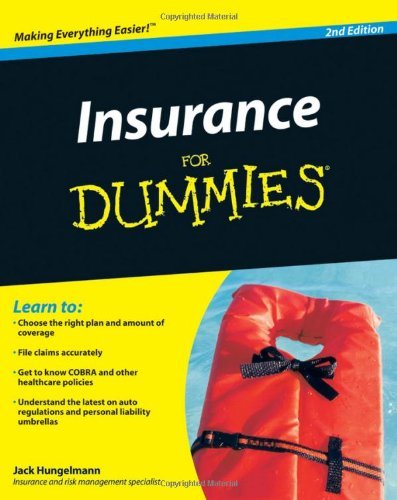
Insurance For Dummies?: Hungelmann, Jack
Whether you’re a homeowner or ... need on: ... Author Jack Hungelmann <strong>uses his twenty-five years of experience in the insurance industry to make buying insurance as simple as possible</strong>
Check Price on AmazonWhat to gather before you quote:
- Driver details: names, dates of birth, license numbers
- Vehicle info: year, make, model, VIN if available, current mileage, who drives which car
- Driving history: tickets/accidents with dates
- Current policy: limits, deductibles, expiration date
- Desired coverage: liability limits, UM/UIM, MedPay, comprehensive/collision with deductible choices, optional add-ons (roadside, rental reimbursement)
What to look for (beyond price):
- Sufficient liability limits: Aim for at least 50/100/50; many households choose 100/300/100 or higher, especially if you own a home or have savings to protect.
- UM/UIM: Ohio has its share of uninsured drivers. UM/UIM helps if you’re hit by someone with little or no insurance.
- Deductible fit: Pick deductibles you could comfortably pay tomorrow ($500–$1,000 is common). Raising from $500 to $1,000 often lowers full-coverage premiums noticeably.
- Medical Payments: Even with health insurance, MedPay can cover co-pays and deductibles after a crash.
- Claims reputation: Scan reviews and ask how repairs are handled, whether OEM parts are possible, and how rental coverage works during repairs.
- Discounts you actually qualify for: Telematics, good driver, homeowner, multi-car, multi-policy, autopay, paperless, and more. See Ohio-specific ideas below.
Smart shopping steps:
- Set your target coverage. Decide on liability limits and whether you want full coverage for your vehicle’s value. If you have a loan or lease, the lender will require comprehensive and collision (and may require gap coverage, which pays the difference if your car is totaled and you owe more than it’s worth).
- Quote apples-to-apples. Keep the same limits and deductibles across all quotes.
- Add telematics trials. Many Ohio insurers offer a 30–90 day driving app that can unlock significant first-term discounts if you drive gently and avoid late-night trips.
- Bundle if you can. Homeowners and renters policies often shave 5–20% off auto.
- Check payment options. Paying in full or via autopay often saves extra.
- Re-shop at renewal or after life events (moving, adding a driver, paying off a loan). Rates shift.
Ready to see your real price? Comparing 3–5 carriers side by side is the quickest way to find a solid rate for auto insurance in Ohio without sacrificing coverage.
Ohio-specific discounts and savings opportunities
- Telematics/usage-based programs: Progressive Snapshot (Cleveland-based insurer), Nationwide SmartRide/SmartMiles (Columbus-based), State Farm Drive Safe & Save, Allstate Drivewise. Safe driving and fewer miles can mean sizable savings.
- Pay-per-mile: If you drive under ~8,000–10,000 miles per year, a per-mile plan (where part of your premium is based on miles driven) can be cost-effective.
- Winter-weather readiness: Completing a defensive driving or accident prevention course isn’t mandated for discounts in Ohio, but many insurers offer a price break if you take an approved class—especially useful for newer drivers navigating snow and ice.
- Multi-policy and multi-car: Bundling home, renters, condo, or even a motorcycle often lowers your auto premium.
- Good student and driver training: Teens with a B average or better and those who complete certified driver education usually see lower rates.
- Equipment discounts: Anti-theft devices and certain safety features can reduce comprehensive or collision portions.
- Claim-free and loyalty: A clean record and staying with an insurer for a few years can earn a persistency discount—though it still pays to compare at renewal.
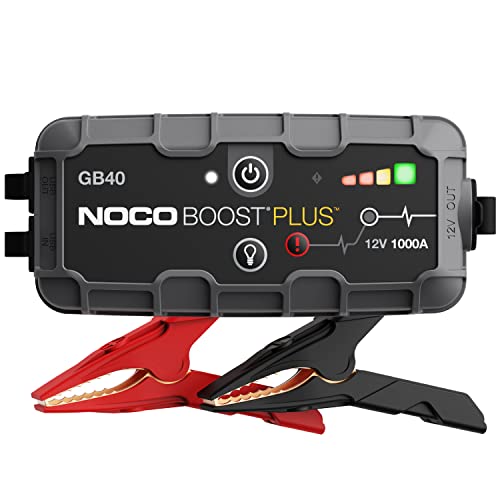
NOCO Boost GB40: 1000A UltraSafe Jump Starter – 12V ...
View on AmazonTip: If you’re moving to or from a nearby state, coverage rules can change. For a quick contrast on requirements and savings strategies next door, see Auto Insurance in Indiana: Rates, Requirements & How to Save or Auto Insurance in Kentucky: Rates, Requirements & How to Save.
Filing a claim in Ohio: what to expect
After an accident:
- Safety first. Check for injuries and move to a safe spot if possible. Call 911 for emergencies.
- Document. Exchange info (names, insurance, license plate), take photos, note time/weather, and gather witness contact details.
- Consider a police report. Especially if there are injuries, a hit-and-run, disputed fault, or significant damage.
- Notify your insurer promptly. Your policy likely requires timely notice, even if you think the other driver is at fault.
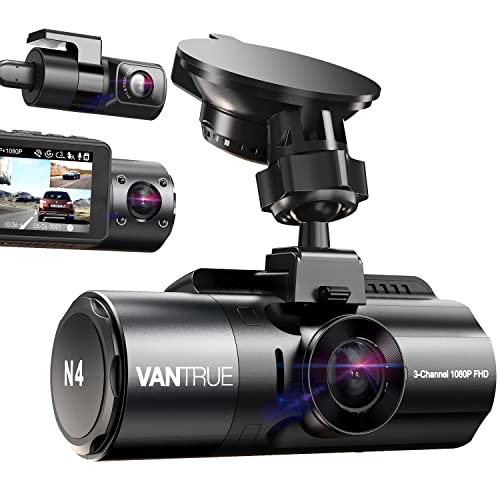
VANTRUE N4 3 Channel Dash Cam, 4K+1080P Dual Channel, 1440P+1440P+1080P Front Inside Rear Three Way Triple Car Dash Camera, IR Night Vision, Capacitor, 24 Hours Parking Mode, Support 256GB Max : Electronics
Amazon.com: VANTRUE N4 3 Channel Dash Cam, <strong>4K+1080P Dual Channel, 1440P+1440P+1080P Front Inside Rear Three Way Triple Car Dash Camera, IR Night Vision, Capacitor, 24 Hours Parking Mode, Suppo
Check Price on AmazonHow fault works: Because Ohio is at-fault, the insurer for the driver who caused the crash typically pays for the other party’s injuries and damages up to policy limits. If the at-fault driver’s limits are too low, the injured party can seek the difference from the driver personally. This is why carrying higher liability limits and UM/UIM is smart.
Repair choices: You can usually choose your repair shop. Insurers may suggest preferred shops that offer guarantees—useful, but not mandatory. Ask about OEM vs. aftermarket parts and whether your policy allows an appraisal or second opinion if you disagree with a valuation.
Rental and loss of use: If you carry rental reimbursement (an optional coverage that pays for a rental car while yours is repaired after a covered loss), confirm daily limits and maximum days. If you’re not at fault, the other driver’s insurer may provide a comparable rental—policies and timelines vary.
Diminished value: Ohio generally allows third‑party diminished value claims (compensation for loss in your car’s market value after repairs) when another driver is at fault, but you must prove the loss. First‑party diminished value (under your own policy) is typically excluded.
Deadlines: Ohio’s statute of limitations for most auto-related personal injury and property damage claims is generally two years from the date of the accident. Legal time limits are strict; if injuries are involved, consider speaking with an attorney.
FAQ: common questions about Ohio car insurance
Is Ohio a no-fault state? No. Ohio is an at‑fault state. The driver who causes the crash (and their insurer) pays for the other party’s damages, up to policy limits.
What are the minimum auto insurance requirements in Ohio? 25/50/25 for liability: $25,000 bodily injury per person, $50,000 per accident, and $25,000 property damage.
Do I need full coverage? If you lease or finance your vehicle, your lender typically requires comprehensive and collision. If your car is paid off and older, you might consider liability-only—just weigh the risk of paying out of pocket if your car is damaged or totaled.
What is an SR‑22 in Ohio? It’s a certificate filed by your insurer with the state proving you carry at least minimum liability insurance—often required after serious violations (like DUI/OVI), license suspensions, or driving uninsured. It’s not a type of insurance, but it can increase your premium.
Do I need UM/UIM coverage in Ohio? It’s optional, but strongly recommended. It helps if you’re hit by someone with little or no insurance. Many Ohio policies also offer UMPD (uninsured motorist property damage)—ask your agent how it works and whether there’s a deductible.
Does insurance follow the car or the driver in Ohio? Typically, the car’s policy is primary for permissive drivers (someone you allow to drive your car). A driver’s own policy may act as secondary. Exact terms vary by policy—confirm with your insurer.
How can I lower my Ohio car insurance premium quickly? Compare 3–5 quotes, increase your deductibles to a level you can afford, bundle home/renters, enroll in telematics, and ask about discounts for autopay, paperless, and driver education.
A quick way to move forward
You don’t have to guess what your rate will be. The fastest way to see your real number is to compare quotes from 3–5 Ohio-friendly carriers with the same coverage limits and deductibles. If you want help sorting options or tailoring coverage to your situation, speak with a licensed agent who can review your drivers, vehicles, and budget.
Looking to lock in savings on auto insurance in Ohio? Start by pulling a few quotes today—then fine‑tune your coverage, add discounts you qualify for, and choose the insurer that treats you right at claim time.
Note: Insurance rates and requirements can change. For personalized advice and the most accurate pricing, consult a licensed agent who can review your specific situation and the latest Ohio regulations.
Recommended Resources
Insurance For Dummies?: Hungelmann, Jack
Whether you’re a homeowner or ... need on: ... Author Jack Hungelmann <strong>uses his twenty-five years of experience in the insurance industry to make buying insurance as simple as possible</strong>
VANTRUE N4 3 Channel Dash Cam, 4K+1080P Dual Channel, 1440P+1440P+1080P Front Inside Rear Three Way Triple Car Dash Camera, IR Night Vision, Capacitor, 24 Hours Parking Mode, Support 256GB Max : Electronics
Amazon.com: VANTRUE N4 3 Channel Dash Cam, <strong>4K+1080P Dual Channel, 1440P+1440P+1080P Front Inside Rear Three Way Triple Car Dash Camera, IR Night Vision, Capacitor, 24 Hours Parking Mode, Suppo
NOCO Boost GB40: 1000A UltraSafe Jump Starter – 12V ...
Find portable jump starters for emergency preparedness. Browse options with intelligent protection systems and extended battery life.
Related Articles
- Home Insurance in Ohio: Coverage, Costs & Best Companies
- Auto Insurance in Indiana: Rates, Requirements & How to Save
- Auto Insurance in Oregon: Rates, Requirements & How to Save
- Auto Insurance in Kentucky: Rates, Requirements & How to Save
- Auto Insurance in Oklahoma: Rates, Requirements & How to Save
- Health Insurance in Ohio: Plans, Costs & How to Enroll
- Auto Insurance in Illinois: Rates, Requirements & How to Save
- Auto Insurance in Missouri: Rates, Requirements & How to Save