
Home Insurance in Kentucky: Coverage, Costs & Best Companies
You’re shopping for home insurance in Kentucky and the quotes don’t all line up. Are you overpaying—or missing coverage you’ll wish you had? Here’s what actually matters in Kentucky, from typical coverages to real-world costs, risks, discounts, and how to compare quotes the smart way.
Kentucky homeowners insurance requirements and typical coverage
First, the basics: Kentucky doesn’t require homeowners insurance by law. But if you have a mortgage, your lender will require it, and even if you own your home outright, going without coverage is a very risky bet.

Insurance For Dummies?: Hungelmann, Jack
Whether you’re a homeowner or ... need on: ... Author Jack Hungelmann <strong>uses his twenty-five years of experience in the insurance industry to make buying insurance as simple as possible</strong>
Check Price on AmazonA standard homeowners policy (often called an HO-3) typically includes:
- Dwelling (Coverage A): Pays to repair or rebuild your home if it’s damaged by a covered peril like fire, wind, or hail. Aim to insure for your home’s replacement cost (what it would cost to rebuild today), not its market price.
- Other Structures (Coverage B): Fences, sheds, and detached garages—usually 10% of your dwelling limit.
- Personal Property (Coverage C): Your belongings—furniture, clothes, electronics—at home and often away from home. You can choose replacement cost coverage (pays to replace new) or actual cash value (ACV, which deducts for depreciation). Replacement cost is typically worth the small extra premium.
- Loss of Use (Coverage D): Pays for temporary living expenses if a covered loss makes your home uninhabitable—hotel bills, short-term rentals, meals.
- Personal Liability (Coverage E): Covers injuries or property damage you’re legally responsible for, like a guest slipping on your steps. Many Kentucky homeowners choose $300,000–$500,000 in liability; higher limits are typically quite affordable.
- Medical Payments (Coverage F): Small, no-fault payments for minor injuries to guests—often $1,000–$5,000 limits.
Your deductible is the amount you pay out of pocket before insurance kicks in. In Kentucky, some policies use a separate wind/hail deductible—sometimes a flat dollar amount, other times a percentage (1%–2%) of your dwelling coverage. A higher deductible usually lowers your premium but raises your out-of-pocket cost at claim time.
Common add-on coverages (“endorsements”) Kentucky homeowners often consider:
- Water backup: Covers damage from a backed-up drain, sewer, or sump pump—this is typically excluded unless you add it.
- Extended replacement cost/guaranteed replacement cost: Provides an extra cushion (often +25% or more) if rebuild costs spike after a big storm.
- Ordinance or law: Pays for code upgrades required during repairs, which can be a big deal with older Kentucky homes.
- Equipment breakdown: Helps with sudden failure of HVAC systems and major appliances.
- Service line: Covers underground lines like water, sewer, or power from the street to your home.
- Earthquake and sinkhole/mine subsidence: Standard homeowners policies typically exclude earth movement. In western Kentucky (near the New Madrid Seismic Zone) and some coal-mining or karst regions, insurers may offer endorsements for earthquake or subsidence-related damages. Availability varies by insurer and county.
- Flood insurance: Flooding from rising water is not covered by standard policies. You can buy a separate policy through the National Flood Insurance Program (NFIP) or private flood insurers.
Want a deeper dive on what each coverage does and doesn’t include? See: What Does Home Insurance Cover?
Average home insurance costs in Kentucky by home value and location
Rates vary a lot in Kentucky based on your city, your home’s age and roof, your claims history, and even your credit-based insurance score (insurers in Kentucky typically use this, subject to state rules). Severe weather risk—tornadoes, hail, and wind—also plays a big role.
While your actual cost could be lower or higher, here are illustrative ranges we commonly see when shoppers compare with multiple carriers. These examples assume a well-maintained home with a standard deductible and replacement cost on dwelling and personal property:
For roughly $200,000 in dwelling coverage:
- Louisville (Jefferson County): about $1,400–$2,400 per year
- Lexington (Fayette County): about $1,300–$2,200 per year
- Bowling Green (Warren County): about $1,600–$2,700 per year
- Owensboro/Henderson/Ohio River counties: about $1,600–$2,800 per year
- Eastern KY (e.g., Pikeville, Hazard): about $1,300–$2,300 per year
For roughly $300,000 in dwelling coverage:
- Louisville: about $1,800–$3,200 per year
- Lexington: about $1,700–$3,000 per year
- Bowling Green and south-central KY: about $2,000–$3,600 per year
- Western KY river counties: about $2,100–$3,800 per year
For roughly $500,000 in dwelling coverage:
- Larger/updated homes across Kentucky: about $2,700–$5,000+ per year, with wider swings depending on roof type and prior claims
Factors that can move your premium up or down in Kentucky:
- Roof material and age: Newer or impact-resistant roofs (Class 3 or 4 shingles, or metal) usually rate better.
- Claims history: Prior wind/hail or water claims can impact price for 3–5 years.
- Deductibles: Choosing a higher wind/hail deductible can significantly reduce premiums in hail-prone ZIP codes—but know your out-of-pocket risk.
- Credit-based insurance score: In most cases, better scores mean better rates.
- Protective devices: Monitored alarms, water leak sensors, and smart thermostats can help.
Real example: Say you own a 1998-built, 2,100 sq. ft. home in Lexington with a 5-year-old architectural shingle roof and you want $300,000 in dwelling coverage, $300,000 liability, and a $1,500 deductible. It’s common to see quotes ranging roughly from the high $1,700s to the low $3,000s annually across 5–6 carriers. Your exact offers will vary.
Kentucky-specific risks: natural disasters, weather, and regional factors
Here’s how local risks show up in policies and pricing:

The Basement Watchdog Emergency Battery Backup Sump Pump - Up to 2,000 GPH - 24/7 Monitoring Controller (BWE) - Sump Pump Battery Backup - Amazon.com
View on Amazon- Tornadoes, straight-line winds, and hail: Most common severe weather events statewide, especially spring and early summer. Insurers may apply separate wind/hail deductibles and roof-surface limits. Some policies settle older roofs at actual cash value (depreciated) unless you pay for a replacement-cost upgrade—crucial detail to confirm.
- Flash flooding and river flooding: Areas near the Ohio, Kentucky, Licking, and Green Rivers, plus low-lying creeks, see elevated flood risk. Standard homeowners insurance excludes flood—consider NFIP or private flood coverage if you’re in a risk zone.
- Winter storms and ice: Ice dams can cause interior water damage. Make sure your policy includes water backup if you have a basement and sump pump.
- Earthquake (western KY): While rare, the New Madrid Seismic Zone can produce damaging quakes. You’ll typically need an earthquake endorsement, which often comes with a percentage deductible.
- Sinkholes and mine subsidence: Parts of Kentucky have karst geology and historic coal mining. Damage from earth movement is typically excluded under standard policies—ask about endorsements that may be available in your county through your insurer.
- Older housing stock and code upgrades: Ordinance or law coverage can be vital if repairs trigger current building codes (electrical, plumbing, roof decking).
How to compare home insurance quotes in Kentucky
The fastest way to see what you would actually pay is to compare quotes from 3–5 carriers. But don’t just line up the prices—line up the coverage details, especially roof settlement and wind/hail terms. Here’s how to make an apples-to-apples comparison.
What to look for:
- Dwelling limit method: Replacement cost estimate (a rebuild calculator) vs. market value. In most cases, you want the rebuild number. Provide accurate details: square footage, roof material/age, exterior type, and any updates.
- Roof settlement: Replacement cost on the roof versus ACV (depreciated). In hail-prone counties, RCV on roof is often worth it.
- Wind/hail deductible: Flat dollar or percentage? A 2% deductible on a $300,000 dwelling is $6,000—know this number before you bind coverage.
- Water backup: Add it if you have a basement, sump pump, or below-grade plumbing. Typical limits are $5,000–$25,000; higher is better for finished basements.
- Ordinance or law: Aim for at least 10% of dwelling; 25% is common on older homes.
- Personal property coverage: Choose replacement cost. Review special sub-limits for jewelry, firearms, collectibles—you may need scheduled coverage.
- Liability: Many Kentucky homeowners select $300,000–$500,000. If you have a pool, trampoline, or dog, confirm eligibility and any exclusions. Consider a personal umbrella policy for extra protection.
- Carrier stability and claims reputation: Check AM Best financial ratings and recent claim satisfaction trends. Local agent support can be especially helpful after big storms.
What insurers write a lot in Kentucky? Availability varies by ZIP, but you’ll commonly see quotes from national names (e.g., State Farm, Allstate, Nationwide, Travelers), regionals like Erie, and Kentucky Farm Bureau. USAA is an excellent option if you’re eligible through military affiliation. Always compare at least a few.
Helpful shopping resource: Our step-by-step Home Insurance Guide 2026 — Compare Quotes, Coverage & Costs walks through the process with worksheets and checklists.
Call-out on underwriting: Be honest about roof age, prior claims, dog breeds, pools, trampolines, fireplaces/wood stoves, and short-term rentals. Surprises later can lead to claim issues or cancellations.
CTA — Get real numbers: Compare personalized quotes from 3–5 carriers. It’s the fastest way to confirm your coverage is right and your price is competitive.
Discounts and bundling opportunities for Kentucky homeowners
Insurance companies in Kentucky offer a familiar menu of discounts. Actual savings vary by carrier and profile, but here’s where to look:
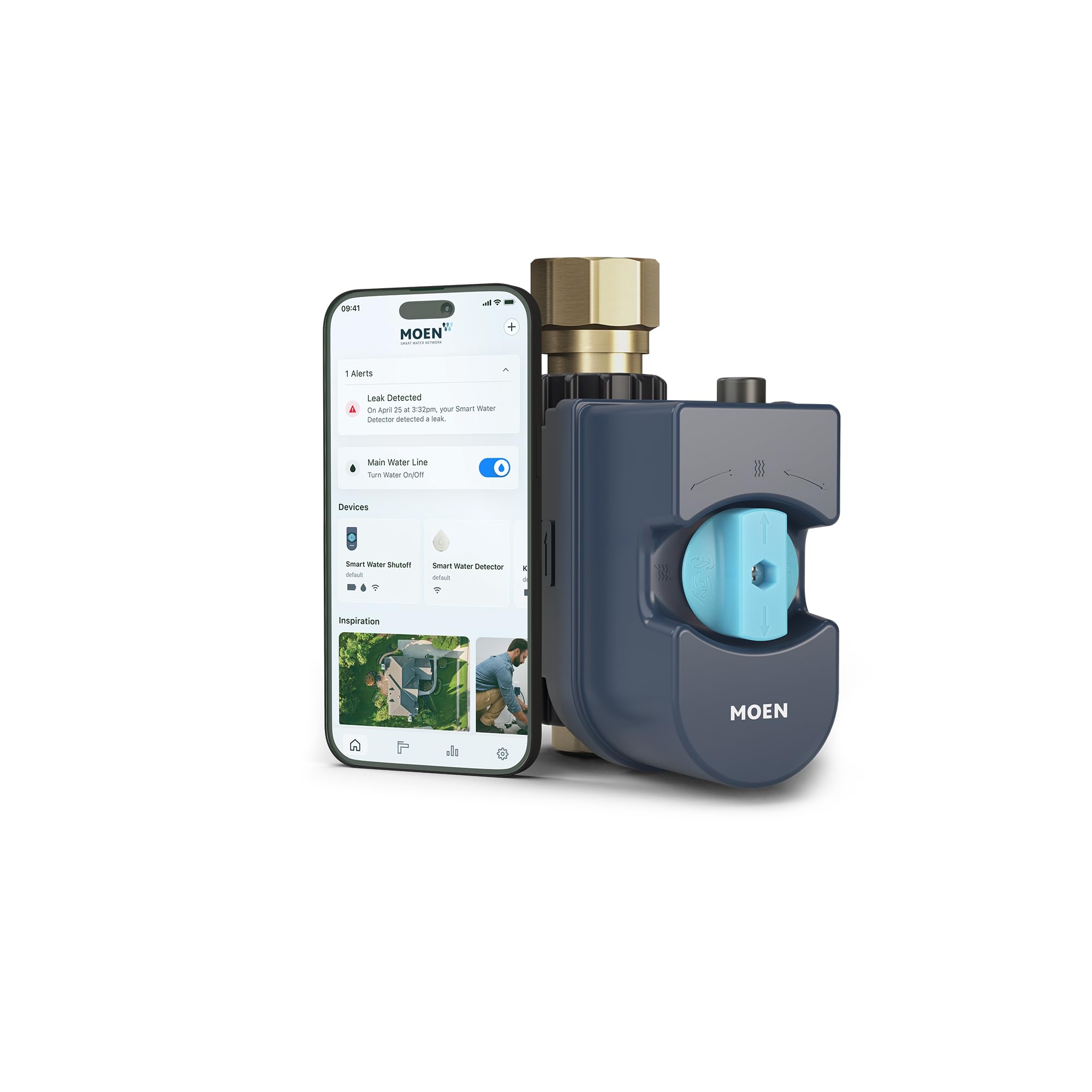
Moen Flo Smart Water Monitor and Automatic Shutoff Sensor, Wi-Fi Water Leak Detector for 3/4-Inch Diameter Pipe, 900-001 - Tub And Shower Faucets - Amazon.com
View on Amazon- Bundle home + auto: Often the biggest savings—commonly 10%–25% on one or both policies. If you drive in Kentucky, shopping both at the same time can pay off. See our state-specific auto guide: Auto Insurance in Kentucky: Rates, Requirements & How to Save
- Newer roof or impact-resistant shingles: Class 3 or 4 shingles or metal roofs can reduce wind/hail premiums.
- Protective devices: Monitored burglary/fire alarms, water leak sensors with automatic shutoff, and smart thermostats.
- Claims-free: Staying claim-free for several years can unlock better pricing.
- Pay-in-full, e-docs, and autopay: Small but easy wins.
- New home or renovation: New builds or substantial updates to roof, plumbing, electrical, or HVAC typically rate better.
- HOA or membership affiliations: Some carriers give preferred rates for certain memberships; eligibility varies.
Pro tip: Ask the agent or carrier to list each discount applied and which ones you might qualify for with a small change (e.g., adding a monitored alarm or water sensor). The payback period on an upgrade is often short in hail-prone areas.
Filing a home insurance claim in Kentucky
When wind, hail, or water hits, here’s a simple playbook that typically makes the process smoother:
- Safety first and stop further damage: Tarp the roof, shut off water, board broken windows. Keep receipts—these are usually reimbursable under your policy.
- Document everything: Take photos and videos of damage before cleanup. Create a list of damaged items (make/model, approximate age, cost).
- Review your policy details: Note your deductibles (especially wind/hail) and whether your roof and personal property are covered at replacement cost or ACV.
- File promptly: Report the claim through your insurer’s app, website, or agent. Ask about next steps and timelines for inspection.
- Meet the adjuster: Walk them through all damage, including hidden areas like attics and crawlspaces. Provide your documentation.
- Understand the estimate and settlement: You may see an initial payment based on ACV, with recoverable depreciation paid after repairs (“holdback”). If your contractor finds additional covered damage, your adjuster can process a supplement.
- Choose reputable contractors: In storm surges, door-to-door solicitations spike. Avoid signing “assignment of benefits” or any document that hands full control of your claim to a third party. Get multiple bids and check references and licensing.
- Ask about Additional Living Expenses (ALE): If you can’t live at home during repairs, file for ALE—save receipts for lodging, meals, and extra mileage.
If you run into claim disputes, you can request a reinspection, bring in your contractor for a joint review, or consult a licensed public adjuster. You can also contact the Kentucky Department of Insurance for guidance on complaint processes and consumer rights.
FAQ: common questions about Kentucky homeowners insurance
Is home insurance required in Kentucky? Not by state law. But your mortgage lender will almost always require it. Even without a loan, going uninsured exposes you to six-figure losses from fire, wind, or liability.
What’s the average cost of home insurance in Kentucky? Rates vary widely by location, home age/roof, and personal rating factors. Many homeowners see annual premiums somewhere between roughly $1,300 and $3,500 for middle-market homes, with higher or lower outliers. The best way to know your number is to compare multiple quotes.
Does homeowners insurance cover tornadoes and hail in Kentucky? Yes—wind and hail are typically covered, but pay attention to separate wind/hail deductibles and whether your roof is covered at replacement cost or ACV.
Do I need flood insurance in Kentucky? If you’re in a high-risk flood zone or near rivers/creeks, strongly consider it. Standard home policies exclude flood. You can purchase an NFIP or private flood policy; lenders usually require it in high-risk zones.
What about earthquakes or sinkholes? Standard policies exclude earth movement. In western Kentucky (near the New Madrid Seismic Zone) and some mining/karst areas, insurers may offer earthquake or subsidence-related endorsements. Availability and deductibles vary by insurer.
Will my credit affect my rate in Kentucky? In most cases, yes. Insurers in Kentucky typically use a credit-based insurance score as one rating factor, subject to state rules. Maintaining good credit can help with pricing over time.
How much liability coverage should I carry? Many Kentucky homeowners choose $300,000–$500,000. If you have a pool, trampoline, short-term rental exposure, or significant assets, consider higher limits or a personal umbrella policy.
Is short-term rental (Airbnb/VRBO) activity covered? Occasional rentals may be allowed with an endorsement; frequent or whole-home rentals usually require a specific landlord or short-term rental policy. Always disclose this to your insurer.
Are older roofs a problem? Not necessarily, but some carriers use ACV-only settlements or higher wind/hail deductibles on older roofs. If your roof is 15+ years old, shop carefully and confirm roof settlement terms.
Where can I learn more about coverages? We built a plain-language explainer here: What Does Home Insurance Cover?
A quick note on personalized advice
Every home and household is different. For tailored guidance on coverage limits, endorsement choices, and deductible strategies, speak with a licensed agent who understands Kentucky’s weather patterns and market.
Your next step
- Compare quotes from 3–5 Kentucky-friendly insurers with identical coverage specs (dwelling limit, roof settlement, deductibles, water backup, ordinance or law). This is the fastest way to find your true price and avoid underinsuring.
- Ask each carrier to show all applied discounts and any you could add with small upgrades.
- If you also have a vehicle in your household, explore a home + auto bundle to unlock potential savings: Auto Insurance in Kentucky: Rates, Requirements & How to Save
Want a structured walkthrough? Start with our Home Insurance Guide 2026 — Compare Quotes, Coverage & Costs and then gather quotes—side by side, apples to apples.
Recommended Resources
Insurance For Dummies?: Hungelmann, Jack
Whether you’re a homeowner or ... need on: ... Author Jack Hungelmann <strong>uses his twenty-five years of experience in the insurance industry to make buying insurance as simple as possible</strong>
Moen Flo Smart Water Monitor and Automatic Shutoff Sensor, Wi-Fi Water Leak Detector for 3/4-Inch Diameter Pipe, 900-001 - Tub And Shower Faucets - Amazon.com
Moen Flo Smart Water Monitor and Automatic Shutoff Sensor, <strong>Wi-Fi Water Leak Detector for 3/4-Inch Diameter Pipe</strong>, 900-001 - Tub And Shower Faucets - Amazon.com
The Basement Watchdog Emergency Battery Backup Sump Pump - Up to 2,000 GPH - 24/7 Monitoring Controller (BWE) - Sump Pump Battery Backup - Amazon.com
PumpSpy Dual Pump Install Kit - ... Dual Pump System To 1-1/2" Line · <strong>The Basement Watchdog Combo Preassembled Primary & Battery Backup Sump Pump System w/Monitoring Controller (CITE-
Related Articles
- Auto Insurance in Kentucky: Rates, Requirements & How to Save
- Home Insurance in Tennessee: Coverage, Costs & Best Companies
- Home Insurance in Indiana: Coverage, Costs & Best Companies
- Renters Insurance in Kentucky: What Tenants Need to Know
- Home Insurance in Wyoming: Coverage, Costs & Best Companies
- Home Insurance in Ohio: Coverage, Costs & Best Companies
- Home Insurance in Arkansas: Coverage, Costs & Best Companies
- Home Insurance in Pennsylvania: Coverage, Costs & Best Companies